Element counting is the only part of a chart a beginner can do without Chinese. It's also the part that quietly gives the wrong answer.
Start With the Day Stem, Then the Season, Then the Gaps
Read the stem sitting in the day column first, check which season it was born into, judge whether that stem is supported or left standing exposed, and only then ask which element is thin. That sequence is the method. Everything below explains why it is not arbitrary.
- Day stem. Which character sits in the day column, and what does it need in order to function?
- Month branch. What season was that stem born into? Hot, cold, wet, dry?
- Relationship. Is the stem supported, drained, or buried by its surroundings?
- Gaps. Only now does a missing element carry any information at all.
A north-facing studio, one window onto a light well, a bed that fits along the only solid wall. On the table, a laptop shows four columns of characters with a colour-coded tally beneath: two wood, three metal, one fire, two water, zero earth. The occupant has circled the zero and drawn an arrow next to it.
That circle is where most first readings begin and end. It is almost always the wrong place to begin.
The reasoning feels airtight. Something is absent, so supply it. Earth was missing, so earth arrived: a terracotta pot by the glass, a yellow cushion, a shallow ceramic dish on the sill. Eight weeks later the sleep was still shallow and the job still felt like pushing a car uphill with the handbrake on. Nothing in the procedure had failed. The count was correct. The cure was applied. The reading was still useless, because it had been performed out of sequence.
The tally is the last thing you read, never the first.
Why Counting Became the Default
Counting dominates for a structural reason: it is the only layer of the chart that survives translation. Eight characters in classical Chinese are opaque to anyone who does not read that script. The coloured tags printed underneath are not. Every calculator hands you a row of bars, and a bar chart looks like a diagnosis.
It gives you a number, and numbers feel like findings.
A number without a reference range is not a finding. A blood panel lists a sodium level; the figure means nothing until someone reads it against your age, your hydration, whatever you swallowed that morning. Charts behave identically. The count is the measurement. The season is the range. Skip the range and every reading collapses into a single prescription: find the gap, fill the gap.
There is a commercial pull as well. The tally is the one step you can finish alone, in five minutes, for free. Type how to read bazi chart into a search bar and a hundred pages give you the same instruction: count the elements, find the missing one, add it back. Open a free BaZi chart calculator and watch the order in which things appear on screen. The count lands first, the interpretation lands last, if it lands at all. The tool teaches the habit, and the habit outlives the tool.
A Chart Is a Floor Plan, Not a Shopping List
Change the frame and the pieces rearrange themselves. Your chart is not an inventory of substances. It is a structure with a climate attached, and the four pillars describe four layers of that structure.
The year pillar is the site: orientation, neighbourhood, ground conditions you inherited rather than chose. The month pillar is the building envelope (walls, glazing, thermal mass) along with the season the structure was finished in. The day pillar is the room you actually occupy, with the day stem as you, the occupant, and the day branch as that room's interior arrangement. The hour pillar is the window and the exhaust: what enters, what leaves, what you produce while you are in there.
An inventory tells you what is in the room. A plan tells you whether air moves through it. There is a fuller treatment of these four layers in this guide to the four pillars of destiny, but the point here is narrow. You cannot diagnose a ventilation problem by counting furniture.
This is also why two people with identical tallies can need opposite things. A building in Phoenix and a building in Oslo can hold the same number of chairs. They cannot be ventilated the same way.
The Month Branch Is the Thermostat
Classical practitioners had a term for this: tiao hou, the adjustment of climate. The first question a chart asks is not what is present but what temperature it is. A wood day master born in early spring emerges into a cool, damp, rising environment. The same stem born in early autumn emerges into a dry, cutting, contracting one. Identical character. Opposite needs.
Building science makes the same argument about rooms. Thermal comfort is not the sum of the objects in a space. It is mean radiant temperature, air exchange rate, humidity, and the angle of the light. Two rooms furnished from the same catalogue feel nothing alike, because one has unshaded west glass and the other has a deep reveal and a north wall.
Nobody diagnoses a stuffy room by counting the chairs in it. Yet that is exactly what the tally does: it reports the furniture and calls it the climate.
The test I run before anything else takes about a minute. Take the month branch, the animal character in the second column, and ask what a person born into that fortnight would have needed in order to survive it. Shade, or fuel? Water, or drainage? Then read the day stem against that answer. A chart already hot and dry does not want more fire, even when fire is genuinely absent from the count. A chart cold and waterlogged does not want another black bowl. It wants warmth it can hold.
That single step corrects more bad readings than any remedy I know of.
When the Right Cure Has Nowhere to Live
Here is where the myth does real damage, because the advice is usually correct in the abstract and wrong in the room.
Say the count reports no fire. Say the advice comes back red, light, a south-facing accent. All of it gets followed faithfully. Nothing improves, or the occupant feels worse: restless at nine, unable to settle at eleven. The remedy was not wrong. It was prescribed without reading the space it had to live in.
Picture 380 square feet where the door opens straight onto the kitchen run and the only full wall is behind the bed. No south-facing surface exists. One window onto a light well delivers perhaps two hours of indirect sun. Into that arrives a terracotta planter, a red cushion, a ceramic dish, a wind chime, and a lamp left on through the evening. Every object is defensible alone. Together they raise the room's noise floor, the volume of visual and physical stimulus competing for attention at any given moment.
The brain does not file a cluttered room as neutral. It files it as unfinished business. Peripheral vision keeps logging the dish, the chime, the cushion, and each of those logs costs a sliver of attention that never comes back. Put the bed in the direct sightline of the door, the position the body likes least because it cannot monitor the threshold, and you have a room technically full of cures and functionally impossible to rest in.
Cures that require display are a luxury of floor area. Almost no chart advice accounts for that.
Renters and studio dwellers hold a different lever, and it is not acquisition. It is arrangement. You cannot move the walls. You can move what faces the door, what sits in the sightline from the pillow, and whether daylight ever reaches the floor. In the studio above, the fix was subtraction plus one rotation: dish and chime out, bed swung off the door axis, the single plant relocated to where light actually fell. The chart had not changed. The room had stopped fighting it.
Three Passes Through Any Chart
Threshold. Hot or cold, dry or wet? That comes from the month branch and the overall balance of the eight characters. One question, one answer, and it sets everything downstream.
Structure. Is the day master rooted, supported, drained, or standing exposed? A supported day master behaves differently from one out on its own, the way a load-bearing wall behaves differently from a partition. The day stem is the piece that turns a diagram into a person, so it deserves its own read: begin with what the day master actually means.
Detail. Only now ask which element is thin and where it should go. Note that thin and absent are not synonyms. An element can be missing from the count and still supplied by the season, the way a room with no lamp can still be bright at four in the afternoon.
Most people start at detail, work backwards for a year, and conclude the system is broken.
From Chart to Apartment
Translating a reading into a dwelling is a smaller move than it sounds. Take the threshold answer, hot and dry, and convert it into one change that costs nothing. Lower light after dark. Fewer reflective surfaces. Softer textures underfoot. The bed pulled off the door axis. A heavier curtain on the west window.
If the answer comes back cold and damp, run it the other way: brighter light at the entry, warmer tones at eye level, nothing stacked in front of the glass, air genuinely moving through.
None of that needs a permanent address or a renovation budget, and it stays honest to the classical method, because you are adjusting climate rather than collecting elements. If you are curious how this differs from the sign-based system most Westerners grew up with, the comparison of BaZi and western astrology is the cleanest starting point.
A chart is a set of conditions, not a verdict. It describes the building you were handed. What you do with the windows stays yours.
Once the threshold is right, the next layer down is how the elements actually interact, which the five elements chart explained covers, and what a BaZi reading is actually for handles the interpretive frame. Read your own chart in the order above first. Count last.
Reader Questions
What do I look at first in my bazi chart?
The day stem. It is the one character that stands for you rather than for your circumstances, and every later judgement gets read against it. If you only ever learn one column, learn that one.
My chart says an element is missing. Should I add it?
Usually no. A July chart with no fire anywhere in the count is often hot enough already, and topping it up leaves the person wired rather than balanced. Absence across eight slots is a data point about the chart's makeup, not a hole to be plugged with cushions and colours.
How much does the hour pillar change things if I don't know my birth time?
Some, not everything. It refines detail the other three columns leave open and it seldom overturns a threshold reading. Read the first three, write "hour unknown" beside your notes, and revisit if a birth certificate ever turns up. Guessing an hour is worse than admitting you don't have one.
Is there a correct order for how to read bazi chart?
Yes: threshold, structure, detail. Hot or cold first, then whether the day master is supported, then which element is thin. Run it backwards and you get confident-sounding advice that misses.
Why do two people born in the same animal year get different readings?
Because the year animal is one character out of eight and rarely the loudest of them. One of those two people might be a winter birth and the other a summer one, and season changes the entire prescription.
I rent a small flat. Can I do anything with this?
Plenty, and none of it involves buying objects. Swing the bed off the door axis, clear the sightline from the pillow, get daylight onto the floor, thin out whatever competes for attention. Climate is adjusted by arrangement far more than by acquisition.
Mei Chen
Traditionally informed guidance • Cross-referenced with classical Chinese source texts
Rooted in classical Chinese metaphysics and cross-referenced with original texts. Product recommendations are based on traditional symbolism, not guaranteed outcomes.
Practitioner-Selected Tools for This Topic
Items our team has tested and found effective for the principles discussed above. Individual results may vary.
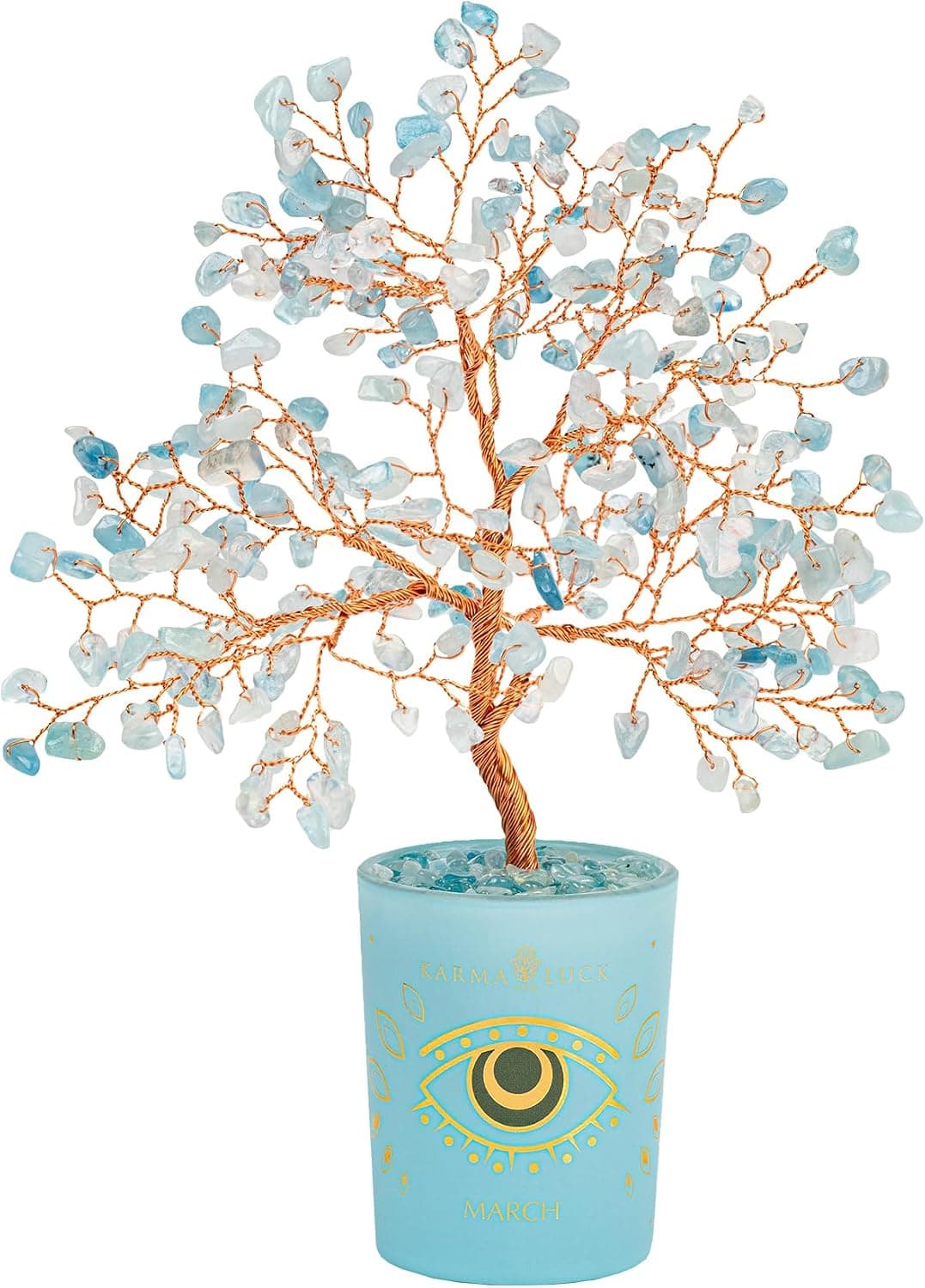 -29%
Karma and Luck March Birthstone Crystal Tree of Life, Aquamarine Gemstone Fen...
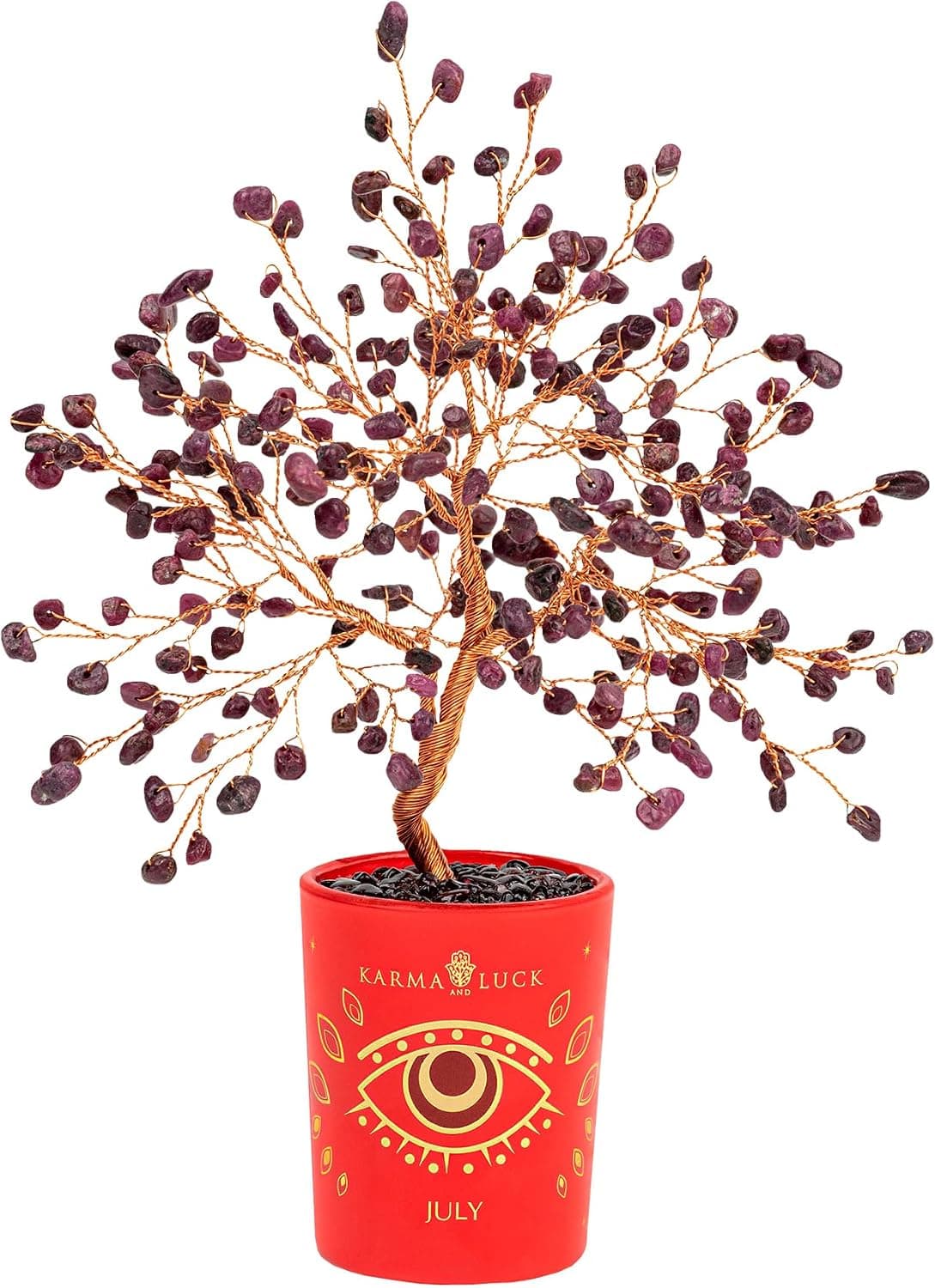 -29%
Karma and Luck July Birthstone Crystal Tree of Life, Ruby Gemstone Feng Shui ...
 -29%
Karma and Luck February Birthstone Crystal Tree of Life, Amethyst Gemstone Fe...
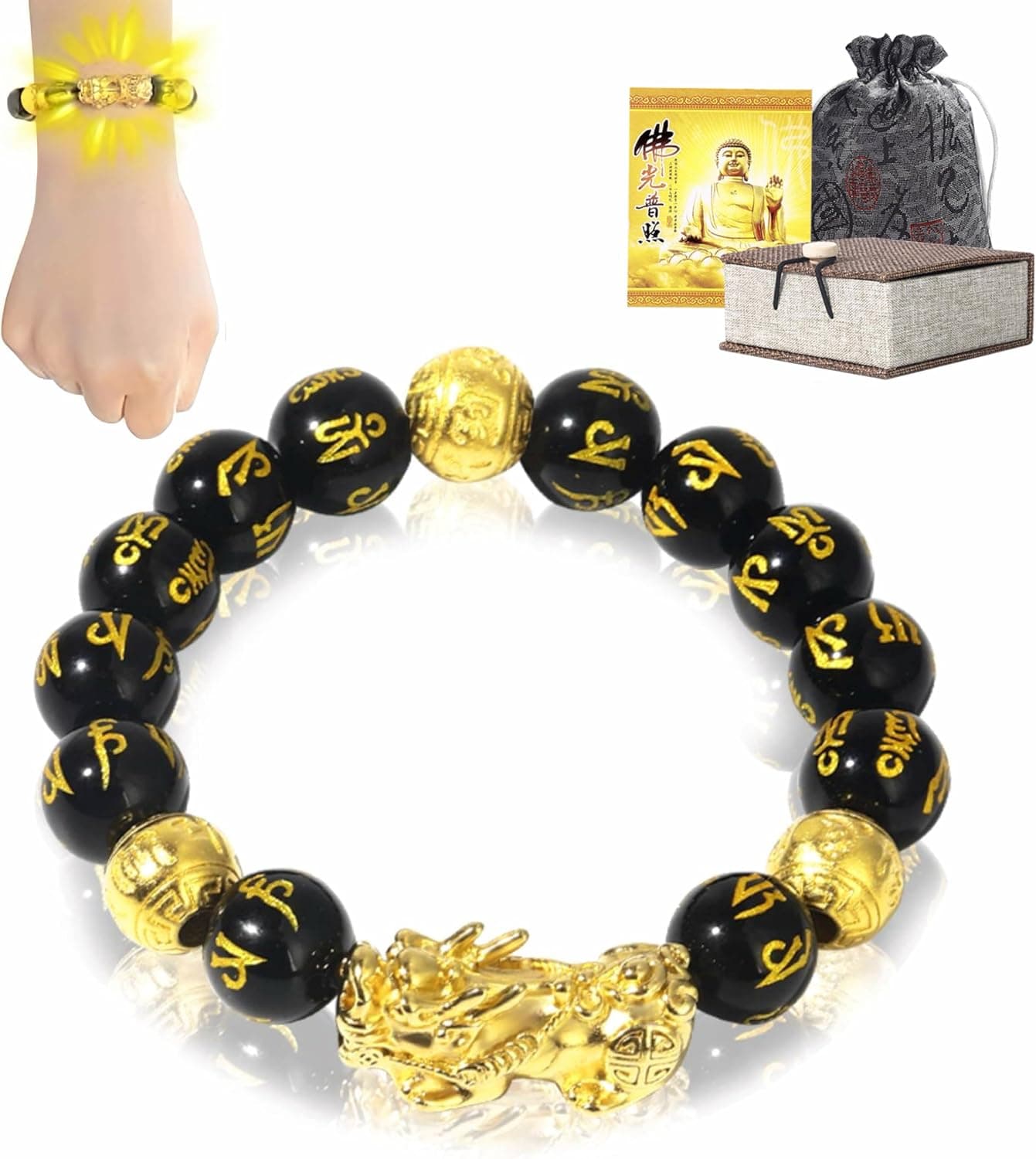 -50%
biuufish Feng Shui Black Obsidian Bracelet for Men Women, 24K Gold Plated Pix...
As an Amazon Associate, we earn from qualifying purchases. We only recommend items our practitioners have personally tested.
Continue Your Journey
Explore these related guides to deepen your understanding:
Ready for Deeper Guidance?
Try our free I Ching reading for personalized wisdom, or explore our curated Feng Shui essentials.