Everyone reads their day master as a label. The readings that actually work treat it as a reference point — and that flips the advice entirely.
The Day Master Is a Fixed Point, Not a Description
Your day master is the heavenly stem of your day pillar, one character out of the eight in your birth chart, and it does not describe your personality. It locates it. Every other character in the chart gets read against that stem, which makes it a reference point rather than a label. Miss that, and the advice you get runs backwards.
A woman once walked me through a home office she had rebuilt around hers. Desk against the back wall. Bookshelf three feet in front of the desk. Nine potted plants arranged by height. Every textile in the room green, because Jia Wood means tree and trees mean green.
She did her real work at the kitchen table for the better part of a year.
The room was not wrong in the way she assumed. The plants were healthy. The afternoon light was good. What she had built was a shrine to a word, and a shrine answers a question nobody asked. Her door sat behind her left shoulder, so she turned to check every sound. Foliage cannot fix a chair angle.
A label tells you what you are. A coordinate tells you where you stand.
I have watched this happen often enough that it stopped looking like an individual mistake. It is a pattern, and patterns are more useful than readings, because you can run the diagnosis on yourself in about ten minutes.
The short form, if you want it now
- The day master is the day stem, the 日主, the line classical readers take as the self.
- It operates as an origin point, not a portrait.
- Its condition depends on the month of your birth, and that one variable reverses the prescription.
- Two people can share a day master and need opposite elements. That is the mechanism, not a contradiction.
What the Chart Is Doing With That One Character
Four pillars hold a BaZi chart: year, month, day, hour. Each carries a heavenly stem and an earthly branch. Eight characters, which is what the name means. If you want the architecture laid out, the four pillars of destiny shows how the columns are built and why the month column outweighs what beginners expect.
The day stem is one of those eight. It is also the one people ask about first, because that is the character everyone reads as themselves.
That translation is a historical decision, not a permanent truth. For centuries before the Song dynasty, Chinese fate calculation hung off the year pillar, its sounds and images. Moving the reference to the day stem, a reform tied to Xu Ziping and the lineage that carries his name, did not uncover a hidden personality. It relocated the origin of the coordinate system. Every other character got re-read relative to a new center, and the art changed shape around it.
Why does this matter if you are reading from outside the tradition? Because you probably arrived pre-trained by sun signs, where a sign describes temperament. So the day stem gets read as a sketch of character, when the classical use is closer to a surveyor's benchmark. A benchmark does not describe the landscape. It is the point you measure the landscape from. That is why the bazi day master meaning you find online often feels flat. A description is being asked to do a coordinate's job.
Three Charts That Show the Reversal
Take a Jia Wood day master born in a spring month, with wood already at full strength. The reading says reinforce wood. She buys plants, wears green, sleeps with her head east, takes a job in publishing on the logic that paper comes from trees. A year later she describes herself as stuck: overcommitted, unable to drop a project, rigid in arguments she never wanted to have. Wood that cannot be cut turns into a thicket.
Now a Jia Wood day master born in autumn, in a month where metal cuts wood down. Same prescription. Same plants, same green, same direction. It works. She reports feeling steadier, more able to hold a position, less shoved around by other people's urgency.
Same stem. Same element. Opposite outcomes.
The third case had nothing to do with plants. A Yi Wood day master, the climbing vine kind, had been told his element was Wood and his direction East, so he took an east-facing flat and built his whole working life around morning productivity. He was miserable in it. His chart ran water-heavy from a winter birth, feeding wood long past the point of usefulness. What he needed was Fire, the output element, the thing that converts growth into visible work. He moved his desk to a south-facing window and gave up on being a morning person. That was the entire intervention.
Tracing It the Way You Would Trace a Circuit
Start with the birth data, converted into four stem and branch pairs. That is the raw material and nothing else.
Then the day stem becomes the origin. Every remaining character is read against it: does this element generate me, control me, drain me, or duplicate me? Four relationships, applied eight times. The five elements in your chart covers the generating and controlling cycles properly if you want the naming conventions.
Next, the month branch settles how much support the origin actually has. Born in the season of your own element and you are rooted. Born in the season that controls it and you are exposed. Casual readings skip this, and it governs everything downstream.
Strength then sets direction. A strong origin wants draining, controlling, or channeling into output. A weak origin wants support and nourishment. The element you are told to add is never a property of your day master. It is a function of the imbalance.
Out of that falls the useful god, 用神, the element that corrects the imbalance. Often it is the element that controls or drains your own day master. This is why the popular instruction to strengthen your sign element runs backwards for roughly half of all charts.
What you get at the end is a direction, a color, a season, a kind of work, a window of time. Not a personality.
Picture a balance scale. A scale never tells you to add weight. It tells you which pan sits light. Yin and yang framing works identically, and it needs no mysticism to be practical: the point was never the pole, it was the relation between the poles. An origin point cannot answer a question about balance, because it is the thing the balance is measured against.
Three Ways Correct Advice Still Fails
The reinforcement error is the one described above: adding more of what you already are. It is the most common and the most expensive, because it feels like loyalty. You believe you are honoring your chart. You are overwatering a plant that was already standing in a puddle.
The identity error is quieter. A Bing Fire day master reads that Bing Fire is warm, expressive, draws attention, and then treats the description as a permission slip. I have watched people build an entire relational style around a day stem, which is roughly as sound as organizing your life around your blood type. A description can become a cage, and the chart never asked you to perform it.
The decoration error is the office with nine plants. It assumes the meaning of your day master is expressed through objects rather than through arrangement.
Which brings us back to that desk. When she turned it to face the door, not because a rule required it but because an entrance is where people and information arrive, the light in the room did not change. Same window, same hour, same quality of afternoon sun. What changed was that she stopped turning around. The room had been telling her, in the only vocabulary a room has, that her reference point was behind her.
The Order Matters
Get the month first. Before you read a single word about your day master, find which branch your birth month falls in and whether your element is supported there. That one lookup reorders the rest. If you have no chart yet, cast your chart for free and read the month column before anything else.
Then assess strength honestly, which is harder than it sounds. A chart with three supporters is not a chart with one, and most people overcount because they tally elements they like rather than elements that are actually rooted.
Then ask what the chart is short of, not what it has too much of. Practitioners call this finding the useful god, and the wording is deliberate. It is a search, not a lookup table.
Only after those three steps do you apply anything: color, direction, season, the shape of work that fits the structure, the hours you are genuinely functional. If your useful element is Fire and you have been forcing a five a.m. routine because a Wood type is supposed to be a morning person, you have been fighting your own chart with somebody else's rule.
One honest caveat. The hour pillar refines all of it, and it is the pillar most people are missing because they do not know their birth time. Your hour pillar will not change your day master, but it can shift the strength calculation, which shifts the prescription. Know your hour and use it. Do not know it, work with three pillars and stay modest about the fourth.
What the Failures Have in Common
Every failed reading I have seen had one shape: someone took a coordinate and wore it as a costume. The chart was fine. The method was fine. The error was categorical. A fixed point was being read as a portrait.
This happens more easily here than it did in the tradition that produced it, and the reason is not mysterious. Classical Chinese metaphysics assumed you would use a chart to decide when to act, whom to align with, which season to move in. It was operational from the start. When the practice crossed over, it landed in a culture that had spent a century learning to read personality from birth data, and it got absorbed into that habit. The day master became a sign. The sign became an identity. The identity became advice, and the advice lost its conditions somewhere in transit.
So here is the test I would hand you. If a day master reading tells you what to add, ask what it is being added to. If nobody can answer that, you are holding a label. If they can name your season, your strength, and the element that corrects the imbalance, you are holding a map with a dot on it that says you are here.
That is the only thing a map ever needed to say.
To see how the remaining pillars assemble around that dot, how a BaZi reading is actually built walks it through column by column.
Mei Chen
Traditionally informed guidance • Cross-referenced with classical Chinese source texts
Rooted in classical Chinese metaphysics and cross-referenced with original texts. Product recommendations are based on traditional symbolism, not guaranteed outcomes.
Practitioner-Selected Tools for This Topic
Items our team has tested and found effective for the principles discussed above. Individual results may vary.
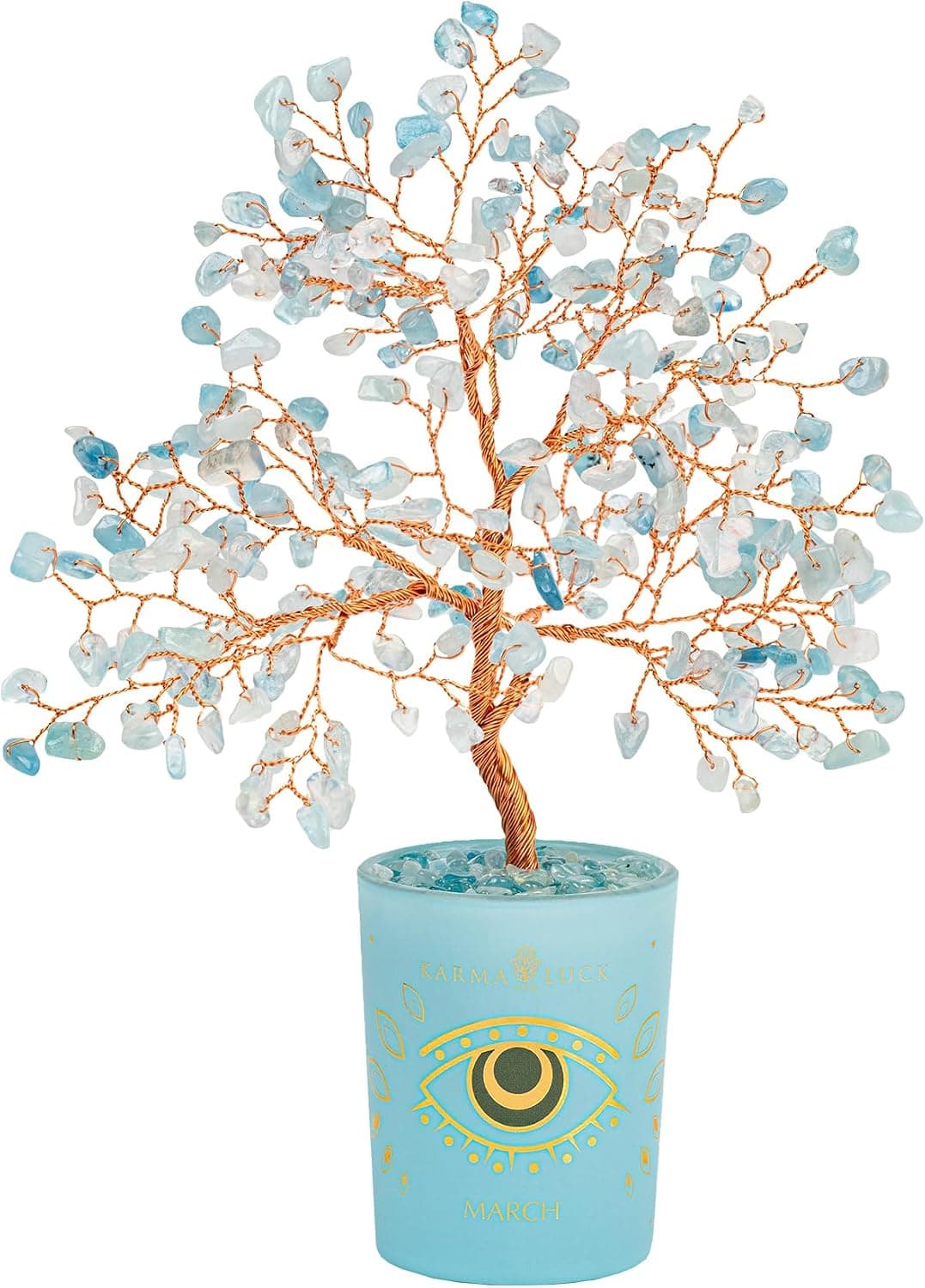 -29%
Karma and Luck March Birthstone Crystal Tree of Life, Aquamarine Gemstone Fen...
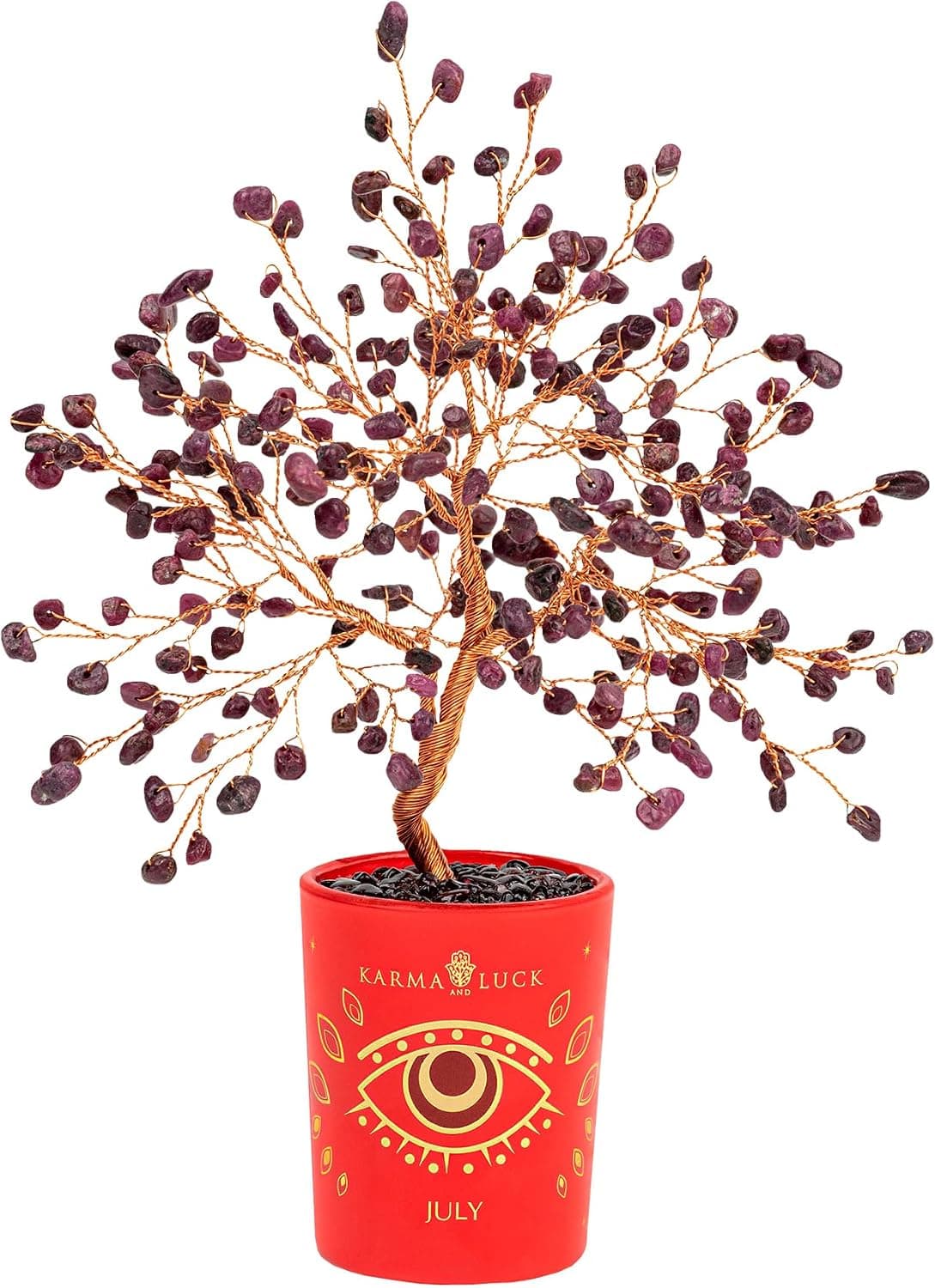 -29%
Karma and Luck July Birthstone Crystal Tree of Life, Ruby Gemstone Feng Shui ...
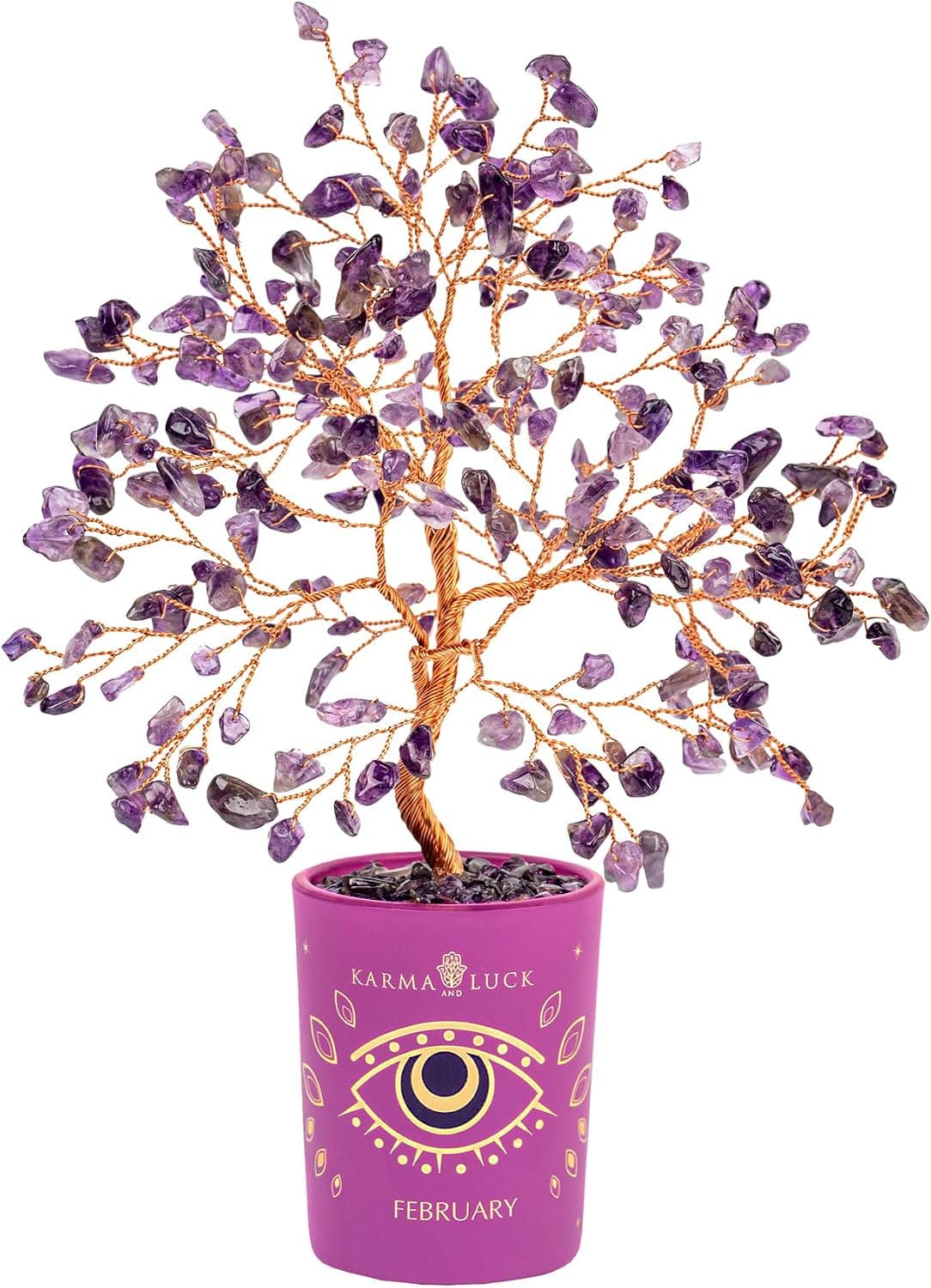 -29%
Karma and Luck February Birthstone Crystal Tree of Life, Amethyst Gemstone Fe...
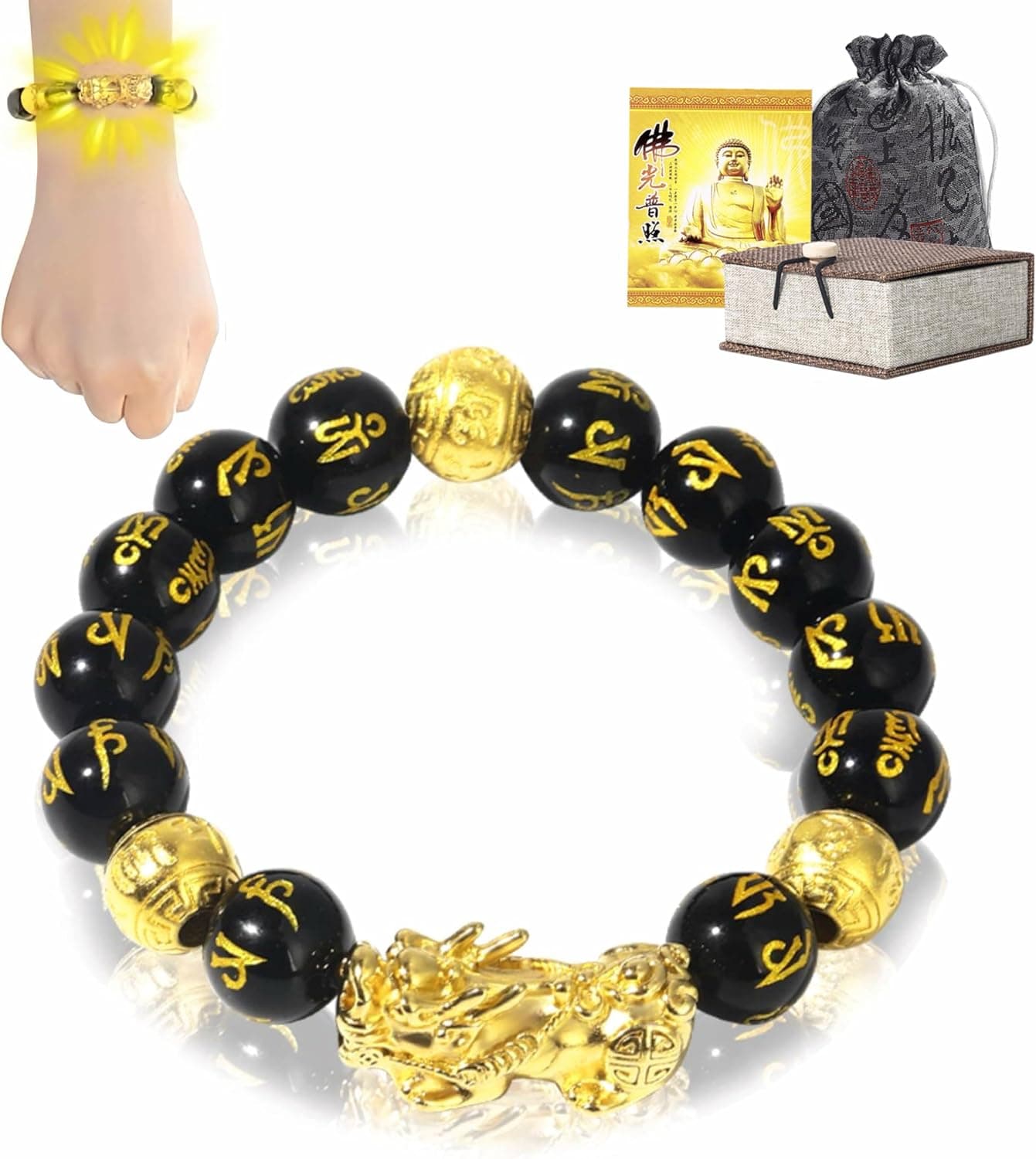 -50%
biuufish Feng Shui Black Obsidian Bracelet for Men Women, 24K Gold Plated Pix...
As an Amazon Associate, we earn from qualifying purchases. We only recommend items our practitioners have personally tested.
Continue Your Journey
Explore these related guides to deepen your understanding:
Ready for Deeper Guidance?
Try our free I Ching reading for personalized wisdom, or explore our curated Feng Shui essentials.