Conventional wisdom on five elements feng shui explained often misses the mark. After years of hands-on practice, a different pattern emerges.
{"title":"The Three-Foot Rule That Changes Five-Element Feng Shui Fast","excerpt":"A doorway can cancel a cure before it ever has a chance to work.","content":"
What Most Guides Overlook About Five Elements Feng Shui Explained
A gap exists between theory and practice when it comes to Five Elements Feng Shui Explained is typically understood. People keep placing objects in the right color, the right element, the right corner, and then wonder why the house still feels tense the moment they step inside. The missing variable is distance. Not symbolism. Distance.
I've seen this in a narrow terrace house in Penang, where a teacher named Elaine put a green plant, a brass bowl, and a red lamp within arm's reach of her front door. The setup looked textbook. Yet every evening she came home, dropped her keys on the dining chair, and felt oddly irritated before she even took off her shoes. The issue was simple: all three cures sat inside the first three feet of entry traffic, where incoming qi had no room to slow, separate, or settle. Instead of balancing the threshold, the items got hit by the same blast of movement as the door itself.
The front entrance acts like a valve. Open the door, and you create pressure, sound, glare, drafts, and motion in one short burst. Put too many element cures there and they don't behave like remedies; they behave like clutter with a philosophy degree. The bagua map helps you find the sector, but <a href="/blog/map guide bagua">mapping a home without overthinking it still fails if you ignore what happens in the first few steps after entry. That is where the mechanism starts.
So the three-foot rule matters because the body reads space before the mind does. You feel whether a threshold is generous or cramped in the second your shoulder passes through it. If the first zone is crowded, the nervous system stays slightly braced. Then you start seeing the rest of the house through that same tension. Wrong.
Three feet is not mystical. It's the buffer that lets incoming movement lose force before it reaches a cure, a mirror, or a plant. In classical terms, it gives qi room to slow down before it enters the main field of the home. In practical terms, it stops shoes, umbrellas, mail, and keys from colliding with the very item you installed to create order.
That is why a front hall can make or break the whole system. The entrance is the intake point. If the intake is noisy, the rest of the mechanism has to compensate.
One more surprise: the wrong setup often looks more "serious" than the right one. People stack cures near the door because they want results now. Big mistake. The doorway punishes haste.
Step One: The Threshold Receives, Then Filters
Start with the door itself. It is not just an opening; it is a control point. On the outside, traffic, weather, and street energy arrive in a rush. On the inside, the house needs a brief pause to process what comes in. That pause is what the first three feet create.
When a remedy sits right on that line, it gets caught in a collision between outside force and inside intention. A red object near the door can stimulate the space too quickly, which sounds useful until you notice the family becomes chatty, restless, and unable to finish a meal without getting up twice. A metal cure placed too close can feel sharp and cold, as if the room is already braced for argument. The body notices before the theory does.
This is why the entry needs a small landing zone even in a tiny flat. A clear runner, a single bowl, a restrained plant, or a light source placed beyond the first step all work better than a cluster shoved into the threshold. If you want a broader structural check, <a href="/blog/front door complete guide feng shui">the front door deserves more than decoration; it needs clearance, sightlines, and a place for the house to exhale.
One sentence can save months of trial and error: let the door breathe first.
Step Two: Each Element Needs the Right Amount of Contact
Fire close to the entrance changes the temperature of the room immediately. That can be useful in a cold, dim foyer, but too much red, too many lights, or too much glossy sheen makes the entry feel hurried. The mind registers haste, and haste turns into distraction. That is why the same lamp that looks welcoming on a magazine page can make a real household feel wired at 9 p.m.
Wood behaves differently. A healthy plant near the door can soften hard edges, especially if the hall opens straight into a long corridor. Still, the plant should not block the path or sit under a drafty vent where the leaves dry out and curl. A struggling plant sends the wrong signal fast. I once saw a dark green pothos in a white ceramic pot placed exactly 18 inches from the threshold; within two weeks, one vine browned, the family stopped using that coat nook, and packages began piling on the bench beside it. The plant did not create the problem, but it mirrored it beautifully.
Earth is steadier. A stone tray, ceramic vessel, or low, rounded object can ground a busy entry, though it needs space around it to feel intentional rather than abandoned. Metal clarifies, sharpens, and separates, which helps when the doorway feels messy, but metal too close to traffic can become severe. Water, by contrast, wants room. Near the door, it can feel like too much flow before the house has decided where to send it. No element behaves well when it is forced to work in a choke point.
That is the mechanism most people miss. They ask which element belongs by the door, when the more accurate question is how much contact the door should have with that element before the room itself takes over. The answer is usually less than you think.
Step Three: Proximity Changes Psychology Before It Changes Qi
The human brain does not separate energy from environment as neatly as books do. A crowded entry tells you there is no margin. A clear entry tells you there is margin. That difference becomes behavior, and behavior becomes fate in a house. Shoes get put away. Mail gets sorted. Arguments soften because nobody feels ambushed by the room.
Place a symbolic cure too close to the entrance, and it becomes background noise. Place it three to six feet deeper into the home, and it starts participating in the room instead of fighting the door. The change is subtle, which is exactly why people doubt it. They expect drama. They get relief.
There is a reason an open sightline can feel calmer than a crowded display. The eyes want a place to land. The body wants to know where to go next. If the first thing you see is a jumble of objects jammed near the jamb, your attention fractures. If the first thing you see is a clean axis, a single lamp, or a low console with one grounded object, the whole house seems more intelligible.
That intelligibility matters. It is what lets the entrance do its job without shouting. The best doorway does not announce itself. It receives, sorts, and releases.
And yes, the bagua matters here too. <a href="/blog/understanding-Bagua Map">Most bagua maps get hung backwards, which means people often decorate the wrong zone and then blame the cure when the real issue is placement geometry. Even a perfect element choice fails when the entry zone is misread.
Step Four: The Main Entrance Sets the Pattern for the Whole House
Walk through a home and notice what the first few steps feel like. If the entrance is cramped, you usually find more bottlenecks deeper in: a dining chair pulled half out, a bedroom door that sticks, a bathroom that never quite feels aired out. The pattern starts at the threshold because that is where the house learns how movement behaves.
That is why the three-foot rule is not a style preference. It is a system check. It tells you whether the home has enough slack to absorb change. Families with children feel this sharply. So do people who work from home. A front hall that has to handle backpacks, groceries, umbrellas, and shoes cannot also serve as a shrine to every element at once.
Consider a small apartment in Brooklyn. The entry opened directly into the kitchen, and the owner had hung a faceted crystal just inside the door beside a knife strip and a white shoe rack. Pretty arrangement. Terrible mechanics. Every time the door slammed, the crystal flashed light onto the knives, the shoes collected dust, and the owner began to feel jumpy in the evenings. Moving the crystal eight feet inward, away from the direct line of entry, changed the feel of the apartment within days. The kitchen still needed attention, but the doorway stopped acting like a collision zone. <a href="/blog/knives feng shui">Kitchen knives carry more energy than you'd think, and when they share a cramped threshold with reflective objects, the whole entry gets edgy.
People often think the cure failed. Usually, it was drowning in the wrong conditions.
Where to Adjust, and Where Not To
Not every front entrance needs the same remedy. A dark hall with no natural light may need a soft lamp placed beyond the first step, while a bright, overactive entry may need matte surfaces, a closed shoe cabinet, and one quiet object instead of three. A long corridor leading straight to the back door usually needs a buffer so qi does not shoot through the house like water through a pipe. A tiny foyer with no room for furniture may need the most ruthless editing of all.
Leave the threshold clear. That rule does more work than most expensive cures. If you need a plant, give it a little breathing room. If you want a crystal, place it where it can collect and refract without being knocked, flashed, or ignored. If metal is your answer, let it sit far enough from the opening that it feels deliberate rather than defensive. If fire is the issue, soften it so it warms the space without turning the entry into a starting gun.
And do not assume symmetry automatically equals harmony. Two identical vases crowded on either side of a door can look balanced while still making the passage feel narrow. The eye likes symmetry. The body prefers ease.
One more thing: the deeper rooms matter too. A front hall that works but a bedroom that is cluttered can still leave you tired. For sleep and relationship pressure, <a href="/blog/bedroom guide feng shui">turning a bedroom into a sanctuary demands a different kind of filtering than the entrance does. The mechanism changes by room.
What Happens When People Ignore the Buffer
They usually overcorrect. First they add an object. Then another. Then a third. The hall starts to look curated, but the day gets more fragmented. Keys go missing. Shoes land by the sofa. The dog refuses to pause at the door. Nobody sits in the entry anymore because the space feels busy, not welcoming. The cure becomes scenery.
That is why the most elegant fix is often subtraction, not addition. Remove what blocks the first three feet. Then ask whether one item earns its place by actually helping the transition from outside to inside. The answer reveals itself quickly. If the room feels like it wants to pause, the placement is right. If it feels like it wants to hurry, it isn't.
Some readers expect a dramatic ritual. What they get instead is a hallway that stops arguing with the rest of the home.
Quick Start: Test the Entry Like an Engineer
Stand outside the door and look in. Can you see a clear landing zone, or does the eye hit objects immediately?
Open the door slowly and watch the first three feet. That space should absorb motion, not amplify it.
Then check what each item is doing. Does the plant soften, does the lamp warm, does the bowl collect, or does the arrangement merely occupy square footage?
Finally, walk through with a bag in one hand and keys in the other. If you have to stop, pivot, or dodge, the threshold is already too busy.
The weird part is how quickly the house tells on itself once you stop treating the entrance like a display shelf. It starts to reveal whether the energy can enter, slow down, and find a path deeper inside—or whether it keeps getting rebuffed at the door.
Related Rooms, Related Mechanisms
Threshold work does not stop at the front entrance. The same logic shows up in the living room, where the center carries more weight than the corners and people often overdecorate the edges instead of the core. If the main seating area feels scattered, <a href="/blog/living room feng shui">the center rules the room long before any accessory does.
Bedrooms follow a quieter version of the same principle. A room that cannot filter input will keep you alert, and alertness at night becomes insomnia by another name. Even the wrong color at the wrong wall can push the system into overdrive, which is why <a href="/blog/bedroom colors feng shui">the bedroom colors that quiet the mind matter more than trendy palettes.
Money corners, plants, crystals, and mirrors all obey the same basic rule: place the object where it can work without being assaulted by traffic. If you want a deeper example, <a href="/blog/wealth corner complete guide feng shui">the wealth area behaves better with structure than with noise. The entrance teaches that lesson first.
And if you want to know why a home can look finished yet still feel off, the answer often sits in the missing relationship between elements rather than in any one object. That is where <a href="/blog/theory why your still five elements feels off even when you did everyt feng shui">five elements theory explains the mismatch better than surface-level advice ever will.
FAQ
Is conventional Five Elements Feng Shui Explained advice reliable?
Often not on its own. The problem is that advice usually names the right element but ignores the doorway mechanics, so the cure gets placed in the most chaotic zone of the home and never has room to settle.
Does the three-foot rule apply to every apartment?
Smaller spaces need it even more, because the first few feet are doing double duty. In a studio or tight foyer, one misplaced object can dominate the whole entry and create that trapped feeling people blame on the rest of the house.
Can I keep a mirror near the front door?
Only if the reflection does not fling movement straight back out or capture a cluttered slice of the hall. A mirror that multiplies shoes, coats, or a cramped corridor tends to sharpen the wrong things.
What if my entrance is tiny and I cannot move anything?
Then edit harder. One item, not four. A clear path, no floor pile, and one well-chosen object beyond the direct blast of the door will outperform a crowded arrangement every time.
Why do some cures seem to work in one home and fail in another?
Because the house determines the container. A brass bowl in a quiet foyer can feel grounded, while the same bowl beside a slammed door and a shoe rack can feel like an obstacle waiting to happen.
Should I fix the front entrance before anything else?
If the entry feels tense, yes. The threshold sets the tone for every room that follows, and a good interior often begins with a door that finally knows how to receive you.
Sometimes the whole house changes after one object moves eight inches. Sometimes you only notice the silence after the keys stop landing on the same chair every night.
","meta_title":"Three-Foot Front Door Rule | IChingWisdom","meta_description":"explained five elements feng shui through the three-foot doorway rule: why entry distance changes how cures actually work.","keywords":["explained five elements feng shui","front door feng shui","five elements theory","bagua map","entryway feng shui"],"schema_json":{"faq":[{"question":"Is conventional Five Elements Feng Shui Explained advice reliable?","answer":"Often not on its own. The problem is that advice usually names the right element but ignores the doorway mechanics, so the cure gets placed in the most chaotic zone of the home and never has room to settle."},{"question":"Does the three-foot rule apply to every apartment?","answer":"Smaller spaces need it even more, because the first few feet are doing double duty. In a studio or tight foyer, one misplaced object can dominate the whole entry and create that trapped feeling people blame on the rest of the house."},{"question":"Can I keep a mirror near the front door?","answer":"Only if the reflection does not fling movement straight back out or capture a cluttered slice of the hall. A mirror that multiplies shoes, coats, or a cramped corridor tends to sharpen the wrong things."},{"question":"What if my entrance is tiny and I cannot move anything?","answer":"Then edit harder. One item, not four. A clear path, no floor pile, and one well-chosen object beyond the direct blast of the door will outperform a crowded arrangement every time."},{"question":"Why do some cures seem to work in one home and fail in another?","answer":"Because the house determines the container. A brass bowl in a quiet foyer can feel grounded, while the same bowl beside a slammed door and a shoe rack can feel like an obstacle waiting to happen."},{"question":"Should I fix the front entrance before anything else?","answer":"If the entry feels tense, yes. The threshold sets the tone for every room that follows, and a good interior often begins with a door that finally knows how to receive you."}],"amazon_products":[]}Mei Chen
Traditionally informed guidance • Cross-referenced with classical Chinese source texts
Rooted in classical Chinese metaphysics and cross-referenced with original texts. Product recommendations are based on traditional symbolism, not guaranteed outcomes.
Practitioner-Selected Tools for This Topic
Items our team has tested and found effective for the principles discussed above. Individual results may vary.
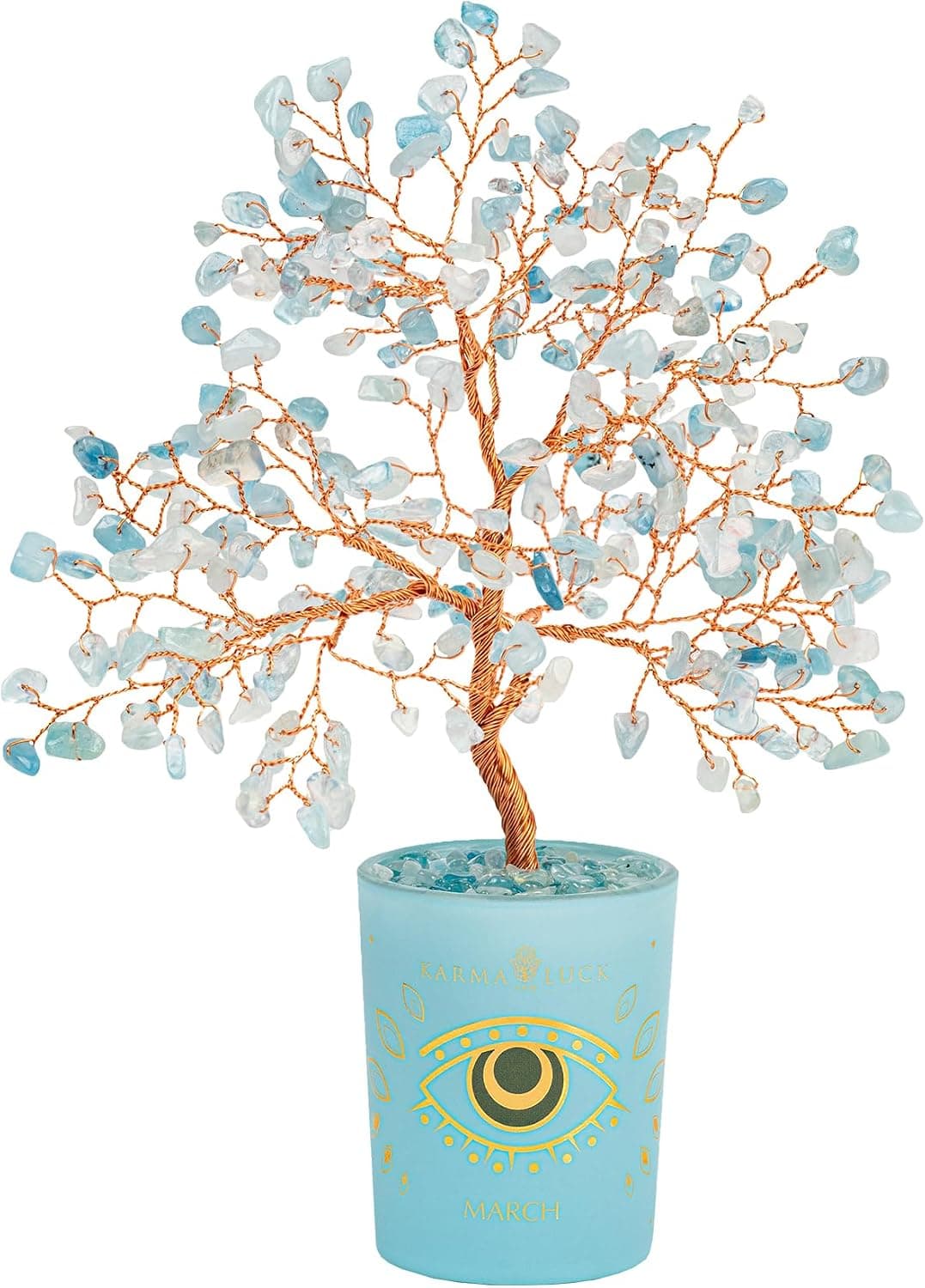 -29%
-29%Karma and Luck March Birthstone Crystal Tree of Life, Aquamarine Gemstone Fen...
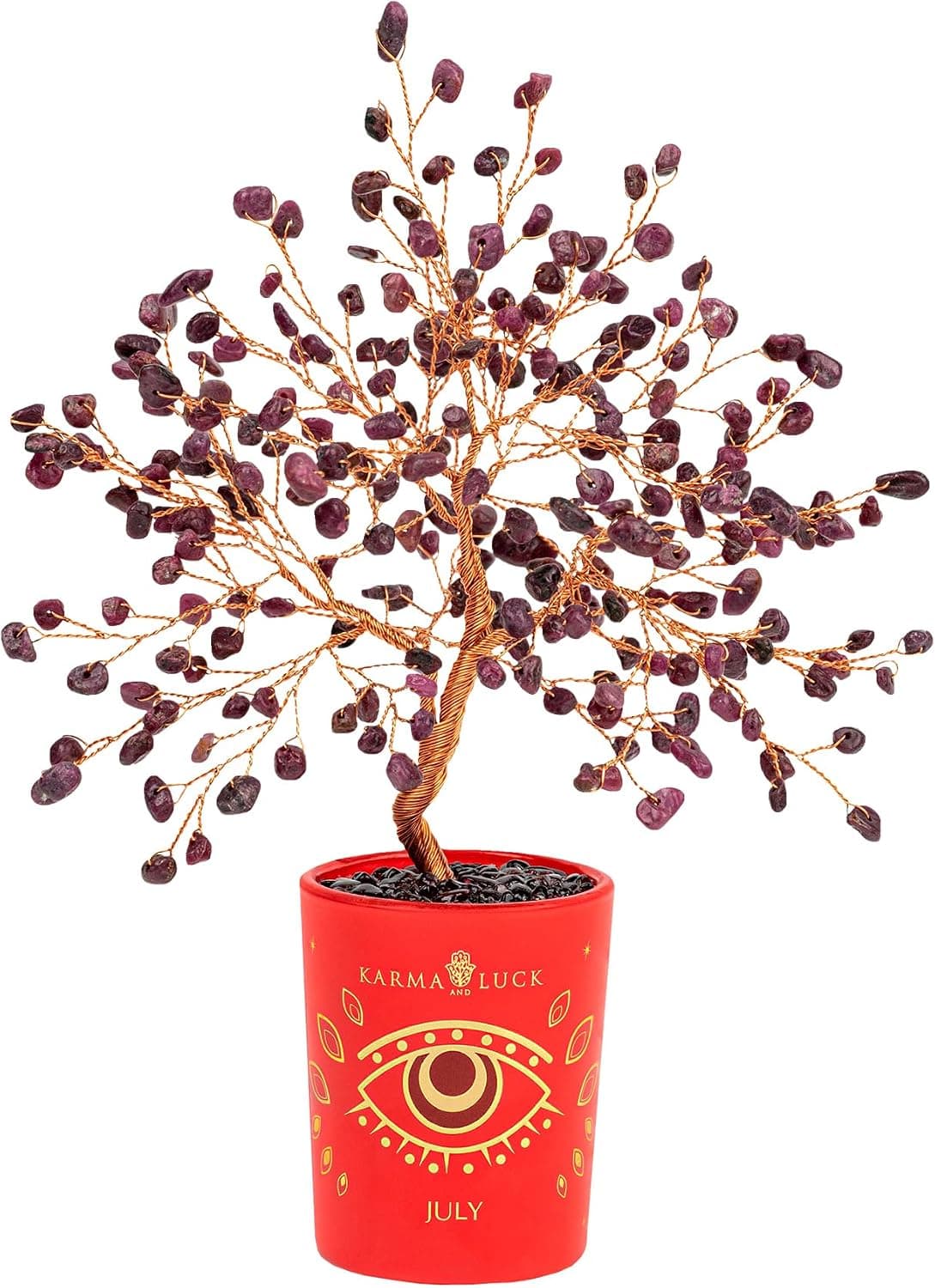 -29%
-29%Karma and Luck July Birthstone Crystal Tree of Life, Ruby Gemstone Feng Shui ...
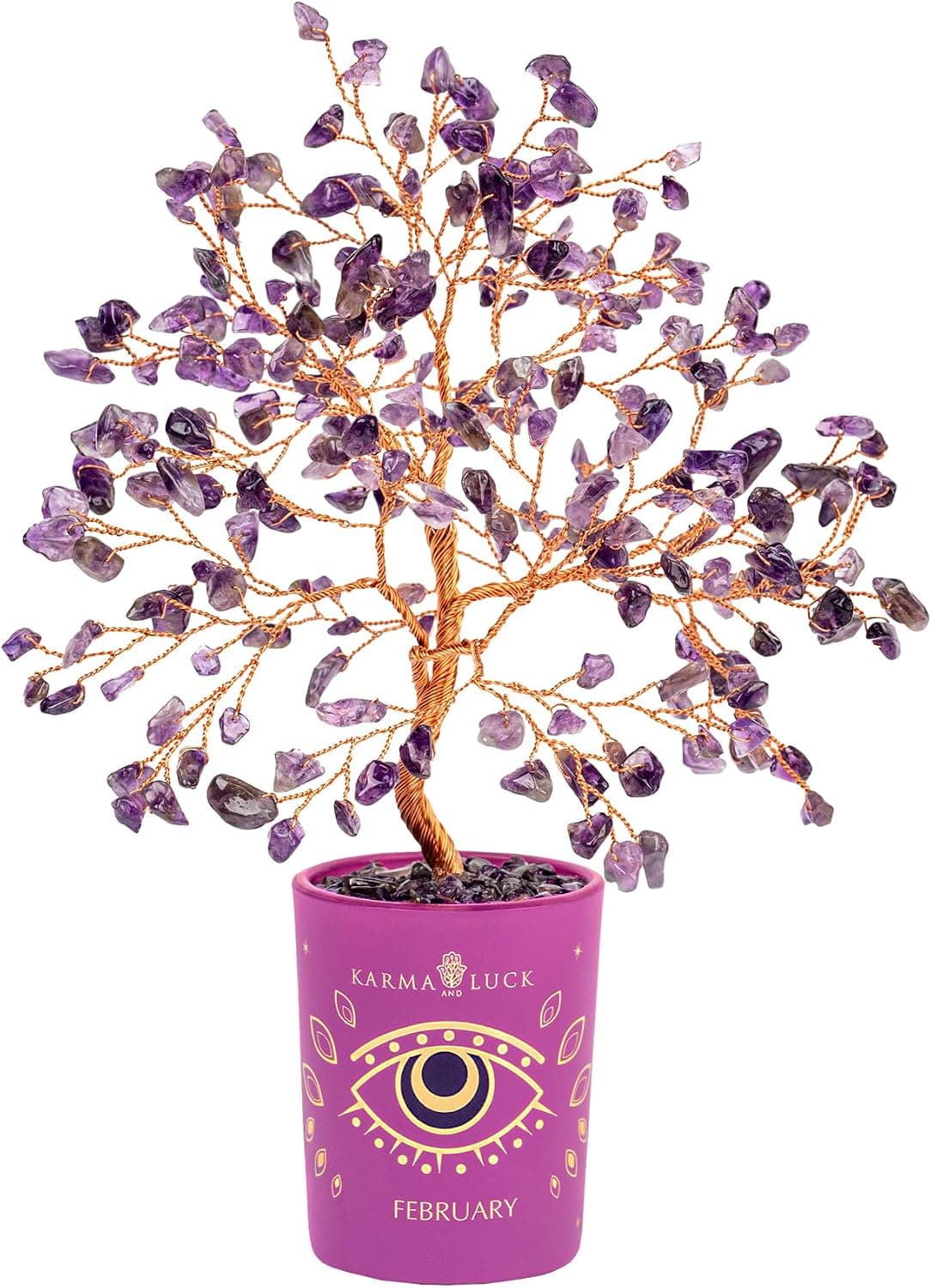 -29%
-29%Karma and Luck February Birthstone Crystal Tree of Life, Amethyst Gemstone Fe...
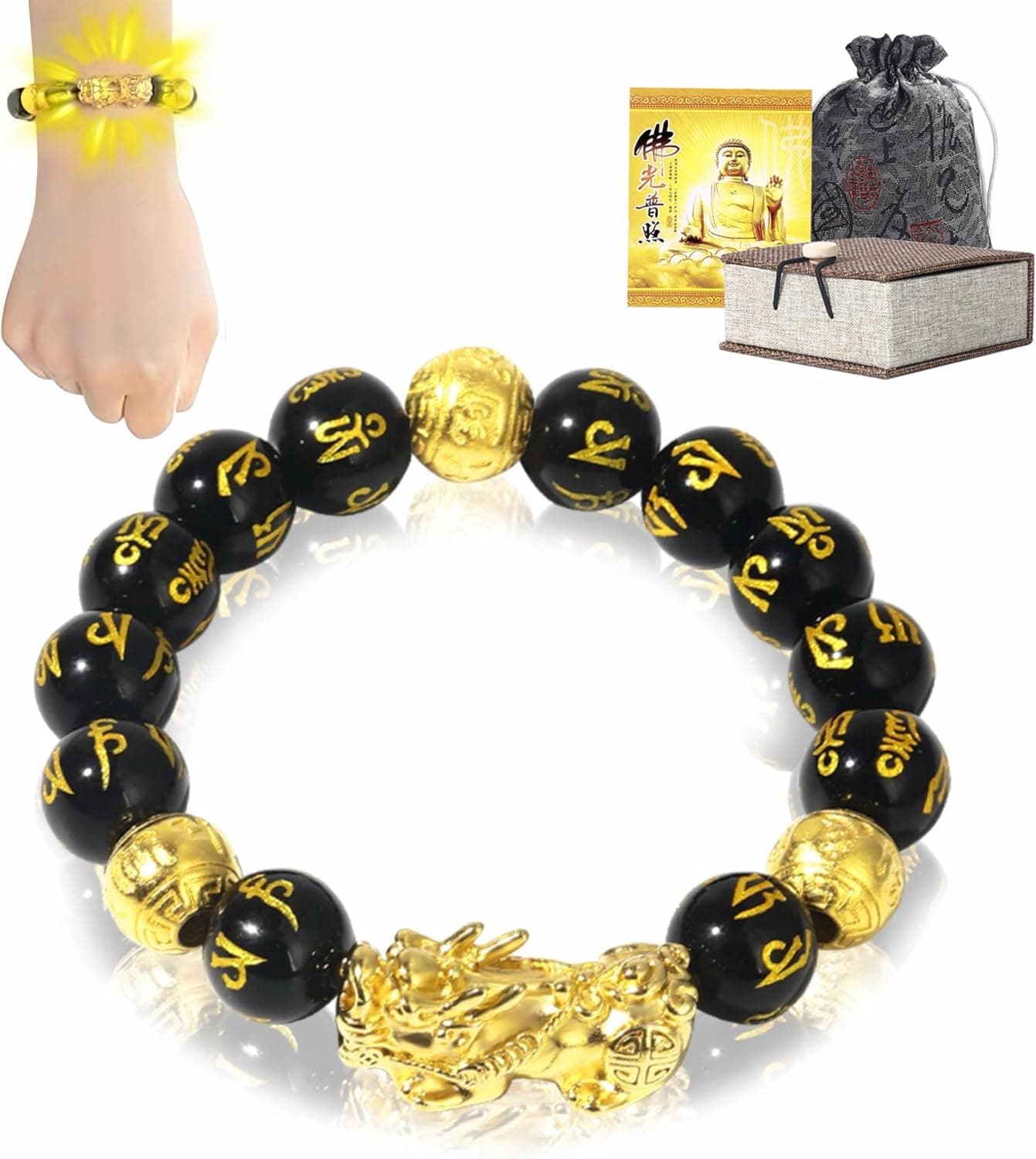 -50%
-50%biuufish Feng Shui Black Obsidian Bracelet for Men Women, 24K Gold Plated Pix...
As an Amazon Associate, we earn from qualifying purchases. We only recommend items our practitioners have personally tested.
Continue Your Journey
Explore these related guides to deepen your understanding:
Ready for Deeper Guidance?
Try our free I Ching reading for personalized wisdom, or explore our curated Feng Shui essentials.