That dead corner by the hallway may matter more than the shiny money spot everyone decorates.
The Real Story Behind Feng Shui Wealth-corner-complete-guide
The conventional thinking on Feng Shui Wealth-corner-complete-guide has a fundamental flaw. I noticed it in a narrow apartment in Portland, where the owner had placed a jade plant, a purple bowl, and three coins in the far left corner of the living room, exactly as the internet instructed. The room still felt tense. Mail stacked on the sideboard. A laptop bag lived on the floor. The plant leaned toward the window like it wanted out.
Then I looked past the obvious corner and saw the real candidate: a recessed alcove beside the dining room, one step in from the main traffic line, painted a softened green and holding a low cabinet that people naturally slowed down near. That space had depth. It also had pause. Wealth cures need room to collect, not just a label slapped onto the furthest diagonal point. Big difference.
Most advice treats the wealth area as a target on a map. Useful? Sometimes. Complete? Not even close. In homes with awkward layouts, the so-called corner can be a drafty triangle beside the entry, a bathroom wall, or the back of a sofa that nobody notices twice. An alcove, by contrast, behaves like a pocket. It gathers attention, holds objects without shouting, and gives the eye a place to settle. That matters because the mind follows what the room repeats.
I've seen dozens of homes where the recessed niche did more than the textbook corner ever could. If you want the full spatial logic behind mapping, start with how to map energy in your home without overthinking it, then check whether the area you were calling "wealth" is actually the place your body keeps circling. And if the room feels flat no matter what you place there, Five Elements Theory explains why good feng shui still feels wrong better than most quick fixes.
An alcove works because it slows movement. It creates a moment of inwardness, which is exactly what scattered financial intentions lack. A corner that gets clipped by shoes, backpacks, and snack wrappers turns into a dumping ground. A recessed space that you can actually see and respect becomes a cue. Cue leads to behavior. Behavior leads to results. The room is always teaching you something, whether you asked or not.
How the alcove changes the conversation
In that Portland apartment, I asked the owner to remove the jade plant from the draft and set a brass dish with a single round stone inside the alcove instead. Not because brass is magical. Because the cabinet sat 28 inches off the floor, just under eye level when standing, and the wall behind it was solid enough to feel like a back. The difference showed up in tiny ways first: she stopped dropping keys on the counter, stopped using the dining chair as a coat rack, and finally opened the invoices that had been sitting untouched for a week.
That is how these things usually work. Not with fireworks. With friction disappearing. A recessed niche can support wealth intention when it is clean, visible, and slightly protected from the chaos of the room. A flat corner that faces a hallway blast does the opposite; it gets hit, overlooked, and used as a storage graveyard. The body reads that message long before the conscious mind does.
Placement matters, but not in the cartoonish way people expect. A deeper alcove near the southeast side of a home can be ideal, yet a modest recess in the north half of an apartment can still outperform a theoretical corner if it is calm, lit, and easy to access. That is why I prefer to study the actual room before I touch the cure. Plans are useful. Floorboards are honest.
For readers who want the mechanics of placement and object choice, the deeper note on where a crystal ball actually works can help you decide whether glass, metal, wood, or earth objects make sense in your niche. And if you are unsure whether your living area itself is too scattered to hold a money focus, the center rules the room in ways that surprise people who obsess over far-off corners.
One more thing: recessed spaces should not be overfilled. A shrine packed with frogs, coins, lights, and ribbons looks enthusiastic but feels nervous. Wrong. Choose one clear purpose and let the alcove breathe. When a space is already holding its shape for you, stuffing it only makes it lose the very quality you were trying to capture.
What to place, and what to leave alone
Some rooms want a plant. Others want metal. Others want nothing but clean walls and a single bowl. In a small study with a dark walnut desk and a cream rug, I used a slim ceramic vase with one stem of lucky bamboo in the recess near the east wall. In a quieter dining nook, a square tray of polished coins made more sense because the cabinetry was already heavy and the room needed a sharper, more grounded signal. The object should match the architecture, not fight it.
Ask a better question than "What cure is best?" Ask, "What kind of pause does this space already create?" If the alcove feels soft and enclosing, a healthy plant or a rounded crystal may reinforce that feeling. If it feels dense or visually heavy, a reflective metal piece can lighten the mood without turning the area into a shrine shop. The right object should make you slow down without making you squint.
Common mistakes show up fast. People place wealth items on the floor, where they collect dust and become part of the cleaning burden. They choose the darkest recess in the house and then wonder why the money intention feels hidden. They hang red tassels in a space that already feels cramped, which only adds visual noise. A wealth area should invite care, not obligation.
For the home owner who wants to avoid the classic traps around objects and symbolism, money corner mistakes that quietly undo the setup will save a lot of guesswork. And if the issue is less about objects and more about the room's temperament, your apartment may have too much yang energy is the conversation to have before you decorate another shelf.
There is also a practical rule people ignore because it sounds too ordinary: the recess must be maintained. A dusty ledge tells the nervous system that abundance is one more chore. A clear ledge says, "This matters." That's the real function of a well-chosen alcove. It trains attention.
When the wrong corner makes everything feel harder
One client in a cedar-sided house in Asheville had followed every online instruction with unusual faith. She bought a laughing Buddha, a citrine cluster, red string, and a metal bowl with Chinese coins. She put the whole arrangement in a sliver of space behind a door that banged open all day. Within two weeks, she told me she felt more anxious, not less. The setup had become another thing to monitor, another fragile object in a high-traffic collision zone.
That is the hidden cost of bad placement: vigilance. You keep checking whether something has shifted, whether the dog bumped it, whether the light still hits it. Wealth cures should reduce mental noise, not create it. A deep recess on a quieter wall can absorb attention in a way that a sharp corner cannot. The room stops arguing with you.
Sometimes the better answer is to leave the traditional corner empty and make the alcove the real anchor. Sometimes the alcove is not even decorative; it becomes the place where invoices, savings statements, or a jar for spare change live with dignity instead of clutter. Practical symbolism tends to outlast fancy symbolism. People hate hearing that. They also love the results when they finally admit it.
For those building from a broader system, the alcove advantage that changes a front door fast is useful because entry flow often decides whether a home can hold wealth calmly at all. And if you are working with a house that has awkward architectural breaks, the notes on most bagua maps get hung backwards will keep you from blaming the wrong wall.
Let the space do less, not more. A single lamp, a low dish, or a plant in a simple pot can carry the intention if the alcove itself feels stable. If the object becomes the whole story, the room starts performing instead of supporting. That is where people lose the thread.
Quick start for finding the right recess
Look for a space that naturally slows your body. You will feel it before you can justify it. Stand in the room and notice where your shoulders loosen, where your eyes stop skimming, where you could imagine leaving something of value without immediately forgetting it. That is the candidate.
Measure the light. Watch the traffic. Check whether shoes, coats, pet bowls, or charging cables already invade the area. If they do, you are not looking at a wealth niche yet; you are looking at a logistics problem. Clean that up first or choose another recess.
A good alcove usually has a back, a boundary, and a little privacy from the room's busiest line. It does not have to be large. It does have to be respected. The space should feel like it can hold a thought.
How I decide whether an alcove beats the classic wealth corner
I compare three things. First, does the recessed space receive steady, gentle attention rather than accidental attention? Second, can I place one object there without squeezing it? Third, does the area feel like it belongs to the room instead of being an afterthought? If the answer is yes, I trust the recess more than the textbook diagonal.
In practice, that means a small nook beside a bookshelf can outperform a grand but exposed corner near a sliding door. A shallow indentation by a hallway can beat a dramatic far corner that always collects stray umbrellas. Homes are not diagrams. They are habits with walls.
The deep lesson here is simple enough to annoy people: the best wealth location is often the one that supports consistent noticing. A lot of remedies fail because they are placed where nobody truly sees them. If a cure cannot enter the daily rhythm of a room, it remains a wish dressed as decor.
For more on choosing objects that suit the recess itself, the alcove advantage article on crystal balls gives a useful model of how enclosed edges change the way a piece behaves. You can also compare that with the feng shui book that actually belongs on your shelf if you want a grounded reference for building a home practice that does not rely on guesswork.
And yes, sometimes the classic corner still matters. But a corner is only one candidate. The alcove often wins because it is already doing the psychological work of containment. That is why the money cure finally feels believable there.
Common mistakes that look sensible at first
People love symmetry, so they put identical objects on both sides of a recess and wonder why it feels stiff. They chase color formulas without noticing that the wall paint is already doing the heavy lifting. They assume a dark nook needs more and more symbols, when often it needs a lamp and a little restraint. More is not better. Never has been.
Another trap: choosing a space that is technically southeast according to the bagua but practically useless because it is hidden behind a door that never stays open. The room does not care about your spreadsheet. It cares about flow, sightline, and use. That is why some placements fail even when they look correct on paper.
One especially common error is treating the wealth area like a storage shelf. Receipts, obsolete chargers, old candles, and random mail creep in. The niche becomes an archive of avoidance. Then people blame the bagua instead of the trash.
The fix is never mystical. It is often behavioral. Clear the objects that do not belong, choose one supportive piece, and keep the area in use. A wealth alcove is less like a display case and more like a conversation with the room.
Why this works on the mind before it ever touches money
Rooms train expectation. A tidy recess changes the way you approach bills, plans, and purchases because it gives the eye a small place of order every time you pass. That repeated experience matters more than a dramatic promise. It makes abundance feel handled rather than hoped for.
There is a reason people feel calmer near a library alcove, a softly lit niche in a cafe, or a built-in cabinet with a clear top. Boundaries reduce drag. Drag is what turns financial intention into vague anxiety. Remove the drag, and the next action becomes easier to take.
I've watched students ignore a neat alcove and chase louder remedies instead, then return months later asking why nothing stuck. The answer usually lives in the room, not in the theory. The room either welcomes repeated attention or it scatters it.
That is why a recessed space can be more useful than a famous corner. It gives abundance a place to land without making a spectacle of it.
Where this fits inside the larger house pattern
The wealth area never lives alone. It interacts with entry flow, bedroom calm, and the balance of the living room. A loud front door, a restless sleeping space, or a cluttered center can undo a carefully arranged niche faster than people expect. That is why a house often needs several small corrections, not one grand fix.
If your bedroom is working against you, start with turning a bedroom into a sanctuary so your nervous system stops leaking energy overnight. If the room where you spend the most time feels overactive, bedroom rules that affect both sleep and relationships will show you how clutter and placement change the tone of the whole home. Everything is connected. Annoyingly connected.
For a deeper map of element balance, the best companion piece is metal and water decor pairs that make a room feel finished. It helps you decide whether the alcove wants brightness, softness, or something grounded and quiet. When people get that part right, they stop fighting the room and start using it.
The funny thing is that once the alcove is chosen well, it rarely needs much. A small vase, a brass bowl, a healthy plant, or an unadorned shelf can be enough. The absence of noise becomes the point.
FAQ
Is conventional Feng Shui Wealth-corner-complete-guide advice reliable?
Often no, because it assumes every home has a clean, usable corner waiting to be activated. Many rooms have a better candidate hidden in a recessed space, a built-in niche, or a protected wall section where attention naturally settles.
Can an alcove replace the traditional wealth corner entirely?
Sometimes it should. If the classic corner is a hallway blast, a bathroom wall, or a clutter magnet, the alcove usually gives you a steadier result because the space itself supports containment and daily noticing.
What if my alcove is small and awkward?
Small can work beautifully. A narrow recess with one clear object often feels more believable than a wide corner stuffed with symbols, because the eye knows exactly what to do there.
Does the object matter more than the location?
Counterpoint: the location usually decides whether the object even gets a chance. A perfect item in a chaotic spot tends to get ignored, while a simple item in a quiet recess can change how you move through the room.
Should I use red, gold, or green in the recess?
Start with the room, not the catalog. Green suits a space that needs growth and calm, gold works when the alcove already feels stable, and red is often too loud unless the area is unusually subdued.
What tells me I picked the right spot?
You stop forgetting it exists. The space becomes part of your daily visual path, and you feel a slight sense of order when you pass it, even on busy mornings.
Mei Chen
Traditionally informed guidance • Cross-referenced with classical Chinese source texts
Rooted in classical Chinese metaphysics and cross-referenced with original texts. Product recommendations are based on traditional symbolism, not guaranteed outcomes.
Practitioner-Selected Tools for This Topic
Items our team has tested and found effective for the principles discussed above. Individual results may vary.
 -29%
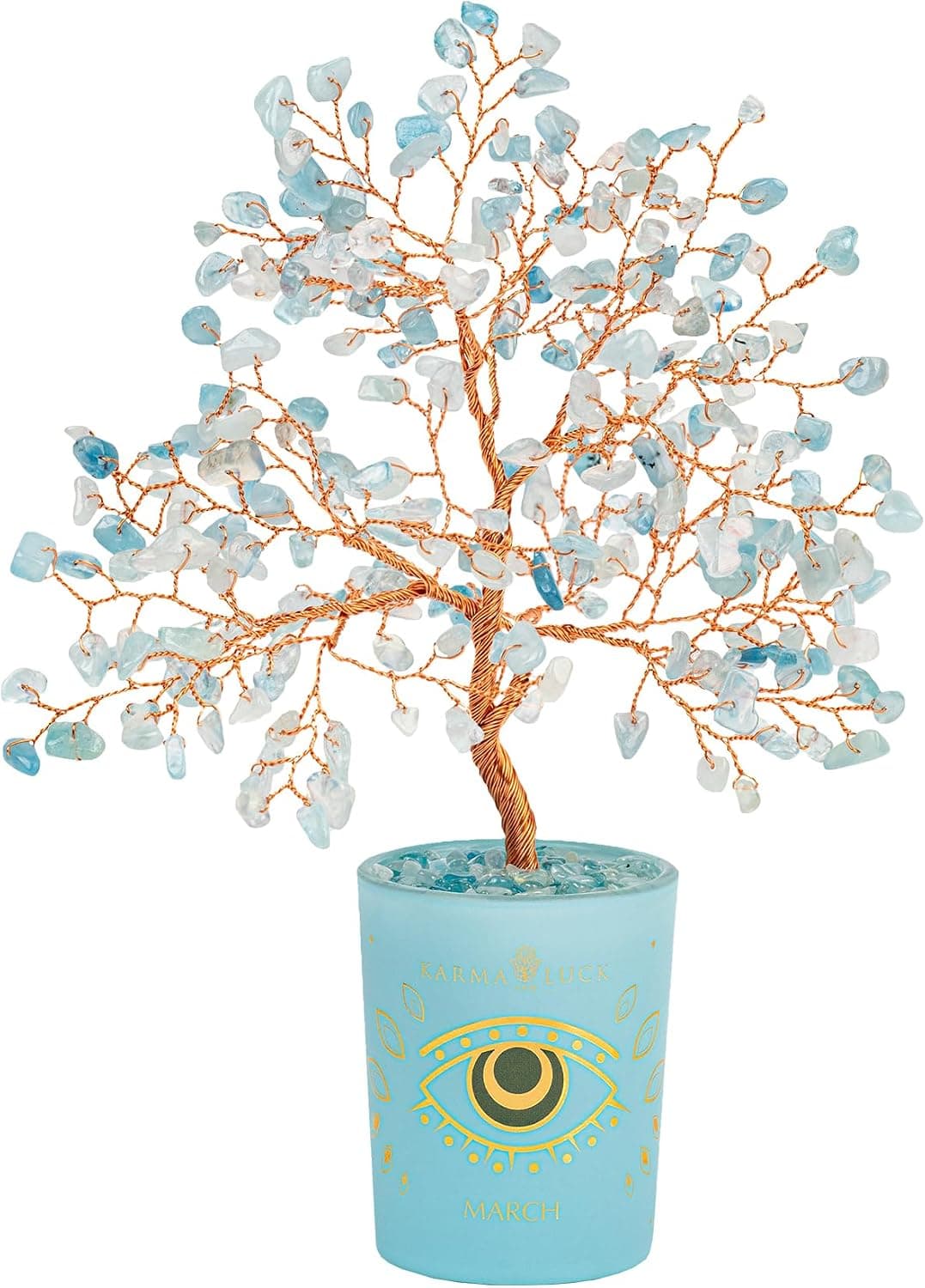
-29%Karma and Luck March Birthstone Crystal Tree of Life, Aquamarine Gemstone Fen...
 -29%
-29%Karma and Luck July Birthstone Crystal Tree of Life, Ruby Gemstone Feng Shui ...
 -29%
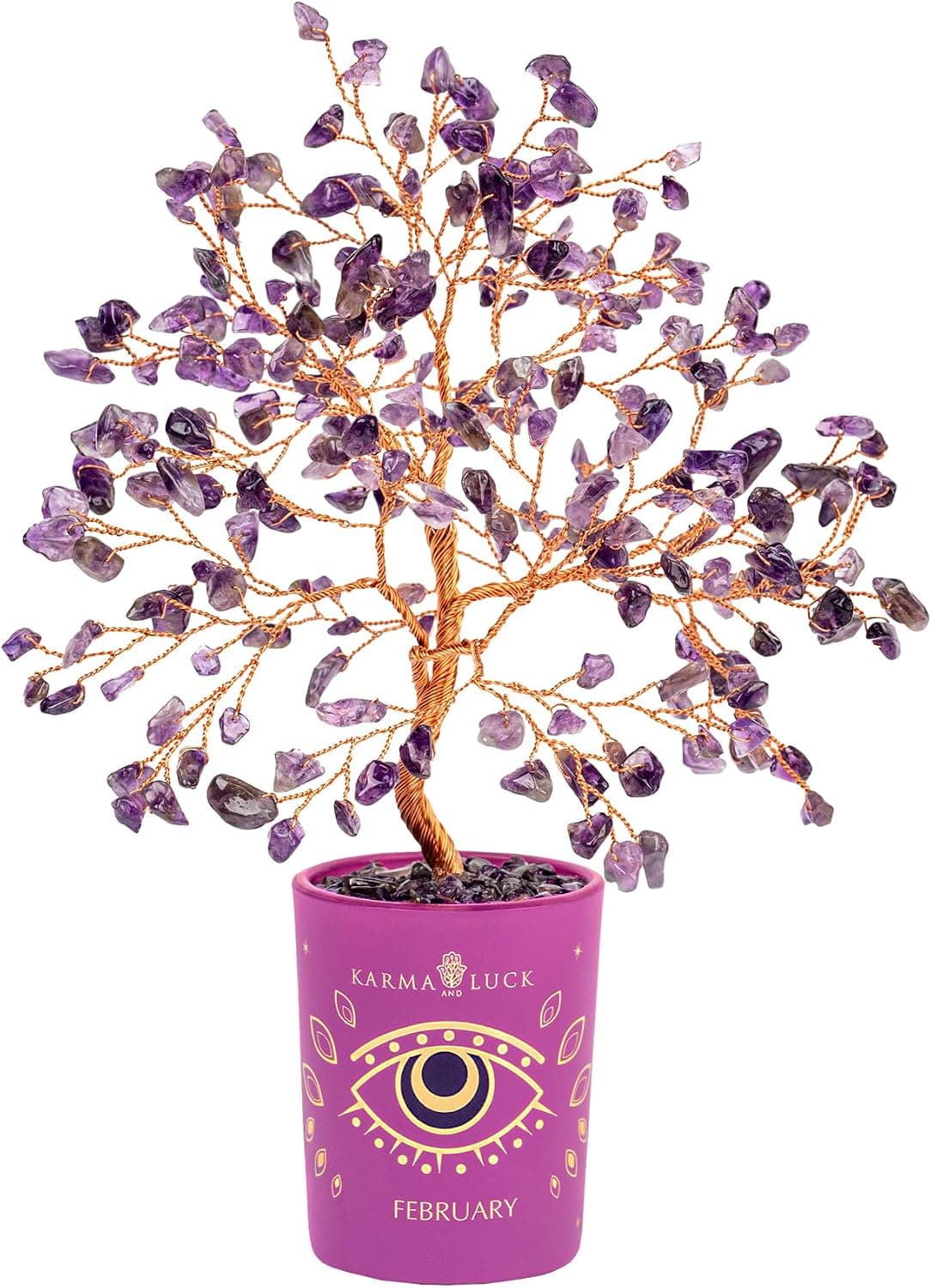
-29%Karma and Luck February Birthstone Crystal Tree of Life, Amethyst Gemstone Fe...
 -50%
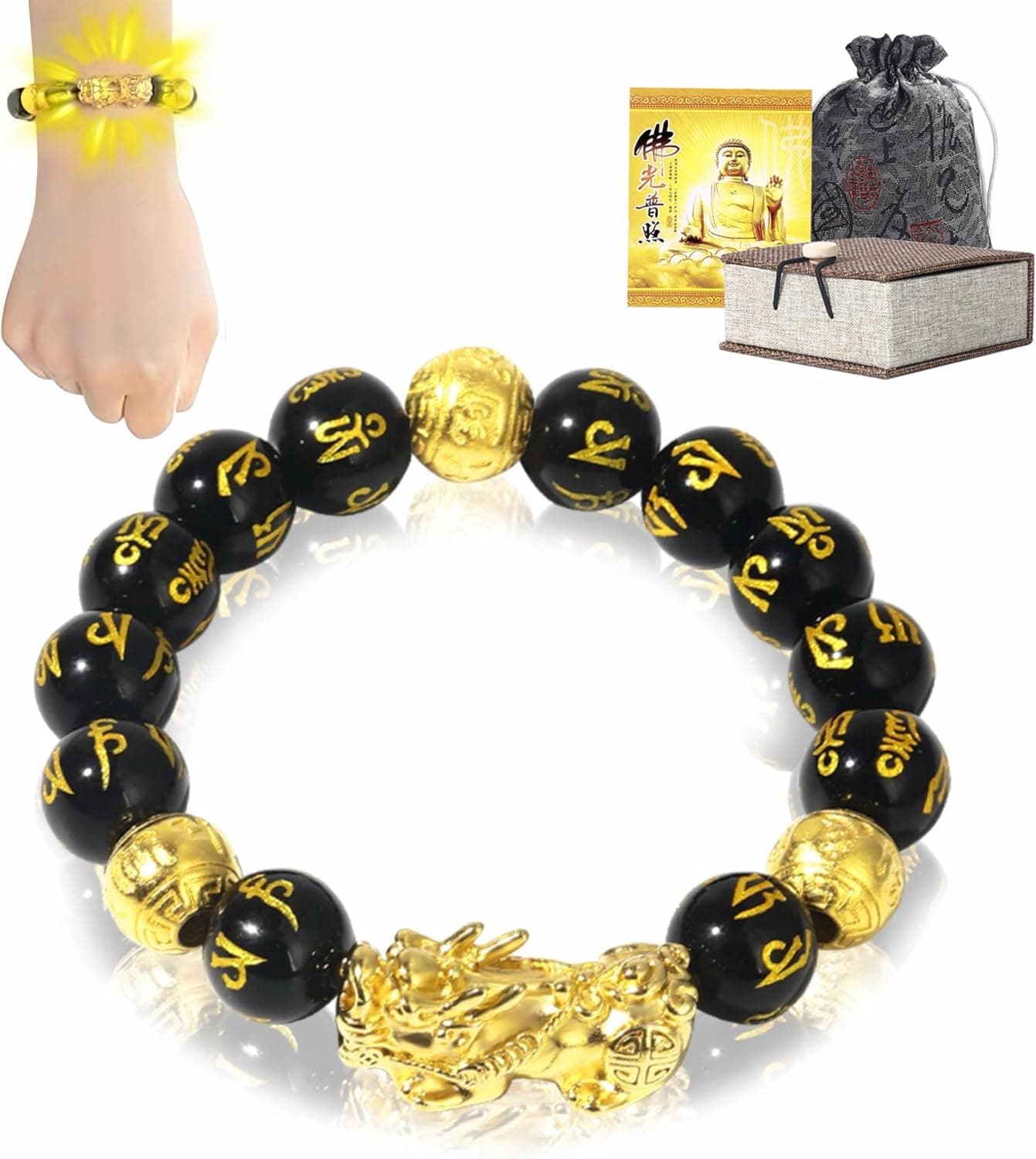
-50%biuufish Feng Shui Black Obsidian Bracelet for Men Women, 24K Gold Plated Pix...
As an Amazon Associate, we earn from qualifying purchases. We only recommend items our practitioners have personally tested.
Continue Your Journey
Explore these related guides to deepen your understanding:
Ready for Deeper Guidance?
Try our free I Ching reading for personalized wisdom, or explore our curated Feng Shui essentials.