A recessed entry can do more than a grand doorway ever will—if you stop treating the space like dead wall.
The Real Story Behind Feng Shui Front Door-complete-guide
Examining Feng Shui Front Door-complete-guide more carefully uncovers details that standard references skip. I kept seeing homes with wide, polished entries and expensive hardware, yet the owner still felt exposed the second they walked in. Then I saw the opposite: a narrow alcove tucked beside the door, barely noticed, doing more for comfort and control than the flashy foyer next door. That was the clue. Not the door alone. The surrounding pocket of space.
People like to talk about the front door as if it were a ceremonial object. Big mistake. A front entrance works through sequence: approach, pause, orient, enter. A recessed nook gives the body a moment to settle before the house opens up. That pause changes behavior. The mail stops landing in a heap. Guests slow down instead of barging straight into the living room. Even the person who lives there feels less ambushed by their own home.
I once walked into a brownstone in Brooklyn where the owner had followed every standard rule she found online. Red mat. Brass plaque. A mirror removed from the entry. Yet the tiny alcove to the right of the door held a bicycle, two umbrellas, and a black recycling bin. The place felt rushed, not welcoming. We cleared the alcove, moved the bin to the basement landing, and set a slim ceramic lamp with a warm white shade on a small walnut table. Within a week she said the entry stopped feeling like a collision. Her teenager even started hanging a coat instead of tossing it over the stair rail.
That is the part most advice misses. Recessed space is not leftover space. It's the buffer that tells qi where to slow down. For a deeper map of how rooms and thresholds relate, compare this with how to map energy in your home without overthinking it and most Bagua maps get hung backwards — here's how to know if yours is wrong. The front door sits at the mouth of the home, but the alcove is often where the real adjustment happens.
Common teaching says to keep the entrance open and bright. Fine. But open does not mean exposed. Bright does not mean flat and empty. A recessed entry can hold a small console, one healthy plant, or a lamp that softens the first step inside. If the space turns into a dumping ground, the energy gets choppy fast. Shoes multiply. Packages pile up. You start avoiding that corner, which is usually the first sign the home has lost its rhythm.
Why the alcove changes everything
The myth comes from focusing on symbolism instead of movement. A grand door suggests status, so people assume it must be better. Yet many grand entries blast energy straight through the hall and into the back of the house. No pause. No containment. Nothing to hold the arrival. A recessed entry does the opposite. It compresses the approach just enough to create a boundary, then releases you into the interior at a calmer pace.
That is why alcoves often outperform bigger foyers. They gather attention without shouting. A small framed print, a matte-finished bowl for keys, or a low lamp with amber light can make the recess feel intentional rather than forgotten. I have seen a pale blue alcove in a San Diego apartment transform after one change: the owner replaced a tall mirror with a round brass tray and a live pothos on the left side. Her words, not mine: “The apartment finally stopped feeling like a hallway with furniture.”
The mechanism is simple enough to observe. People behave differently in places that give them a threshold. They set things down with more care. They speak more quietly. They stop sprinting from street to sofa. That matters because the home receives the person before the person receives the home. If the first contact is clutter, glare, or noise, the whole place starts with friction.
For readers who want to see how this connects to the rest of the interior, the center rules the room. Corners only pretend to matter. matters because a messy entry often spills straight into the social heart of the home. And if sleep keeps drifting off track, turning a bedroom into a sanctuary requires less than you'd think shows how that same principle of containment continues deeper inside.
So don't ask whether the front door is “lucky” enough on its own. Ask whether the space around it gives the home a usable threshold. That question changes the whole project.
What to do with a recessed entry
Start by removing anything that makes the alcove feel like storage overflow. Umbrellas are fine if they have a proper stand. Shoes are fine if there are only a few pairs and they live in a closed cabinet. Random deliveries, broken strollers, and bags from last Thursday? Gone. The alcove should feel like an arrival point, not a waiting room for clutter.
Then give the recess one job. One. A console with a lamp. A bench under a coat hook. A plant in a weighted pot. Too many objects crowd the cavity and cancel the very effect you're trying to create. The eye needs a clean path from the door to the first interior landmark. If that path breaks, the whole entry starts to feel hesitant.
Color matters more than people expect. Dark paint inside a shallow alcove can make the opening feel like a hole, especially if the hallway is already narrow. Soft clay, muted stone, or a warm off-white usually work better because they catch light without flattening the space. In a condo entry painted charcoal, I once saw the owner add a linen-shaded sconce and replace a black bench with oak. The air changed. Not mystical. Just easier to breathe in.
Direction helps too, though it is not the only thing. A north-facing front can feel cool and thin, so a wood surface, warmer light, and a little texture stop the entry from feeling sterile. A south-facing entry may already carry plenty of brightness, so the alcove needs more softness than shine. For readers who use the compass side of the practice, reading a feng shui compass wrong is more common than you'd think can save you from building the whole setup on a shaky measurement.
Here is the part people resist: the alcove may need less decoration than you want to give it. That disappoints the “more cures, more luck” crowd. But a crowded threshold makes the brain work harder. A calm threshold invites movement. Those are not the same thing.
When common front-door advice backfires
Follow every rule blindly and you can still wreck the entry. I have seen a mirror placed directly opposite the door in a small vestibule, bouncing every arrival back out of the home. The owner said it looked “balanced.” It also made visitors feel checked, not welcomed. She started noticing people stepping in, glancing around once, and leaving coats on the chair instead of the hook. The space was telling them to stay alert.
Another classic mistake: over-lighting a recessed entry. Harsh white bulbs make the alcove feel like a security checkpoint. Fine for a garage. Awful for a home. Soft pools of light work better because they shape the pause. If the light is too bright, the threshold loses depth and the body moves through it too quickly.
Plants can also fail here. A tired plant in a dim recess looks like neglect, not abundance. That's a common way people try to “activate” the entry and end up draining it instead. For a front door, healthy matters more than symbolic species. If the leaves are dusty or the pot is cracked, the alcove starts broadcasting maintenance fatigue.
And yes, hardware can be overdone. Oversized handles, clanging wind chimes near a cramped landing, or a rug that slides every time the door opens all create small jolts. Those jolts build up. The home begins to feel slightly off before anyone can explain why.
Some of these mistakes show up in the kitchen too, which is why details that seem unrelated often aren't. See kitchen knives carry more energy than you'd think — here's why placement matters if you want to understand how a single exposed object can change a whole room's tone. The same principle applies at the entrance: sharp, busy, or unstable objects make the body guard itself.
Wrong. The fix is rarely dramatic. Remove the thing that keeps catching your eye, then let the recess breathe.
How the front threshold connects to the whole house
The door does not work alone. It sets the tone for what follows. If the entry is too bare, the home can feel unheld. Too crowded, and the first impression is pressure. The best setups use the alcove to stage a gentle handoff from outside to inside. That handoff matters because people don't just walk through a doorway; they bring the day with them.
A recessed entry can also support other rooms by preventing spillover. A pile of coats at the door tends to leak into the dining chair. Mail in the entry becomes paper stacks in the kitchen. Wet shoes creep toward the bedroom path. Once the alcove has a defined function, the rest of the home gets cleaner boundaries almost by itself.
That is why I link front-door work to room-specific adjustments elsewhere. bedroom rules that affect both sleep and relationships matter because the same person who rushes past a messy threshold often sleeps in a room with no visual rest. And five elements theory explains why good feng shui still feels wrong when one area is beautifully arranged but another still fights it.
Think of the alcove as a small mediator. It negotiates between street noise and domestic stillness, between public and private, between motion and rest. That sounds abstract until you watch a child pause to take off muddy sneakers instead of charging into the hall. Then it is obvious. The space teaches behavior.
And behavior is what the home actually lives on.
Build the entry like a pause, not a performance
Quick start: clear the recess, choose one anchor object, soften the light, and leave a clear path into the house. That is enough to change the feel of many homes. You do not need a pile of crystals, a red ribbon, or a shopping cart full of “cures.” You need a threshold the body trusts.
For people who want a single reference point, a good book can be more useful than another object. the feng shui book that actually belongs on your shelf is worth having nearby when you are comparing approaches, because the best fixes are the ones you can revisit without guessing. The point is not to decorate the entrance until it looks spiritual. The point is to make it usable, quiet, and unmistakably intentional.
What if the recessed space is tiny? Then make it cleaner, not busier. What if the door opens directly into the living room? Use the nearest wall or corner to create a soft landing so the entry still has a beginning. What if you have no alcove at all? Then the lesson still holds: create a pause somehow, because the home needs one. The front of the house should not feel like a gust.
People often chase the door itself because it is visible and easy to photograph. The alcove is less glamorous. That is exactly why it works. It handles the part of the entry that most advice never bothers to notice. I still remember the Brooklyn owner standing in her clear little recess, one hand on the walnut table, looking surprised that something so small could change the way she came home. She kept glancing at the lamp as if it had told her a secret. What do you think your own threshold is trying to say back?
FAQ
Is conventional Feng Shui Front Door-complete-guide advice reliable?
Often not on its own. A lot of standard advice treats the front door like a symbol instead of a working space, so it misses how the approach, pause, and entry sequence actually shape daily behavior.
Do recessed entries need more cures than flat ones?
No, and that surprise matters. Recesses usually need fewer objects, not more, because the space already has a natural container; overloading it just turns the threshold into visual noise.
Can a small apartment still use this idea?
Absolutely. A narrow wall, a low bench, or a single lamp can create the same sense of arrival when the alcove itself is tiny or nonexistent.
What if the entrance faces a busy street?
Then the buffer becomes even more useful. A recessed nook, heavier curtain on a nearby window, or a grounded bench helps the home receive less of the outside rush all at once.
Should the front entry match the rest of the house exactly?
Not necessarily. It should introduce the house, not copy every room inside it. A good threshold feels connected, but it still has its own job.
Mei Chen
Traditionally informed guidance • Cross-referenced with classical Chinese source texts
Rooted in classical Chinese metaphysics and cross-referenced with original texts. Product recommendations are based on traditional symbolism, not guaranteed outcomes.
Practitioner-Selected Tools for This Topic
Items our team has tested and found effective for the principles discussed above. Individual results may vary.
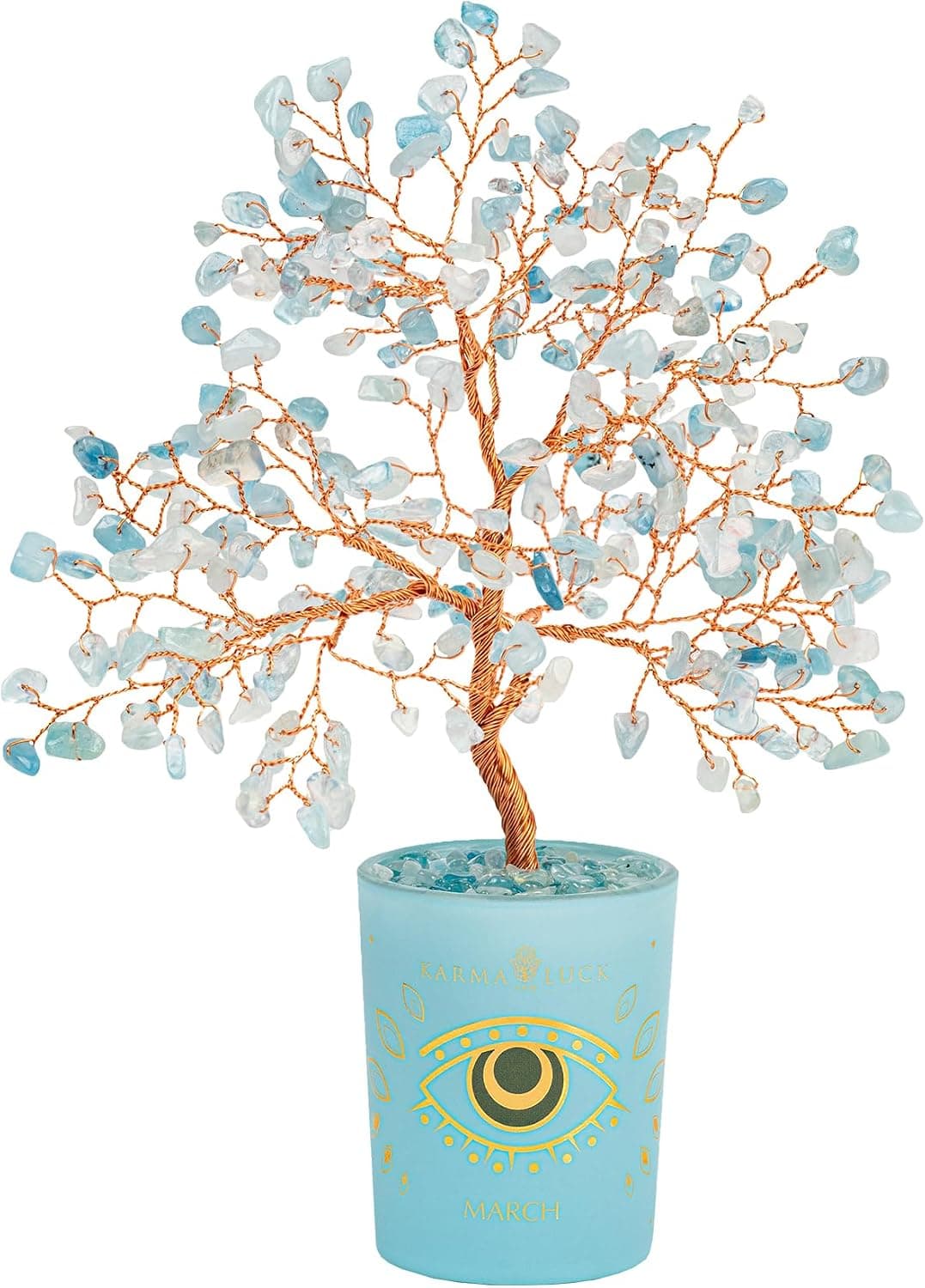 -29%
-29%Karma and Luck March Birthstone Crystal Tree of Life, Aquamarine Gemstone Fen...
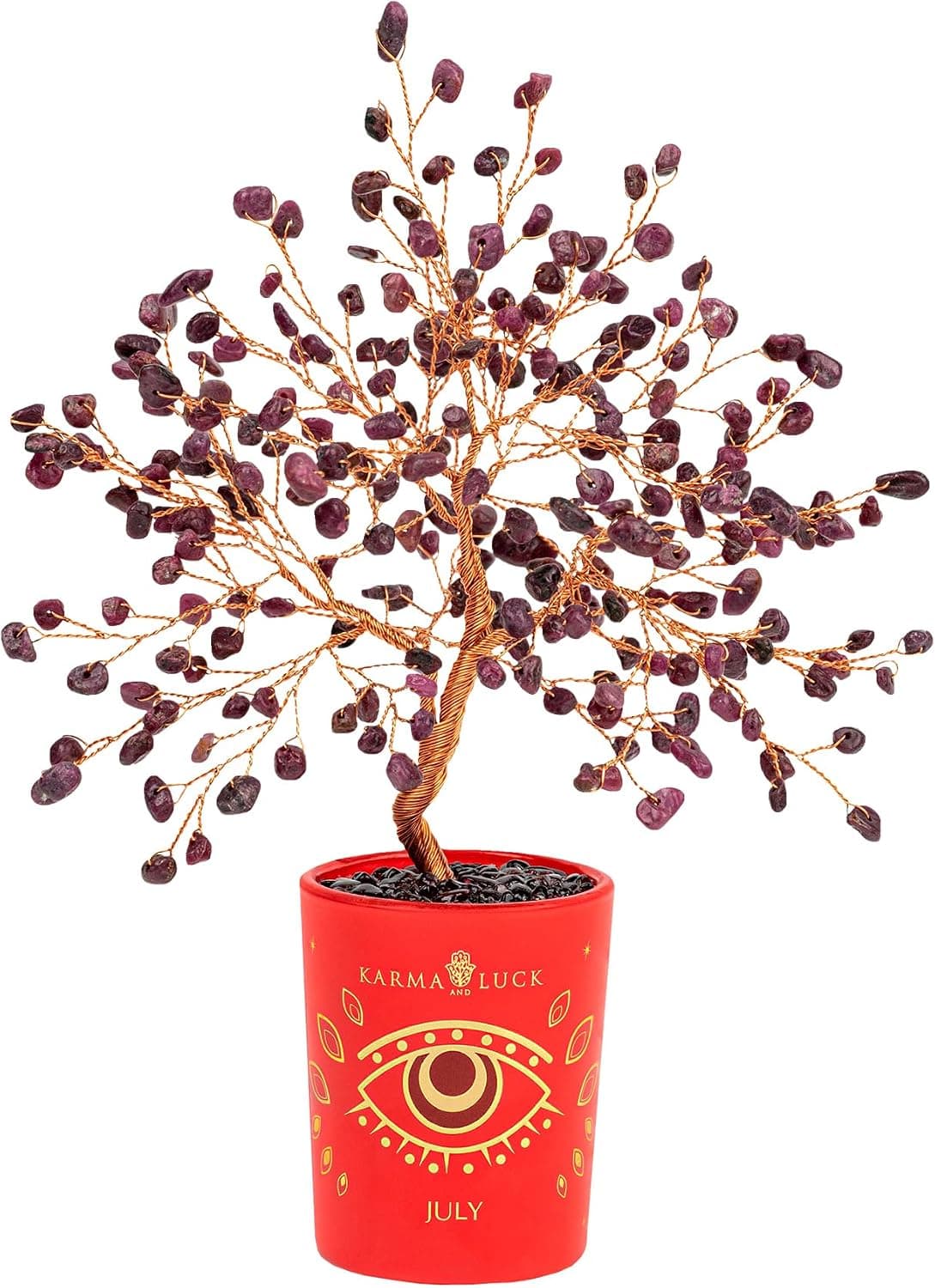 -29%
-29%Karma and Luck July Birthstone Crystal Tree of Life, Ruby Gemstone Feng Shui ...
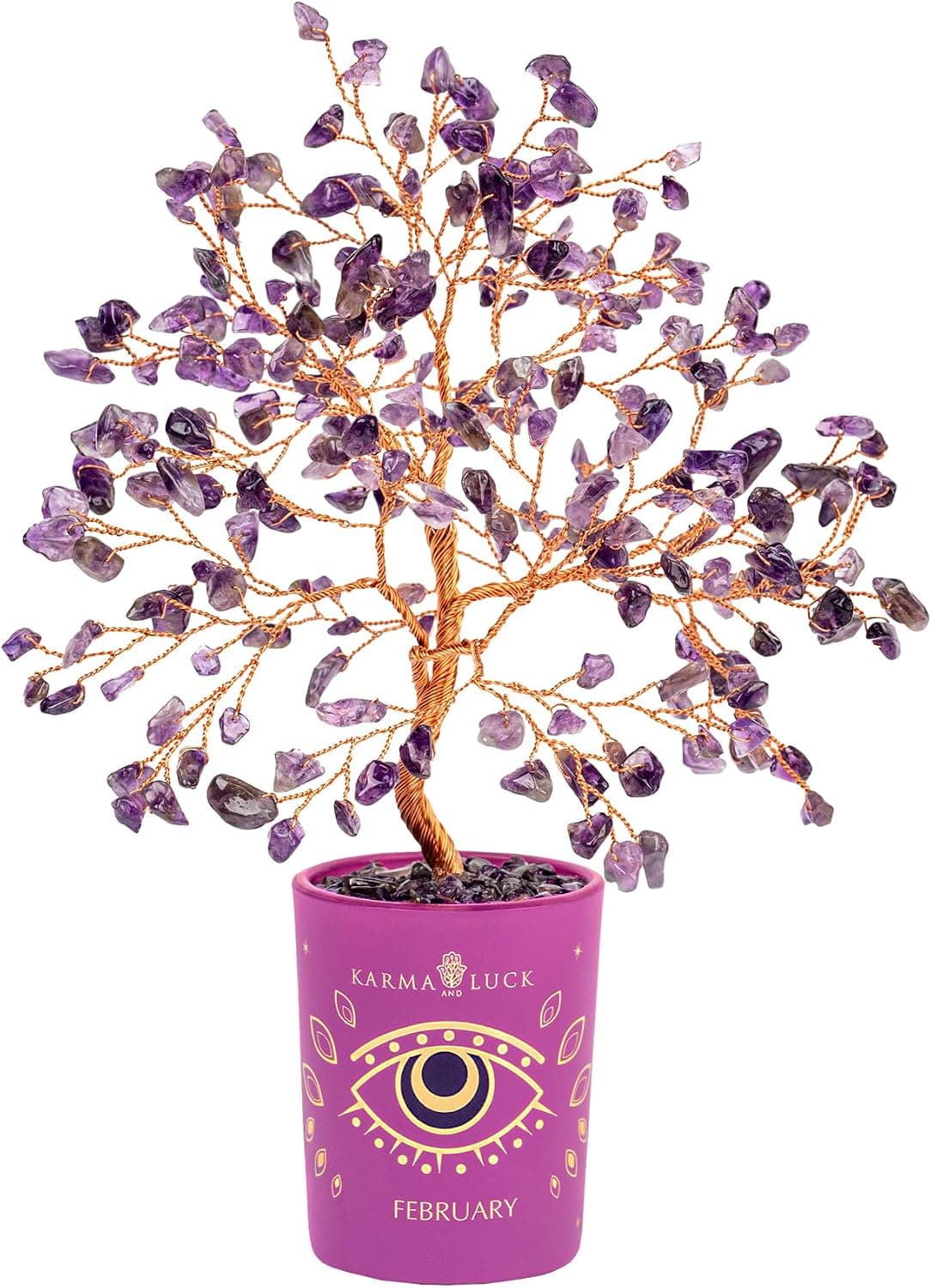 -29%
-29%Karma and Luck February Birthstone Crystal Tree of Life, Amethyst Gemstone Fe...
 -50%
-50%biuufish Feng Shui Black Obsidian Bracelet for Men Women, 24K Gold Plated Pix...
As an Amazon Associate, we earn from qualifying purchases. We only recommend items our practitioners have personally tested.
Continue Your Journey
Explore these related guides to deepen your understanding:
Ready for Deeper Guidance?
Try our free I Ching reading for personalized wisdom, or explore our curated Feng Shui essentials.