
I've met people who meditate daily, eat clean, and exercise regularly. And they're still exhausted. Because their homes are pure Yang energy with no Yin refuge.
I've consulted on homes where the owners did everything right. Organic food. Morning yoga. Eight hours of sleep. And they were still exhausted.
The problem wasn't their habits. It was their homes.
Modern design is aggressively Yang. Bright lights. Sharp angles. Electronic devices. Constant stimulation. Even the colors are Yang — white, gray, chrome. It looks clean. It feels like a hospital.
Your home needs Yin. Softness. Darkness. Stillness. Without it, you never fully rest. You're always "on." And eventually, you burn out.
Why Yin-Yang Balance Is Not What You Think
Most guides describe Yin and Yang as abstract philosophy. Dark and light. Passive and active. Feminine and masculine. Interesting. Useless for your living room.
Here's what actually matters: your body needs both energies throughout the day. Morning is Yang — wake up, move, work, produce. Evening is Yin — slow down, rest, digest, restore. If your home stays Yang all day, your body never gets the signal to switch modes.
I stayed in a modern apartment once where every room had recessed LED lights, white walls, and glass surfaces. Beautiful. And after three days, I felt like I'd been running a marathon in my sleep. The space had zero Yin. My nervous system never relaxed.
Mistake #1: All-Day Bright Light
Overhead lighting in every room, all the time. LED bulbs at 5000K — the color temperature of noon sunlight. In your bedroom. At 10pm.
Your body reads light as time. Bright white light says "daytime." Your cortisol stays elevated. Your melatonin stays suppressed. You lie in bed, exhausted but wired.
The fix is simple and almost nobody does it: dimmers. Warm bulbs (2700K or lower). Candles in the evening. Lamps instead of overheads. Your home should get darker as the day progresses. Not dramatically. Just noticeably.
I installed dimmers in a client's home last year. She told me she slept better in the first week than she had in years. The lights were the same. The control was different.
Mistake #2: No Soft Spaces
Every surface is hard. Wood floors. Marble countertops. Glass tables. Metal chairs. It's visually stunning. Energetically harsh.
Yin energy needs softness. Rugs on hard floors. Cushions on chairs. Throws on sofas. Fabric instead of leather. The physical sensation of softness signals your nervous system that it's safe to relax.
I walked into a home once where every piece of furniture had sharp edges. Even the sofa had metal legs that ended in points. The owner complained of constant anxiety. We added a thick wool rug, velvet cushions, and rounded the sharp corners with fabric guards. She called me a month later to say her anxiety had dropped significantly. She thought I'd performed some kind of energy magic. I just softened the space.
Mistake #3: Workspaces in Rest Areas
Laptop on the nightstand. Desk in the bedroom. Phone charging next to your pillow. Your rest space becomes an extension of your work space.
This is a Yang invasion into Yin territory. Your bedroom should be the most Yin room in your home. Dark. Soft. Quiet. Screen-free. When work energy enters, the room can't do its job.
If you absolutely must work in your bedroom, create separation. A folding screen. A different corner. At minimum, cover the desk with a cloth when work is done. But the best solution? Move the desk out. Your sleep depends on it.
Mistake #4: Symmetry Overkill
Matching nightstands. Identical lamps. Perfectly balanced art. It looks organized. It feels sterile.
Perfect symmetry is Yang — active, structured, controlled. A little asymmetry introduces Yin — organic, flowing, natural. One nightstand taller than the other. Different lamps. Art that doesn't line up perfectly.
I know this sounds like bad design advice. It's not. It's good energy advice. The slight irregularity allows chi to meander instead of marching in straight lines. It creates visual interest. It lets the space breathe.
Don't go chaotic. Just loosen the grip a little.
Mistake #5: Everything Is New
New furniture. New paint. New everything. No history. No patina. No soul.
Yin energy carries the quality of time. Antiques. Worn wood. Faded fabrics. Items with history have depth. They hold energy. A brand-new space can feel hollow because it hasn't been lived in yet.
This doesn't mean fill your home with junk. It means include pieces that have aged. A vintage mirror. A wooden bowl with knife marks. A rug that's been walked on for years. These objects carry the Yin quality of endurance, patience, and time.
Your home should feel lived in, not staged.
How to Balance Your Home Today
Walk through your home right now. Count the hard surfaces. Count the soft ones. Count the light sources. Notice the color temperature. Feel whether each room makes you want to move or rest.
Then add one Yin element to your most Yang room. A dimmer. A rug. A soft throw. One candle. That's all it takes to start shifting the balance.
David Liu
Traditionally informed guidance • Cross-referenced with classical Chinese source texts
Rooted in classical Chinese metaphysics and cross-referenced with original texts. Product recommendations are based on traditional symbolism, not guaranteed outcomes.
Practitioner-Selected Tools for This Topic
Items our team has tested and found effective for the principles discussed above. Individual results may vary.
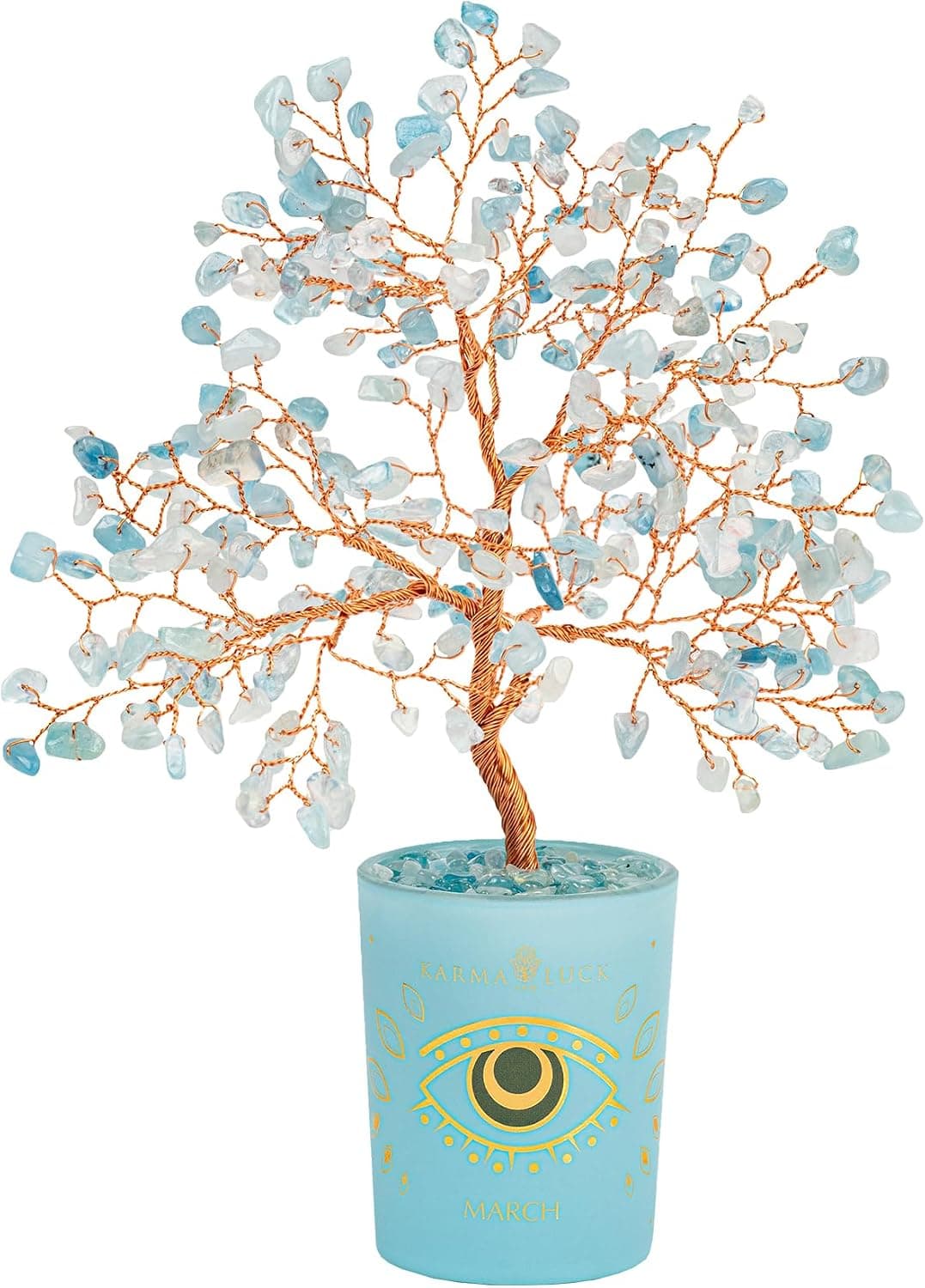 -29%
-29%Karma and Luck March Birthstone Crystal Tree of Life, Aquamarine Gemstone Fen...
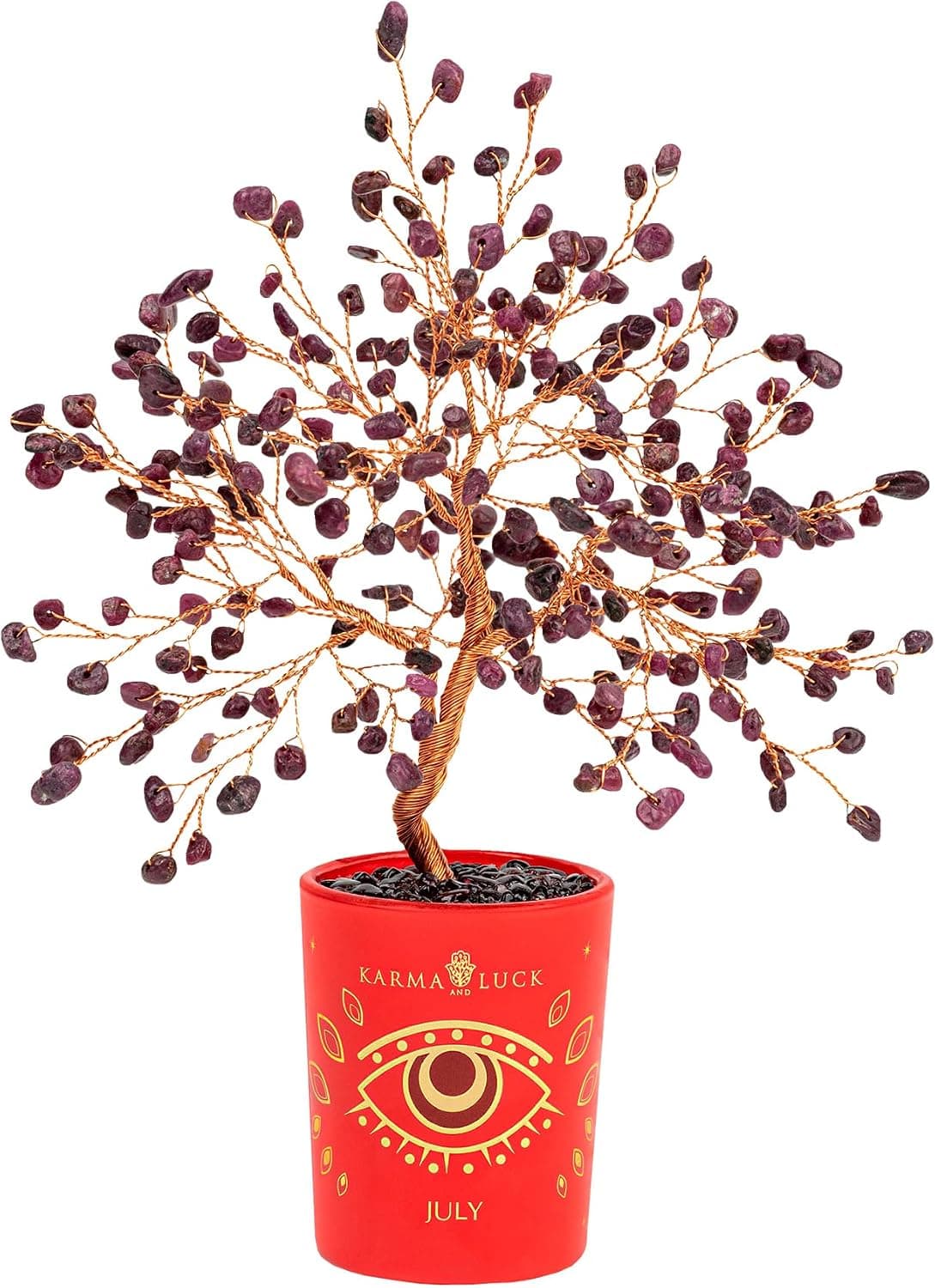 -29%
-29%Karma and Luck July Birthstone Crystal Tree of Life, Ruby Gemstone Feng Shui ...
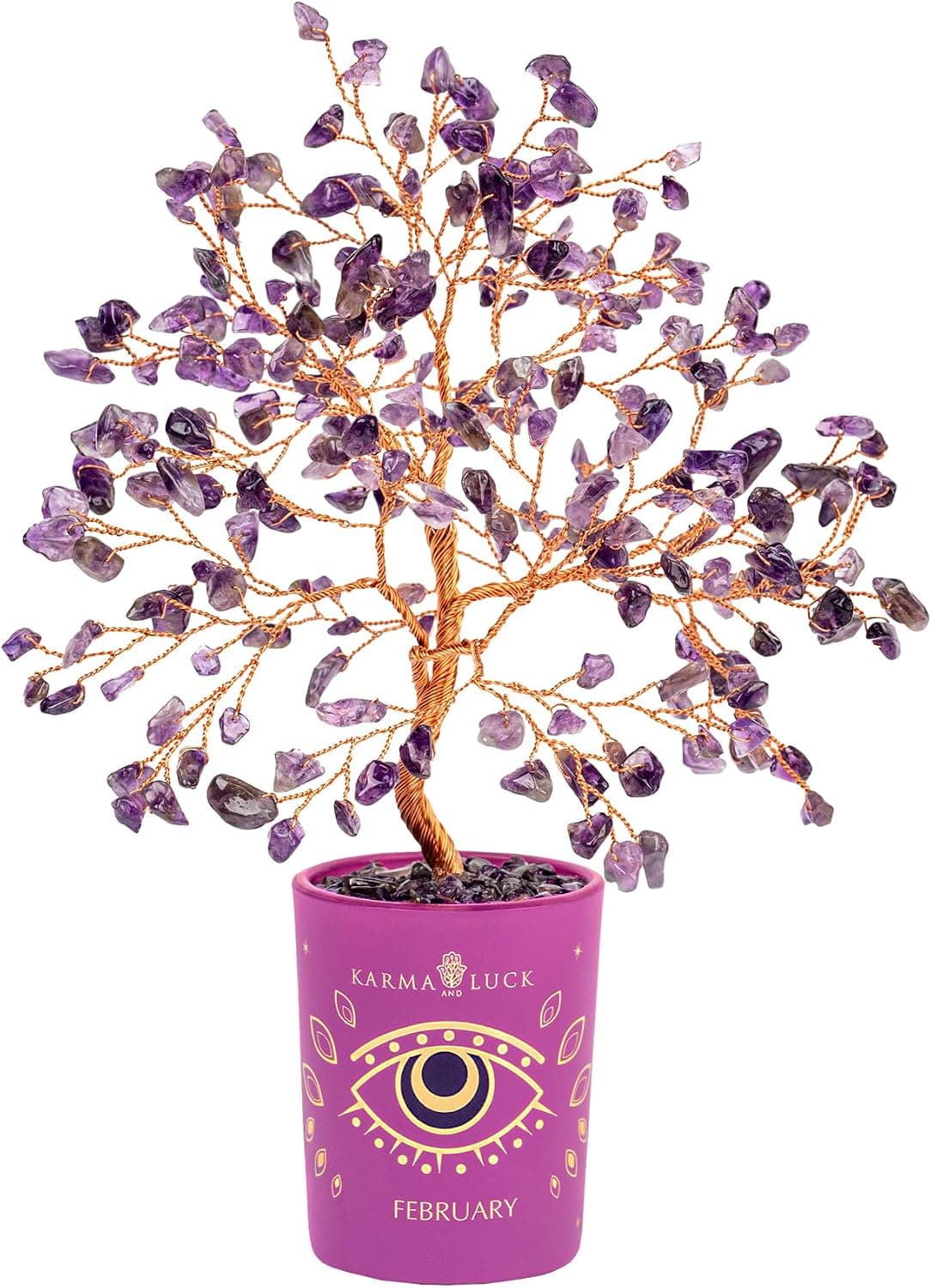 -29%
-29%Karma and Luck February Birthstone Crystal Tree of Life, Amethyst Gemstone Fe...
 -50%
-50%biuufish Feng Shui Black Obsidian Bracelet for Men Women, 24K Gold Plated Pix...
As an Amazon Associate, we earn from qualifying purchases. We only recommend items our practitioners have personally tested.
Continue Your Journey
Explore these related guides to deepen your understanding:
Ready for Deeper Guidance?
Try our free I Ching reading for personalized wisdom, or explore our curated Feng Shui essentials.