The expert sees a meal, a room, and a ritual as one system of obligation, memory, and order.
When a Bowl of Rice Stops Being Ordinary
Chinese traditions turn a simple bowl of rice into an act of memory, respect, and family order when it is placed before an ancestral tablet or served with the right intention at the table.
A beginner sees food. A practiced eye sees relation.
That is the first lesson. A room does not have to be large to hold meaning. In a north-facing apartment with one narrow wall and a folding table, the placement of a tea cup, a family photo, or a small offering shelf can still teach reverence. A practical view of yin and yang in daily life helps explain why balance is not only visual. It shows up in conduct, timing, and restraint.
Watch three things and you will understand far more than decoration ever could: where people stand, what they repeat, and who they acknowledge.
I once noted a plain sideboard with three oranges, a red candle holder, and a tiny framed tablet on a quiet shelf. Nothing about it was grand. Yet everyone in the household paused there before dinner, as if crossing into a more serious part of the day. That is how ritual works. It gives weight to what would otherwise pass unnoticed.
Why the Classics Treated the Home as a Moral School
The classical view of the household was built on a simple but demanding idea: people do not become orderly by chance. They are shaped by the repeated habits of daily life. The home was therefore treated as the first place where character could be formed, because it is where children first learn whether respect is required, whether elders are listened to, and whether promises are kept. In that sense, the house was not only a shelter. It was a training ground for conduct.
Confucian teaching gave that order its clearest language. Filial respect was not treated as sentiment. It was practice. A child who learns to bow, wait, listen, and hand something to an elder with both hands is learning how to move through human life without disorder. Those small acts work because they make hierarchy visible before conflict begins. When roles are clear, people waste less energy negotiating status, and more energy can go into care, duty, and self-restraint. That kind of training can look formal from the outside, but form often protects sincerity.
Ancestor reverence binds gratitude to responsibility. The dead are not locked away as distant memories. They remain part of the household's moral structure, which is why memorial practices are repeated rather than improvised. During Qingming, a family may sweep a grave, burn incense, and quietly speak names aloud. The outward act is simple, but it creates a shared moment in which the living remember that they inherited both a lineage and obligations from it. The Chinese calendar gives these moments their seasonal placement, but the deeper logic is relational.
That is also why many families place tablets, photographs, or memorial objects in a central location. The point is not display. The point is to keep memory visible enough that it changes behavior. When remembrance stays near the center of the home, daily choices are less likely to drift into selfishness or forgetfulness. A visible memorial quietly asks the household to act as if the past still matters.
It changes the air in the room.
Ritual in Daily Life: Tea, Weddings, Mourning, and Incense
The everyday shape of these practices is where their meaning becomes easiest to miss. Naming a child is not just paperwork. It is a way of positioning that child inside a line, so that identity is understood as inherited rather than invented from nothing. A wedding is not merely a couple's celebration. It is a joining of families, obligations, and future expectations, which is why both sides often participate in carefully ordered exchanges. Mourning is not only grief in formal clothing. It is a public recognition that loss alters the social field and that the household must reorganize around absence.
At a banquet, the order of seats may matter more than the menu. To an outsider, that can feel stiff. To the family, it keeps confusion from entering the room. Elders sit where respect is visible. Guests are received according to relationship, not preference. The structure is doing quiet work: it reduces ambiguity, prevents accidental disrespect, and lets people focus on hospitality rather than on sorting out rank in the moment.
Tea carries the same principle. When tea is offered with both hands, the body is being taught to slow down and acknowledge another person's place in the exchange. That small delay matters because it turns a drink into an act of recognition. Incense does something similar for memory. A child who watches incense rise before a memorial table learns that remembrance is not private mood. It is an active duty, repeated often enough that it becomes part of household rhythm. Chinese festivals and their household rituals show the public side of this pattern, but the domestic version reveals it most clearly.
Many people trained in modern Western habits assume ritual is only decorative unless it can be measured in practical terms. That misses the point. Repetition shapes posture, attention, and reflex long before anyone can explain why it matters. Once a family repeats the same gestures at the same moments, those gestures begin to stabilize emotion. People know what to do when joy, loss, respect, or gratitude arrives, and that reduces uncertainty at precisely the moments when uncertainty is most costly.
The rustle of mourning clothes, the pause before a bow, the order in which tea is poured. These small details teach the body what kind of moment it is entering.
That is not ornament. It is discipline.
David Liu
Traditionally informed guidance • Cross-referenced with classical Chinese source texts
Rooted in classical Chinese metaphysics and cross-referenced with original texts. Product recommendations are based on traditional symbolism, not guaranteed outcomes.
Practitioner-Selected Tools for This Topic
Items our team has tested and found effective for the principles discussed above. Individual results may vary.
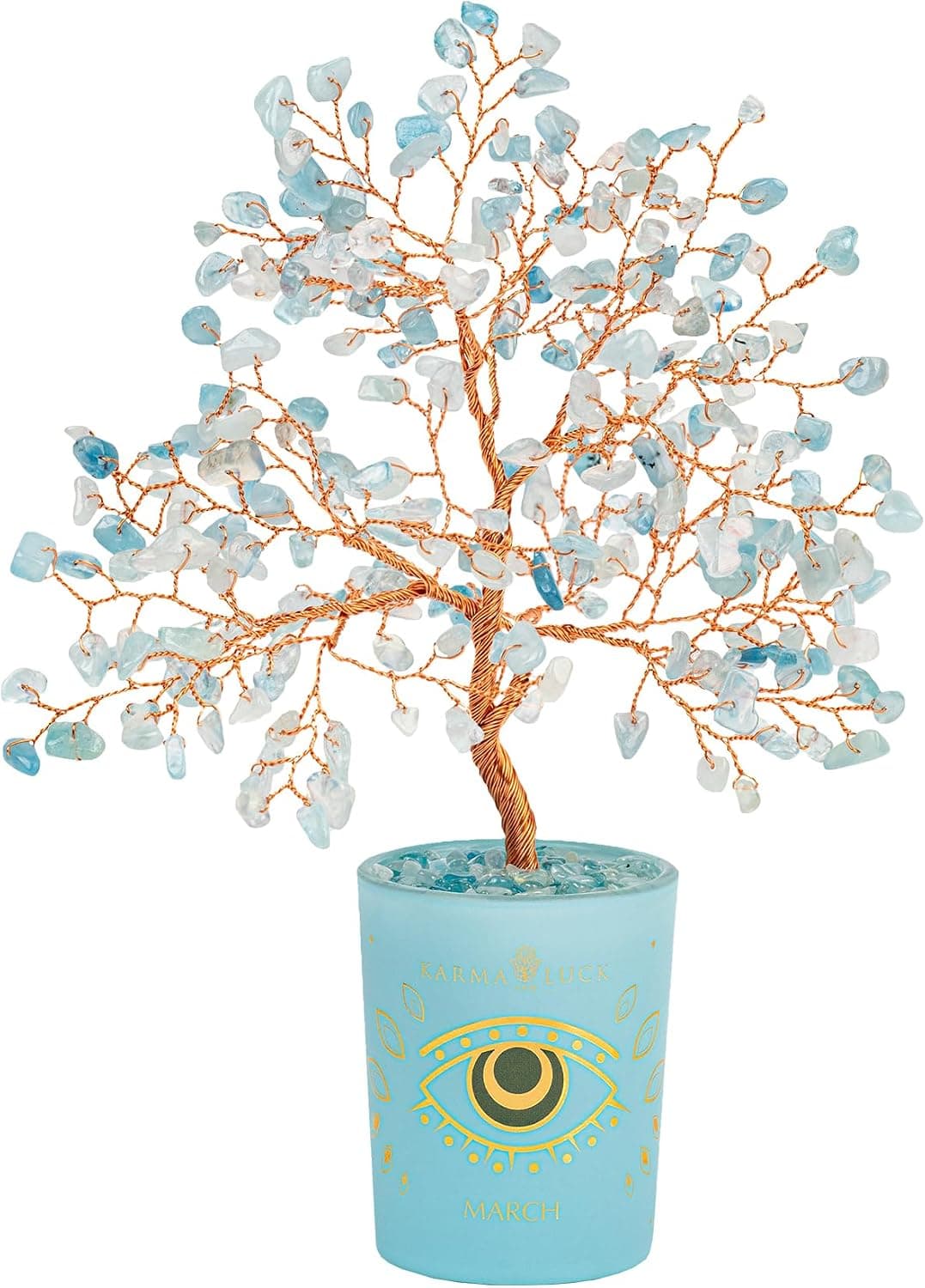 -29%
-29%Karma and Luck March Birthstone Crystal Tree of Life, Aquamarine Gemstone Fen...
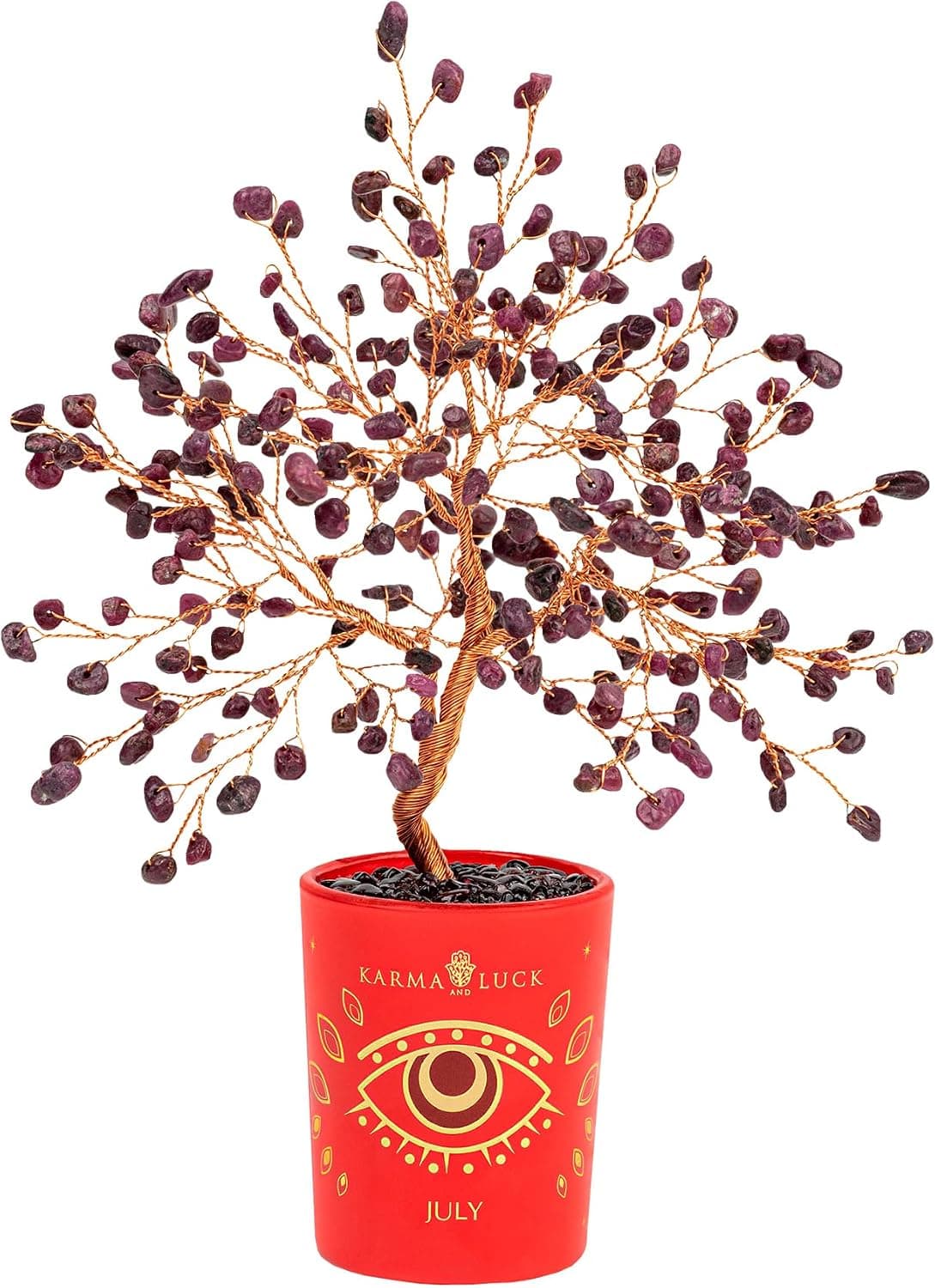 -29%
-29%Karma and Luck July Birthstone Crystal Tree of Life, Ruby Gemstone Feng Shui ...
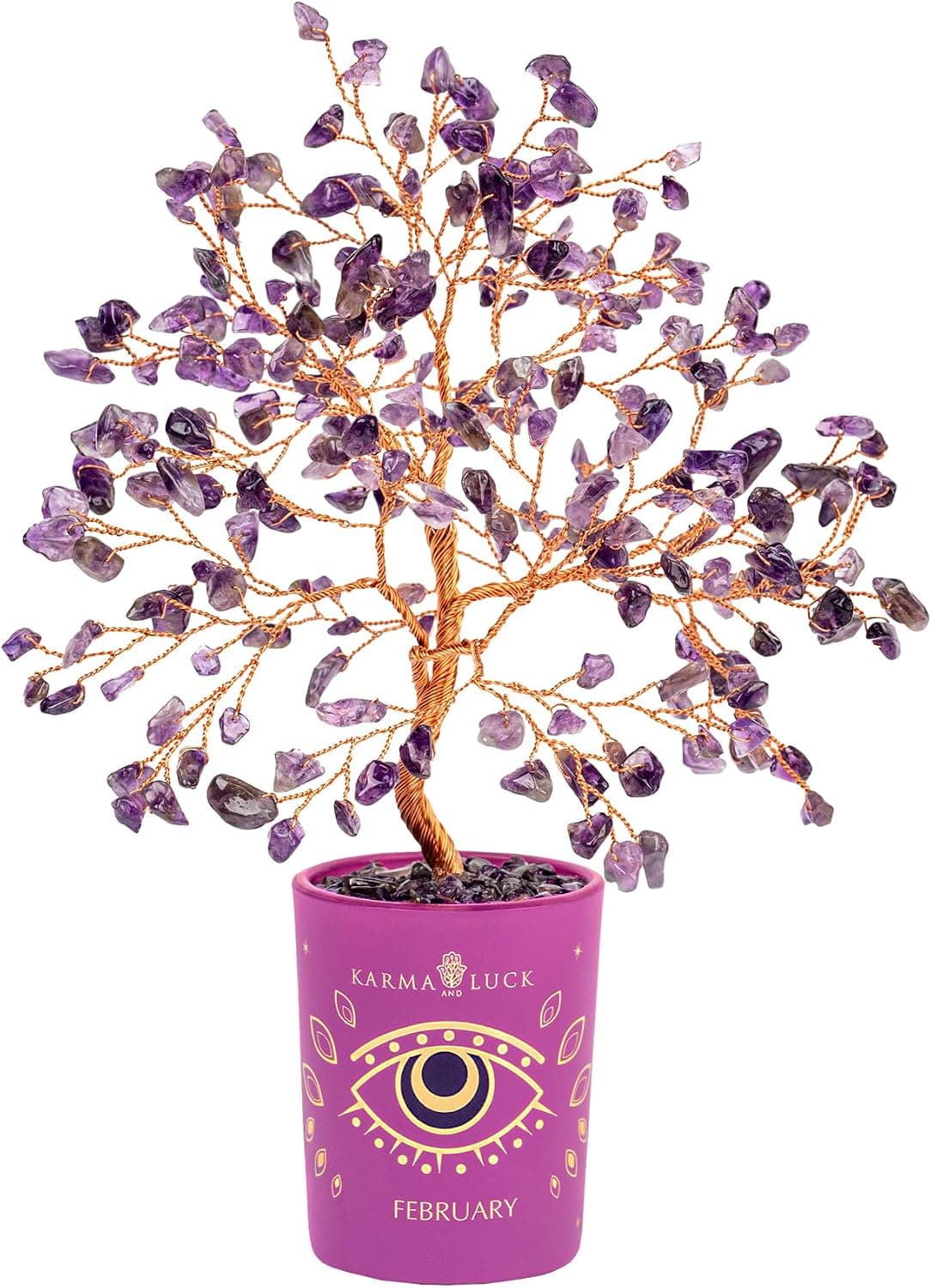 -29%
-29%Karma and Luck February Birthstone Crystal Tree of Life, Amethyst Gemstone Fe...
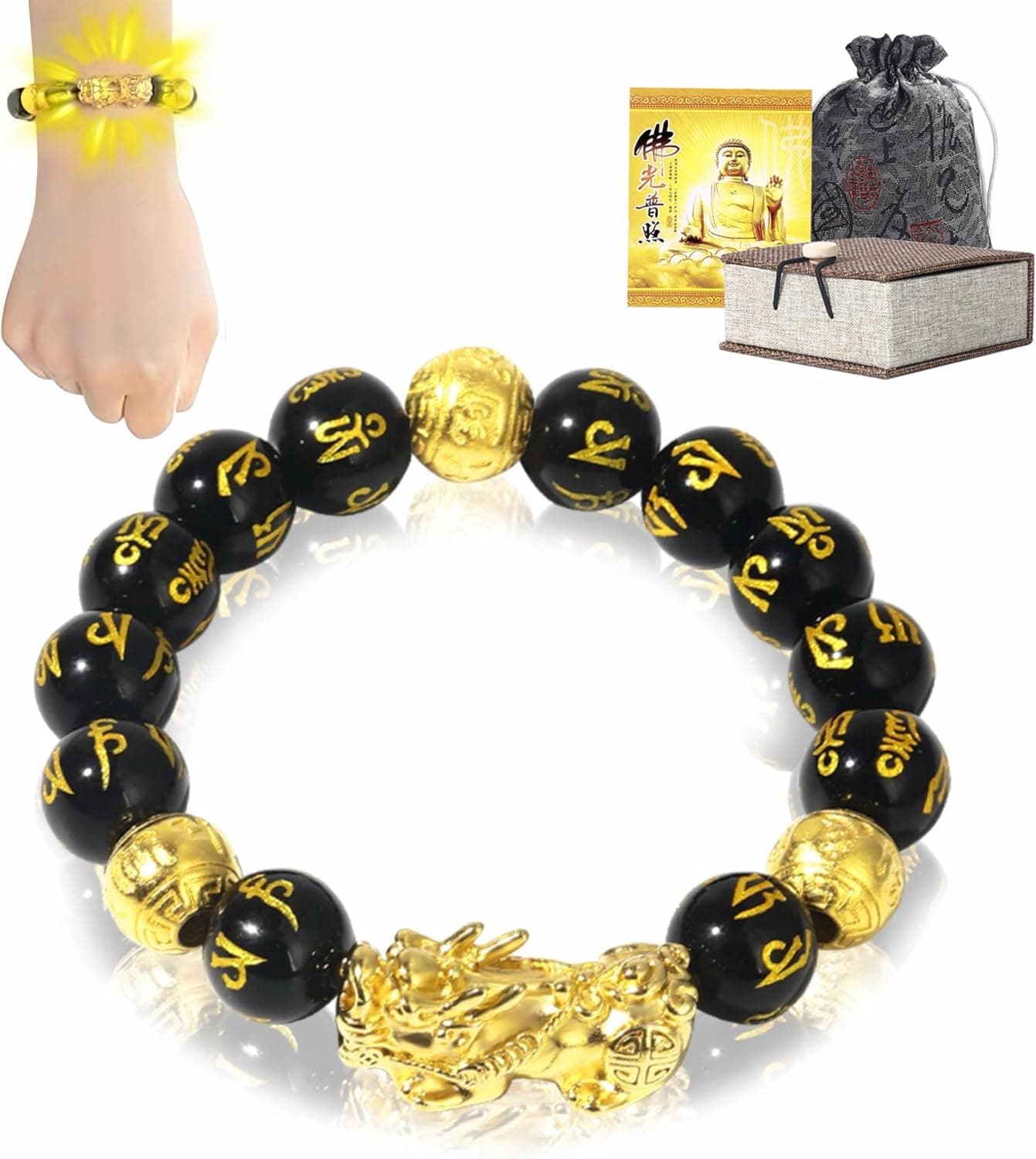 -50%
-50%biuufish Feng Shui Black Obsidian Bracelet for Men Women, 24K Gold Plated Pix...
As an Amazon Associate, we earn from qualifying purchases. We only recommend items our practitioners have personally tested.
Continue Your Journey
Explore these related guides to deepen your understanding:

Ready for Deeper Guidance?
Try our free I Ching reading for personalized wisdom, or explore our curated Feng Shui essentials.