The real job of Chinese festivals is not celebration. It is teaching a household how to enter meaningful time together.
Do Chinese festivals celebrate, or do they change the way a household lives for a day?
They change the way a household lives. A proper festival is not just a meal with nicer dishes. It alters the pace of the home, the order of the room, who speaks first, and where the attention of everyone gathers.
Many people think of chinese festivals as dates for food, gifts, and photographs. That is only the surface. Their deeper role is to train a family to move together, remember together, and enter a shared rhythm that ordinary days do not require.
The lunar calendar behind these observances matters because it keeps the family tied to season, weather, and the turning of the year. A festival comes with its own timing. It does not ask permission from convenience.
Watch a doorway during preparation. Shoes gather neatly, dishes pass hand to hand, and the room becomes quieter than usual. That quiet is not accidental. It is the first sign that the house has crossed into ceremonial time.
People often expect joy first. In practice, order usually comes first.
Why the usual explanation falls short
Most accounts reduce these occasions to reunion, feasting, or tradition. Those parts are real, but they do not explain why the same gestures matter year after year. Repetition is not decoration. Repetition teaches the household how to hold itself together.
What is usually missed is that a festival does not simply express family feeling; it organizes it. A group that already knows one another can still be spatially chaotic, emotionally reactive, and unclear about rank. Ritual solves that problem by giving every person a place, every action a sequence, and every pause a function.
In one north-facing dining room, the table was left too close to the wall, and everyone kept drifting around the edges of the space. Once the table was centered under the light and the offerings were placed along a clear line, the atmosphere changed at once. Chairs stopped scraping. Voices softened. Even the children seemed to understand where they belonged.
That is the practical side of ritual. It makes roles visible before resentment has a chance to grow. The elder is not “taking over.” The younger relative is not “standing around.” The person carrying tea, clearing plates, or lighting incense is part of a sequence that gives the room its shape.
Yin and yang in daily life appears here as movement and rest, speaking and waiting, center and edge. When a festival ignores those balances, the room feels restless. When it honors them, even a crowded space can feel settled.
Ritual is often called sentimental by people who have not watched it closely. Sentiment changes with mood. Structure outlasts it. The reason these observances endure is not because they are cute or nostalgic, but because they repeatedly solve the same human problem: how to turn a busy household into a coordinated one without constant negotiation.
The real threshold is not the calendar, but the room
A festival begins when the household changes how it handles space. The threshold matters: outside becomes inside, ordinary speech gives way to respectful address, and the center of the room becomes more important than the corners.
The calendar can announce the date, but the room decides whether the date has actually arrived. Until the table is moved, the doorway cleared, the offerings prepared, and the family starts arranging itself around a shared center, the festival is still only a plan. The real crossing happens when behavior changes in response to the room.
That shift is one reason incense, tea, cooked rice, and warm steam feel so powerful. They do not merely smell pleasant. They announce that the home has entered a different order, one where memory and obligation are allowed to sit beside enjoyment.
A plain reading of yin-yang movement helps explain the feeling. One mode of life steps back so another can take the foreground. Festival time does not erase ordinary life. It frames it, the way a window frame changes a view without replacing it. The room becomes a mechanism for shifting attention: the threshold marks the break, the center gathers the family, and the edges quiet down so the household can move as one.
Light also matters. A lamp over the table, a candle near the offering, a pale window at dusk, darker edges around the room, these details teach the eye where to rest. A household does not need to understand symbolism in words to feel it in the body.
That is why some festival evenings stay in memory for decades. The body remembers the chair, the scent, the pause before the first serving, the moment the elders began. Meaning arrived through repetition and arrangement, not explanation.
One sentence can describe the whole thing: the room tells people how to belong.
What the table, the light, and the doorway are really doing
A festival table is never just furniture. It marks the center of the home, and that center tells everyone how to move. A table too large makes the room feel compressed. A table too small makes the gathering feel temporary. Proportion sends a message before anyone speaks.
In many homes, the oldest person sits where the light is best. That placement does more than honor age. It sets authority in the visible center of the room, where the family can read it without argument. Spatial order often settles what conversation cannot.
Silence is organized too. The first words may come from the person at the head of the table, not because they are the loudest, but because the room has already given them a place to begin. In a well-run gathering, even pauses have a shape.
For readers interested in how balance changes under pressure, modern balance looks different when a household is crowded. Festival life makes this obvious. Too much activity at the edge weakens the center. Too much display and the room starts to feel like performance instead of belonging.
These occasions also reveal family tensions that usually stay hidden. Who serves? Who sits? Which side of the family is honored first? The ritual does not eliminate these questions. It gives them a framework, which is often the only way they can be handled without a fight.
Clear guidance often starts with modest acts, and festival practice is built from exactly that kind of detail: placing fruit in order, opening a window, waiting before the first bite, allowing the elder to begin. Small acts teach a household how to move together.
Why memory feels stronger at these times
Family is not just affection. It is repeated coordination under changing circumstances. A festival shows this clearly. The same room may carry a new absence. The same dishes may be served in a year shaped by different losses. Repetition does not cancel change. It helps people survive it.
That is why remembrance sits so close to ancestral practice. At Qingming, visiting a grave is not a gloomy gesture. It is a way of refusing to let the dead disappear from the family story. The living inherit names, habits, obligations, and unfinished duties. Memory becomes an action, not a mood.
Mid-Autumn carries a different feeling. It is often about wholeness, but wholeness under strain. The moon is round while families remain incomplete. Someone is away. Someone is late. Someone is no longer alive. The season does not remove that ache. It gives it a form the household can share.
Inner knowing often becomes clearer in seasonal ritual because the mind is not required to invent meaning by itself. It receives meaning through timing, gesture, and return. The body remembers serving, bowing, carrying, waiting, and passing food before the mind has finished thinking.
Many modern families want blessing without structure. They want reunion without responsibility, and remembrance without repetition. That usually leaves everyone tired and vaguely dissatisfied. Belonging asks something in return.
A festival simply makes the cost visible.
Questions of purpose become practical when a household must decide what deserves a place at the table, what should be honored, and what will be passed on. A festival is philosophy expressed through dishes, timing, and placement.
How the major festivals teach different lessons
Lunar New Year is usually treated as a fresh start, but its deeper lesson is repair. Cleaning the home, settling debts, hanging couplets, and gathering again at the same table all point to the same truth: renewal only holds if the household can acknowledge what came before.
Qingming points the family back toward lineage. It reminds people that memory is not private property. It is inherited care. A cleared grave, a quiet pause, and a few sticks of incense can carry more force than a long speech about respect.
Mid-Autumn is shaped by longing. Some call longing sentimental because they do not want to admit it is also a form of intelligence. Longing tells us what matters enough to miss.
Dragon Boat Festival brings a harder lesson. It is about duty, loyalty, and remembrance under pressure. The story behind the celebration is not comfort. It is conscience.
If you want the seasonal pattern behind these observances, the calendar gives each festival its emotional task before the first offering is set down. That is why forcing every occasion to feel the same is such a common mistake. Each one asks something different from the household.
Food is the most visible part, which is why so many people stop there. Gifts are easy to photograph. Symbolic labor is harder to see because it happens in the kitchen, at the doorway, and in the brief silence before everyone sits.
Respect is learned through movement, not lectures
Inside a family, respect usually shows up as circulation. Who walks around the table instead of cutting across it. Who places the fruit at the center. Who lets the elder take the seat with the best light. These are spatial habits, and children learn them faster than they learn speeches about values.
The best festival room is not perfect. It simply works. The doorway leaves enough space for a pause. The table leaves enough room for serving. The window catches the evening light. The center is clear enough to gather around without crowding the whole room.
Shared space always involves negotiation. Different generations expect different forms of authority. Men and women may carry different duties. Children may be asked to stay back at one moment and step forward at another. The ritual does not remove those tensions. It gives them a script.
That script has a quiet generosity to it. When the rhythm is known, fewer things have to be guessed. When everyone understands when to serve, when to wait, and when to begin, there is less room for resentment to collect in the spaces between actions.
And this is where the usual criticism fails. Ritual is not empty because it repeats. Repetition is how a household learns a shared form. Without it, the room may be full, but the family still feels scattered.
One-sentence truth: the table is a teacher.
FAQ: practical questions readers actually ask
Do I need to be religious to take part?
No. Some customs are tied to ancestor rites, while others are cultural and family-based. What matters most is whether the household can mark time, show respect, and gather with intention.
Why do families repeat the same ritual every year?
Because repetition gives the body a memory to lean on. When the same actions return, people feel continuity even if the house, the work, or the family makeup has changed.
My family is busy. Is the ritual still worth doing?
Yes, especially then. Busy homes often need clearer roles and clearer beginnings. Without that, people tend to become less coordinated, not more free.
Is food the main point of the holiday?
Food matters, but mostly because it creates a center. It gathers people in one place and gives the day a shared rhythm. The meaning is larger than the menu.
What if the family has tension already?
Then the festival may bring it into view. That can be uncomfortable, but it also makes the problem easier to name. A well-held ritual can reduce friction by assigning visible tasks and a clear sequence.
How do I understand the deeper meaning without making it too abstract?
Look at three things: the threshold, the center, and the roles. If the day changes how people enter, where they stand, and how they remember, then it is doing real philosophical work.
That is the heart of it. Chinese festivals are not a break from life. They are practice for living together with more order, more memory, and less waste.
When the room settles and the table is set with care, the family is not escaping time. It is learning how to inhabit it.
David Liu
Traditionally informed guidance • Cross-referenced with classical Chinese source texts
Rooted in classical Chinese metaphysics and cross-referenced with original texts. Product recommendations are based on traditional symbolism, not guaranteed outcomes.
Practitioner-Selected Tools for This Topic
Items our team has tested and found effective for the principles discussed above. Individual results may vary.
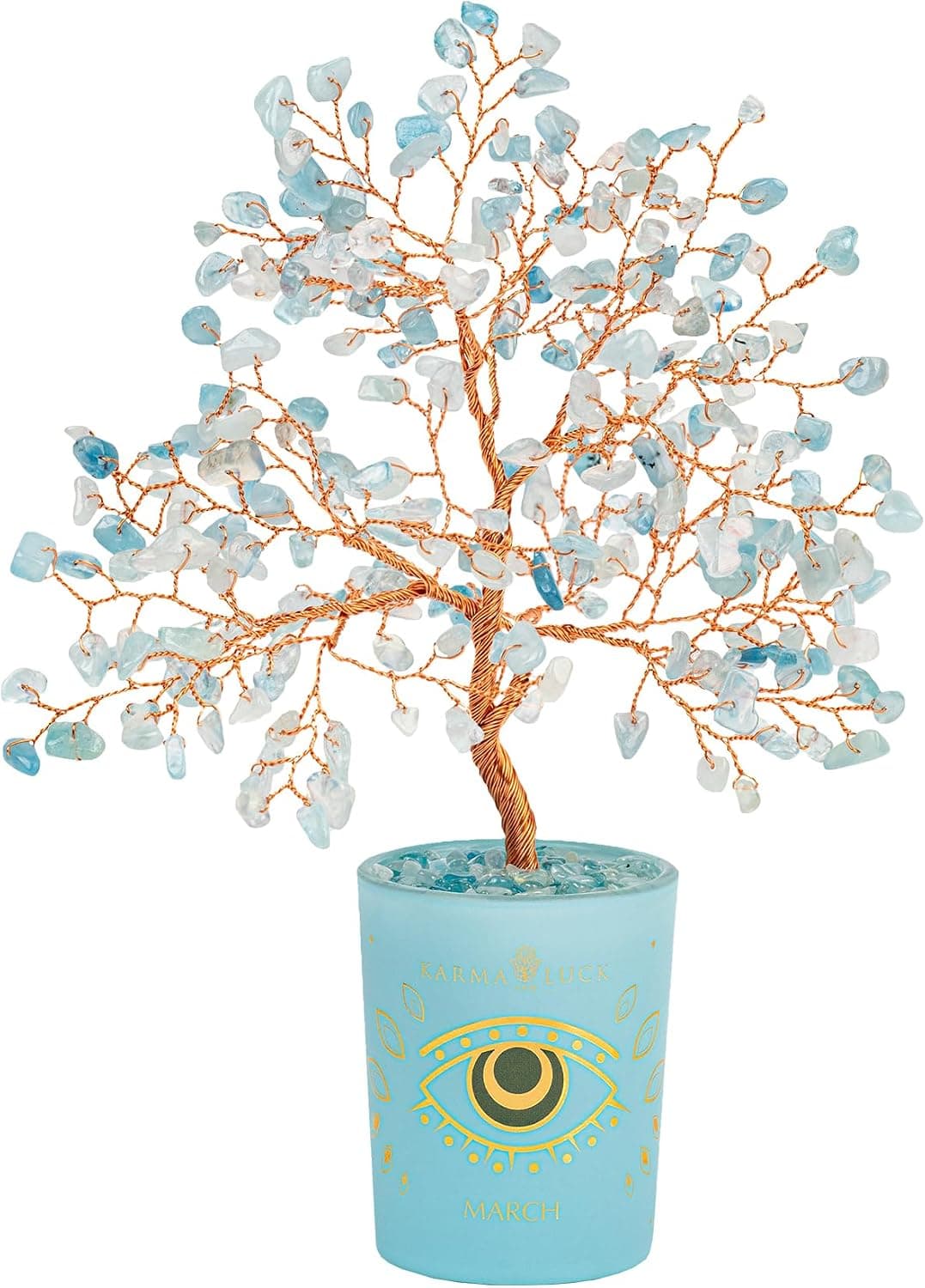 -29%
-29%Karma and Luck March Birthstone Crystal Tree of Life, Aquamarine Gemstone Fen...
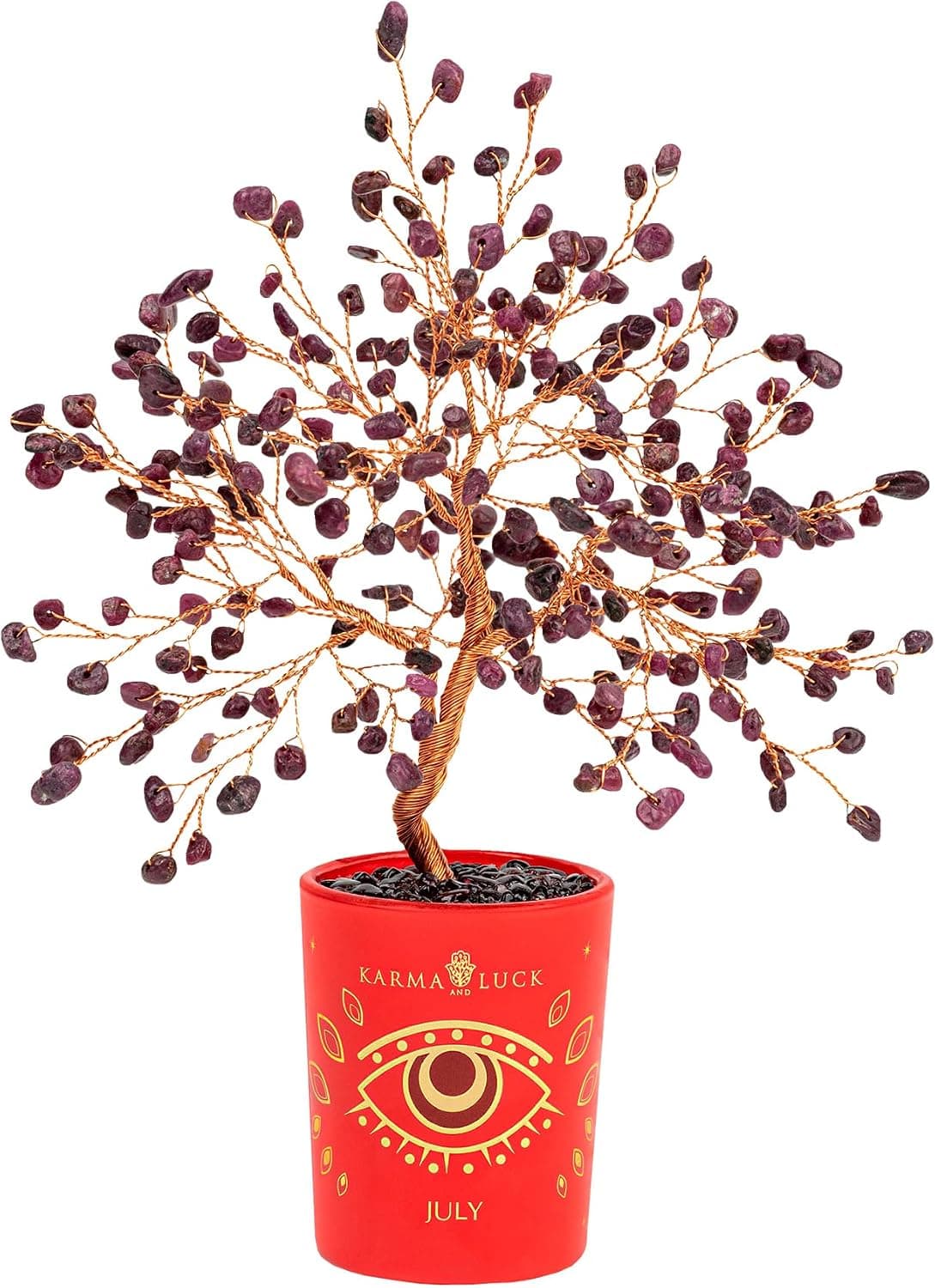 -29%
-29%Karma and Luck July Birthstone Crystal Tree of Life, Ruby Gemstone Feng Shui ...
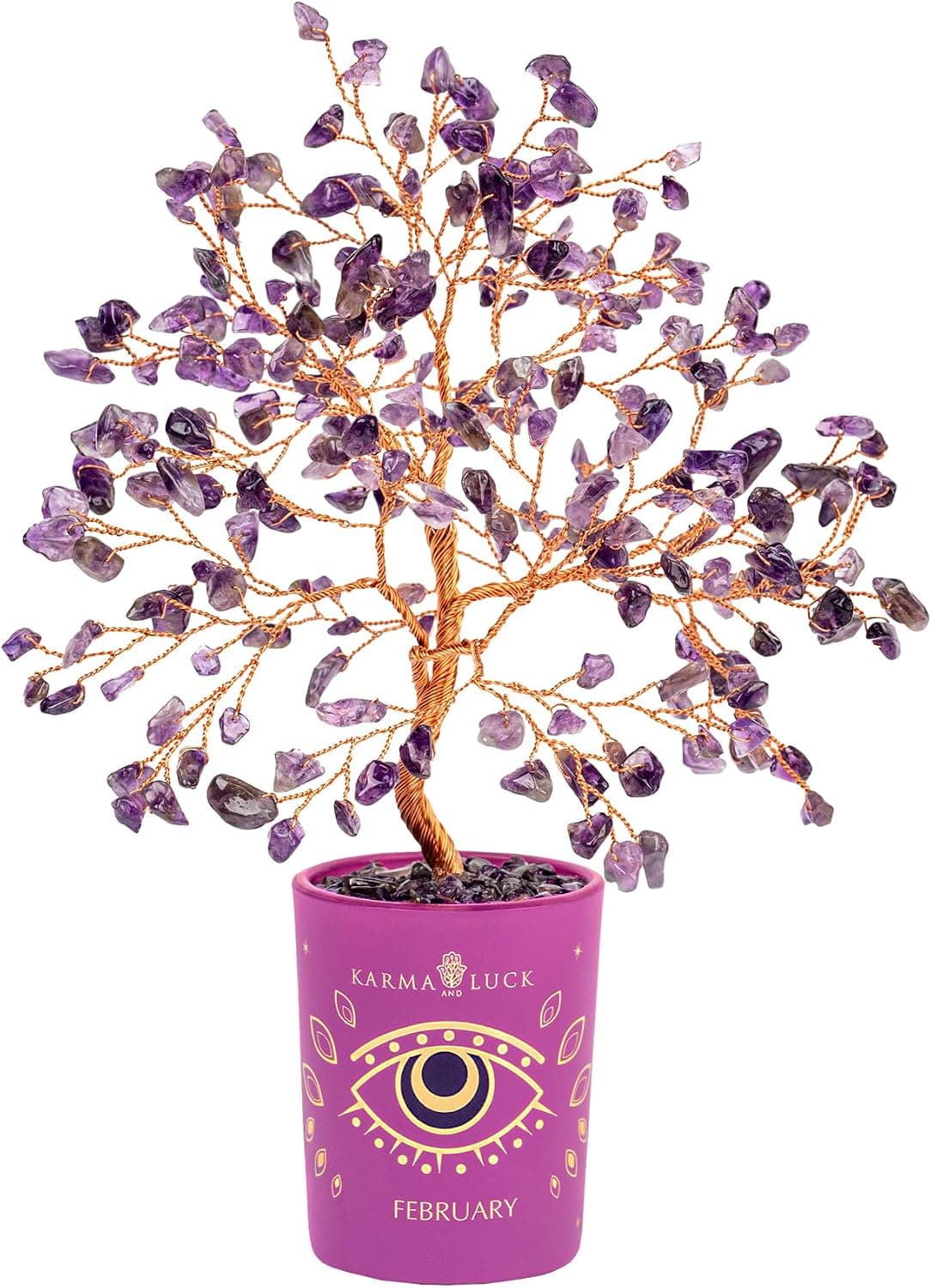 -29%
-29%Karma and Luck February Birthstone Crystal Tree of Life, Amethyst Gemstone Fe...
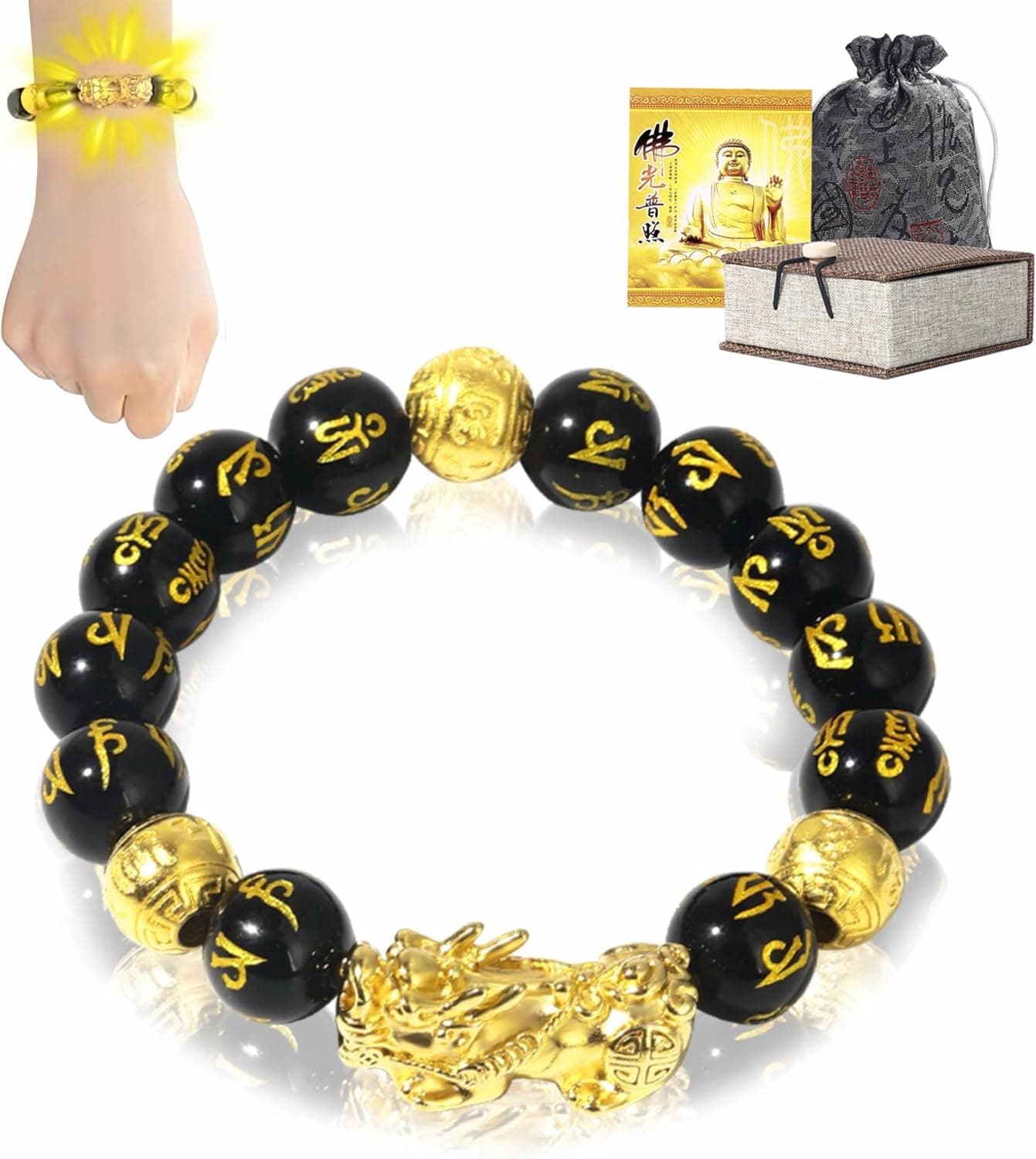 -50%
-50%biuufish Feng Shui Black Obsidian Bracelet for Men Women, 24K Gold Plated Pix...
As an Amazon Associate, we earn from qualifying purchases. We only recommend items our practitioners have personally tested.
Continue Your Journey
Explore these related guides to deepen your understanding:

Ready for Deeper Guidance?
Try our free I Ching reading for personalized wisdom, or explore our curated Feng Shui essentials.