Classical mian xiang measured structure, colour, and timing. The modern version froze one snapshot into a verdict — and that's where it breaks.
A reading that was accurate and useless
Three weeks after a consultation, a man came back with a complaint I've since heard in a dozen different accents. The reading had been accurate. It had also changed nothing. The practitioner took one look at his heavy, squared jaw and said: leadership, stubbornness, authority in later life. All true. And then stopped — because in the popular version of this art, the label is the end of the sentence.
A label is not information you can act on.
That gap between a correct observation and a usable one is where almost every modern mistake in Chinese face reading basics lives. Not in the reading itself. In what the reading is for.
What people believe they're getting
Ask a stranger what face reading is and you'll usually get one of two answers: a party trick that reveals whether someone is trustworthy, or a fortune-telling shortcut that tells you when you'll marry. Both assume the face is a code — fixed symbols, fixed meanings, decodable by anyone who buys the key.
That assumption is modern. It is also why so much of what circulates online is completely inert.
What the manuals actually measured
The classical literature — the Ma Yi Xiang Fa tradition compiled and expanded through the Ming, the Shen Xiang Quan Bian anthologies, the later Bing Jian attributed to Zeng Guofan — is not organised around symbols at all. It's organised around three overlapping measurement systems, and none of them is a meaning.
The Three Zones (三停, san ting) divide the face horizontally: hairline to brow, brow to the base of the nose, base of nose to chin. They are read as proportions and they map onto phases of a life — early, middle, late. A forehead occupying a third of the face is not "smart." It is a face whose upper zone is proportionally dominant, which the tradition associates with a life weighted toward its early phase. Proportion, not praise.
The Five Officers (五官) are functional: ears, eyebrows, eyes, nose, mouth. Each is assessed for position, openness, symmetry, and — this is the part that always gets dropped — the quality of what moves through it. Eyes are read for light, not shape. The nose is read for the bridge and the alar wings together, not the tip alone.
The Twelve Palaces (十二宫) are zones tied to domains: career, wealth, spouse, children, health. This is where the modern reader stops and starts assigning fortunes.
But the oldest layer, the one that makes the whole system cohere, is the reading of qi — colour, moisture, tension, light in the skin. A face can have excellent structure and poor qi, and the manuals are explicit that the qi reading takes precedence. Structure tells you the vessel. Qi tells you what's currently in it.
Different lineages also assign the five elements to the officers, and they don't always agree. The nose is earth almost everywhere; the mouth is water in some schemes and earth in others. That disagreement is instructive. It tells you the element assignment is a lens, not a fact — the same way the earth element personality traits describe a tendency rather than a fixed identity. When two good manuals conflict, the conflict is usually the teaching.
How the practice changed hands
Two things happened, and neither of them was the tradition's fault.
First, in China, mian xiang moved out of the scholarly and medical-adjacent world and into the marketplace. Street reading is a performance, and performance rewards speed and confidence. A reader who says "your jaw suggests late-life authority, but I'd want to see your colour in daylight and hear about the last six months" loses the crowd to the one who says "you'll be rich at forty-five." The compressed version survived. The diagnostic version thinned out.
Second — and almost nobody mentions this — the West absorbed the wrong tradition entirely. When European readers in the eighteenth and nineteenth centuries encountered Chinese physiognomy, they had already built their own: Lavater's system, which read facial features as fixed moral character and fed directly into the racial typologies that followed. That European physiognomy was discredited and deservedly buried. But it was buried under the same English word, and Chinese face reading got buried alongside it by association.
So the modern seeker inherits a marketplace-compressed version of mian xiang, filtered through a European framework that was never the same thing, and then wonders why it feels like astrology with extra steps.
What you're actually dealing with
Trace the mechanism and the whole thing reorganises.
Input: a face, at rest, in consistent light. Step one is proportion — where the three zones divide. This is not a judgment, it's a baseline. It tells you what phase of life the structure is weighted toward, the way tree rings describe growing seasons rather than the tree's character. Step two is function: are the five officers open, even, unobstructed? A mouth tight at the corners, a jaw carried forward, brows drawn in — these read as constriction in the classical vocabulary. Not "bad temper." Constriction. Step three is current state: colour, moisture, light. This is the layer that shifts week to week, and it carries most of the practical information.
Output: not a prophecy. A reading of where a person is load-bearing and where they're straining.
Adjustment points sit at every step, and that is the entire purpose of the system. Because the face is being read as a record of function, changing the function changes the face. The tradition says so outright. It's the pop version that freezes the reading into a permanent label.
Here's where psychology converges, and it's genuinely strange. Chronic emotional states do leave structural traces: repeated corrugator contraction deepens the lines between the brows, sustained jaw tension remodels the masseter, years of a held mouth alter the resting set of the face. The classical claim that the face records your habits is, in that narrow sense, correct. Ancient and modern agree on the recording. They diverge on permanence — and the pop version sides with permanence, which is exactly backwards.
The other psychological piece belongs to the reader. Humans thin-slice a face in under a tenth of a second and then spend the rest of the conversation rationalising the snap judgment. A face reader is not immune. The classical checklist — three zones, five officers, twelve palaces, then qi — exists to slow the snap judgment down. Someone who skips the checklist and goes straight to "he looks shifty" is not doing mian xiang. They're doing the thing mian xiang was built to correct.
Where it goes wrong
Three failure modes, in order of frequency.
The first is reading a photograph. Phone cameras at arm's length use wide lenses, and wide lenses stretch whatever is nearest — which is the nose. I've watched people conclude they have a weak bridge from a selfie taken at thirty centimetres and then build an entire self-assessment on a lens artefact. Read in person, in daylight, at conversational distance. That's the instrument the tradition assumes.
The second is reading a mood as a structure. Someone arrives after a hard season and the whole face is constricted: brow low, mouth set, jaw forward. A reader who doesn't ask about the past six months will write that down as character. It isn't. It's weather.
The third does the most damage — treating a reading as a verdict rather than a position. A weak chin, a low bridge, thin brows: these get internalised as permanent facts about a person's ceiling. The manuals don't say that. No competent practitioner would.
There's a philosophical reason, and it's the same one running beneath most Chinese metaphysics. Yin and yang aren't states, they're phases. A face read in a yang phase — bright, open, high colour — will look different in three months, and the reading should change with it. Any system that treats a snapshot as a permanent map has already left the tradition it claims to quote; the same cyclical logic governs Chinese symbolism more broadly. If you want the underlying engine, the practical application of yin and yang principles is where to start, because face reading is downstream of it.
The real fix
Do it in the right order, in the right conditions.
Find daylight — indirect, from the front or side, never overhead. Overhead light carves shadow into every recess and will make a balanced face look hollow. Sit at conversational distance. Ask what the last six months have been like before you look at anything.
Then measure, don't interpret. Divide the face into thirds and note which zone dominates. Look at the five officers as a set: are they even and unobstructed, or is one pulling the others? Only after that, read colour and light. The correct light for this is soft and directional — the face should look modelled, not flattened, with the eyes carrying a small highlight and no shadow cutting across the philtrum.
Write it down with the date. This is the single most useful habit in the practice, because it converts a claim into a comparison. Read the same face in six months and you'll learn more from the differences than from any book.
And when someone reads you, ask one question: what would change this? If the answer is nothing, you're not getting a reading. You're getting a label with a fee attached. The classical texts assume change — that's why they keep telling you to look again. The Tao Te Ching's account of wu wei is a useful corrective here, since it takes the same position: read the situation as it is now, not as a fixed verdict.
One more thing, plainly. Face reading is not a substitute for character, and the tradition never claimed it was. It's a diagnostic vocabulary — a way of describing constitution, current state, and timing in a shared language. Used that way it's precise, and often startlingly useful. Used as a verdict, it's just physiognomy with better branding, and physiognomy has a body count.
Questions I get asked
Is mian xiang the same thing as Western physiognomy?
They share an English word and almost nothing else. European physiognomy, from Lavater onward, read features as fixed moral character and slid quickly into racial hierarchy. The Chinese tradition reads proportion and current state against a cyclical model of time, and its manuals repeatedly instruct the reader to reassess. The resemblance is a translation accident.
Can you read a face from a photo?
Badly, and for a mechanical reason. Wide-angle phone lenses distort whatever sits closest to the glass, which is the nose, and flat lighting erases the colour layer that carries most of the real information. A photograph gives you structure at best, and structure is the slowest-moving part of the reading.
Does a so-called bad feature mean anything permanent?
The manuals are far more optimistic than their modern readers. A feature describes where someone carries load — the pressure point, not the outcome. And because the system reads function rather than fate, the answer to a difficult feature is always the same: change what the face is recording, then look again in six months.
David Liu
Traditionally informed guidance • Cross-referenced with classical Chinese source texts
Rooted in classical Chinese metaphysics and cross-referenced with original texts. Product recommendations are based on traditional symbolism, not guaranteed outcomes.
Practitioner-Selected Tools for This Topic
Items our team has tested and found effective for the principles discussed above. Individual results may vary.
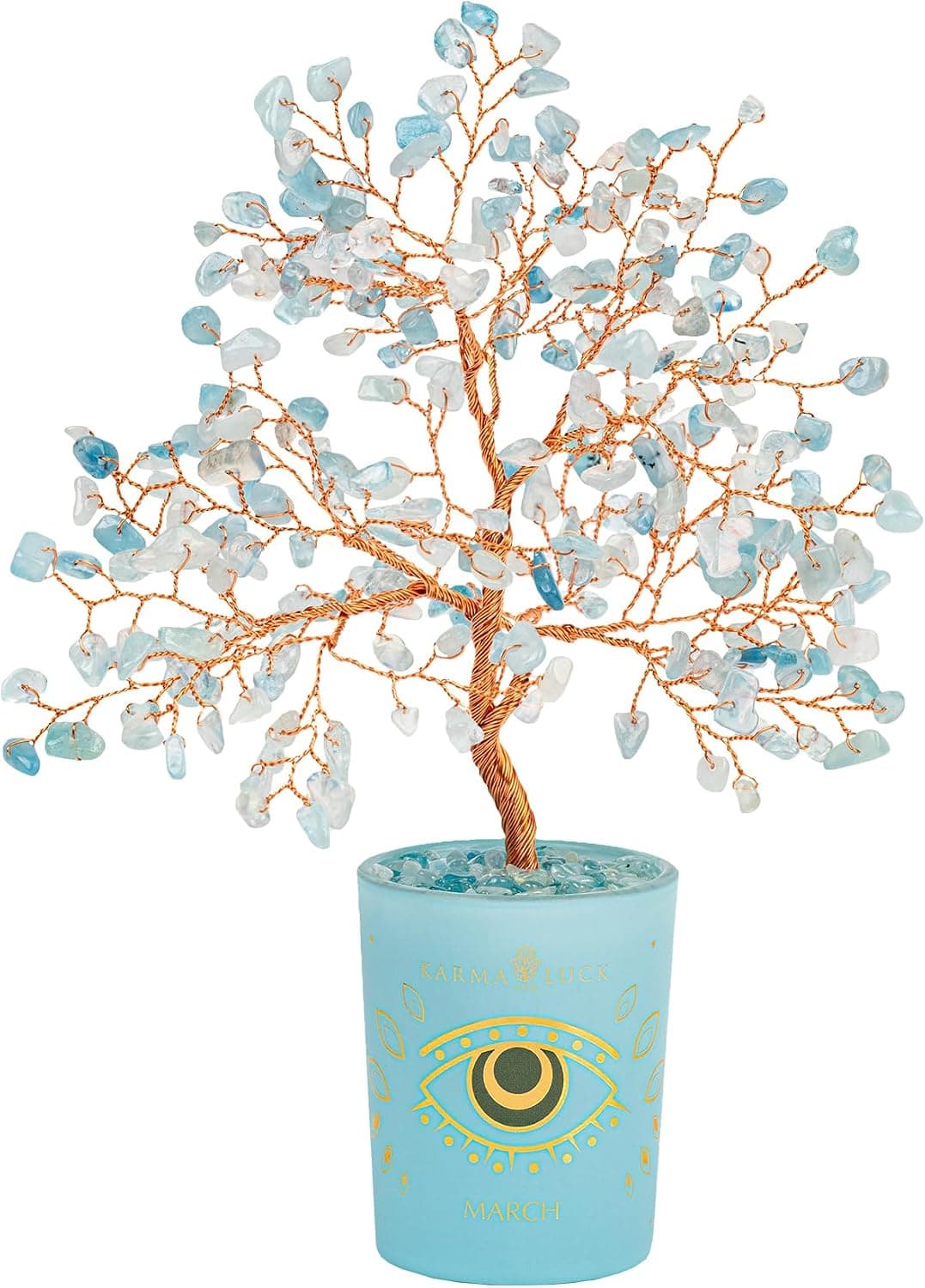 -29%
Karma and Luck March Birthstone Crystal Tree of Life, Aquamarine Gemstone Fen...
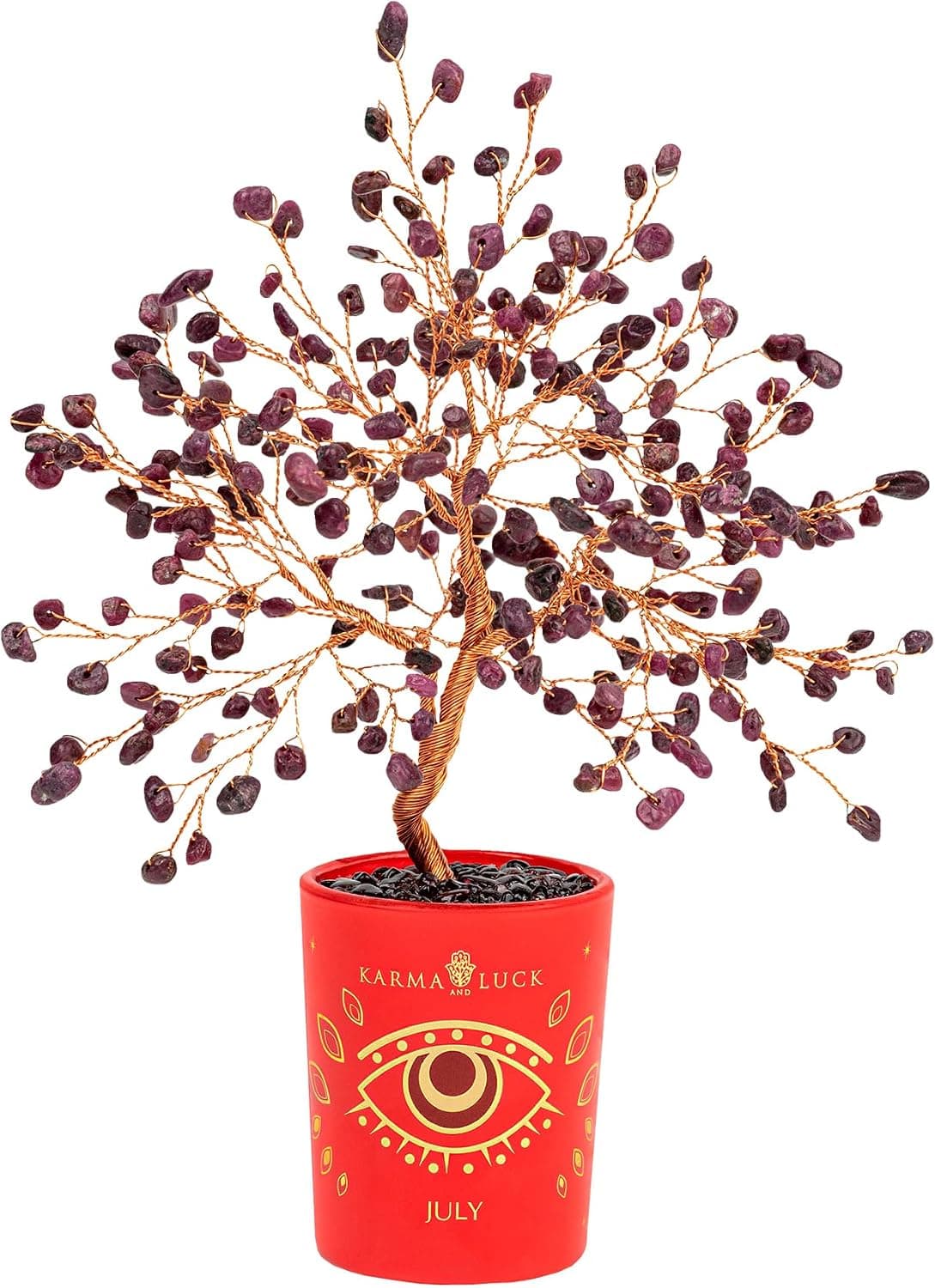 -29%
Karma and Luck July Birthstone Crystal Tree of Life, Ruby Gemstone Feng Shui ...
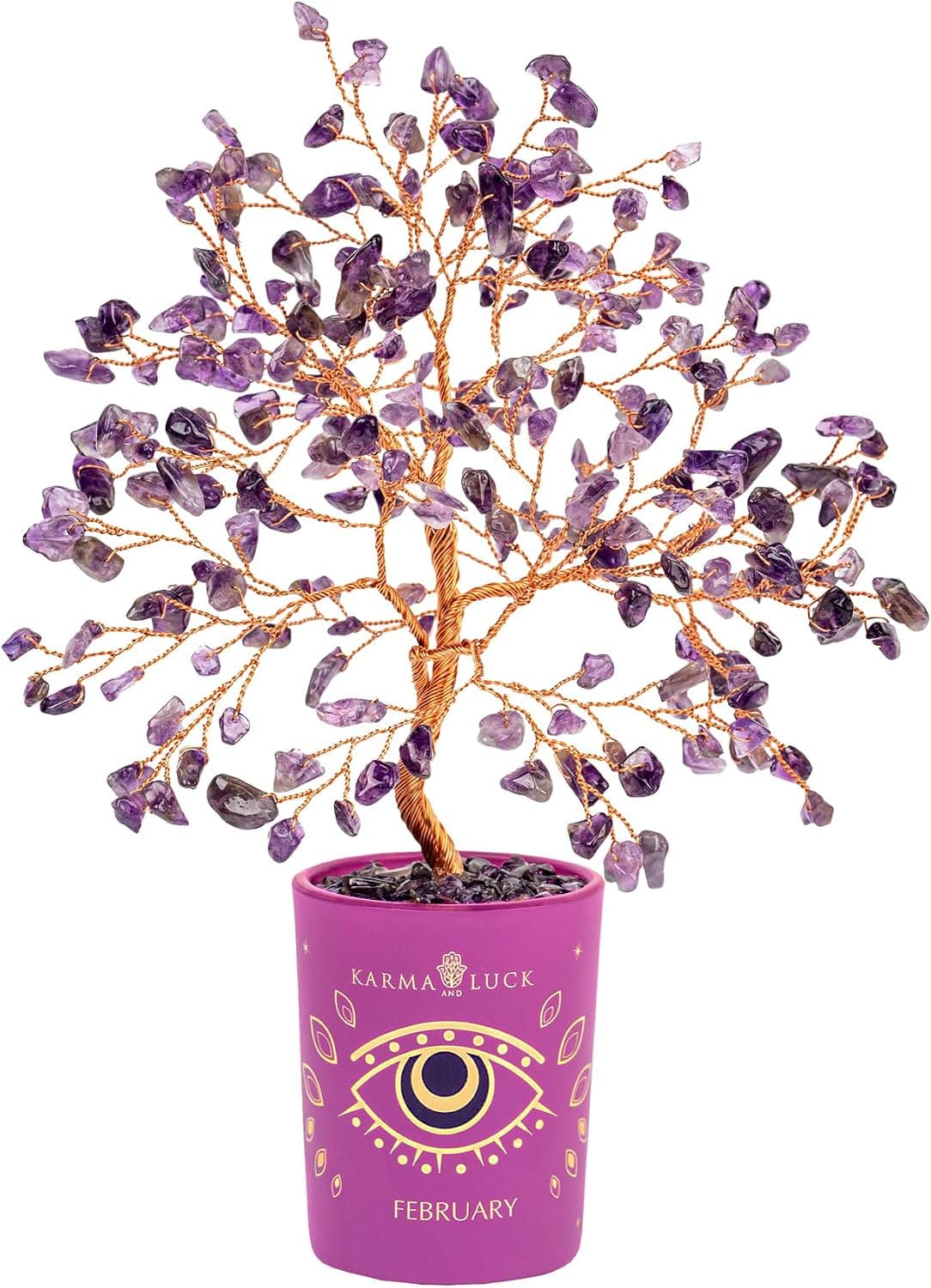 -29%
Karma and Luck February Birthstone Crystal Tree of Life, Amethyst Gemstone Fe...
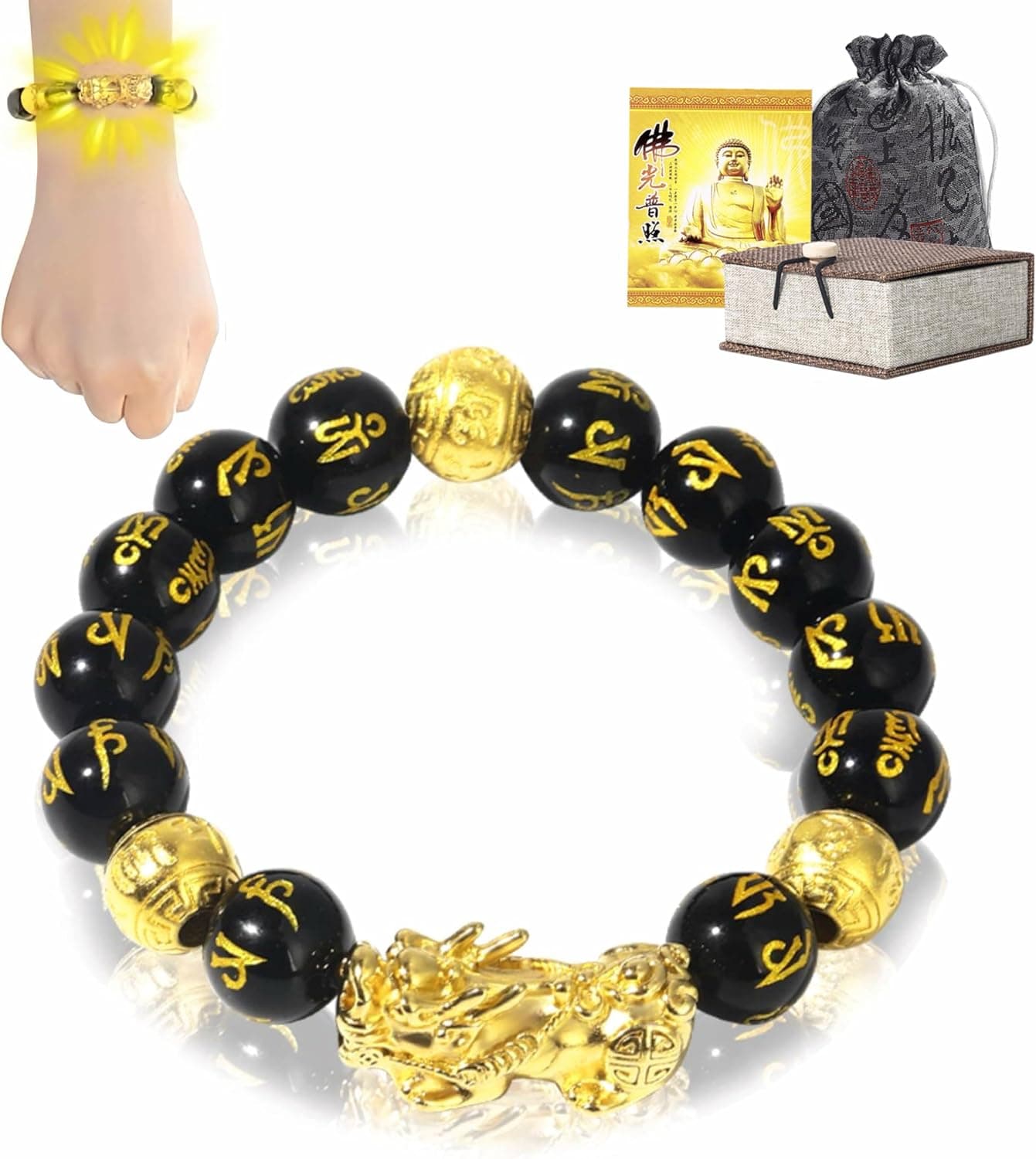 -50%
biuufish Feng Shui Black Obsidian Bracelet for Men Women, 24K Gold Plated Pix...
As an Amazon Associate, we earn from qualifying purchases. We only recommend items our practitioners have personally tested.
Continue Your Journey
Explore these related guides to deepen your understanding:

Ready for Deeper Guidance?
Try our free I Ching reading for personalized wisdom, or explore our curated Feng Shui essentials.