Grounding is a Western import. The earth type's real job is digestion — and in a Fire-heavy 2026, most of them are choking on it.
The Cultural Adaptation
A beige apartment. Oatmeal rug, sand-colored sofa, a shallow bowl of smooth river stones on the coffee table, and a person living in it who cannot decide what to eat for dinner.
She had done everything the internet told her. Stones for grounding. A jade plant for stability. Earth tones in every direction. A dish of sea salt by the door. After eighteen months of it she was more stuck than when she started: sleeping ten hours, forgetting appointments, apologizing for things she hadn't done.
The standard description of the earth type says she should be thriving in that room. Calm. Nurturing. Reliable. The one everybody calls when the plan collapses.
That description isn't wrong so much as it is a translation, and a fairly lossy one. In the classical Chinese material, earth sits at the center of the five phases and governs 信 — xin, usually rendered as trust or sincerity. It's the phase of the granary and the threshing floor, the stored harvest, the thing that holds value across a winter. It belongs to late summer, to the eighteen-day transition at the end of each season, and to the spleen and stomach in the organ correspondences. Read that list again and notice what's absent: nothing in it says soft, and nothing says passive. Earth in the old texts is a working phase — storage, ripening, conversion — and the personality reading was built from that labor, from farmers and quartermasters and mothers whose virtue was that they could be counted on to still be there in March.
Then it crossed an ocean. Somewhere in the 1970s the word "earth" collided with the Western grounding movement — bare feet on grass, grounding mats, the notion that modern bodies are electrically disconnected and need to discharge into soil. That is a completely different operation. One is about holding and ripening. The other is about release and drainage. Fuse them and you get a personality profile that reads like a piece of furniture: stable, warm, immovable, beige.
So the woman in the beige apartment had been treating herself as a battery that needed discharging, when the classical model says she's a granary that needs a door.
What You're Actually Dealing With
Earth is the pause, not the place.
In the old calendar, each season closes with an eighteen-day window called 土用 — doyō in Japanese, still printed on calendars there and still respected by builders who won't break ground during it. Those windows are earth's season. Not a location. A duration. A gap between one state and the next, where things are neither growing nor finished, and the entire job of the phase is converting what just happened into something that can be carried forward.
That's why the digestion metaphor is the useful one, and why it's the first thing I reach for when someone tells me they're "such an earth person." Digestion is the body's conversion department: it takes what arrived, breaks it down, sorts the useful from the rest, and sends the remainder out. When it works you never notice it. When it stalls you notice nothing else. This is also the part that standard earth element personality traits lists leave out — the phase is a duration, not a temperament, and durations can run long.
Psychologically, this is the machinery behind rumination. A conversation from three weeks ago arrives again, whole, at two in the morning. Undigested. The mind is trying to complete a conversion it never finished, because the person never got a clean boundary around the event: no closure, no decision, no line drawn. Earth types don't ruminate because they're sentimental. They ruminate because they're carrying inventory they haven't been able to process, and the phase that governs processing is the one they were told to express by buying a beige throw pillow.
I've watched this pattern enough times to state it flatly: the earth type's problem is almost never a shortage of stability. It's a shortage of edges.
The Hidden Pattern
Walk into a room arranged by someone with heavy earth and you can feel it in about four seconds. Everything is soft and nothing has a threshold. Wall-to-wall carpet. A sofa pushed flat against the longest wall, facing the television, so anyone sitting on it has their back to the door and must turn their whole torso to see who came in. A coffee table the size of a door. Curtains that stop two inches above the floor. A dining table that is technically for eating but functions as a shelf.
The psychology here isn't mystical. Attention is cheap to spend once and expensive to spend repeatedly, and a room without a clear edge forces a hundred small decisions a day — where does this go, what is that, is that pile mine. Ambiguous space is cognitively expensive. A boundary, by contrast, is a decision that's already been made, which is why a hard-edged rug or a visible threshold reads as relief rather than restriction. Refuges work because they have walls. You cannot rest in a space that hasn't told you where it stops.
There's a second pattern that's less obvious and, to my mind, more interesting. Earth's virtue is 信 — trust, reliability, keeping faith. In a life where you are the person who keeps faith, everything you've ever been trusted with becomes something you cannot put down. Old letters. A chair with a broken leg. A friendship that ended in 2019. The three-year-old jar in the back of the cupboard. Discarding any of it feels like a small betrayal, and earth types are constitutionally bad at small betrayals.
So they accumulate. And the accumulation isn't greed or laziness. It's loyalty with nowhere to go.
Compare the metal type, who needs structure more than comfort and will cheerfully throw out a chair that no longer has a function. The two drive each other crazy in shared houses, and they are in fact the correct medicine for each other. Metal drains earth. It gives the granary something to make.
When It Goes Wrong
Here's the failure mode I keep running into, specific enough to state in one line: the advice was followed correctly, and it made things worse.
Someone reads that earth types need more earth. So they add. More earth tones, more pottery, more routine, more stone, more slow mornings. They build a life with no interruptions in it. Within a year they have a low-grade fatigue they can't explain, weight that arrived without a change in diet, a mild resentment running all the time with no object they can name, and a decision-making process that has slowed to the point where choosing a restaurant takes twenty minutes.
That is not earth deficiency. That is earth surplus. The five phases have two corrective relationships, not one: a phase is drained by what it produces and controlled by what doesn't feed it. Earth produces metal; wood controls earth. Nothing in the system says feed earth more earth. That instruction is a modern invention, and it happens to be the one that gets repeated most.
2026 makes this sharper in a way worth naming. This is a Fire year in the sexagenary cycle, a Fire Horse, and it sits inside Period 9, the twenty-year Fire period that began in 2024. Fire produces earth. So earth types are being over-fed by the ambient climate right now — over-mothered, over-warmed, over-supplied. The classical response to an over-fed phase is not more of the mother. It is a controlled cut.
The Real Fix
Give the room one hard edge.
Not a whole redesign. One object with a genuine line to it, placed where your eye lands when you're deciding whether to start something. A metal-framed chair. A console with square corners. A rug with a visible border instead of carpet running wall to wall. If you rent and can't touch the flooring, a bordered rug laid over the carpet does the same job — the edge is doing the work, not the material. Same logic applies to yin and yang principles when you actually apply them: balance isn't a mood, it's an alternation with edges on both sides.
Then turn the seating. Put the main chair at an angle to the door rather than square to it or back to it — you want the doorway in peripheral vision without facing it head-on. This is the old command position, and it survives scrutiny for reasons that have nothing to do with energy. An unmonitored entrance is a low-grade vigilance task, and vigilance is expensive. Turn the chair and the vigilance bill drops.
Third, and this is the part people resist: finish something every week. Earth produces metal. Output is the drain. A completed object — a repaired drawer, a letter sent, a hem mended, a document actually filed — moves the phase along in a way no amount of sitting quietly will. Earth types are excellent at maintenance and terrible at completion, because maintenance never ends and completion always requires a small betrayal of the unfinished.
Fourth, borrow the doyō idea for your own calendar. Give transitions a fixed window instead of an open one. Eighteen days to grieve a job, then it goes in the cupboard. A defined two-week gap between projects. The pause is supposed to have a length. When it doesn't, it stops being a pause and becomes a personality.
None of this requires belief. It requires a room with a boundary in it and a calendar with a finishing line. If you want the contrast case, the wood element personality runs on the opposite deficit — too much edge and not enough ground — which is why wood and earth so often end up as each other's best correction.
Questions I Get Asked
Does an earth type need more earth in their home?
Usually the reverse. In the control cycle, earth is drained by metal and restrained by wood, so the corrective move is an edge or an output, not another beige cushion. If you've added earth for a year and feel heavier rather than steadier, that's your evidence.
Is grounding the same thing as earth energy?
No, and the difference matters more than it sounds. Grounding is a discharge model borrowed from electrical language; the classical earth phase is a storage and conversion model. One empties you into the soil, the other asks you to ripen what you're already holding. They are close to opposites.
How do I know whether I'm actually an earth type?
Most people who assume they are have read a habit, not a chart. If you want the real answer, look at your day master in a BaZi chart — 戊 wu or 己 ji earth — rather than a magazine quiz. But you don't need the chart to act: if your rooms have no edges and your calendar has no finishing lines, the corrective work is the same either way.
David Liu
Traditionally informed guidance • Cross-referenced with classical Chinese source texts
Rooted in classical Chinese metaphysics and cross-referenced with original texts. Product recommendations are based on traditional symbolism, not guaranteed outcomes.
Practitioner-Selected Tools for This Topic
Items our team has tested and found effective for the principles discussed above. Individual results may vary.
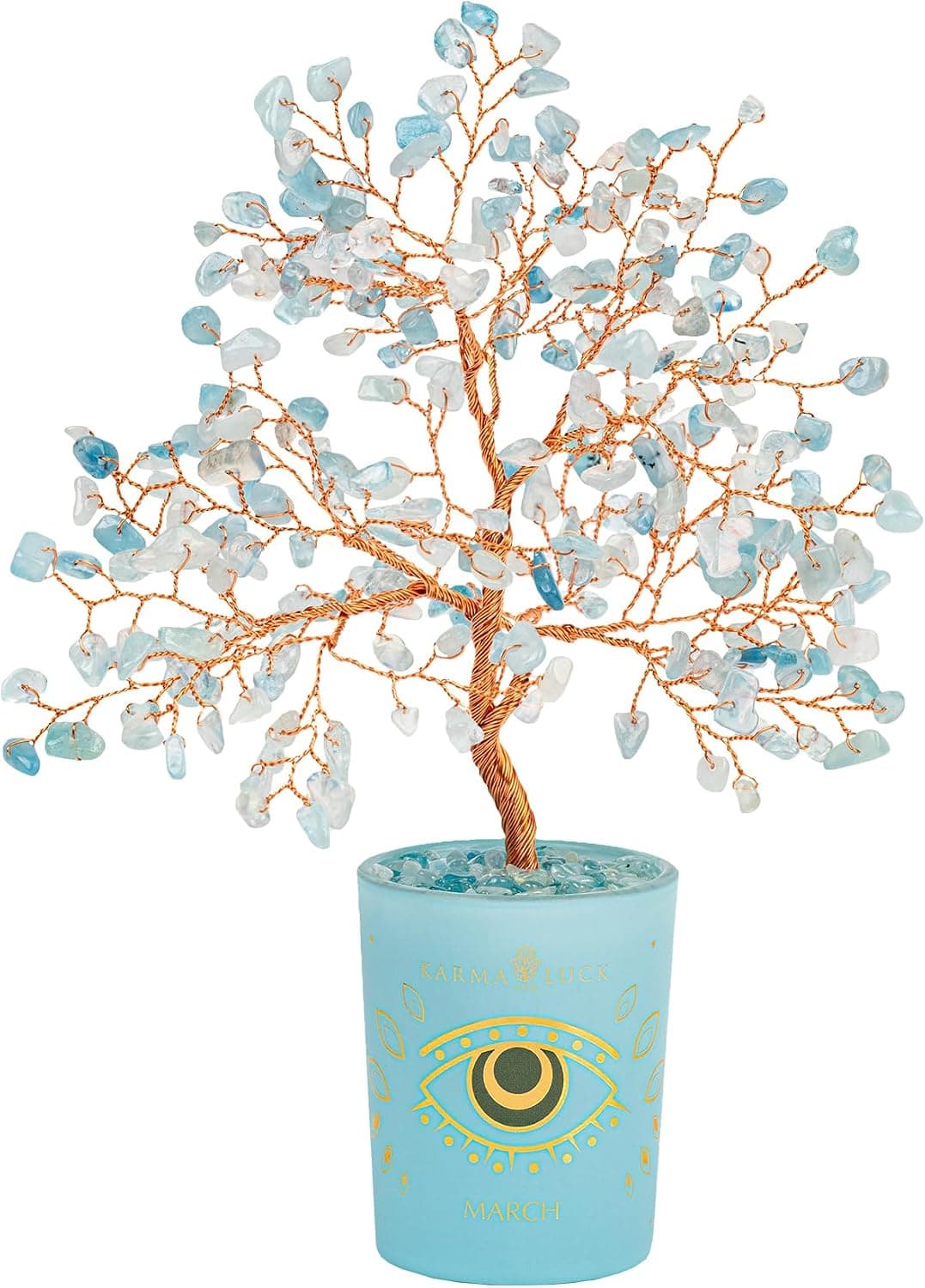 -29%
Karma and Luck March Birthstone Crystal Tree of Life, Aquamarine Gemstone Fen...
 -29%
Karma and Luck July Birthstone Crystal Tree of Life, Ruby Gemstone Feng Shui ...
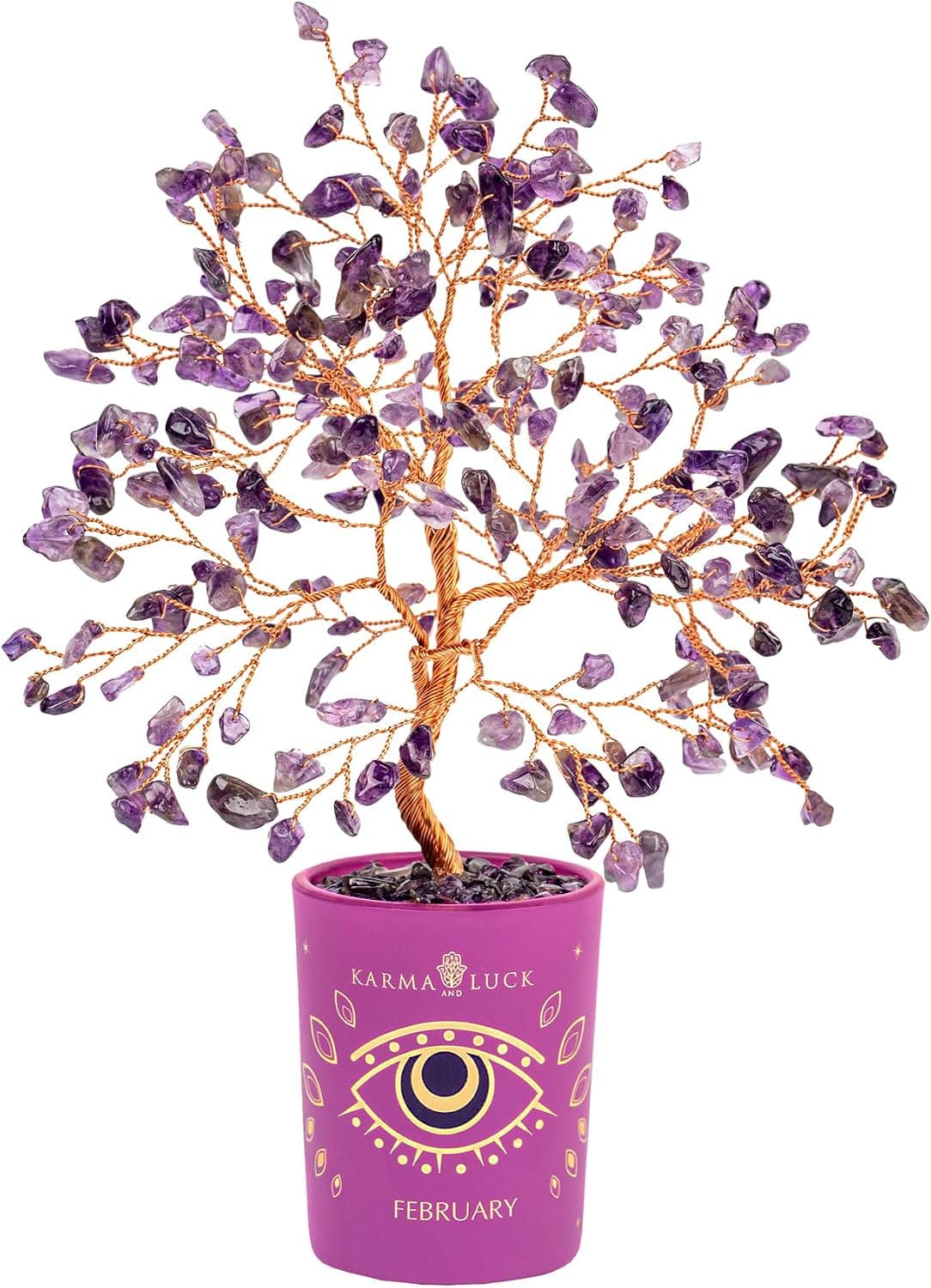 -29%
Karma and Luck February Birthstone Crystal Tree of Life, Amethyst Gemstone Fe...
 -50%
biuufish Feng Shui Black Obsidian Bracelet for Men Women, 24K Gold Plated Pix...
As an Amazon Associate, we earn from qualifying purchases. We only recommend items our practitioners have personally tested.
Continue Your Journey
Explore these related guides to deepen your understanding:

Ready for Deeper Guidance?
Try our free I Ching reading for personalized wisdom, or explore our curated Feng Shui essentials.