Chinese symbols work best as living models of meaning, not decorative labels—especially at doorways, thresholds, and places where habits form.
When a Lucky Character Is Hung Backwards
A reversed fu character can be completely correct in the right setting, especially at a doorway during Lunar New Year, where the play on words is meant to invite fortune to arrive. The problem is not the upside-down placement itself. The problem is reading chinese symbols as if they always behave like simple labels.
At a threshold, a red blessing does more than decorate the wall. It marks arrival, slows the pace of entry, and gives the household a small ritual of welcome. The same character taped above a cabinet, tucked into a drawer, or pinned on a refrigerator would speak differently because its job would change with the space.
Before you interpret any symbol, ask where it sits, what action passes through that area, and what habit it is trying to shape.
That question is more useful than asking, “What does it mean?” A symbol may protect, instruct, bless, calm, or direct attention depending on how it is used. Once that becomes clear, much of the confusion falls away.
In one narrow entry hall, a red paper blessing was fixed above a shoe shelf, with a key bowl directly beneath it. Nothing about the arrangement was accidental. Shoes were lined up, mail was sorted, and clutter was kept out of the passage. A guest saw wall decor. The room revealed a daily discipline instead: fewer rushed departures, less searching for lost keys, and a noticeably steadier mood at the door.
Symbols are rarely passive. They teach by repetition.
Why These Forms Work as Models, Not Labels
Chinese symbolic thinking is less about naming objects than about showing relationships. A dragon, crane, knot, color, or character usually stands for a pattern of force, conduct, season, or obligation rather than a single fixed idea.
That is why one image can carry social, moral, and spatial meaning at the same time. A character in a family room may remind someone to act with restraint. A motif above an entrance can suggest protection and order. A jade-toned object on a shelf can soften a room without competing for attention.
There is also a practical reason these forms stick. Repeated exposure shapes attention before interpretation catches up. If a sign appears every time someone crosses a doorway, the body begins to associate that passage with pause, transition, or permission. The meaning becomes embodied.
Color and scale matter for the same reason. Red feels active and warm. Gold suggests value or elevation. Black can seem grounding, formal, or deep. Jade often reads as calm and refined. Those responses are partly cultural, but they are also sensory.
For another angle on how balance is felt in everyday settings, see how yin and yang show up in ordinary routines.
From Oracle Bones to Brushwork
The earliest Chinese signs were not designed to impress visitors. They were used to ask questions, record outcomes, and track patterns that mattered to rulers, families, and ritual experts. That history still shapes how the forms are understood today.
As writing developed, brushwork added rhythm and pressure. Ink density altered the mood of a character. A heavy stroke could feel firm and authoritative. A lighter one could suggest motion, restraint, or breathing room. Calligraphy turned meaning into an action the eye could follow.
That is why a scroll in a small apartment is not merely wall art. A vertical composition can stretch the feeling of a low ceiling. A centered character can settle a busy wall. A repeated phrase can give the room a measured pulse.
Reading a character and living with it are not the same thing. One is analytical. The other is environmental.
For the timekeeping side of this worldview, the logic of the Chinese calendar shows how time can be organized as pattern rather than countdown.
For the seasonal layer, the solar terms map how change arrives in stages instead of all at once.
Balance Without the Slogan
People often flatten yin and yang into “two opposites getting along.” That is too simple. The idea is about mutual dependence. Each side defines the other, changes into the other, and loses meaning when treated alone.
This is where philosophy becomes practical. A balance symbol can reduce inner friction because it reframes conflict as relation. You are not choosing one permanent camp. You are noticing a shift.
That matters in a north-facing bedroom, where cool light can make the room feel split between wakefulness and rest. A black-and-white motif near the doorway will not transform the architecture, but it can cue a quieter crossing from public mood to private mode. Small cues often do the heavy lifting.
Balance imagery works because it makes complexity easier to hold. The mind relaxes when it sees coordination instead of combat.
To see how this becomes daily practice, compare it with yin yang philosophy in daily life and the step-by-step habits behind practical balance work.
Quiet symbols often change a room before anyone notices why.
Why the Same Image Can Mean Different Things
In Daoist settings, a symbol may point toward natural process, emptiness, or alignment with what is unforced. In Confucian contexts, the same visual language can lean toward order, duty, propriety, and character cultivation. In Buddhist spaces, symbols may invite detachment, compassion, or insight into impermanence.
Folk practice is even more situational. A sign can protect an entrance, honor ancestors, bless a room, or mark a seasonal turn. Its force is not only in the image. It is also in the act around it: hanging, bowing, repeating, or placing it in a specific spot.
That is why one family may use the same red character for fortune, another for discipline, and another simply because an elder kept the custom alive. The form remains familiar while the purpose shifts.
This is not inconsistency. It is context.
For the ritual dimension, festival customs reveal how symbols move through family life. For the inward dimension, meditation changes how symbols land in the body, not just in the mind.
Where Placement Changes the Message
A symbol above an entrance tends to govern. A symbol on a table tends to accompany. A symbol in a bedroom can calm or agitate, depending on tone and repetition. A symbol in a storefront frames the mood before anyone reads the menu or price list.
In one café, a yin-yang emblem was printed in muted ink near the register. A visitor photographed it as “Eastern balance,” which missed the point entirely. The owner had placed it there to suggest restraint. The cups were matte, the wood unfinished, and the menu short. The image matched the whole room.
Symbols never stand alone. They sit inside architecture, color, movement, and social expectation. Symmetry in a temple can imply order and protection. High placement above a doorway can suggest authority. Repeated motifs can slow the eye and create ceremony.
In smaller homes, this matters even more. When square footage is tight, every object has to earn its place. A scroll can define a wall. A plaque can steady an entry. A single sign can turn a narrow passage into a deliberate threshold.
If you want a broader frame for place and discernment, this approach to spiritual guidance shows how spatial cues shape judgment.
Ask What the Symbol Is Doing Here
That question keeps you out of two traps at once: superstition and empty aesthetics. It also avoids a common Western habit of treating symbols as if their meaning were complete the moment you translate the words. In Chinese thought, meaning is often enacted, not merely stated.
Ask what the symbol is doing here, and you will start to notice the practical job it performs. Is it marking a boundary? Training a habit? Honoring a value? Softening a transition? Organizing movement through the room?
Now return to the reversed fu on the door. The outsider sees an error. The household sees a playful turn that calls fortune to enter. It sits at a threshold, where arrival matters. The red color pulls the eye. The ritual repetition gives it memory. That is how a symbol becomes part of life instead of a fact on a page.
The larger lesson is plain: symbols teach through arrangement. Their power comes from use, context, and repetition. A calligraphy scroll in a living room may shape the atmosphere of the whole space. The same scroll in a closet would hardly carry the same weight.
FAQ
Why is a fu character sometimes hung upside down?
Because the phrase for “upside down” sounds like “arrive” in this context, so the placement can suggest fortune coming in. It is a wordplay tradition, not a mistake.
Are Chinese symbols just for decoration in modern homes?
Not always. In many homes they still guide behavior, mark transitions, or set a mood at the door, in a prayer corner, or near family objects. Decoration may be part of it, but it is rarely the whole story.
How can I tell if a symbol is being used respectfully?
Look at the setting and the intention behind it. A single well-placed image used with care is usually more respectful than a crowded wall of random motifs with no relation to the room.
Does placement in feng shui really change the meaning?
Yes, because people respond to position before they consciously analyze it. A doorway cue, a bedside image, and a high wall hanging all speak differently even if the picture is the same.
I bought a calligraphy print. Where should I hang it?
Put it where it can shape the feeling of the room rather than disappear into clutter. Entry halls, study corners, and clear wall space often work better than crowded shelves or storage areas.
Can I use a symbol if I do not know Chinese language or history?
Yes, but learn the context first. The safest approach is to understand what the image is meant to do, not just what it looks like or how it translates.
David Liu
Traditionally informed guidance • Cross-referenced with classical Chinese source texts
Rooted in classical Chinese metaphysics and cross-referenced with original texts. Product recommendations are based on traditional symbolism, not guaranteed outcomes.
Practitioner-Selected Tools for This Topic
Items our team has tested and found effective for the principles discussed above. Individual results may vary.
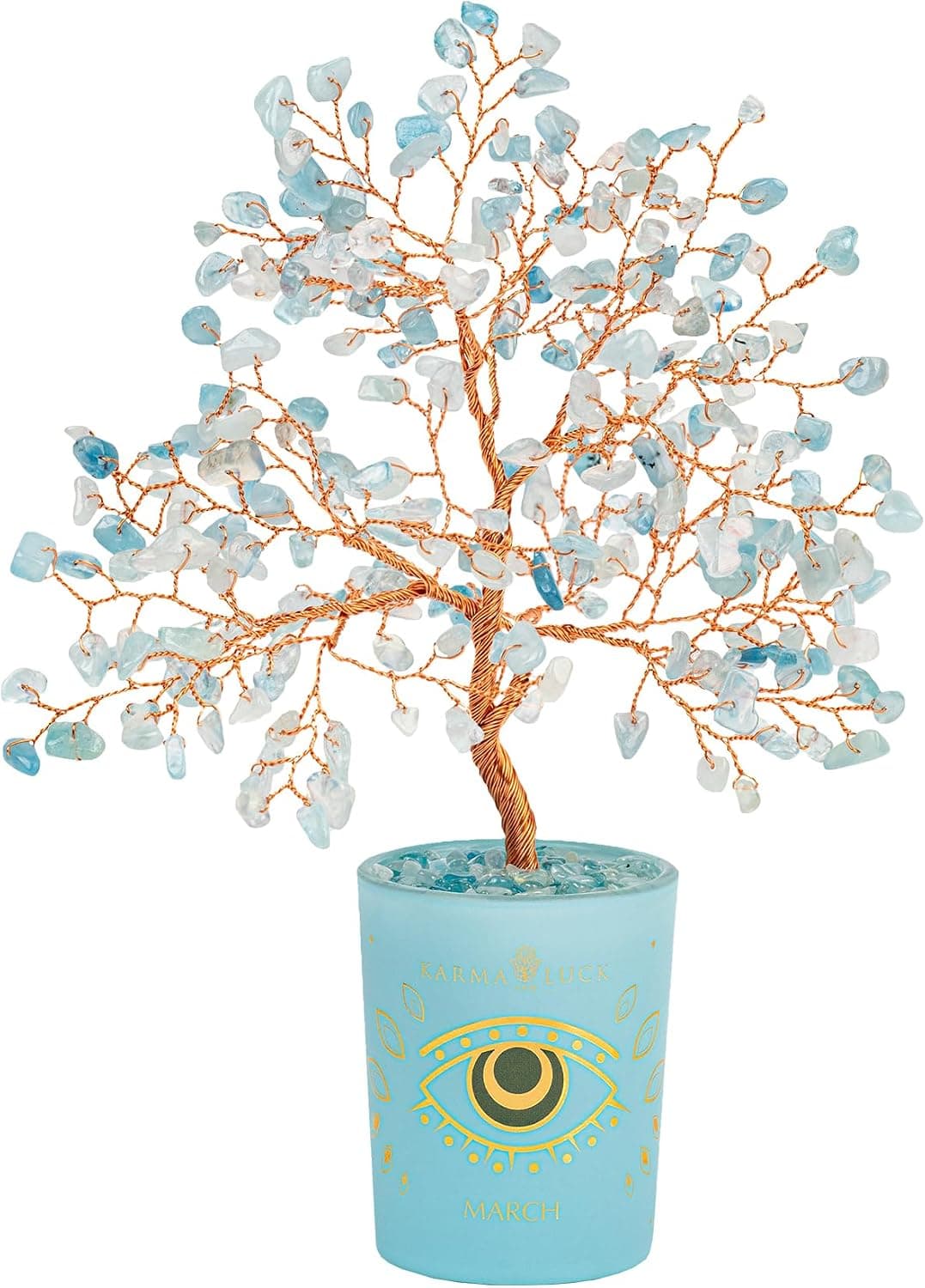 -29%
-29%Karma and Luck March Birthstone Crystal Tree of Life, Aquamarine Gemstone Fen...
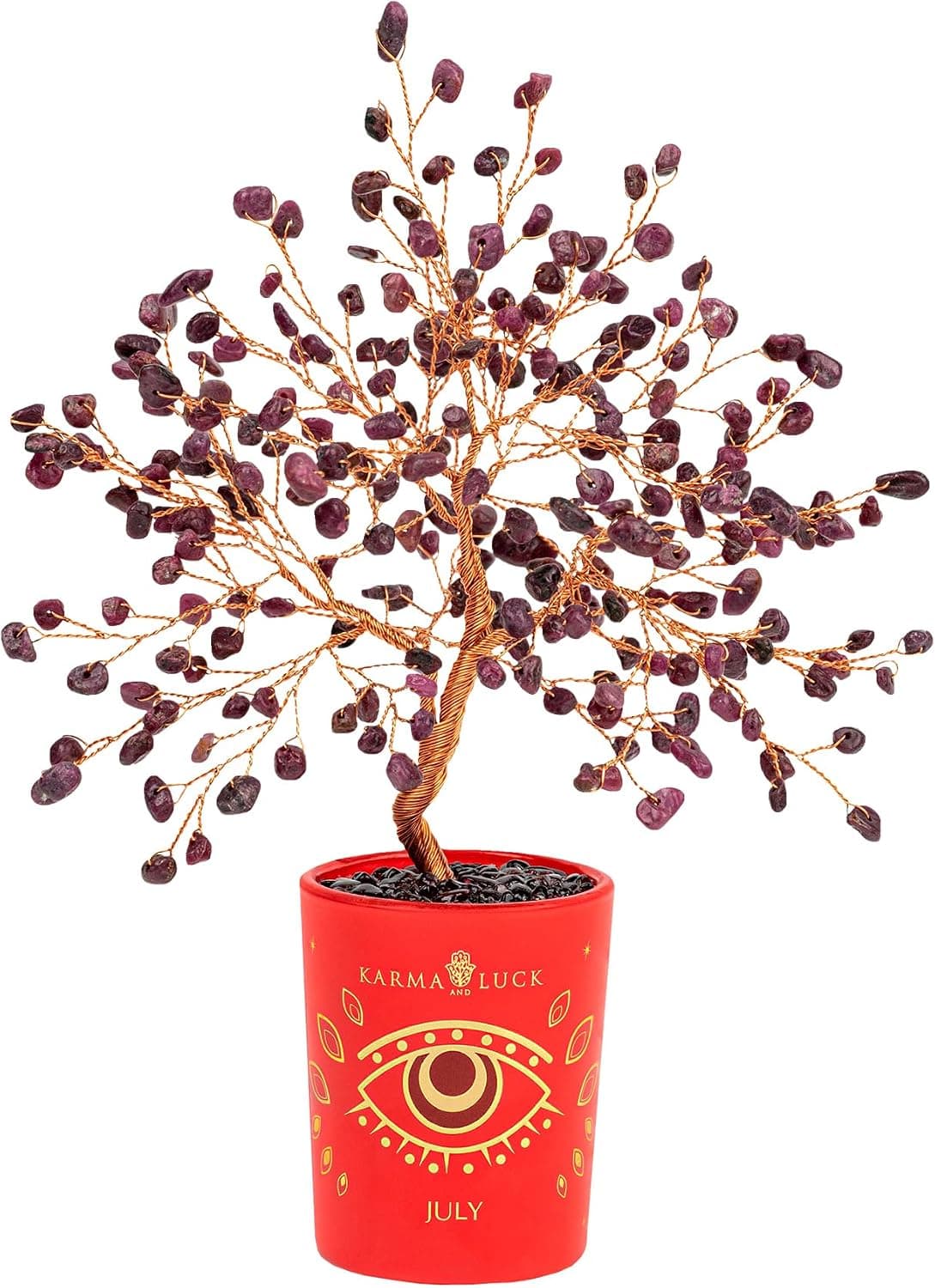 -29%
-29%Karma and Luck July Birthstone Crystal Tree of Life, Ruby Gemstone Feng Shui ...
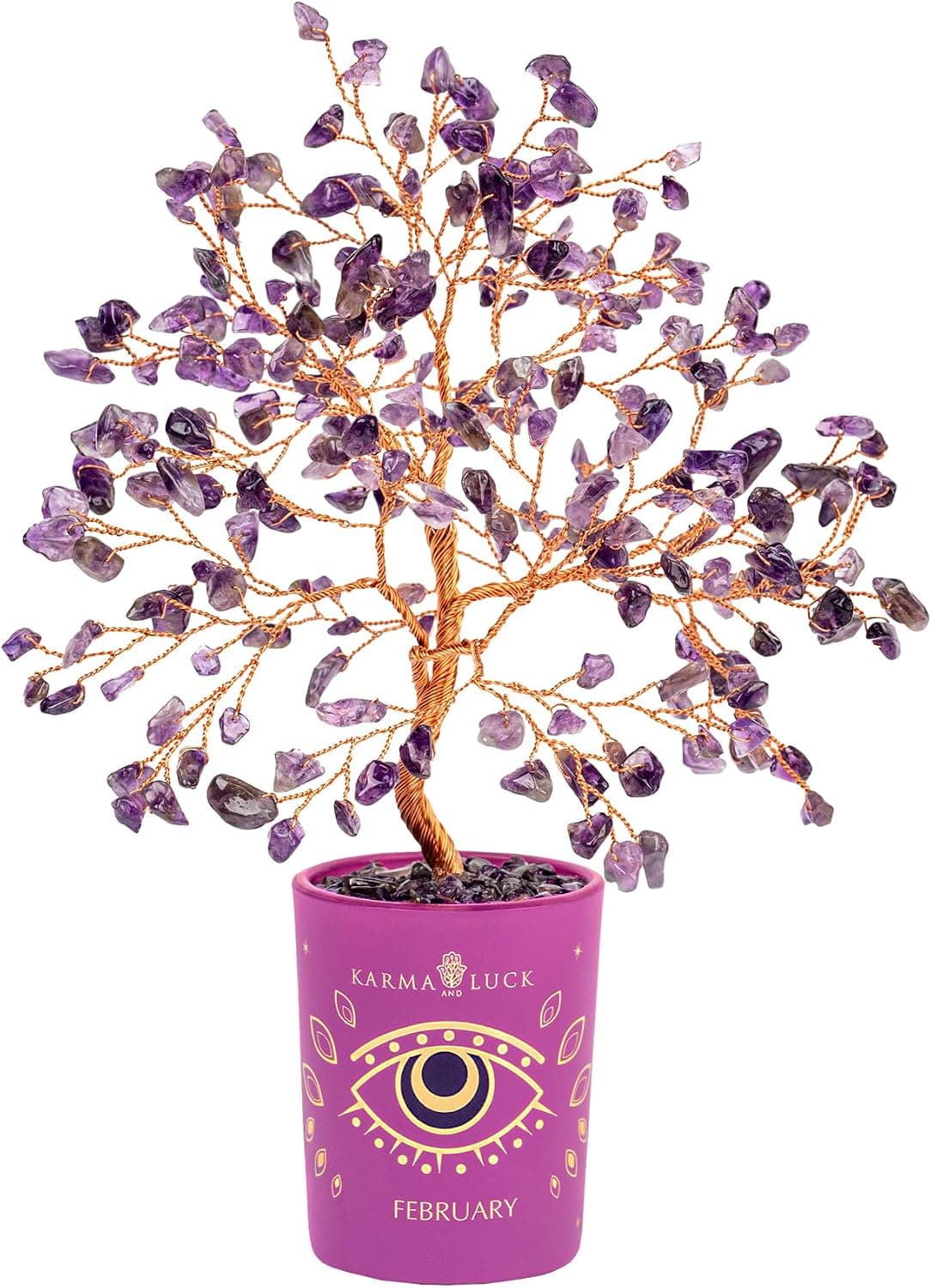 -29%
-29%Karma and Luck February Birthstone Crystal Tree of Life, Amethyst Gemstone Fe...
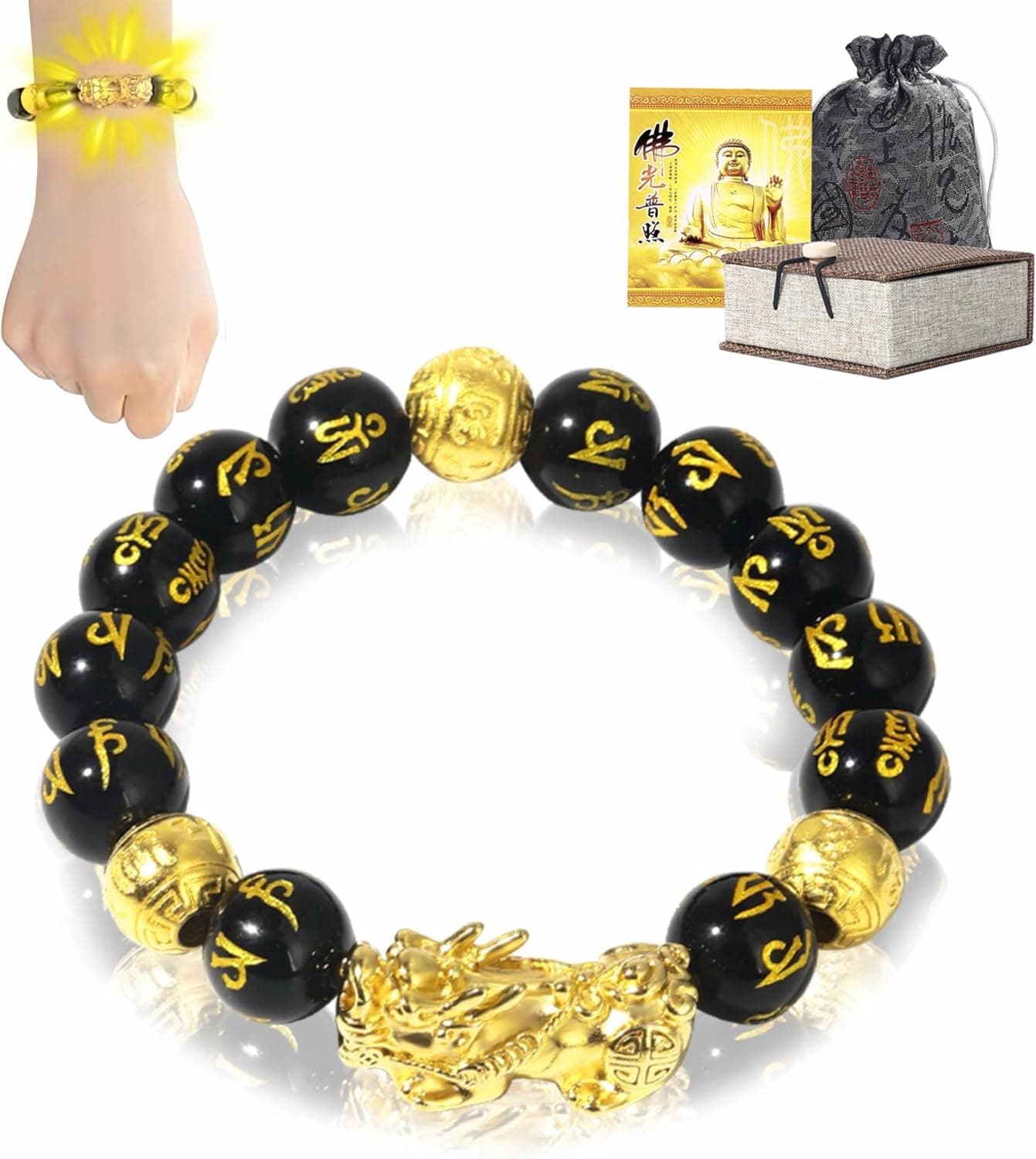 -50%
-50%biuufish Feng Shui Black Obsidian Bracelet for Men Women, 24K Gold Plated Pix...
As an Amazon Associate, we earn from qualifying purchases. We only recommend items our practitioners have personally tested.
Continue Your Journey
Explore these related guides to deepen your understanding:

Ready for Deeper Guidance?
Try our free I Ching reading for personalized wisdom, or explore our curated Feng Shui essentials.