The seasonal calendar is not about crops first. It is a training in noticing change before your body gets left behind.
Quick start: what this calendar is actually for
If you want the short answer, the seasonal calendar teaches you to notice change before it becomes obvious. That is the real use of solar terms: they help you adjust sleep, food, clothing, pace, and expectations while the signs are still subtle.
A dry throat in the morning. A room that suddenly feels heavy by late afternoon. A craving for soup after a spell of damp heat. These are not random details. They are the body reading the season before the mind has caught up.
For a wider frame, see how the Chinese calendar organizes time and how yin and yang shape daily rhythm.
It started with shadows, not slogans
Imagine an early observer standing beside a post at dawn, watching the shadow shrink and stretch across packed earth. The point was not poetry. The point was accuracy: a changing shadow was one of the few reliable ways to measure the sun’s position before clocks, satellites, or weather apps existed.
Long before printed charts, people tracked sunrise position, noon shadows, rainfall, humidity, and the behavior of plants and animals because each clue answered the same practical question: what is the season doing right now? A winter sun sat low and sharp, so surfaces stayed colder and drying was slower. A spring wind carried a different smell because warmth, moisture, and new growth changed the air itself. The body registered the shift before anyone tried to name it, which is why naming came after observation rather than before it.
That is why the system has lasted. It began as a method for reducing guesswork in a world where timing could mean the difference between planting too early, storing grain too late, or dressing the body against the wrong kind of cold.
For a broader lens on cyclical timing, compare it with how to apply yin and yang step by step.
Why farmers remembered what city people later forgot
In open fields, season change announces itself quickly. Soil warms, moisture moves, crops answer, insects return. No one needs a theory when the ground itself is replying.
That daily exposure created a kind of feedback loop. Farmers could not afford to rely on abstract dates alone, because a cold snap or delayed rain could undo a month of labor. The calendar therefore became a memory aid for repeated observation: if plum blossoms opened, if frogs called, if the soil smell changed, a whole set of actions followed. Repetition made the pattern easier to trust, and trust made the pattern easier to remember.
Once a transition is named over and over, it becomes easier to feel. That is one of the quiet strengths of the calendar. A person stops asking, “What is wrong with me?” and starts asking, “Which phase am I in right now?” Those are not the same question, and the second one usually leads to better decisions because it looks for context instead of fault.
A north-facing bedroom with white walls and a single weak window can make winter feel like a personal defect. But if the low mood, deeper sleep, and thirst are recognized as seasonal rather than moral, the response changes. Earlier bedtime. Warm food. A lamp near the bed. Nothing mystical, just better timing matched to less light, more cold, and slower metabolism.
The point is not romance. It is recognition.
How the pattern spread beyond farming
As timekeeping matured, the seasonal markers moved into medicine, ritual, poetry, and government. Shared timing helped households, officials, and healers coordinate what to do next. A private observation became a public rhythm.
That is often how durable systems survive. A tool that only solves one problem can be replaced. A pattern that shapes behavior, language, and memory tends to remain.
Daoist thought fits this neatly: do not force what is not ready, and do not cling to what has already turned. Buddhist awareness adds another reminder. Everything passes. The first warm wind of late spring, the damp earth after rain, the dry bite of autumn air, each arrives and leaves.
Read more about pattern and perception in yin yang balance in modern life.
That is why the calendar still feels alive when it is used well.
What changed as history moved on
The earliest logic stayed practical, but the meaning widened. At first, a marker could tell you when to sow, prune, dry, or store grain. Later, it also suggested when to eat differently, dress differently, rest differently, and behave with more restraint. The calendar became a way of coordinating character with climate.
That may sound old-fashioned, but the structure is familiar. People already coordinate through shared cues. When a culture treats a period as inward, careful, and conserving, many people begin to feel that shift before they can explain it. The mind follows the atmosphere, or the atmosphere follows the mind.
In a city apartment during deep winter, a person may blame work, screens, or age for irritability and fatigue. Sometimes the better question is simpler: what if the season is asking for less noise, earlier rest, and steadier meals?
For historical background, the Chinese calendar shows how timing becomes social structure.
Why it does not behave like clock time
Clock time treats every hour as equal. Seasonal time does not. It asks what is rising, what is declining, and what your body can realistically carry inside that movement.
That difference changes how people feel their days. Linear time rewards punctuality and control. Seasonal time rewards attunement. One asks whether you finished on schedule. The other asks whether you are in step with what is happening.
During Jingzhe, for example, the first mild wind may arrive before anyone is willing to call it spring. Someone steps into a courtyard and feels the air shift on the wrists and neck. Only then does the restless sleep of the previous nights make sense.
One changed breeze can explain three sleepless nights.
This is where the philosophy becomes practical. Repeated seasonal labels train attention. They teach people what to notice, when to pause, and when to adjust. That is a form of perception training, whether or not anyone uses that phrase.
How to use it now without turning it into costume
The modern value is not imitation. It is responsiveness. Notice when daylight shortens, when the room dries out, when appetite changes after humid weather, when the body wants heavier or lighter food. Then make one concrete adjustment.
Try a simple experiment at home. Stand near a window at dawn, then return in late afternoon. Watch where the light lands. Notice which room asks for soup, which room asks for silence, which corner feels dry in one month and heavy in another. Houses speak in patterns if anyone learns to listen.
The Five Elements make the adjustment easier to remember. Winter asks for conservation. Spring asks for movement. Summer asks for expansion. Late summer asks for digestion and settling. Autumn asks for release. The aim is not perfect execution. It is better timing.
For a more embodied approach, see how meditation changes your relationship with timing and how inner wisdom notices pattern before panic does.
Small adjustments are often enough.
What this teaches about human limits
The deepest lesson is about the body, not the calendar. You are not designed for constant output, constant heat, constant clarity, or constant optimism. A system that honors phases makes that plain.
It also gives people permission to stop treating every dip in energy as a flaw. Sometimes the body is not failing. Sometimes it is asking for a different season of work.
A summer mind and a winter body do not keep the same promises.
That is why this old framework still matters philosophically. It turns change into something you can live with rather than fight against. It teaches pacing, patience, and adaptation without forcing.
FAQ
Are solar terms only for people interested in farming?
No. Farming was the original context, but the system also shaped medicine, ritual, and day-to-day self-regulation. Many people use it simply to notice when their energy, appetite, or sleep begins to shift.
How do I know which seasonal adjustments to make?
Start with one obvious clue. If you wake dry in the morning, add warmth and fluids. If you feel overstimulated, reduce the pace. The best adjustment is usually small enough to test in a week.
Why do I feel different before the weather officially changes?
Because the body catches early signals. Light quality, humidity, pressure, and sleeping conditions can shift before the forecast looks dramatic. The nervous system is often ahead of the calendar.
Is this connected to I Ching thinking?
Yes. Both approaches treat reality as movement through phases rather than fixed snapshots. They reward timing, responsiveness, and attention to what is emerging.
Can this help with winter fatigue or low mood?
It can help you respond more intelligently. Earlier sleep, warmer meals, less stimulation, and lower expectations often reduce friction. The goal is not to force brightness, but to reduce strain.
Why does naming a phase change anything?
Because it makes the experience legible. Once a shift has a name, it feels less random, and people are less likely to mistake ordinary seasonal change for personal failure.
David Liu
Traditionally informed guidance • Cross-referenced with classical Chinese source texts
Rooted in classical Chinese metaphysics and cross-referenced with original texts. Product recommendations are based on traditional symbolism, not guaranteed outcomes.
Practitioner-Selected Tools for This Topic
Items our team has tested and found effective for the principles discussed above. Individual results may vary.
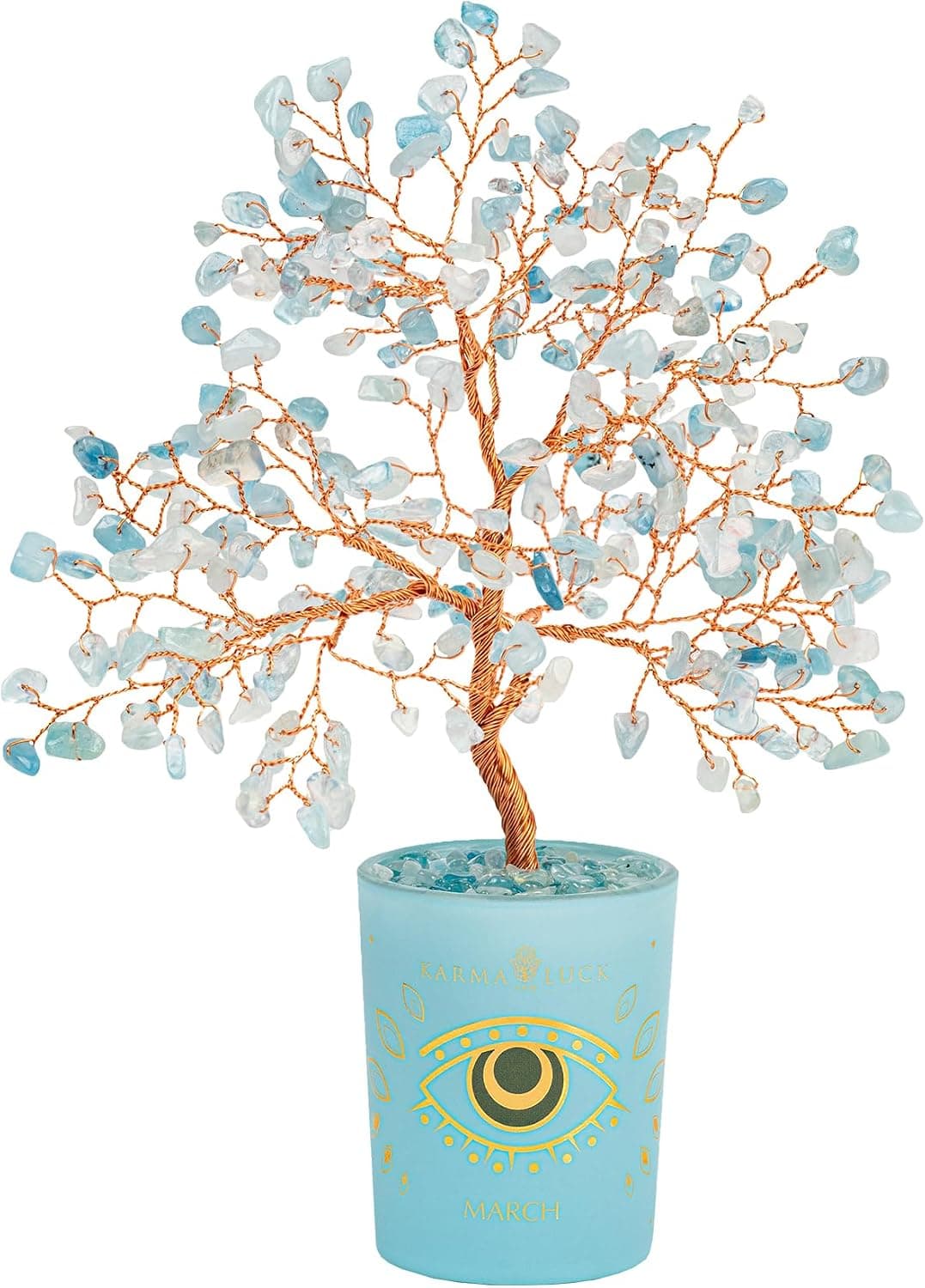 -29%
-29%Karma and Luck March Birthstone Crystal Tree of Life, Aquamarine Gemstone Fen...
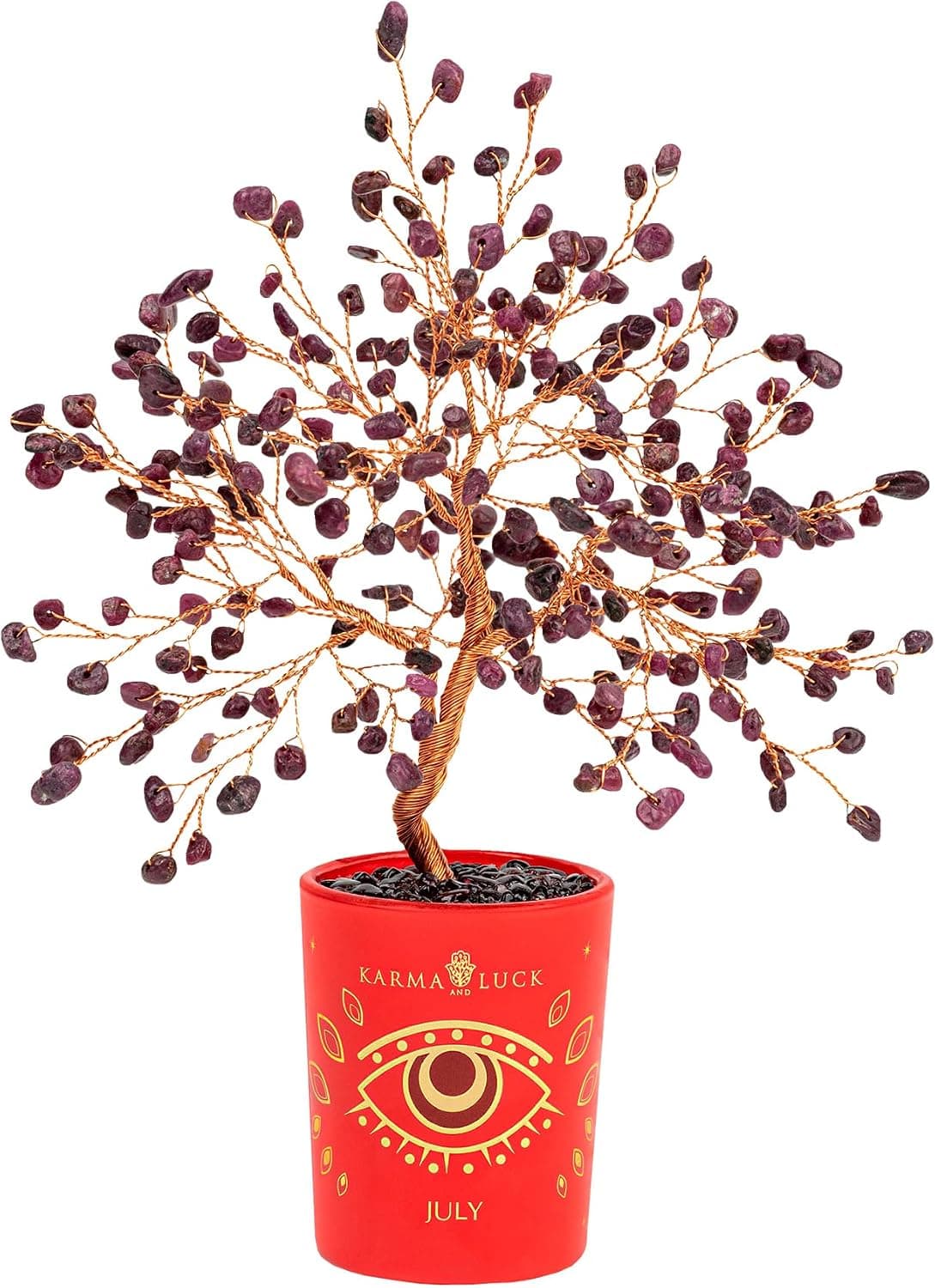 -29%
-29%Karma and Luck July Birthstone Crystal Tree of Life, Ruby Gemstone Feng Shui ...
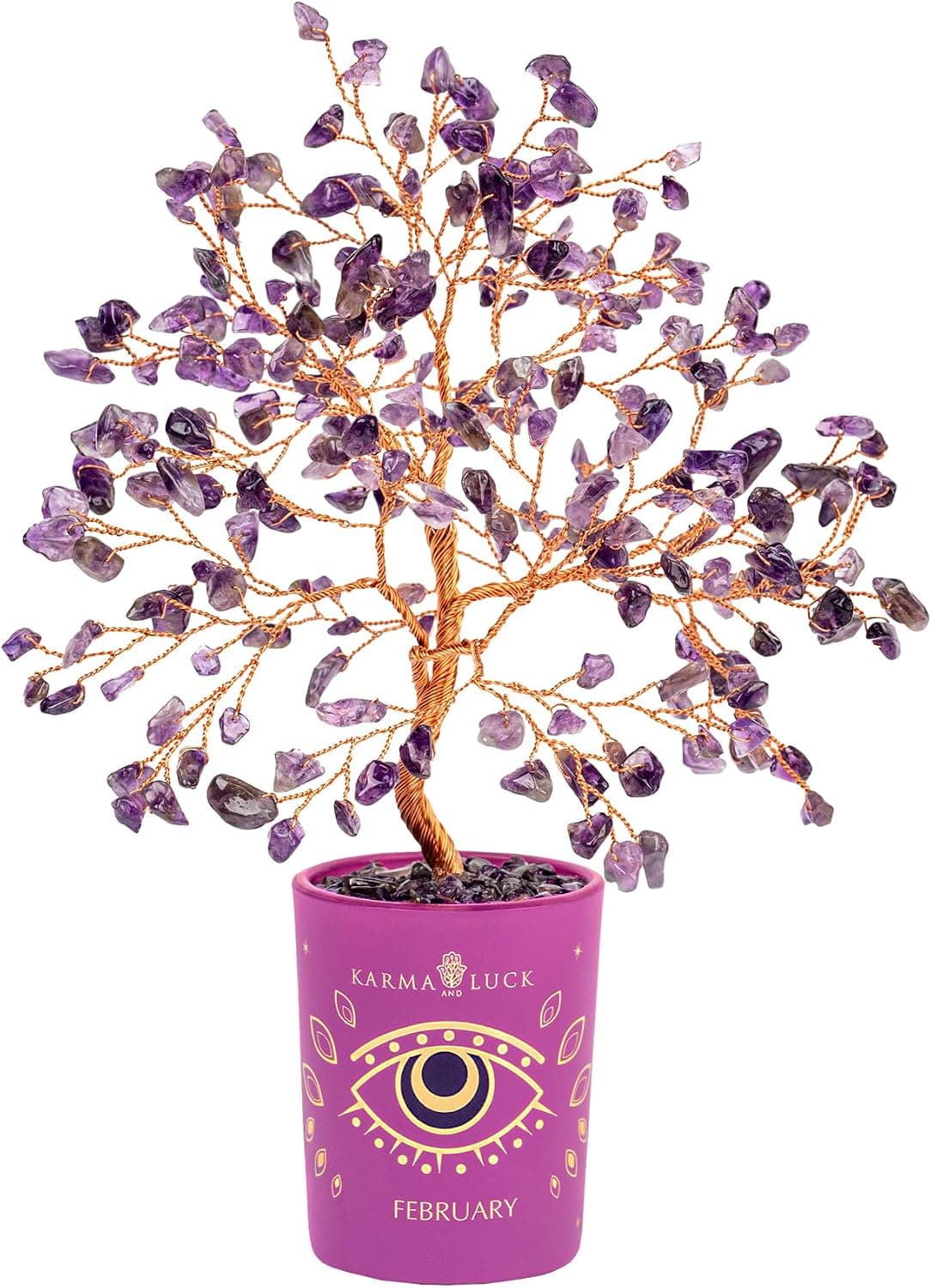 -29%
-29%Karma and Luck February Birthstone Crystal Tree of Life, Amethyst Gemstone Fe...
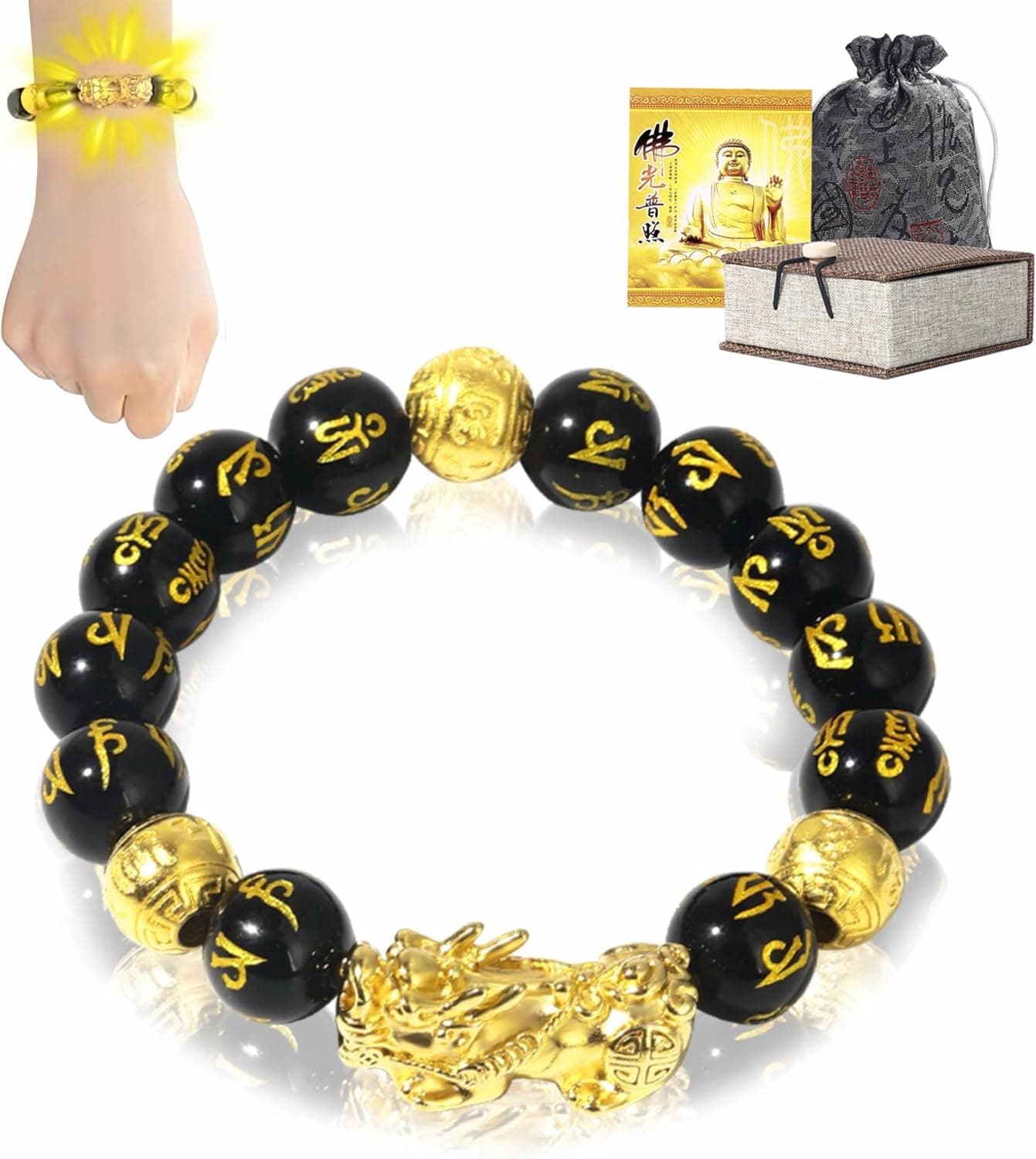 -50%
-50%biuufish Feng Shui Black Obsidian Bracelet for Men Women, 24K Gold Plated Pix...
As an Amazon Associate, we earn from qualifying purchases. We only recommend items our practitioners have personally tested.
Continue Your Journey
Explore these related guides to deepen your understanding:

Ready for Deeper Guidance?
Try our free I Ching reading for personalized wisdom, or explore our curated Feng Shui essentials.