A moon-based month only works when the sun keeps correcting it—and that tension explains the whole system.
The chinese calendar stays aligned because it is lunisolar: the moon sets the months, and the sun corrects the seasons.
That is the short answer. A month begins with the moon, but the year does not wander freely, because solar terms keep spring from sliding into the wrong box on the page. The system is built to hold both rhythms at once, which is why it has survived for so long.
Open a household almanac next to a modern wall calendar and the contrast becomes obvious. One is built for appointments and invoices. The other is built to keep family life, ritual, and seasonal work in step with the sky. That difference is not decorative. It changes how dates are lived.
In a narrow kitchen, for example, a red paper calendar may hang beside the refrigerator while a bowl of citrus sits near the doorway and a tea tray waits on the counter. A grandmother checks the weather before deciding when to prepare a festival meal. She is not being superstitious. She is reading time as part of the season.
Think of it this way: the moon gives the beat, and the sun keeps the orchestra from rushing ahead.
Moon months are useful, but they cannot hold the year alone
The lunar month is easy to watch. Anyone can notice the first crescent, the full moon, and the darkening end of the cycle. That visual clarity is one reason lunar reckoning became so important in East Asia.
But twelve lunar months are shorter than one solar year. If you used moons by themselves, a spring festival would slowly drift into late winter, then into midwinter, and eventually out of sync with the season it was meant to mark. Harvest rites would lose contact with the harvest. Blossom festivals would arrive after the petals had already fallen.
So the calendar corrects itself. Seasonal markers called solar terms track the sun’s path through the year, and when the lunar count gets too far ahead, a leap month is inserted. The correction is not an apology. It is the system doing its job.
Yin and yang in daily life helps explain the logic. One force is never allowed to dominate so completely that the other disappears. The calendar works the same way: lunar rhythm without solar correction would drift, while solar measurement without lunar rhythm would lose the texture of lived time.
Months may run 29 or 30 days. Some years receive an extra month. That irregularity often confuses newcomers, but it is a sign of care, not chaos.
A well-kept household is like that too. The shelf, the broom, the tea set, the incense holder, each has its place. Order is not always rigid. Sometimes it survives by adjustment.
Why leap months are a feature, not a flaw
People hear “leap month” and assume the calendar is behind the times. The opposite is true. The extra month exists because the system refuses to let seasonal meaning drift away from real weather.
Imagine a farming village where the peach trees are budding but the calendar still says deep winter. That would be useless for planting, offerings, and household planning. A leap month prevents that kind of mismatch. It keeps the page close to the land.
The mechanism is straightforward. The moon supplies the monthly cycle. The solar terms measure the season’s advance. If the two begin to separate too much, a leap month is placed where it will restore alignment. The point is correspondence, not complication for its own sake.
That logic appears in classical thought as well. The old ideal was never to force nature into a dead grid. It was to match human activity to what the sky and earth were already doing.
step-by-step yin-yang balance fits here because the calendar is really a balancing act between two kinds of order. One cycle is visible every night. The other becomes clear across the broader arc of the year.
In practice, this means a leap month is inserted only when needed. The result can look irregular from the outside, but it keeps important observances attached to their proper season.
Why cyclical time feels different from a straight line
Western business calendars train the eye to move in straight rows. That is useful for meetings, billing cycles, and deadlines. The traditional Chinese system trains attention differently. It asks a household to notice return, repetition, and seasonal shift.
That is why cyclical time often feels calmer. It tells you that winter returns, spring returns, and so do the duties attached to them. Nothing is random. Nothing is meant to be identical to the last round, but nothing is meant to be lost either.
Picture a north-facing apartment in late winter. Pale light falls across a dining table, a handwritten list sits beside a fruit bowl, and a compact almanac rests on a shelf near the kitchen door. The family is not “obsessed with calendars.” They are using the room as a place where time can be seen.
One sentence is enough here: a good calendar does not only count days, it teaches timing.
modern balance through yin and yang makes more sense once you realize that cycles are not a retreat from reality; they are how many cultures made reality intelligible in the first place.
In a Gregorian system, the date is mostly detached from season. In the lunisolar system, the date remembers weather, crops, and ritual obligations. That difference changes the emotional shape of planning.
Festivals, zodiac years, and what households actually do with the calendar
Chinese New Year is only the most visible example. The calendar also guides ancestor rites, seasonal foods, taboos around travel days, and the timing of many family observances. In homes where these traditions still matter, dates are never just numbers.
The zodiac year is frequently flattened into a novelty label, but it serves a larger cultural role. It organizes memory across repeating twelve-year cycles, helping people place themselves in relation to siblings, cousins, elders, and historical moments.
Classical sources treated time as something to be aligned with rather than merely measured. That is why festival preparation often begins with attention to both date and season. A household may hang red paper near the entrance, place fruit in a brass bowl, and set aside a space for offerings or tea. The doorway becomes a threshold where ordinary time gives way to ritual time.
Another single truth: in this tradition, the threshold matters as much as the clock.
life purpose and timing may sound abstract, but anyone who has watched a family plan around an auspicious date knows the connection already. Meaning is often scheduled before it is spoken.
That is why the calendar influences more than festivals. It shapes what feels appropriate, what feels premature, and what feels complete.
How to read it without getting tangled
If you want to understand a date, start by asking which system is speaking. A Gregorian date tells you where you are in a fixed annual grid. A traditional Chinese date tells you where you stand in a lunar month, a solar season, and a cultural cycle at the same time.
That is why direct conversion is never as simple as swapping one label for another. Month starts shift. Leap months appear. Solar terms anchor the year. The relationship is precise, but it is not mechanical in the way a desk planner is mechanical.
For practical life, many households keep both systems visible. A kitchen calendar may hold office appointments and lunar notes side by side. A doorway note can remind a family of a festival, while a desk almanac helps match work deadlines with seasonal observances. The point is not to choose one and erase the other.
practical yin-yang philosophy applies here as well. A person does not need to reject modern scheduling in order to respect seasonal timing. The two can serve different kinds of order.
The cleanest comparison is simple: one system favors administrative certainty, while the other favors seasonal correspondence.
That matters when you are arranging a wedding, a move, a family visit, or even deciding why a date feels “early” in one system and perfectly placed in the other.
What the calendar teaches beyond dates
At its deepest level, the calendar says something about how time ought to behave. It assumes that human life is healthiest when it stays in conversation with the sky and the seasons, rather than pretending all days are interchangeable.
That is why the system feels practical and philosophical at once. Lunar rhythm gives movement. Solar correction gives stability. Leap months prevent drift. Festivals give memory a place to land.
Small homes make this easier to see. In a studio apartment, clutter is obvious, and so is good placement. The same is true of time. A calendar becomes useful when it shows transition instead of hiding it.
inner discernment and timing often grows from that visibility. Once a person sees that time is patterned, decisions stop feeling like guesses made in the dark.
The larger lesson is not exotic at all. Some traditions prioritize fixed intervals. Others prioritize correspondence with natural cycles and ritual life. This one belongs to the second group, and it does so with real astronomical discipline.
That is why it has lasted. It does not flatter the imagination. It keeps checking itself against the sky.
When it matters in everyday life
Care about the calendar whenever timing carries cultural weight. Festivals, ancestor observances, travel days, ceremonial openings, and zodiac-related customs all depend on its seasonal logic. Even if you never consult it daily, understanding it prevents confusion.
Should you replace your Western planner? No. Use both. One is better for meetings, contracts, and deadlines. The other is better for seasonal and ritual timing. That is a more realistic arrangement than pretending one system can do everything.
Does the leap month mean the calendar is broken? No. It means the system admits that moon months and solar years do not naturally line up, so correction has to be built in.
self-discovery through cycles is a useful way to think about it. A calendar can change the way you understand change itself, not as a straight line, but as a return that requires adjustment.
How can a home reflect that? Keep one place for appointments and one visible place for seasonal markers. A note near the doorway, a compact almanac on a shelf, a bowl reserved for festival fruit, these are small cues, but they keep time from becoming a blur.
That is the quiet strength of the chinese calendar. It does not merely count days. It helps a household live inside them.
FAQ
Is the Chinese calendar just a lunar calendar?
No. It is lunisolar. The moon determines the months, but the sun keeps the year aligned with the seasons. A pure lunar calendar does not make that correction in the same way.
Why does a leap month show up some years and not others?
Because the lunar months are shorter than the solar year. When the gap becomes too wide, an extra month is added so seasonal festivals do not drift away from the weather they belong to.
How is this different from the Gregorian calendar I use at work?
The Gregorian calendar is fixed and easy for scheduling. This system is seasonal and relational, which makes it better suited to ritual dates, festivals, and agricultural timing.
Can I figure out a Chinese date on my own?
You can understand the structure, but exact conversion is difficult by hand. Leap months and shifting month starts make a chart or conversion tool much safer.
Why do zodiac years matter if they are not the same as astrology?
People use them as a cultural frame for memory and identity. They help mark generations, repeated cycles, and the passing of years in a shared pattern.
Do people still use this calendar today?
Yes. It still guides festivals, family observances, and seasonal customs. Many households use it alongside a modern planner rather than instead of one.
David Liu
Traditionally informed guidance • Cross-referenced with classical Chinese source texts
Rooted in classical Chinese metaphysics and cross-referenced with original texts. Product recommendations are based on traditional symbolism, not guaranteed outcomes.
Practitioner-Selected Tools for This Topic
Items our team has tested and found effective for the principles discussed above. Individual results may vary.
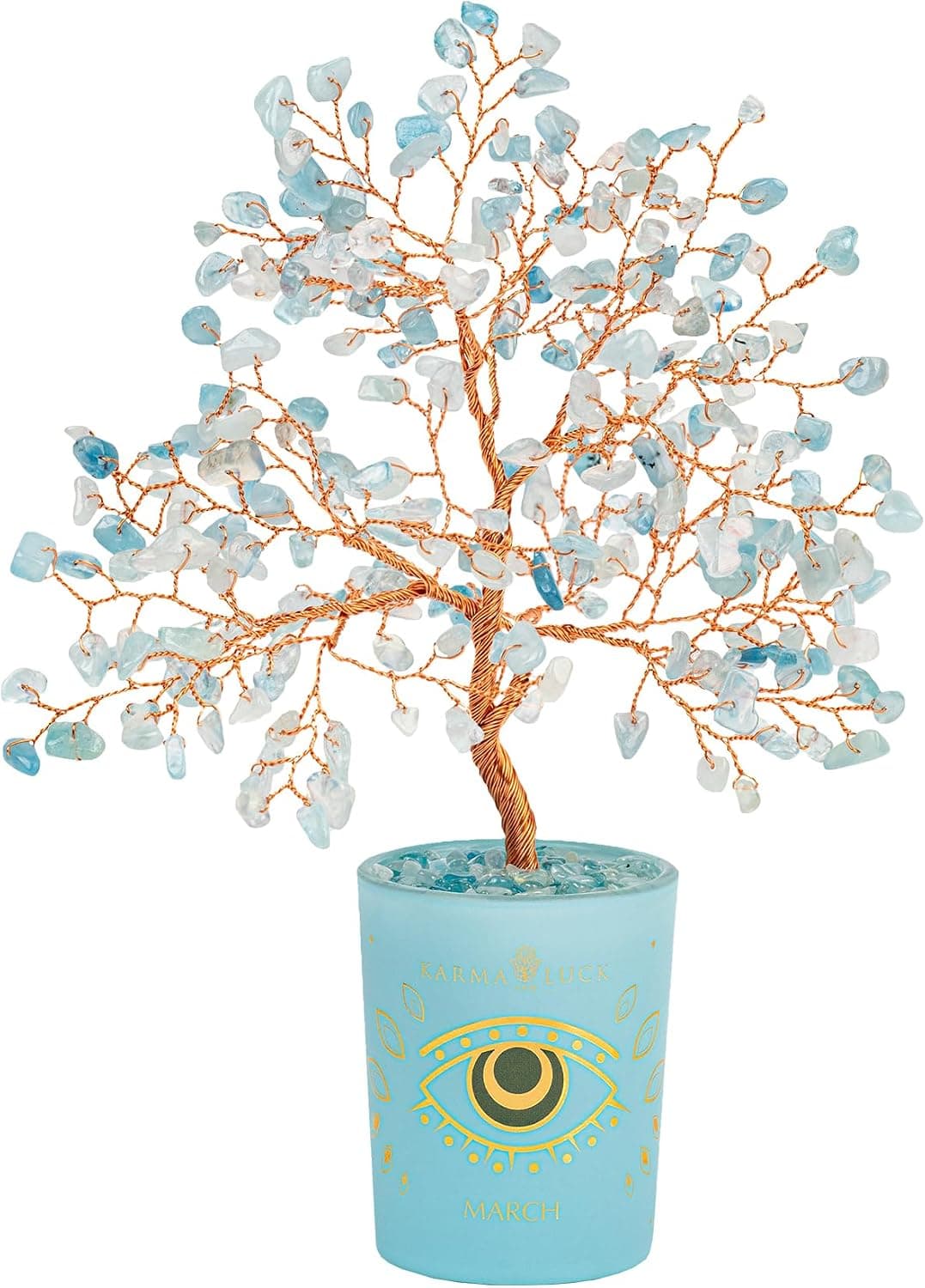 -29%
-29%Karma and Luck March Birthstone Crystal Tree of Life, Aquamarine Gemstone Fen...
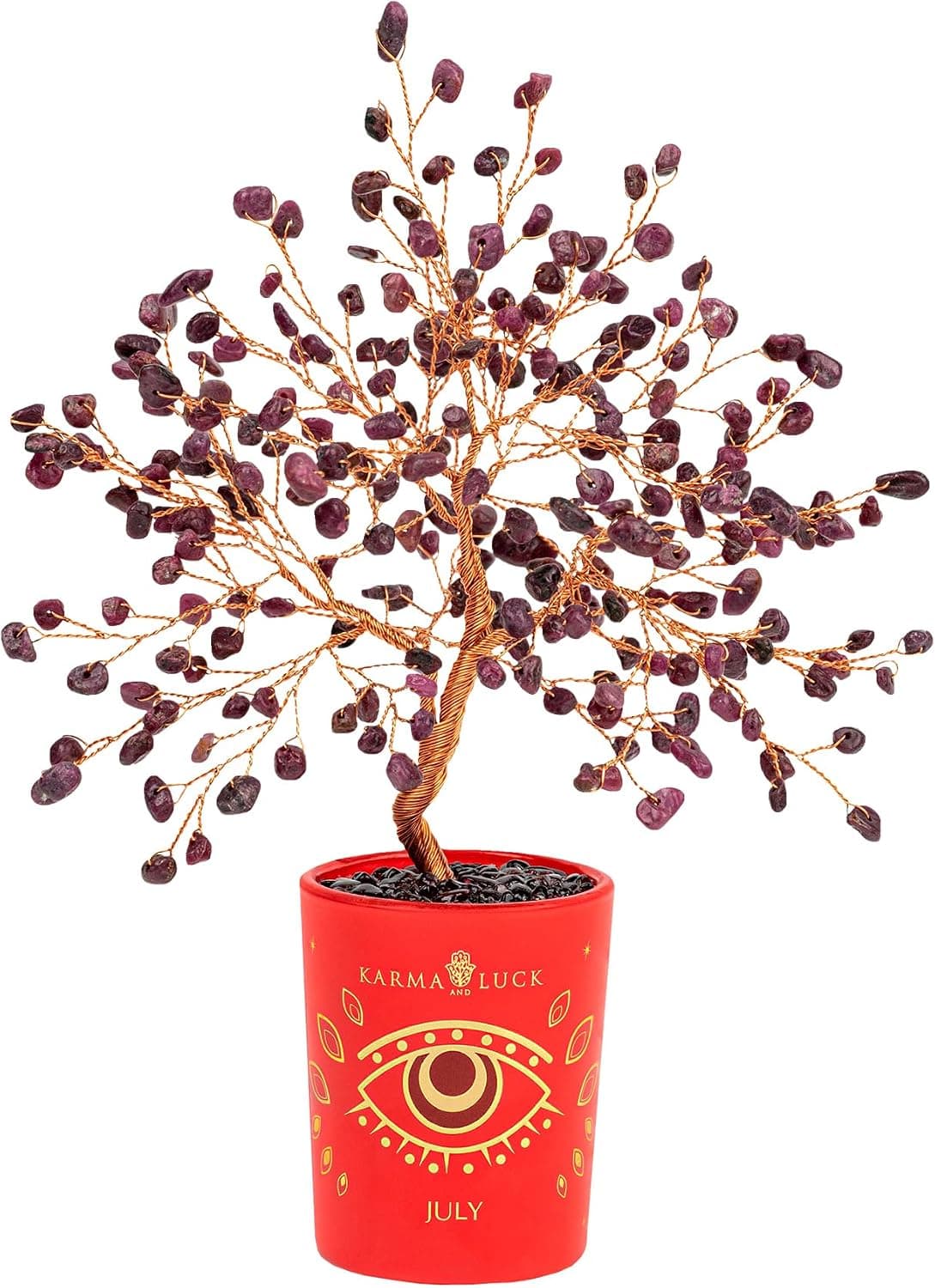 -29%
-29%Karma and Luck July Birthstone Crystal Tree of Life, Ruby Gemstone Feng Shui ...
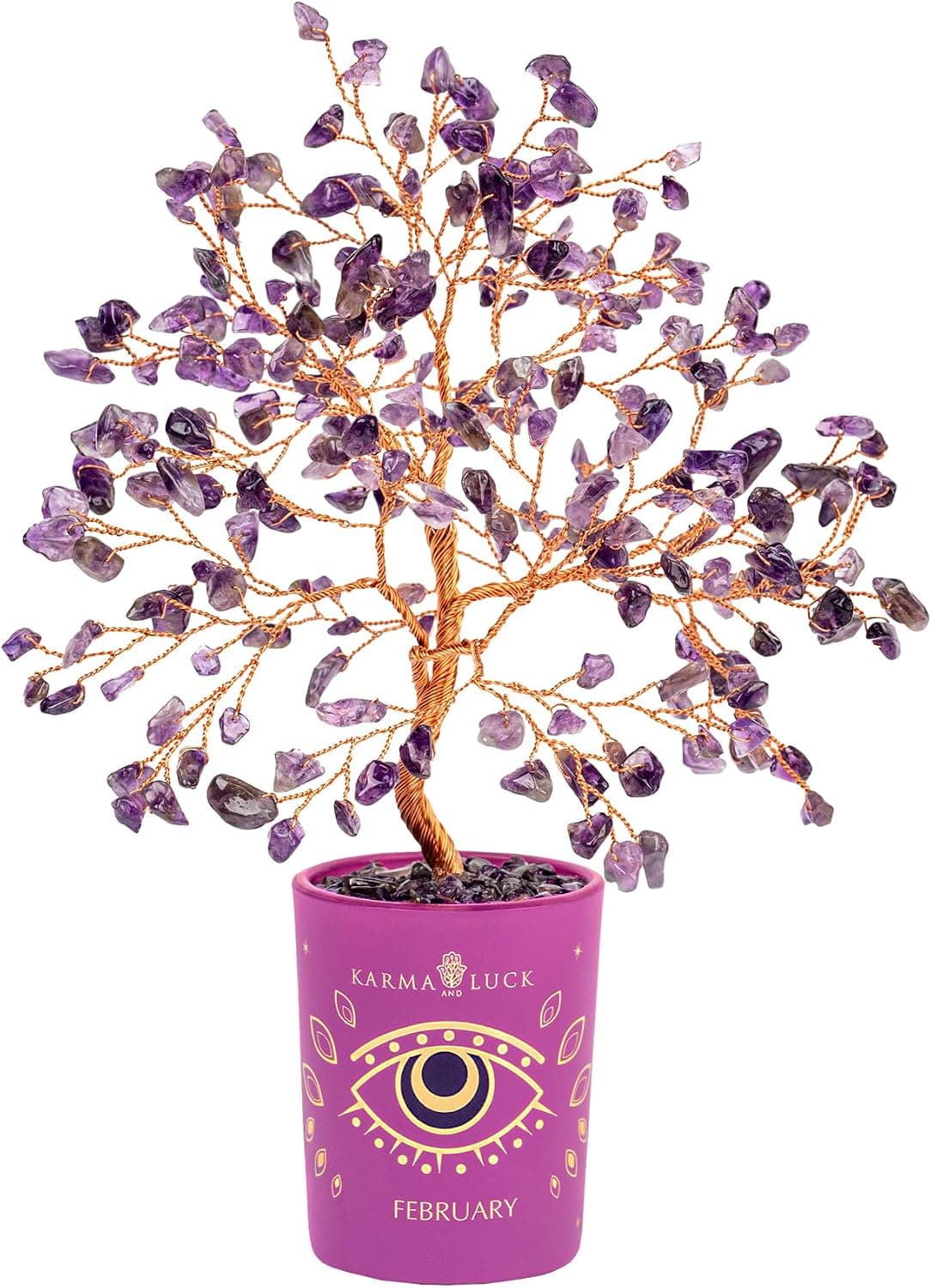 -29%
-29%Karma and Luck February Birthstone Crystal Tree of Life, Amethyst Gemstone Fe...
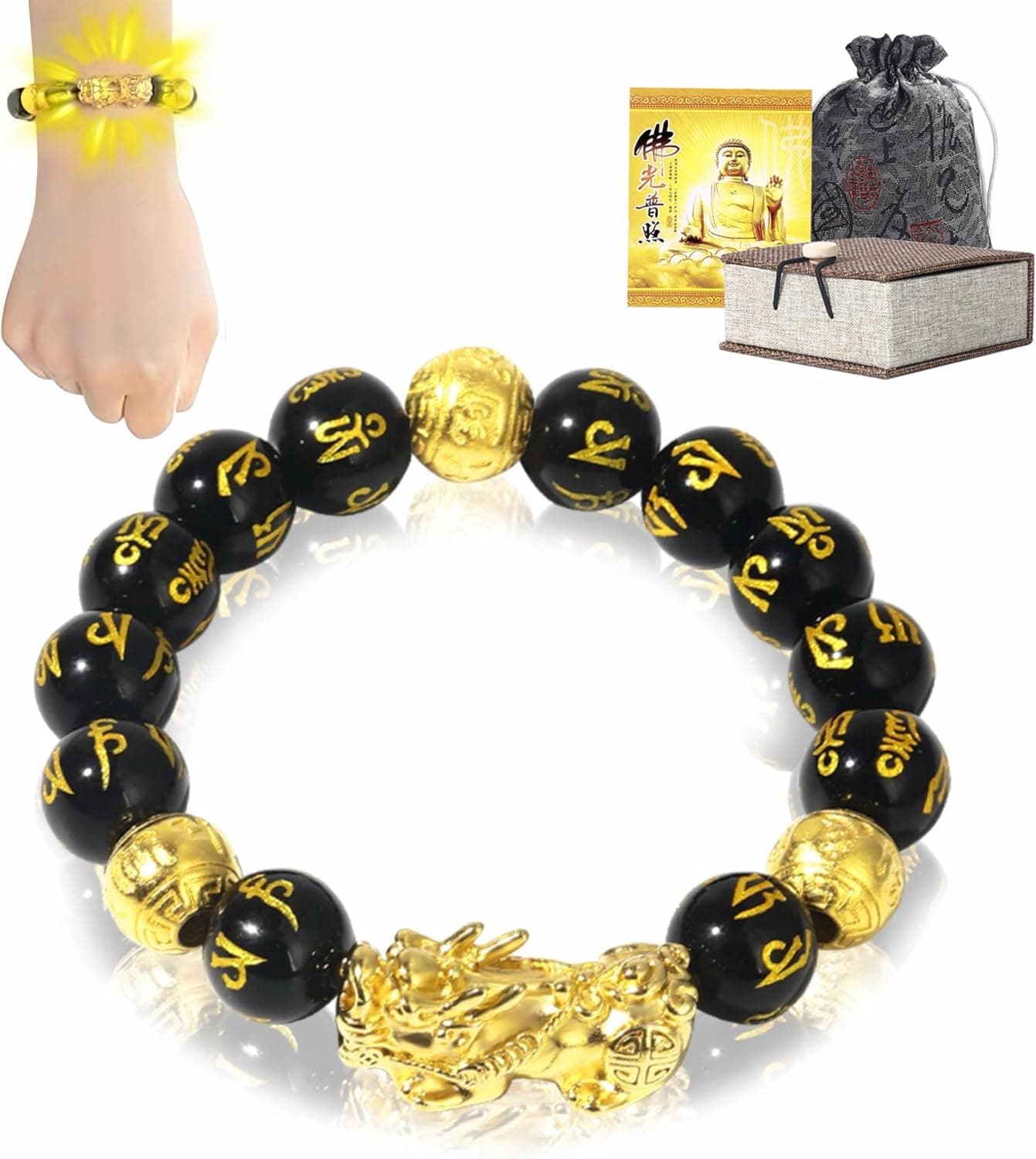 -50%
-50%biuufish Feng Shui Black Obsidian Bracelet for Men Women, 24K Gold Plated Pix...
As an Amazon Associate, we earn from qualifying purchases. We only recommend items our practitioners have personally tested.
Continue Your Journey
Explore these related guides to deepen your understanding:

Ready for Deeper Guidance?
Try our free I Ching reading for personalized wisdom, or explore our curated Feng Shui essentials.