A chart marked 'missing water' sent a fountain to the hottest wall in the flat, and nine months of insomnia followed.
What the Four Pillars Actually Are
Your BaZi chart is four columns of time (year, month, day, hour), each one a heavenly stem stacked over an earthly branch, which is where the eight characters come from. The month column carries the season of your birth, and in classical practice that single column decides whether every other character in the chart is strong, weak, useful, or a liability. Skip the season and the rest of the reading has nothing to stand on.
The Fountain on the Hottest Wall in the Flat
A one-bedroom flat, radiator directly under a south-facing window, glass taking sun from ten in the morning until nearly four. Warm clay walls. Sofa facing the door, which is usually a good sign, except it had been shoved so close to the radiator that the upholstery went stiff and faintly shiny. The tenant had not slept properly in nine months.
She had paid for a chart reading. That was the first thing she told me, before I had taken my coat off.
The reading came back: missing water. So she bought a tabletop fountain with black river stones and set it against the south wall. Water in the south. In August. In a room already hot enough to soften varnish.
Nobody had asked what the room needed.
Stem Above, Root Below
Each pillar reads like a plant. The heavenly stem is what shows above the soil, the visible temperament, the part strangers meet first. The earthly branch is the root system and the ground it grows in. A spectacular stem can sit in soil that cannot feed it, and that mismatch is where most of a real reading happens.
The day stem is you. Practitioners call it the Day Master and judge every other character against it. The month branch is the climate you arrived in. Year, hour, and the hidden stems tucked inside each branch modify that one relationship and nothing else.
If you have only ever looked at your animal sign, you have read one character out of eight. Your year branch describes generational weather and a social backdrop; it says next to nothing about how a Tuesday decision will land. The gap between the Chinese zodiac and western astrology is roughly this: one hands you a sun sign and asks you to build a personality on it, the other hands you a structure and asks you to find the pressure points.
You can cast your own four pillars in a few minutes, provided the data going in is clean.
An Almanac That Learned to Read People
The tradition did not start as personality typing. It started as agriculture. The sexagenary cycle, that sixty-term loop of stems and branches, was a planting calendar, recorded in almanacs long before anyone thought to apply it to a person. The four pillars inherited the almanac logic whole. A Han astronomer reading a month was not asking what kind of person it was. He was asking what the weather would do to the crop.
That habit survived. Classical texts give five states an element can hold relative to its season: flourishing, strong, resting, imprisoned, dead. Wood in spring flourishes. The same wood in autumn is dead, not absent, simply out of its time and sapped by the metal that governs the harvest. Fire in summer is strong; fire in winter is imprisoned. The element never changed. Only the month it was born into.
Here is the mechanism most online readings step around. Two people can share a Day Master, both Yang Wood, same stem character, and need opposite things, because one arrived in the second lunar month and the other in the eighth. Same seed, different soil.
One procedural wrinkle before you go further. The month pillar does not turn at the new moon, and the year pillar does not turn at Chinese New Year. Both change at solar terms, the year beginning around February 4. Plenty of people born in late January get filed under the wrong animal because the lunar new year cutoff was applied where it never belonged.
Missing Is Not the Same as Needed
Once the season is known, the question stops being 'what is absent?' and becomes 'what does this chart need?' Confusing the two is the most expensive mistake in the practice.
An element can be entirely absent from the eight characters and still be the last thing the person should add. A winter chart full of water and metal, cold and contracted, often holds no fire at all, and pouring in more water for the sake of balance is exactly backwards. It wants warmth. Practitioners call the answer the useful god, and finding it means reading the whole chart against its season instead of counting what happens to be on the page.
Yang Wood born in the second month, early spring, damp soil, sap rising: that tree is vigorous, it can carry metal, it can use fire to flower, and mostly it wants room. The same stem born in the eighth month is a tree in October, metal cutting, sap down, surviving on water at the root and earth to hold it. Same character. Opposite prescription. This is why the five elements in BaZi were never a checklist of colors to wear.
Which brings in the room, because a chart is not only read, it is lived in. Wood is living material: plants, timber, tall verticals, anything that grows or was grown. Water is glass, reflection, dark cool surfaces, moving water. Fire is light itself far more than it is red paint. Earth is ceramic, stone, flat unbroken planes. Metal is crisp edges, white, precision. None of that is magic. These are materials and placements, and they change how a room feels because they change how light and sound behave inside it.
Three Ways That Flat Went Wrong
Only one of them was the fountain.
The chart had been read as a list of absences rather than a seasonal climate. The absent element had been assumed to be the needed one. And the remedy went into a room already saturated with its opposite: a south wall in August, behind glass, is fire whether or not anyone believes in fire. Water added to that corner produced a warm, wet, airless patch and a faint mineral smell rising off the stones.
There is a behavioral reason this repeats. Once a reading says missing water, attention locks onto water. Every water-related suggestion gets noticed; the rest get quietly dropped. Psychologists call it confirmation bias. Practitioners call it the reason a technically correct reading can still wreck a room.
Two smaller failure modes worth naming. Treating the year animal as the self, when the year pillar is the least personal column in the chart. And forgetting that the birth hour carries its own pillar, so a time rounded to the nearest hour, or recorded in the wrong time zone, slides that pillar into a neighbouring branch. Garbage in, elegant garbage out.
Charts move, too. The luck pillars shift roughly every ten years, so what suited someone at twenty-six is not automatically right at forty-one.
Order of Operations
Sequence matters more than any single cure.
Correct the birth data: date, exact time, place, daylight saving in force. Convert to solar terms rather than lunar dates. Read the Day Master against its month. Decide what the chart needs. Only then translate the answer into objects, colors, and placement, and keep that last step small and reversible. A curtain, a rug, a lamp, a sofa pulled forty centimetres. Nothing that requires a contractor.
In that flat we did four things. The fountain came off the south wall and went to a shaded alcove by the entry, where moving water finally had somewhere cool to sit. The clay walls became off-white with a faint green undertone, which dropped the apparent temperature of the room by several degrees. The sofa moved clear of the radiator. A linen curtain replaced bare glass, so the four o'clock sun arrived as a diffuse glow instead of a beam laid across the bed.
She slept within a fortnight. Honestly, the room stopped behaving like a greenhouse. The chart pointed at heat, at one quality in excess with nothing to balance it, and the paint and the curtain did the work.
That is the relationship I would want anyone to have with bazi four pillars of destiny. Not instructions floating free of the building, but a way of reading the room you are already standing in.
Yin and yang are not forces you accumulate. They describe contrast. A room with one window and one lamp is not dark or bright; it is a room where the light has somewhere to fall. The old almanac writers knew that because they spent their lives watching a season turn. You do not argue with August. You shade the glass, or you open it.
Questions I Get Asked Most
How do I actually find my four pillars?
Date, exact clock time, city of birth. Put those into a calculator that converts to solar terms and it will hand back eight characters. If your birth certificate says 'about six in the evening,' expect the hour pillar to be a guess and treat it as one.
What does missing element mean on my chart?
Only that one of the five didn't appear among the eight characters. Whether it deserves a response depends entirely on the season. A July chart with no water is usually saying something quite different from a January chart with no fire.
Is the year animal really useless?
Not useless, just distant. It describes inherited conditions, the era you grew up in, the general weather of a family line. Poor guide to daily decisions, decent guide to long background trends. People hang so much on it because it is the only one they know.
Why do two people born in the same year behave nothing alike?
Because the animal comes from one branch out of eight characters. Change the month, the day stem, or the hour and you have a different chart entirely. The animal is the label on the box, not the contents.
Do I have to buy feng shui remedies to make my chart work?
No. A chart describes tendencies, not a shopping list. Remedies are one way of working with a reading, and the smallest ones tend to be the most reliable: light, material, orientation. Nothing in the tradition obliges you to purchase an object.
Can the pillars change after I'm born?
The natal four don't move. What moves is the luck cycle layered on top, roughly one new pillar every ten years. Many people get a reading at twenty-five, tape it into a drawer, and never look again. That is the habit I would change.
Mei Chen
Traditionally informed guidance • Cross-referenced with classical Chinese source texts
Rooted in classical Chinese metaphysics and cross-referenced with original texts. Product recommendations are based on traditional symbolism, not guaranteed outcomes.
Practitioner-Selected Tools for This Topic
Items our team has tested and found effective for the principles discussed above. Individual results may vary.
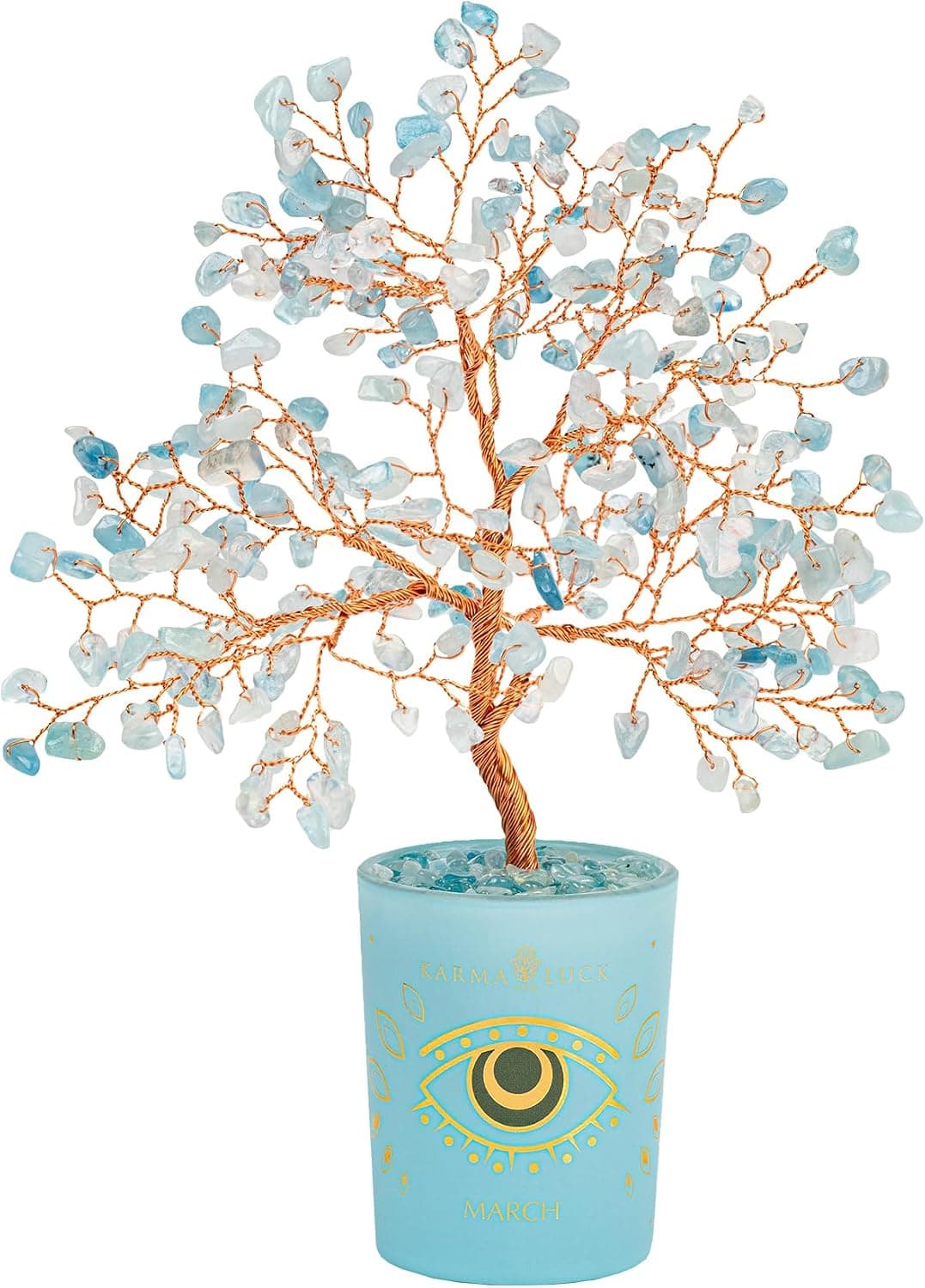 -29%
Karma and Luck March Birthstone Crystal Tree of Life, Aquamarine Gemstone Fen...
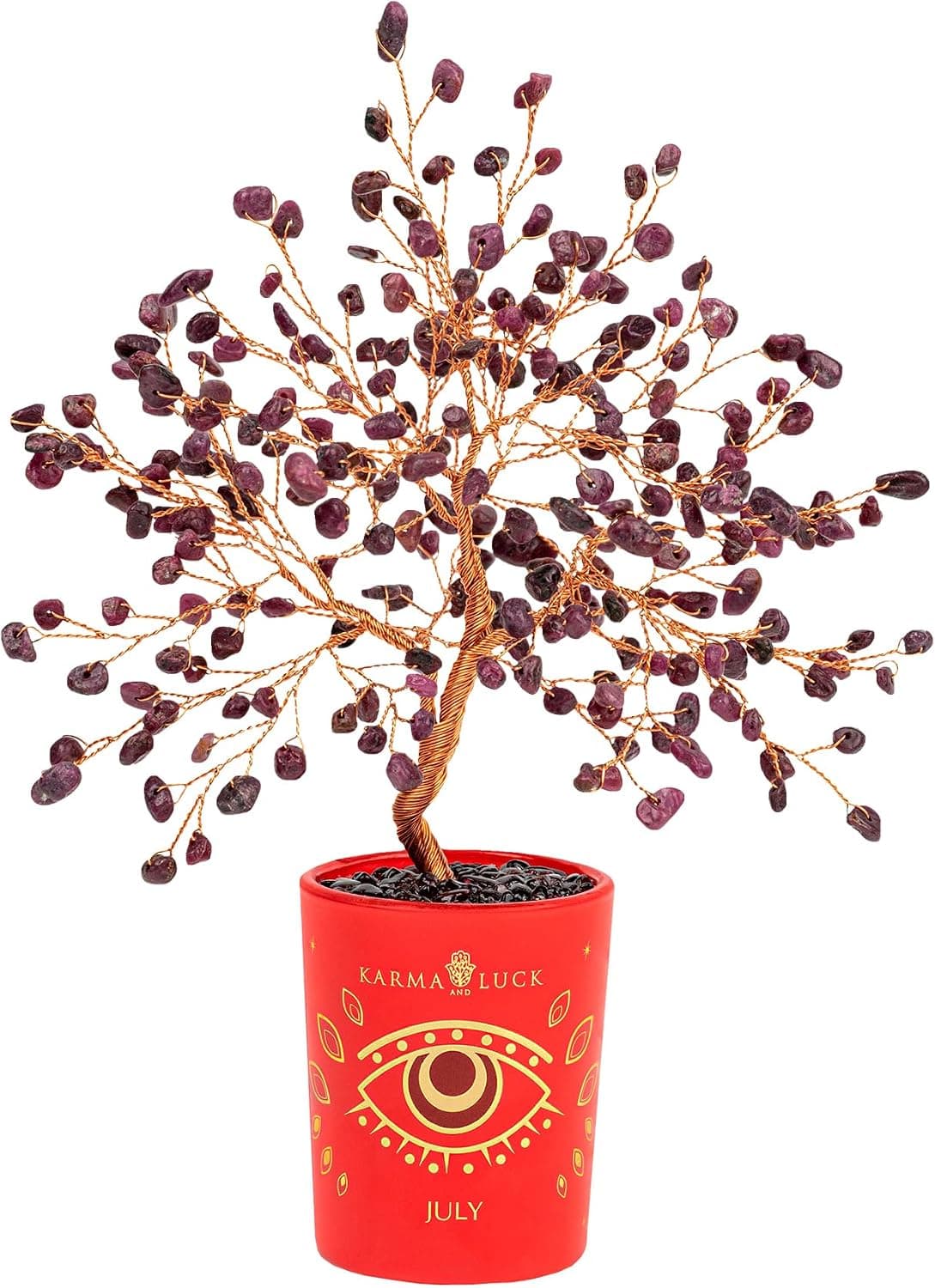 -29%
Karma and Luck July Birthstone Crystal Tree of Life, Ruby Gemstone Feng Shui ...
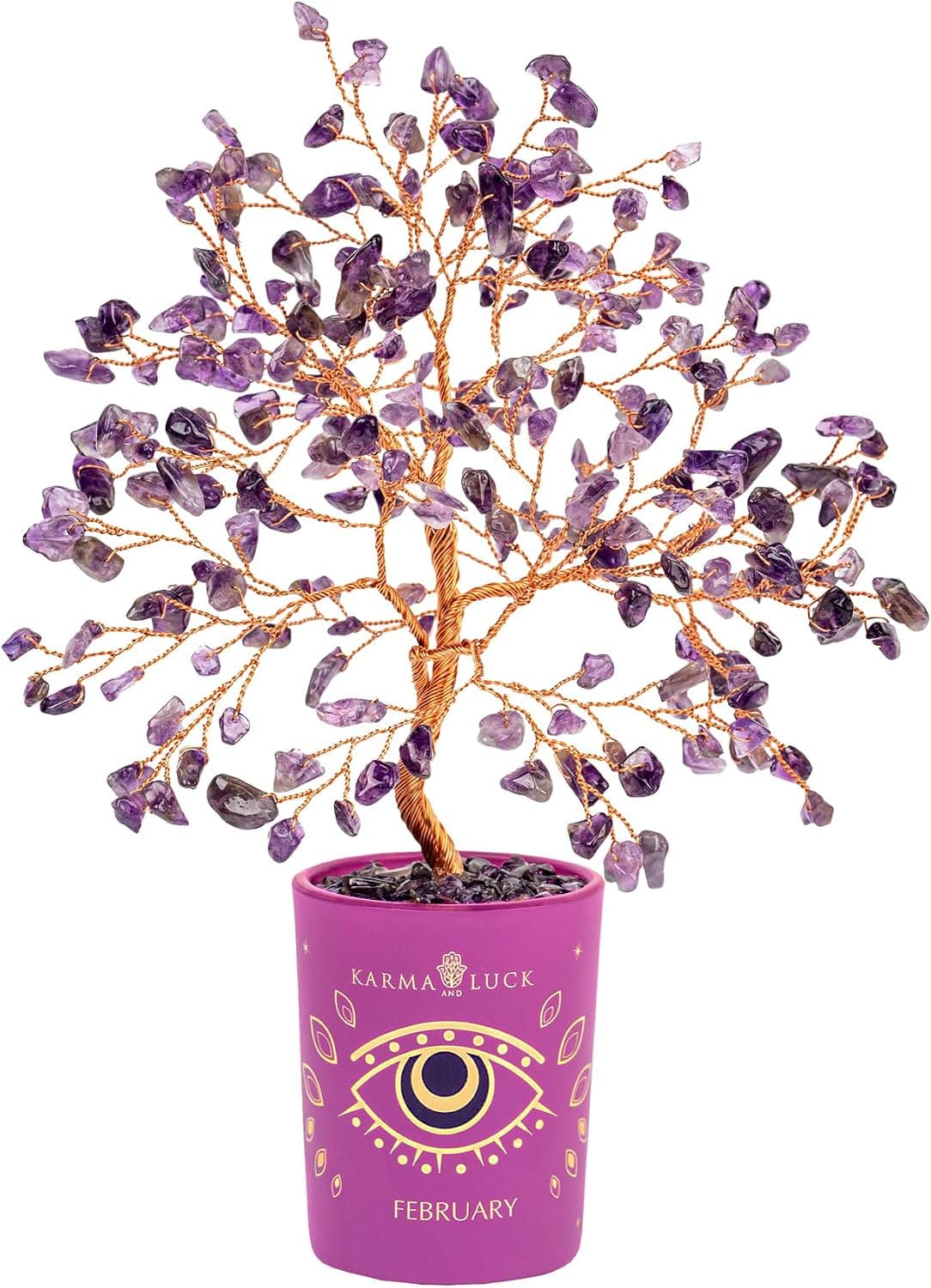 -29%
Karma and Luck February Birthstone Crystal Tree of Life, Amethyst Gemstone Fe...
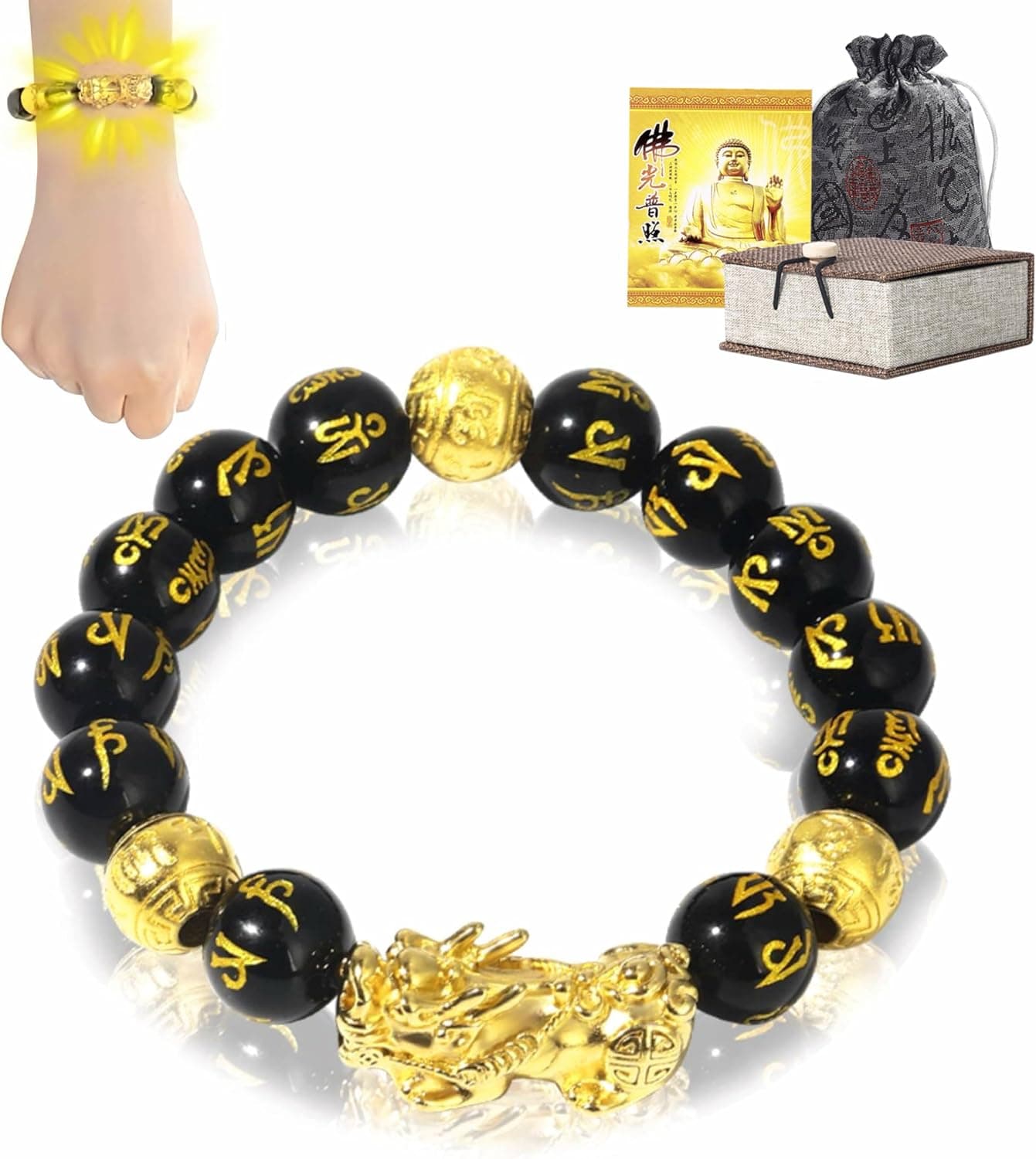 -50%
biuufish Feng Shui Black Obsidian Bracelet for Men Women, 24K Gold Plated Pix...
As an Amazon Associate, we earn from qualifying purchases. We only recommend items our practitioners have personally tested.
Continue Your Journey
Explore these related guides to deepen your understanding:
Ready for Deeper Guidance?
Try our free I Ching reading for personalized wisdom, or explore our curated Feng Shui essentials.