A branch's meaning is relational, not fixed. Change the year branch and last year's correct reading becomes this year's wrong advice.
An earthly branch carries no meaning of its own. What it carries is a position, a season, and one to three hidden stems, and everything it actually does depends on what it is standing next to in a given year. That is why the same natal branch that quietly helped you last spring can drag through this one without a single line of your chart changing. The branch held still. Its company rotated.
A desk went against the east wall of a spare bedroom a few years back, placed after a careful reading, angled so whoever sat at it could see the door. For four months it was the first workspace its owner had ever liked. By August the identical desk in the identical corner had turned sour. Nothing had been moved, added, or taken away. The annual branch had simply handed that direction over to a different set of relationships.
Most pages about the twelve branches hand you a list of twelve personalities. A list doesn't expire. A calendar does.
What a Branch Is, Before Anyone Interprets It
Zi, Chou, Yin, Mao, Chen, Si, Wu, Wei, Shen, You, Xu, Hai. Twelve markers, each wearing four hats at once: a double-hour of the day, a month of the solar year, a compass sector, and a phase in the life of an element. One marker read at several scales. That is how a single branch can describe your sleep habits, your birth month, and the west wall of your flat without any contradiction between them.
By season they group cleanly. Yin and Mao hold spring wood from east-northeast through east. Si and Wu carry summer fire from south-southeast into south. Shen and You keep autumn metal across west-southwest and west. Hai and Zi hold winter water from north-northwest up to north. Chen, Xu, Chou and Wei are the four earth transitions, planted at the corners of both the year and the compass.
Inside each one sit one to three hidden stems, the ten heavenly stems folded into the branches, and the interpretive work happens there. A branch whose hidden stems nobody touches is weather. A branch whose hidden stem gets pulled into a combination becomes an event.
That mechanism is exactly what the animal-sign reading throws away.
Relationships, Not Adjectives
The grammar of this system is formal, almost legalistic. Six combinations pair the branches: Zi with Chou, Yin with Hai, Mao with Xu, Chen with You, Si with Shen, Wu with Wei. Six clashes oppose them: Zi and Wu, Chou and Wei, Yin and Shen, Mao and You, Chen and Xu, Si and Hai. Then come the punishments and harms, the in-law version of the same idea, friction that never resolves into anything you can use.
Alone, a branch says almost nothing.
Classical texts treat the pairs as the entire game. Which is why any honest account of bazi earthly branches meaning has to begin with relationships and stay there. The modern gloss, the Rooster as perfectionist, the Rabbit as gentle, leaked out of cheap twentieth-century almanac printing and never went away. Those tags describe a country by its airport.
The same logic is why the four pillars of destiny are always read as a set. Pull one branch out on its own and you are holding a single instrument from an orchestra.
The Annual Engine
Trace the chain once and it stops looking mysterious.
You start with four branches from birth, year, month, day and hour, plus the branch governing the current year. Your luck pillar adds a sixth, which explains why a decade-level reading and a year-level reading can contradict each other while both are correct. The ten-year luck pillars run on a slower clock and routinely override the annual weather.
The annual branch arrives at Li Chun, around February 4, not on January 1. That gap catches more people than you would expect. Anyone born in the last days of January or the opening days of February has usually spent a lifetime quoting the wrong year animal.
Then it goes looking for a partner among your four. Find a combination and the hidden stems in both branches get drawn out and made active. Find a clash and they get shaken loose instead. Either way something dormant begins to move. The released stem meets your day master, and that meeting, not the animal and not the year's element, is the real meaning of the year for you.
What you notice on the ground is a shift in what feels urgent, what feels jammed, and which part of your home starts feeling either alive or faintly irritating.
Take a plain case. Suppose your day branch is You, the Rooster, the spouse palace day branch that governs partnership and the front door of your emotional life. A Mao year arrives and Mao clashes You. The lazy reading says bad year for relationships. The mechanistic reading says You holds Xin metal, and the clash has just exposed it. If Xin is your wealth element, this year moves contracts, invoices, negotiation. If Xin is your pressure element, the same year moves obligation. One clash, opposite instructions. The branch never changed meaning. The relationship showed you which meaning was already loaded.
Four Ways This Goes Sideways
Reading the animal instead of the branch. Your zodiac sign is the year branch, one position out of four, the loudest socially and the least personal, because it describes the world you were born into rather than the way you are built. The order of the twelve animals is a clock face. Reading one hour of it as the whole day is the standard error.
Carrying last year's remedy into this one. This is the quiet failure and it does the most damage. Picture a home office on the south side of a house: red rug, single-glazed south window, monitor against the wall, door behind the chair. During a Snake year the occupant added more red, because a list told her fire was friendly to her element, and through spring the room behaved. Spring light forgives almost anything. Then the Horse year arrived, doubled the Wu branch, and by two in the afternoon the room was unusable. Glare across the screen. Radiant heat off the sill. Road noise she had stopped hearing and started flinching at. She decided the desk was in the wrong place. The desk was fine. The room had simply collected one more layer of the thing it already had too much of.
That is a balance problem, not a mystical one. Excess produces its opposite every time. Too much light is glare. Too much warmth is stagnation. Too much support is dependency. A sixth red object in a room already running hot corrects nothing. It finishes the job.
Treating a clash as a verdict. A clash is movement. Sometimes it is a door swinging open. People who refuse the clashed direction end up avoiding their own front door, which is a strange way to solve an astrology problem.
Buying one cure per branch. Twelve objects for twelve animals is a shopping list. If a reading requires twelve purchases, it wasn't a reading.
A Habit for the First Week of February
None of this needs a new chart. It needs four moves, once a year.
Write down five branches: your four, plus the current year's. Keep the note where you will see it in early February. If you have never pulled your four, a straightforward chart reading will hand them over in an afternoon.
Then check pairs, not signs. Look for combinations and clashes between the annual branch and each of yours. A combination is a conversation starting. A clash is a conversation getting loud. Everything else is background, and background is not a problem to solve.
Translate what you find into space and time. Every branch owns a direction and a two-hour window, so a year that activates your west loads the west side of the house and the stretch from 5pm to 7pm. Then look at what is physically there. Hard floor. Blank wall. Window with no covering. Router blinking in the corner. A chair backed onto an open corridor.
Adjust by subtraction. This is the move most people skip, because the instinct when a direction is over-activated is to add something. Usually the room wants less: less reflective surface, less heat, less echo, less of whatever quality already dominates. You are not installing a cure. You are restoring a gradient, a little shade where there was none, a textile where there was reverberation, a plant in the dead corner where the air sat still.
Subtract first. Almost always, subtract.
And do the check at Li Chun rather than on New Year's Day. The year turns with the solar term, which is why the first week of February is the real hinge and why a reading done in December is often already describing the wrong year.
What the Branch Was Never Saying
The desk in the east-facing bedroom worked in spring and failed in late summer. Neither outcome was a verdict on the desk. What shifted was the company the year kept.
Branches are appointments, not adjectives. They mark a time, a place and a phase, and they mean whatever they mean in relation to everything else in the room, both in the chart and in the house. Read them that way and the annual turn stops being a threat and becomes maintenance. Nobody replaces a window because July arrived.
You don't need a fresh chart every February. You need to look at the same chart with fresh company.
Questions That Arrive Every February
Does the annual branch override my natal chart? No, but it changes the volume. A chart with strong roots will absorb a rough year and barely register it. A chart with a thin spot feels the same year sharply. Your natal chart sets the range of responses available to you; the annual branch only decides which of them get used.
I have a clash with this year's branch. Does that mean a bad year? Not in the way most people fear, and the fear is largely imported from pop horoscopes. A clash moves things: jobs, addresses, conversations that were overdue. What actually matters is which hidden stem gets exposed and whether that stem helps or burdens your day master.
Why do online calculators put me in a different animal than my birthday? Because the BaZi year opens at Li Chun, roughly February 4, while the Gregorian year opens January 1. If your birthday falls in that gap, the animal you have used your whole life may belong to the year before. It is the most common data error in chart construction.
Do branches apply to my apartment, or only to my birth chart? Both, because a direction is a direction. The branch that governs west does not care whether it is describing a pillar in your chart or the wall your bed backs onto. That overlap is precisely what makes spatial adjustment useful instead of decorative.
Should I check my chart every month? Once a year is enough, in the first week of February. Monthly checking turns a calendar into an anxiety habit, and the branches were designed as a farming schedule, not a notification feed.
What are the hidden stems inside a branch, exactly? They come from the older layer of the system, when branches encoded the strength of a season rather than an animal. Each branch holds the stems that dominate its particular month, which is why the branches only make full sense once you know the stems.
Mei Chen
Traditionally informed guidance • Cross-referenced with classical Chinese source texts
Rooted in classical Chinese metaphysics and cross-referenced with original texts. Product recommendations are based on traditional symbolism, not guaranteed outcomes.
Practitioner-Selected Tools for This Topic
Items our team has tested and found effective for the principles discussed above. Individual results may vary.
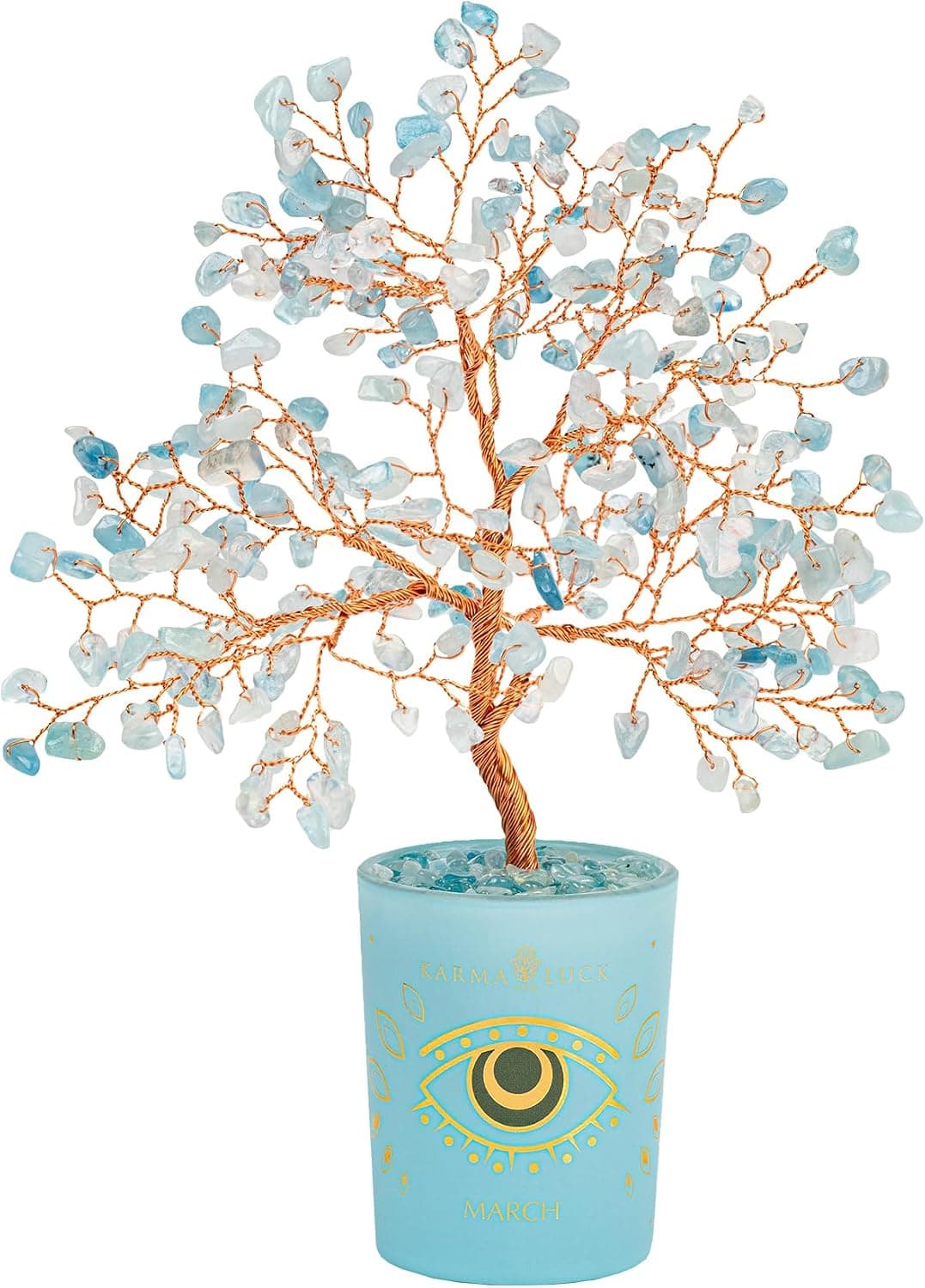 -29%
Karma and Luck March Birthstone Crystal Tree of Life, Aquamarine Gemstone Fen...
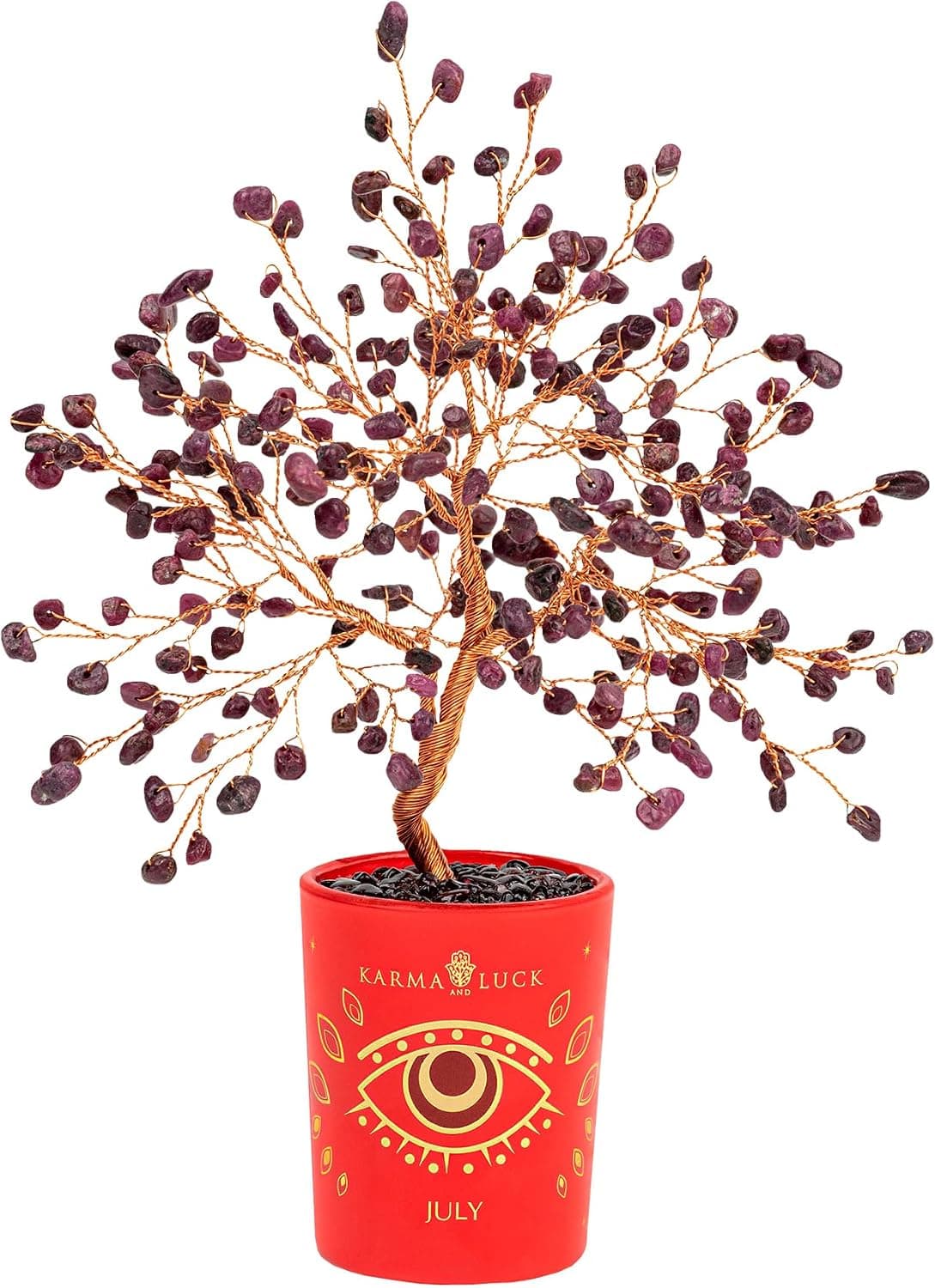 -29%
Karma and Luck July Birthstone Crystal Tree of Life, Ruby Gemstone Feng Shui ...
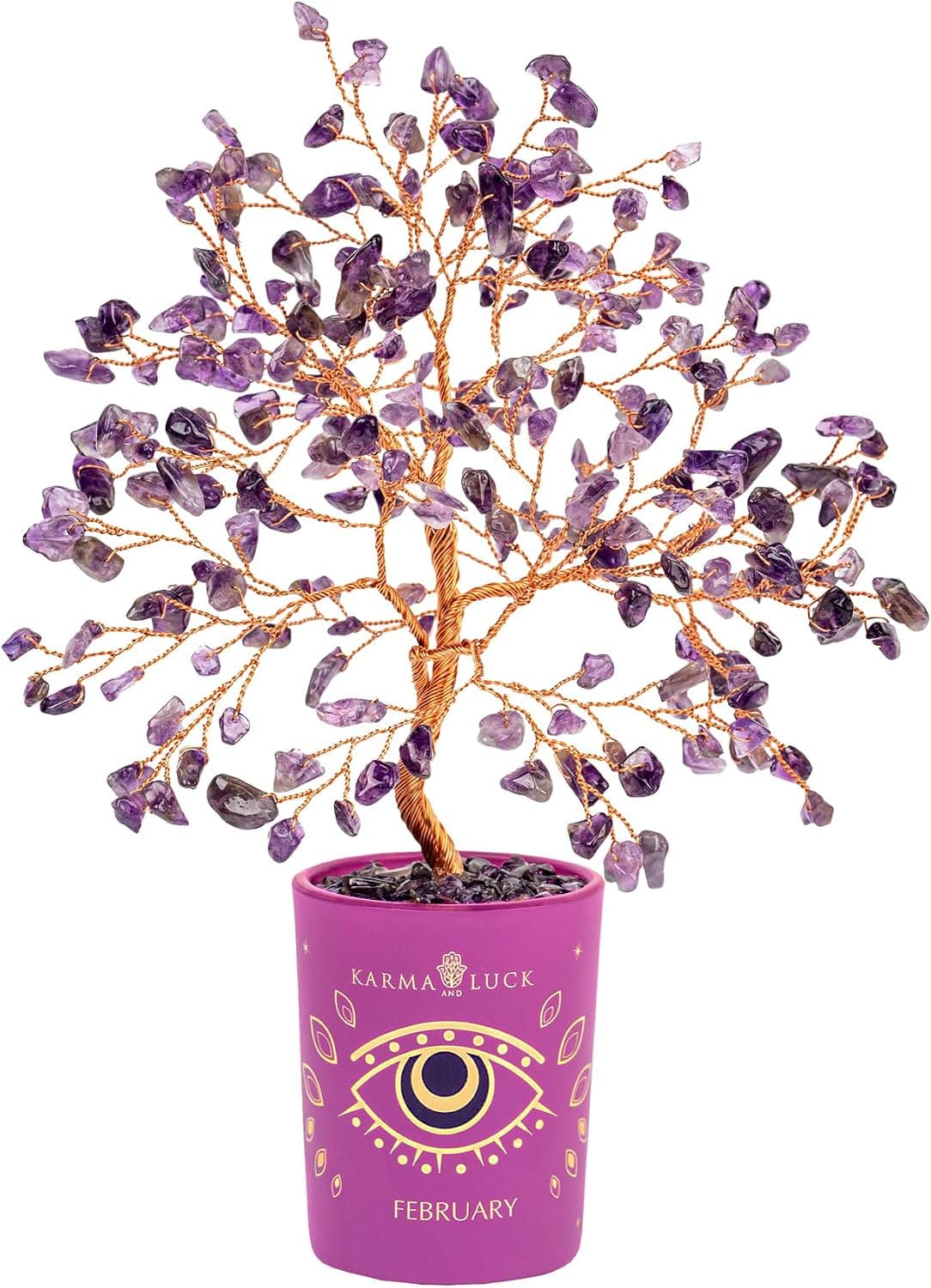 -29%
Karma and Luck February Birthstone Crystal Tree of Life, Amethyst Gemstone Fe...
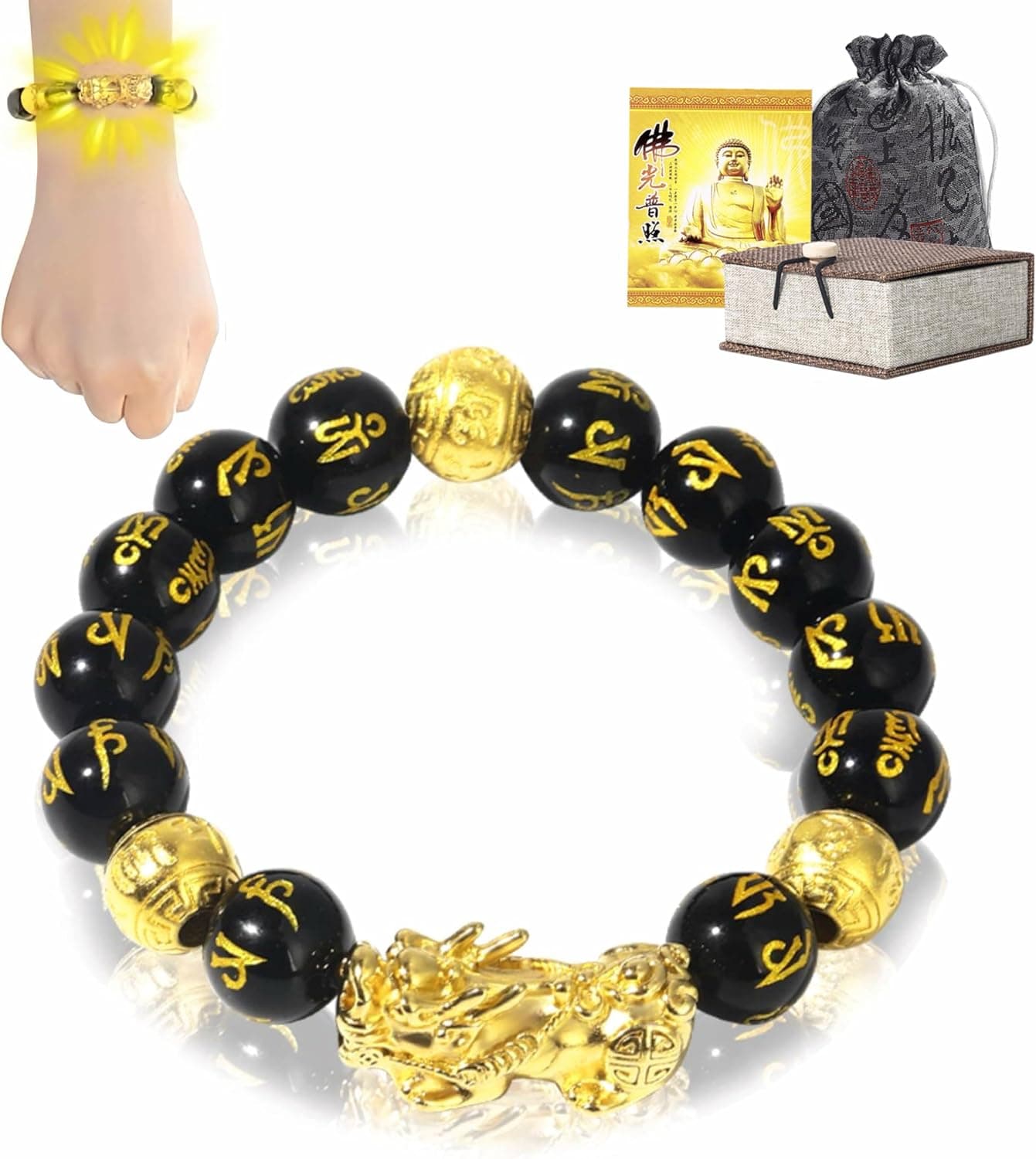 -50%
biuufish Feng Shui Black Obsidian Bracelet for Men Women, 24K Gold Plated Pix...
As an Amazon Associate, we earn from qualifying purchases. We only recommend items our practitioners have personally tested.
Continue Your Journey
Explore these related guides to deepen your understanding:
Ready for Deeper Guidance?
Try our free I Ching reading for personalized wisdom, or explore our curated Feng Shui essentials.