The stem of her ten-year pillar was read correctly. The branch is where I lost her, and where the flat above the shop did more damage than the decade itself.
What a Luck Pillar Actually Is
Your luck pillars are ten-year blocks of time, generated from your month pillar, that tell you which season your fixed chart is walking through. Four pillars describe the structure. The luck pillar, the da yun, describes the weather that structure stands in for the next decade. Each block carries a stem and a branch, and the two are saying different things. Learn more about Your BaZi Chart Reads Your Appetite for Structure, Not Your Industry.
That is the definition. On its own it is nearly useless, which is why most of this page is a case where I got the definition right and the reading wrong.
She Did Everything the Decade Asked
New city. Bigger title. The right colours on the right wall. In the fourth year of that decade, the year the energy was supposed to peak, she spent forty minutes on a video call describing the worst eighteen months of her adult life.
The calculation was clean. Day master Jia Wood, a young tree, upright and thin-barked, and at thirty-four she entered a Geng Shen decade. Yang Metal sitting on the Monkey. Seven Killings in both halves. The classical reading for that pairing is a decade of being cut into shape, of authority arriving before you feel ready, of a body that complains while a career finally moves. I told her it would be demanding and that it would build her. I told her to say yes to the responsibility.
She said yes. Then she took a north-facing flat above a shop, one window, a four-metre corridor that never saw direct light, and put her desk against a blank wall for four years.
Nothing I told her was wrong. Everything I told her was incomplete.
A correct stem carried through the wrong branch is just pressure with no exit.
Start Here If You Only Have a Minute
- Your four pillars hold still. Your luck pillars move. Structure versus weather.
- Ten years per pillar, arriving in two halves, and the branch usually decides how the decade actually feels.
- The clock starts from solar terms, not from the lunar new year, and not from your birthday.
- The annual pillar sits inside the decade: the loudest thing in any single year, the worst thing to build a plan on.
Where the Cycle Came From
The sixty-part cycle of ten stems against twelve branches predates any reading system built on top of it. Han calendar officials used it to count days and stamp administrative deadlines. Branches were bookkeeping instruments long before anyone hung a personality on them.
Then the Song-dynasty practitioner Xu Ziping moved the centre of the art from the birth year to the birth day, and that created a problem he had to solve. A chart of four fixed pillars can describe a person. It cannot describe change, and everyone who has ever paid for a reading wanted to know about change. So the month pillar was extended outward into a sequence of decades, running forward or backward from the month, with direction set by the polarity of the year stem and the sex of the native.
Worth remembering what this was before it became fortune-telling: a timing tool for planting, travel, and accepting office. Closer to a farmer's almanac than to a personality test.
It was built to answer what season you are standing in, not who you are.
The Arithmetic Nobody Shows You
The start age of the first decade comes from a division most clients never see. Measure the days between birth and the nearest solar term in the direction of the sequence, then divide by three. Three days to a year. Born two days before the spring term with a forward sequence and the first decade opens at roughly eight months old. Born twelve days out and it opens near four.
This is where a great deal of confident self-reading goes wrong. Two people born a week apart can enter the same pillar the better part of a year apart. A decade described as starting at thirty-four may have opened at thirty-three and eight months. If you have been reciting your pillars from memory, there is a real chance you have been living inside the wrong one.
And a luck pillar is not an element poured into your chart like water into a glass. The chart does not change. What changes is which part of it is in season. Same logic as the four pillars of your chart meeting time: the structure holds, the emphasis moves.
BaZi Luck Pillars Explained: The Stem Is the Light, the Branch Is the Room
Most readings spend themselves on the stem, because the stem gives you a sentence. Geng means authority. Jia means growth. Bing means visibility. It is the easy half, and it is the half a client quotes back to you ten years later.
The branch is harder and pays better. It tells you the conditions the decade arrives in: which palace it touches, what it clashes, what it combines with. That determines where in a life the stem's demand actually lands.
In that flat above the shop, the branch was doing something the stem could not describe. Shen clashed her month branch. The month palace governs your working environment, meaning colleagues, the shape of the role, and the people who decide whether you thrive in it. Geng says take authority. A branch clashing the month palace says the authority will arrive with a rotating cast around it. She got the title. She also got three reorganisations in two years, two managers who left, and a team that never settled.
Nothing in that decade lied to her. It handed her the stem through a contested corridor, and I had described only the stem.
Architects read this instinctively. Two rooms can be the same size and only one feels generous, purely because of what you walk through to reach it. A bright threshold changes a room. A service corridor changes it differently. The branch is the corridor, and two people sharing a Geng Shen decade will live it as two different buildings.
Proportion matters as much as content. A chart already thick with metal does not need a metal decade explained to it; it needs to be told that the decade will be loud, and that loud is not the same as good. Yin and yang rank direction, not quality. A strong decade is simply more directional, and direction without a destination is only speed.
Four Ways These Readings Fail
Stem only, branch skipped. The most common and the most confidently wrong. Identify your day master and its needs first, then read what the branch is doing to the palaces around it.
Treating a favourable pillar as a guarantee. A good decade is good the way a tailwind is good. Face the wrong way and you will arrive somewhere you did not want to be, faster, with the wind behind you the whole trip.
Mistaking the year for the decade. A rough year makes people conclude the pillar has broken. The decade sets the terms. The year sets the mood. Different instruments, different notes.
Trusting memory over the boundary date. Three clients in the last two years discovered mid-conversation that they had been reading a decade which had already closed.
Labels are what people remember, and memory is a confirmation machine.
Tell someone they are in a career decade and every promotion becomes evidence, every setback becomes the difficult middle years. I have watched people narrate a full ten years to fit a sentence handed to them in their twenties. The pillar did not build that pattern. The sentence did.
What Actually Helps
Begin with the day master's real needs, then count the elements in the chart honestly, including the ones you dislike. A chart crying out for water will not be helped by a fire decade being rebranded as opportunity.
Then read branch before stem, and name the palace it touches. Year for the outer world and ancestry. Month for the working environment. Day for the self and the spouse. Hour for children and the last stretch of life. Where the branch clashes a palace, that palace is where the decade's drama concentrates, however pleasant the stem sounds.
Set the annual pillar inside the decade, not beside it. The same difficult year reads completely differently inside a supportive decade than inside a hostile one.
Then the one step you fully control: adjust the physical surroundings so the decade's demand has somewhere to land. Circulation, light, threshold, proportion. Not decoration. A decade asking for sustained output needs a room where a person can recover, and a north-facing flat with a dead corridor and a desk facing a wall is a poor container for any ten years.
What she changed was small. The desk turned ninety degrees to face the door. A floor lamp went into the corridor, on from four in the afternoon, because that corridor never saw daylight and a body reads darkness as the end of the working day whether or not the work is finished. The bed came off the shared wall with the stairwell, which carried every footstep from the shop below, and moved to the quiet side.
No pillar changes when you move a desk; what changes is how much of the decade you have left to spend.
Six months later she renegotiated the role instead of resigning from it. That is a smaller ending than these stories usually get. It is the one that happened.
And Then There Is 2026
2026 is a Bing Wu year. Yang Fire on the Horse, fire stacked on fire, inside a nine-star period running from 2024 to 2043 whose presiding star is Li, also fire. A great deal of one note.
Practically, that means amplification. A fireworks year does not create a signal; it raises one. Decade branch in fire with a chart that already runs warm: expect volume and a short fuse. Decade branch in water with a chart that runs cold: 2026 may be the year the room finally warms up and you do the thing you have postponed for three years.
Either way, one fire year is a season inside a decade, not a verdict on it. Reading a single annual pillar as the whole story is like judging a house by the weather on the day you viewed it.
Questions I Get Asked, Answered Plainly
How long is a luck pillar? Ten years, and they run in an unbroken chain from your month pillar. What trips people up is the start date: it is not your birthday, so the pillars almost never turn over on a birthday or on January first.
Can I sit out a bad decade? Wrong frame. You cannot dodge a season, but you choose what goes in the ground. Ten years of pressure spent building something you want looks nothing like the same ten years spent absorbing hits.
Do the pillars change on Chinese New Year? No. Solar terms, which land around the fourth to eighth of each month. If someone has read your chart from the lunar calendar alone, you have been working from an approximation.
Same pillar, different lives, why? Same rain on a roof and on a field, and only one floods.
Which matters more, the year or the decade? The year is more urgent; the decade is more important. One tells you what is happening, the other tells you what it is happening inside of.
Where do I get my starting age? Birth date, birth time, and the solar term boundaries for that year. A calculator built on solar terms will output the sequence directly, and you can sanity-check the boundary dates against a published table.
Mei Chen
Traditionally informed guidance • Cross-referenced with classical Chinese source texts
Rooted in classical Chinese metaphysics and cross-referenced with original texts. Product recommendations are based on traditional symbolism, not guaranteed outcomes.
Practitioner-Selected Tools for This Topic
Items our team has tested and found effective for the principles discussed above. Individual results may vary.
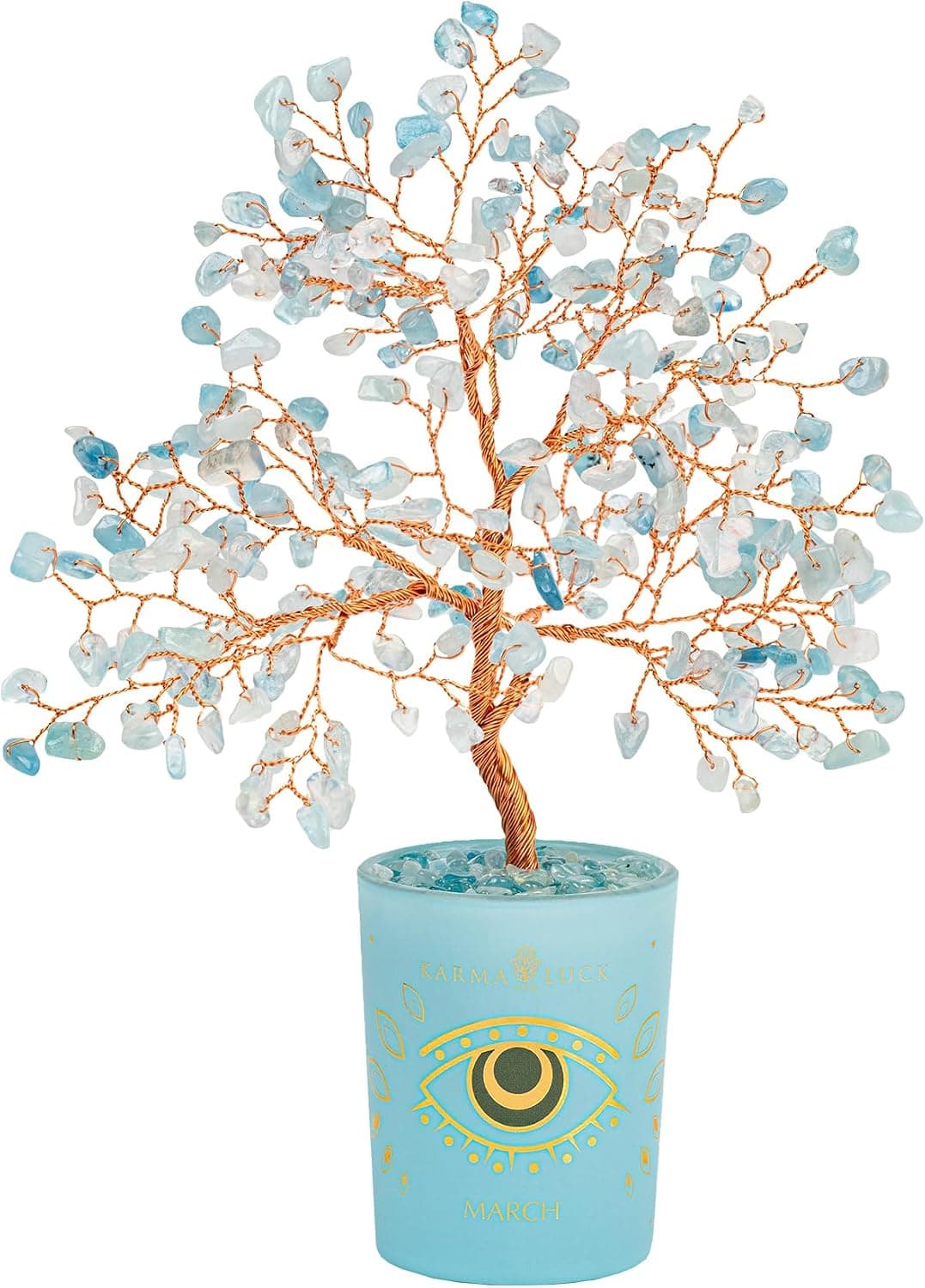 -29%
Karma and Luck March Birthstone Crystal Tree of Life, Aquamarine Gemstone Fen...
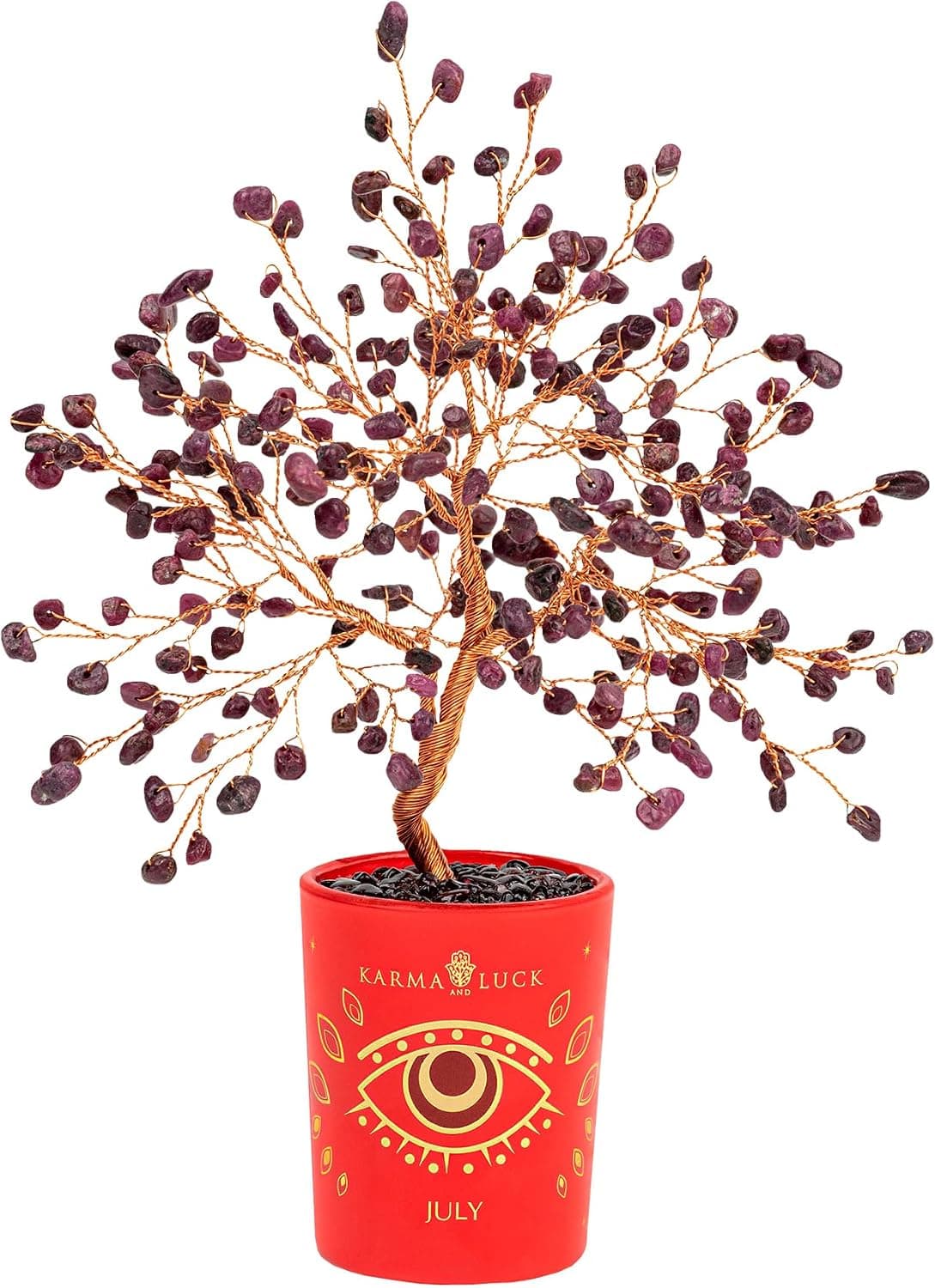 -29%
Karma and Luck July Birthstone Crystal Tree of Life, Ruby Gemstone Feng Shui ...
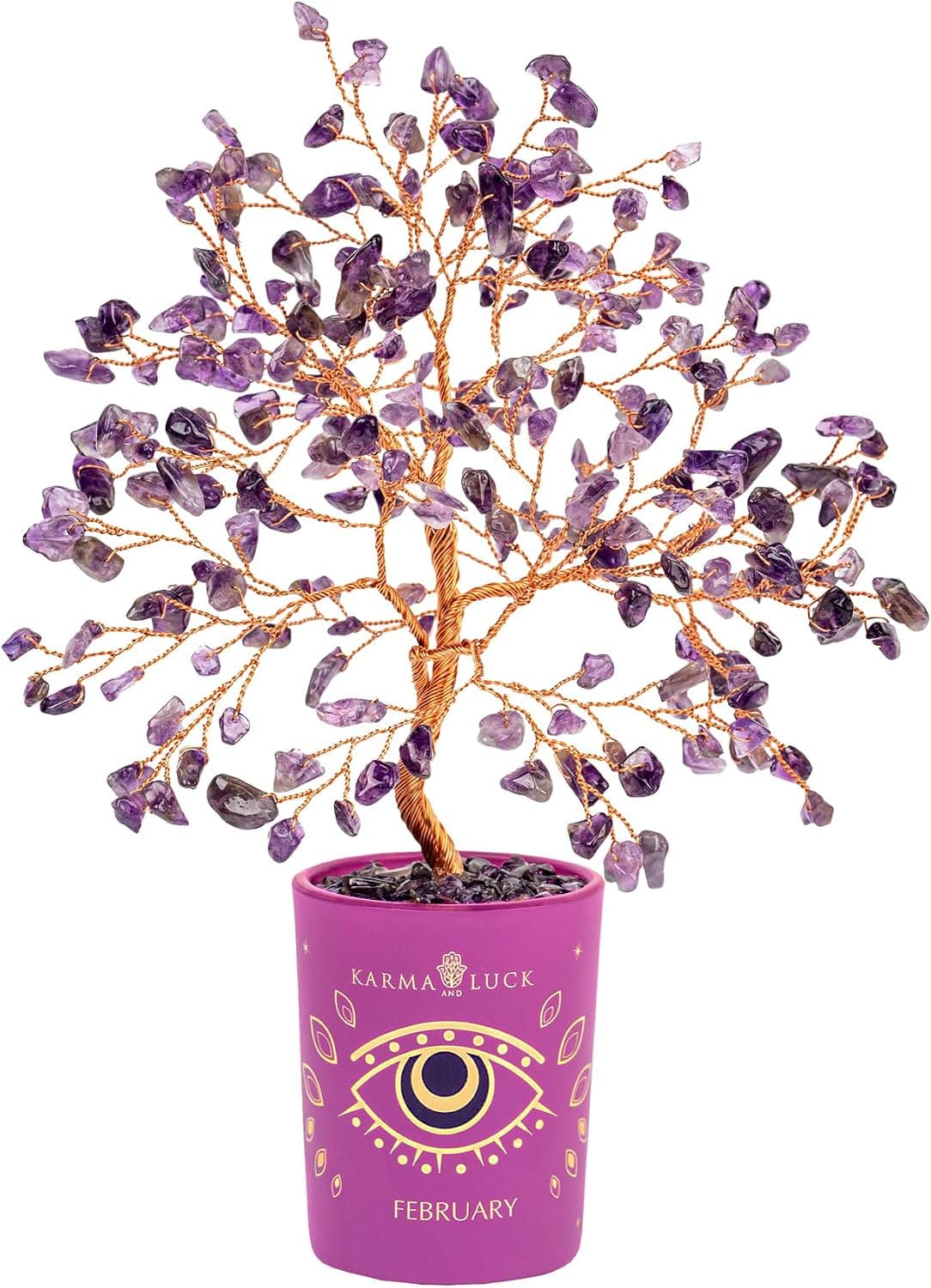 -29%
Karma and Luck February Birthstone Crystal Tree of Life, Amethyst Gemstone Fe...
 -50%
biuufish Feng Shui Black Obsidian Bracelet for Men Women, 24K Gold Plated Pix...
As an Amazon Associate, we earn from qualifying purchases. We only recommend items our practitioners have personally tested.
Continue Your Journey
Explore these related guides to deepen your understanding:
Ready for Deeper Guidance?
Try our free I Ching reading for personalized wisdom, or explore our curated Feng Shui essentials.