Classical manuals finished the sentence about clashes. Modern summaries cut it in half — and kept the alarming part.
The short answer, before the qualifiers
A BaZi clash is not a verdict of harm. It marks two of the twelve earthly branches sitting directly opposite each other on the seasonal wheel, and what it produces is movement: a change of place, a shift of phase, a hinge swinging. Whether that swing carries you or drops you depends on four things the standard reading never mentions.
So the honest reply to "is my clash bad" is: not yet decided.
People rarely type the question that plainly. They type "clash meaning" when what they actually want to know is whether they are damaged goods, whether the marriage will hold, whether the year is a write-off. What comes back is a list. Conflict, travel, sudden change, friction with a relative, watch for accidents, and here is the animal to avoid. Then a suggestion to wear something.
Read the list again and notice what is not on it: which of the two branches wins.
Classical practice considered that the entire point. A clash with no resolution clause is a description, not a reading, the same as a doctor naming the sore knee and sending you home without another word. The old manuals finished the sentence. Popular summaries cut it in half, and the half that survived happens to be the frightening one.
The correction is not that clashes are secretly lovely. Some do real damage. But the damage is conditional, and the conditions are knowable.
Four checks before you accept any clash reading
- Position. Which pillar holds the clash? Year and day are not the same event, not remotely.
- Season. The month branch sets the temperature of the whole chart and decides which branch is strong and which is exposed.
- Bind. Is one of the clashing branches also locked into a combination elsewhere? A bind changes everything downstream.
- Function. Is the clashed branch a root holding up your day master, or one of the four storehouses that only open when struck?
Ten minutes of work. Also the four things almost no popular explanation includes.
冲 means pour, not crash
The Chinese character behind "clash" is 冲, chōng. In everyday use it means to rush, to infuse, to pour water over tea leaves. 冲茶 is how you brew tea. Motion and force live in that character. Collision does not. Breakage does not.
Nothing in the character implies an impact.
"Combination" translates 合, hé: to join, to close, to fold, to fit. A lid meeting a pot. It does not mean harmony in the emotional sense and it does not mean good.
English gave both words a moral verdict they never carried. Clash sounds like a collision. Combination sounds like agreement. Once those two words are installed, the reading writes itself. It writes itself wrong.
Push further back and the frame is agricultural. The twelve earthly branches marked seasons and their turning points long before anyone used them to sketch a personality. The six clash pairs are the branches sitting exactly opposite on that circle:
Rat and Horse. Ox and Goat. Tiger and Monkey. Rabbit and Rooster. Dragon and Dog. Snake and Pig.
Each pair marks the moment one phase of the year hands over to its opposite. A hinge, in the old reading. Not a wound.
Farmers did not dread the equinox. They scheduled around it.
This is why classical texts could use a clash on purpose, as a remedy. There was a folk custom, chōng xǐ, rushing joy: a household stuck in a run of illness or bad luck would hold a wedding or a feast specifically to meet the clash head-on and break the sequence. Modern practice inverts the logic completely. Avoid the clash year. Stay home. Do nothing.
One mechanism, two directions
A clash and a combination are not two separate phenomena that happen to involve branches. They are the same contact seen from opposite ends.
Every branch carries both. Rat clashes Horse and combines with Ox. Rabbit clashes Rooster and combines with Dog. No branch is a clashing branch by nature. It clashes only against one specific partner, the way a door is open only relative to a frame.
The six combinations lock pairs together and, under the right conditions, yield an element: Rat and Ox make Earth, Tiger and Pig make Wood, Rabbit and Dog make Fire, Dragon and Rooster make Metal, Snake and Monkey make Water, Horse and Goat make Earth.
Set that list beside the clashes. Dragon clashes Dog. Rabbit combines with Dog. The same Dog is doing opposite jobs in two different charts, and the branch itself has not changed by one degree.
Now the detail that reorganizes the whole subject. Four branches, Dragon, Dog, Ox, Goat, are storehouses. Chen holds water, Xu holds fire, Chou holds metal, Wei holds wood. Classically these are vaults. A vault does not surrender its contents because you soothed it. It opens when it is struck.
Which means the two pairs modern readers fear most, Dragon and Dog, Ox and Goat, are exactly the pairs the old texts treated as keys. 冲开财库: clashing open the wealth vault. A Dragon and Dog clash in a chart with a strong wealth element was not ruin. It was access.
You cannot extract that reading from a list of clash meanings. The list has no slot for it.
The failure nobody warns about
Combinations break too, and when they break they can cost more than a clash.
A combination only transforms into its element when conditions support it: the correct season, a transforming stem, enough of the target element already present. Without those, the two branches still grip each other and produce nothing. The classical term is 合而不化, a combination that does not transform. A bind.
A bound branch cannot do its job. It is occupied, held, unavailable.
I have read charts where the single most limiting feature was a combination, not a clash. Two branches locked so completely that neither could answer anything the luck pillars sent. The owner of that chart had scanned it for clashes, found none, and concluded they were fine.
There is a structural logic underneath this that has nothing to do with astrology. A well-made chair joint carries both compression and tension. Remove the tension member because tension sounds unpleasant and the chair racks inside a year.
Balance is not the absence of opposition. It is opposition with somewhere to go.
The same rule shows up in a room. A space with no contrast at all, beige wall, beige sofa, one soft lamp, does not read as calm. It reads as unresolved, and people say so without knowing why. What lets a room rest is one hard line against soft fabric, warm light against a cool wall, a dark object against a pale field. The eye needs an edge to find its place.
Clashes do that work in a chart. They are where the qi moves.
Where it goes wrong
The failures I see do not come from ignoring clashes. They come from following the popular advice correctly and getting a worse result.
Curing the clash with its combination partner. A Rat and Horse clash "gets fixed" by adding the Ox, because Ox combines with Rat. But that Ox now binds the Rat. If the Rat was the branch holding up the day master, the support just left the building. The chart reads calmer and functions worse.
Counting instead of weighing. Three clashes sounds catastrophic until you see where they sit: year, hour, and a hidden stem, with the day and month pillars clean. Position outweighs quantity every time, which is why reading a chart pillar by pillar beats tallying symbols.
Mixing stem clashes with branch clashes. The ten heavenly stems clash as well: Jia against Geng, Yi against Xin, Bing against Ren, Ding against Gui. Four pairs, no more. Stem clashes operate on a different layer, closer to how someone behaves than to what befalls them, and merging the two flattens the reading into noise.
Writing off the clash year. The year a luck pillar clashes your day branch is a year the palace moves. Classically that is a move, a marriage, a change of work. Movement, not damage. People who stay home for twelve months to dodge it tend to report the year as flat and pointless, which is a self-fulfilling result.
Then the fix that fails in both directions at once. A north-facing bedroom with a Rat and Horse clash was treated by painting the north wall deep red to add fire and hanging a metal clock to control the water. The sleeper slept worse for months. So would anyone. Red on a north wall in low winter light reads as muddy brown, and a ticking clock two metres from a pillow is a bad decision in any element.
The chart correction and the room correction pointed the same way. Both were ignored. That happens more often than it should.
The protocol that actually works
There is no cure. The search for one is the mistake. What exists is a short reading protocol.
Locate the clash by pillar first. Year touches family background and early conditions. Month touches work and the season of your life. Day touches the spouse palace and the body. Hour touches output, children, later years. The same Rabbit and Rooster pair means something different in each position, and a reader who skips the position is guessing with confidence.
Second, weigh the two branches against the season. The month branch sets the temperature of the chart. If the month feeds one side of the clash and drains the other, the outcome is settled before a single symbol gets interpreted. This is where the balance of the five elements earns its keep, not as a scorecard but as a way of seeing which branch stands exposed.
Third, hunt for a bind. If either clashing branch is also committed to a combination elsewhere, the clash is hitting a branch that is already occupied. That fact changes the result more than any remedy would.
Fourth, ask what the clash is moving. On a storehouse, it opens. On a root, it shakes the support under the day master. On a hidden star, it wakes the thing up. The question was never whether the clash is good. It is what the clash is doing, and whether you want that done.
When the clash arrives in a ten-year luck pillar rather than the natal chart, run the same protocol with one addition: a luck pillar clash is timed, not permanent. It has a start and an end. Plan around the window instead of bracing against it.
If the whole system is new to you, sequence matters. Branches, then stems, then pillars, then clashes. Starting BaZi from scratch in that order means the clash makes sense the first time you meet it instead of landing as a verdict you have to manage.
The clash was always information. The half-sentence is the only broken part.
What people ask once the correction lands
Is a clash in my chart bad luck?
Usually not, and sometimes the reverse. A clash activates. An activated star does more than a quiet one, and "more" is not automatically "worse." Strength, exposure, and what the branch was doing before it got hit decide the rest.
Wait, so is a combination always better than a clash?
No. A combination can be the most restrictive thing in a chart. Two branches gripping each other without transforming produce a stall, not a partnership. Plenty of people with zero clashes are stuck precisely because nothing in their chart moves.
My chart has a branch doing both at once. Now what?
Then the grip wins until it releases. A branch held by a combination is not available to answer the clash, so the clash is hitting something already occupied. That single fact usually matters more than the clash itself.
Which pillar should I look at first?
Day, then month, then outward. The day branch is the spouse palace and the seat of the self. The month branch carries the season and the career. One clash touching either of those outweighs three scattered across year and hour.
Do clashes in my luck pillars matter as much?
They matter differently. A natal clash is structural, a permanent feature you learn to live with. A luck pillar clash behaves like weather: it rolls in, does its work, moves on, usually across a decade.
Can I do anything to cancel a clash out?
Any search on bazi clash combination meaning will hand you a dozen neutralizers: pendants, colors, a branch animal on a shelf. None of them touch the mechanism. You do not cancel a clash. You find out what it is moving, then decide whether to ride the movement or wait for it to pass.
Mei Chen
Traditionally informed guidance • Cross-referenced with classical Chinese source texts
Rooted in classical Chinese metaphysics and cross-referenced with original texts. Product recommendations are based on traditional symbolism, not guaranteed outcomes.
Practitioner-Selected Tools for This Topic
Items our team has tested and found effective for the principles discussed above. Individual results may vary.
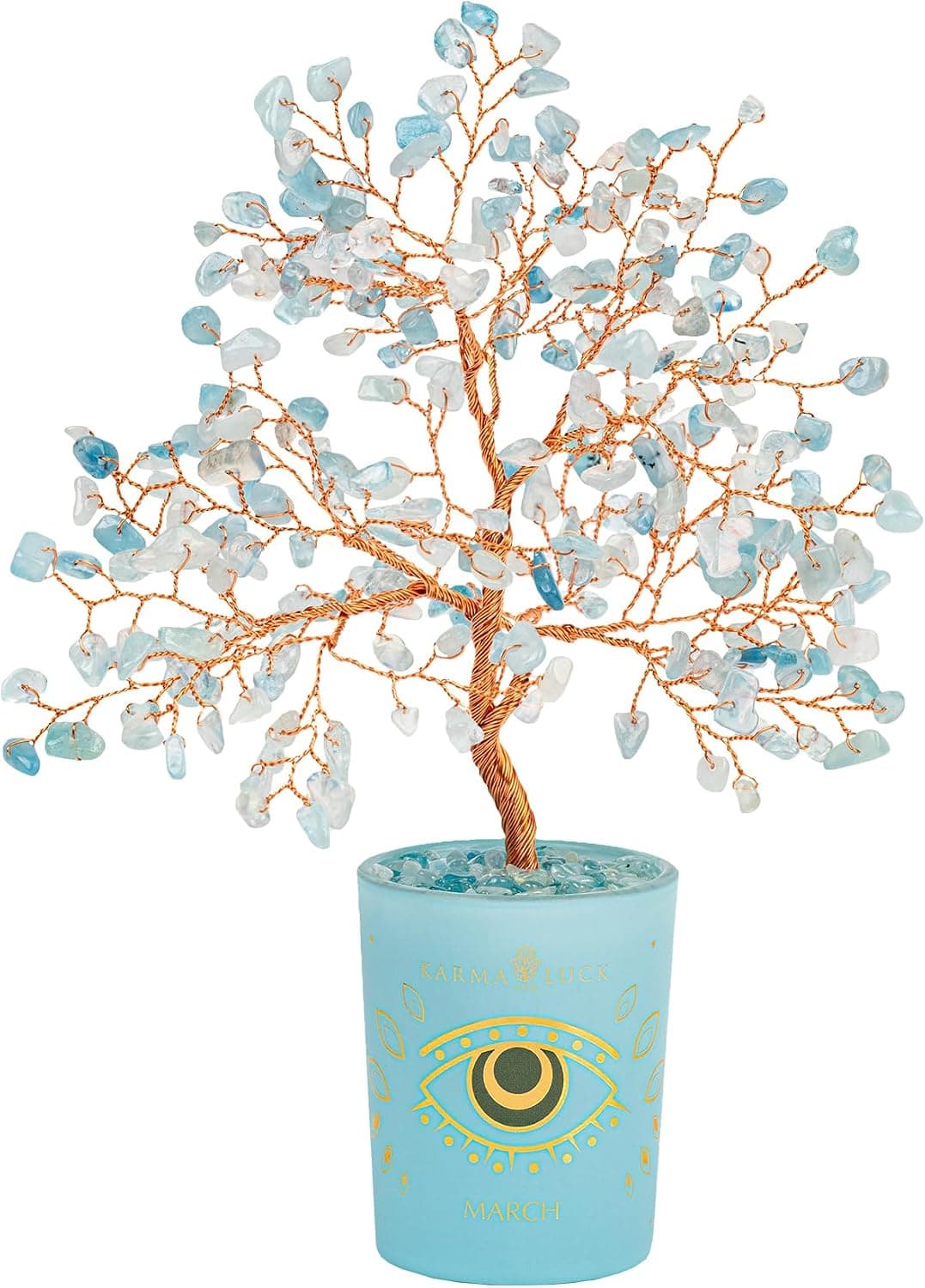 -29%
Karma and Luck March Birthstone Crystal Tree of Life, Aquamarine Gemstone Fen...
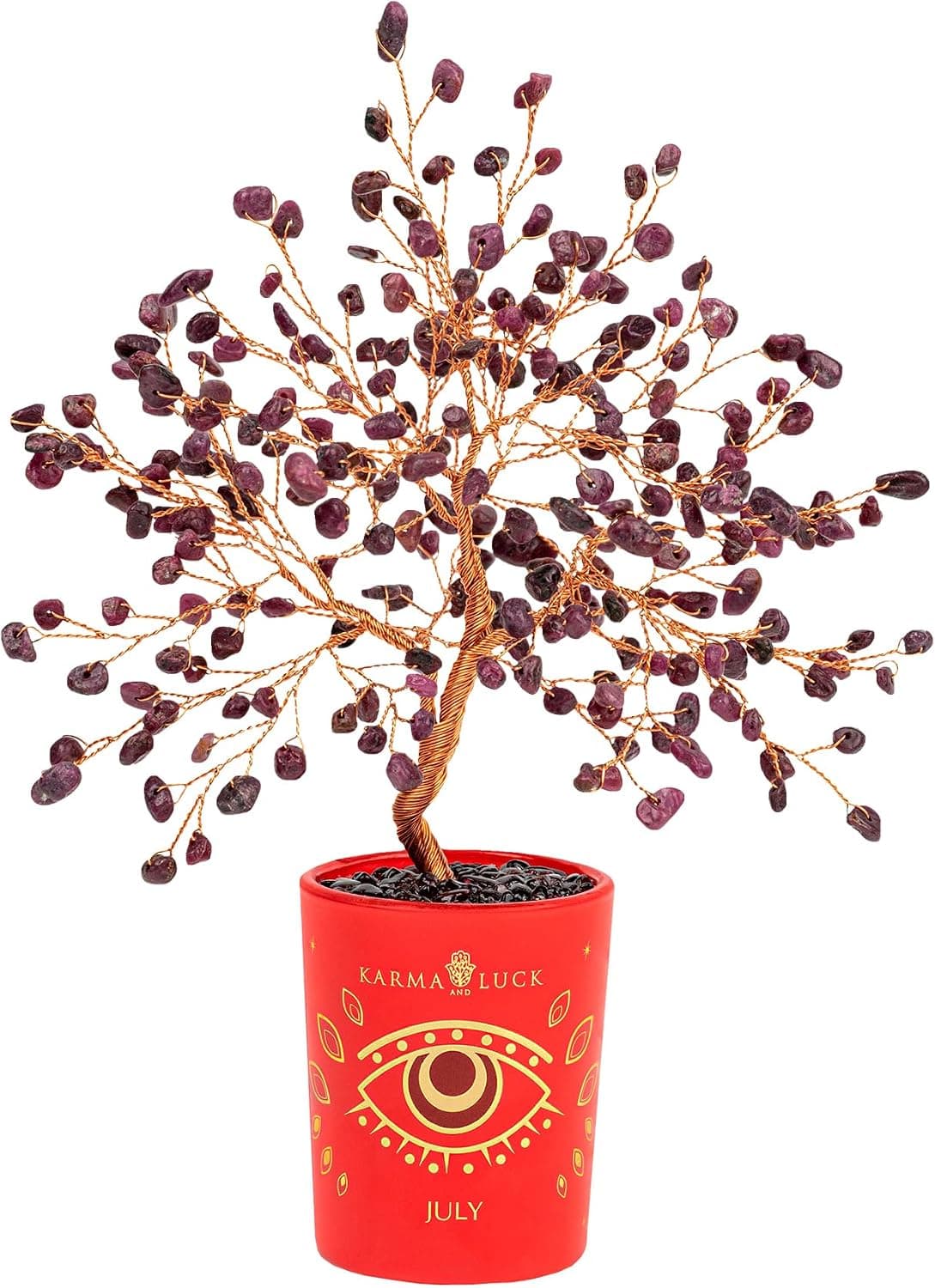 -29%
Karma and Luck July Birthstone Crystal Tree of Life, Ruby Gemstone Feng Shui ...
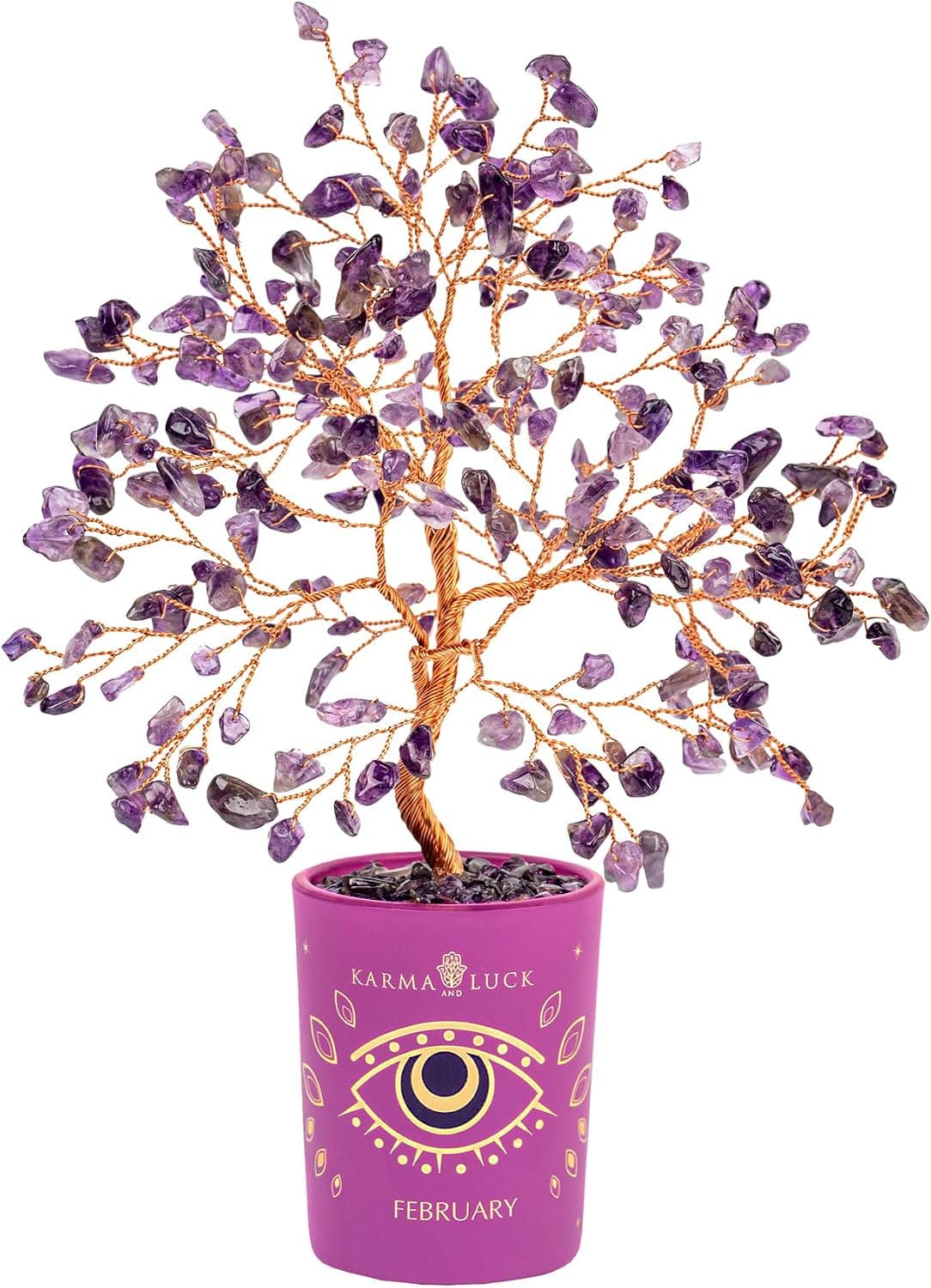 -29%
Karma and Luck February Birthstone Crystal Tree of Life, Amethyst Gemstone Fe...
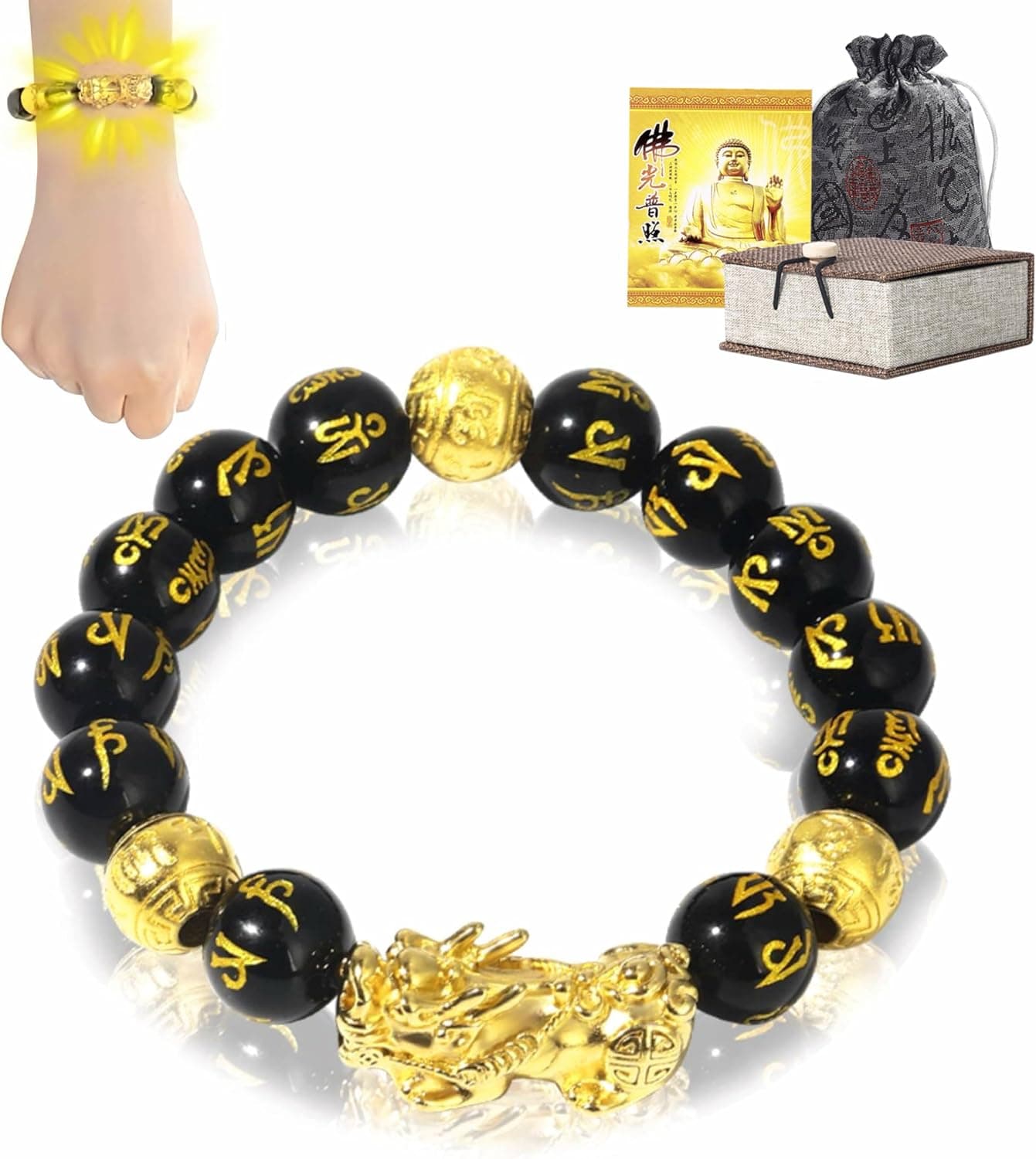 -50%
biuufish Feng Shui Black Obsidian Bracelet for Men Women, 24K Gold Plated Pix...
As an Amazon Associate, we earn from qualifying purchases. We only recommend items our practitioners have personally tested.
Continue Your Journey
Explore these related guides to deepen your understanding:
Ready for Deeper Guidance?
Try our free I Ching reading for personalized wisdom, or explore our curated Feng Shui essentials.