Ten characters read as personality types can steer a life off course. The stems describe season, root, and relation — not character.
What the Ten Heavenly Stems Actually Mean
The ten stems are notation for phase, not character sketches. 甲 through 癸 mark five elements in their yang and yin expressions, and not one of them carries a fixed meaning you can look up in isolation, because the meaning arrives from the month it occupies, the branch underneath it, whether it is rooted, and what it does to your Day Master. Everything past that is decoration.
Here is how the decoration gets applied. A chart arrives printed on a single sheet of A4, flat on a kitchen table next to tea going cold. The reader taps the top character, 甲, yang wood, and says: "You're the oak. Stubborn. Growth-driven. You need room to spread."
The woman across the table nods. Eighteen months later her study is sage green, her desk faces the door, and she has turned down a promotion, because an oak, she was told, does not take orders.
None of that came from her chart. It came from one character converted into a personality.
Which is the standard English-language misuse of the stems, and the quickest way to make an elegant system say nothing true about anyone.
Three Things to Hold Before You Read a Single Stem
- Stems are notation. 甲 through 癸 mark phases of qi the way a weather map marks pressure: useful because they show direction, intensity, and change over a season. A pressure reading is not a temperament, and a stem is not a personality.
- No stem means anything alone. Season, branch, root, and relationship to the Day Master decide what it is doing. Remove those conditions and you are not reading a word; you are reading one letter and guessing at the sentence.
- The old glosses are verbs. 甲 splits open. 乙 bends. 丙 brightens. 丁 coalesces. 戊 masses. 己 turns. 庚 changes. 辛 sharpens. 壬 penetrates. 癸 measures. Each describes a process under specific conditions. Pop BaZi turns those verbs into fixed nouns, then sells the nouns back as identity.
Why the Label Fails Where the Mechanism Would Have Worked
Search for bazi heavenly stems meaning and you get ten characters and ten adjectives. The format feels complete, which is exactly why the loss is easy to miss: the label keeps one visible feature and drops the conditions that made that feature meaningful.
In this chart, 甲 sat in an autumn month. No wood root appeared in any of the four branches. A 己 earth stem sat directly beneath its combination partner. Put plainly: a wood stem in metal season, unsupported from below, already pledged to combine into earth. The oak had no soil, no spring, and a prior engagement.
A practitioner would not have described a stubborn tree. They would have described a stem whose nature was being redirected by season, root, and combination at once: visible to everyone, reliable for no one. The label ‘oak’ cannot make that adjustment, because a label has no mechanism; it only repeats its one attribute.
The client got a mascot instead of a mechanism. That is the failure worth naming precisely: not that the reading was vaguely wrong, but that a relational system got collapsed into one fixed symbol, then acted upon for a year and a half. The mechanism would have said, ‘This wood is exposed and committed elsewhere; treat its growth as presentation, not capacity.’ The label said, ‘You are an oak,’ which is easier to remember and much harder to correct.
Where the Stems Came From, and What They Encoded
Personality reading is a very late layer. On Shang oracle bones the ten stems are day-names in a ten-day cycle, a scheduling device; the twelve branches joined them later to produce the sixty-count that still structures the calendar. For most of their history they kept time and tracked season. An agrarian instrument, not a mirror. The Western habit of reading them as traits is younger still.
What they encode is a phase. Five elements, two polarities, ten stems. That is the entire inventory.
The classical glosses read as gerunds. 甲 is splitting, the seed cracking the crust. 乙 is bending, the sprout that yields around a stone. 丙 is brightening, exposure. 丁 is coalescing, the small flame gathering into something. 戊 is massing, the hill. 己 is turning, the cultivated field. 庚 is changing, blade and harvest together. 辛 is the new and the pungent, the fresh-cut edge. 壬 is penetrating and nurturing, the great water moving. 癸 is measuring, dew and the settled drop. Read them as actions and the system behaves nothing like it does when you read them as people.
Four conditions decide what a stem is doing in your chart. Month command comes first: 甲 in spring and 甲 in autumn are different situations wearing the same character. Rooting comes second: does a branch carry that element, or is the stem exposed and unsupported? Combination third: 甲 and 己 pull toward earth, and a stem in combination has other business. And fourth, most consequential, the Day Master relationship, since the same 丙 fire is a peer to a fire Day Master, a resource to an earth one, and wealth to a metal one. There is no standalone meaning to look up, because the meaning is a position inside a relation.
That mechanism is exactly what the archetype version skips.
Why the Oak Felt True
She did not accept the oak because it was accurate. She accepted it because it was flattering, general, and impossible to falsify.
The classic experiments on this handed subjects identical generic sketches and watched them rate the text as sharply accurate about themselves; the effect survives being explained to people in advance. Add narrative identity and the pull gets stronger. People do not want an accurate account of themselves so much as a coherent story, and "I am the oak" is a very good story. It explains ambition, excuses rigidity, and accounts for every mood in between.
Then behavioral confirmation takes over. Once the label is installed, she notices every stubborn decision and forgets every accommodating one. The label manufactures its own evidence.
What makes the error so durable is that the follow-on ritual genuinely works, emotionally. She painted the study sage. Afternoon light off a muted green wall does change a room: lower visual temperature, softer contrast, a calmer feel. The room improved. The diagnosis did not. The feeling got credited to the reading.
Three Ways This Goes Wrong in Practice
Life decisions made off one character. Declining the promotion was not small. It was a career move executed on a data point stripped of season, root, and combination. A four-pillar career reading weighs output, wealth, officer, and resource together, and even then it describes appetite and friction rather than a job title. A decision that large cannot rest on a stem.
Buying the missing element. A chart short on wood produces a shoebox of green objects and a sudden interest in houseplants. But absent is not the same as needed, and a present-but-weak stem in an unsupportive season is a different problem from a missing one. The five elements chart maps balance; it is not a shopping list. Weak structures are usually fed at the source, not filled at the hole.
Reading a stem as a delivery. When a particular stem shows up in a luck pillar, people wait for the thing that stem "means" to arrive. A job, a person, a move. But a ten-year luck pillar rebalances the whole chart for a decade. It does not ship a themed package. The stem is a condition, not a delivery.
How to Read a Stem Properly
Ask four questions, in this order. What season is it sitting in? What lies beneath it, which of the twelve earthly branches carries it, and does that branch root it or bury it? Is it combining with another stem, and toward what? And how does it stand to the Day Master: same element, producing it, produced by it, controlled by it, or controlling it?
Only after those four does a description become legitimate. When it does, it stops sounding like a horoscope and starts sounding like a sentence. This stem is bright but unrooted, in a season that does not feed it, already combining toward something else, so the quality is visible to others and unreliable for the person carrying it.
Notice how much less flattering that is. Notice how much more you can do with it.
If you want the apparatus in working order, pillars, branches, stems and their relative weights, sequence matters more than any lookup table, and reading a BaZi chart properly starts from the month, not the animal.
What the System Can and Cannot Claim
BaZi is a traditional model of how a person sits inside season and cycle. It is a vocabulary for pattern and timing, built by people watching weather, harvests, and temperament, and it holds together internally. It is not a prediction engine, and the stems are not essences that guarantee outcomes.
A reading is a conversation between a fixed structure and a moving one. It describes friction and ease, where effort meets resistance and where it does not. It cannot supply a character reference for one character lifted off the top of a page.
The ten stems are precise. The personality labels hung on them are vague. Keep that distinction and the system stays useful.
Questions People Actually Ask
What do the heavenly stems mean in bazi?
Ten labels for phases of qi: five elements, each in a yang and a yin form, running 甲 through 癸. They describe condition and season, not character types. Most of the classical glosses are actions. Splitting, bending, brightening, settling.
Is the Day Master your personality?
No, and the confusion costs people real decisions. The Day Master names the element representing you, and it says something about how you meet pressure, but its behavior is set by season, root, and combination. Two people with the same Day Master stem can be described in opposite terms once the rest of the chart is weighed.
Where did the heavenly stems come from originally?
Day-names scratched on oracle bones, roughly three thousand years before anyone treated them as traits. The ten-day cycle was a way to schedule things. Pairing it with the twelve branches produced the sixty-count calendar. Personality reading is a late addition bolted onto a timekeeping tool.
Do I have to memorize all ten stems?
Memorize the pairs and you have the only fixed part: 甲乙 wood, 丙丁 fire, 戊己 earth, 庚辛 metal, 壬癸 water. Past that it turns contextual fast. Which pillar holds the stem, what sits under it, whether the month feeds it. This is why lookup tables go stale the moment you try to use one.
What does it mean if two stems combine?
Both get redirected toward a third element. 甲 with 己 pulls toward earth, and the reading shifts with it. Whether the combination actually transforms depends on season and support, a condition the quick-reference guides tend to leave out. Practically: a combining stem is a stem with divided attention.
Can the heavenly stems tell me my career?
One stem is far too thin a basis. Career questions come out of the whole structure: which elements run strong, which are starved, where the chart's effort naturally goes. Even then you get appetite and friction rather than an industry name, and the decision stays yours to make.
Mei Chen
Traditionally informed guidance • Cross-referenced with classical Chinese source texts
Rooted in classical Chinese metaphysics and cross-referenced with original texts. Product recommendations are based on traditional symbolism, not guaranteed outcomes.
Practitioner-Selected Tools for This Topic
Items our team has tested and found effective for the principles discussed above. Individual results may vary.
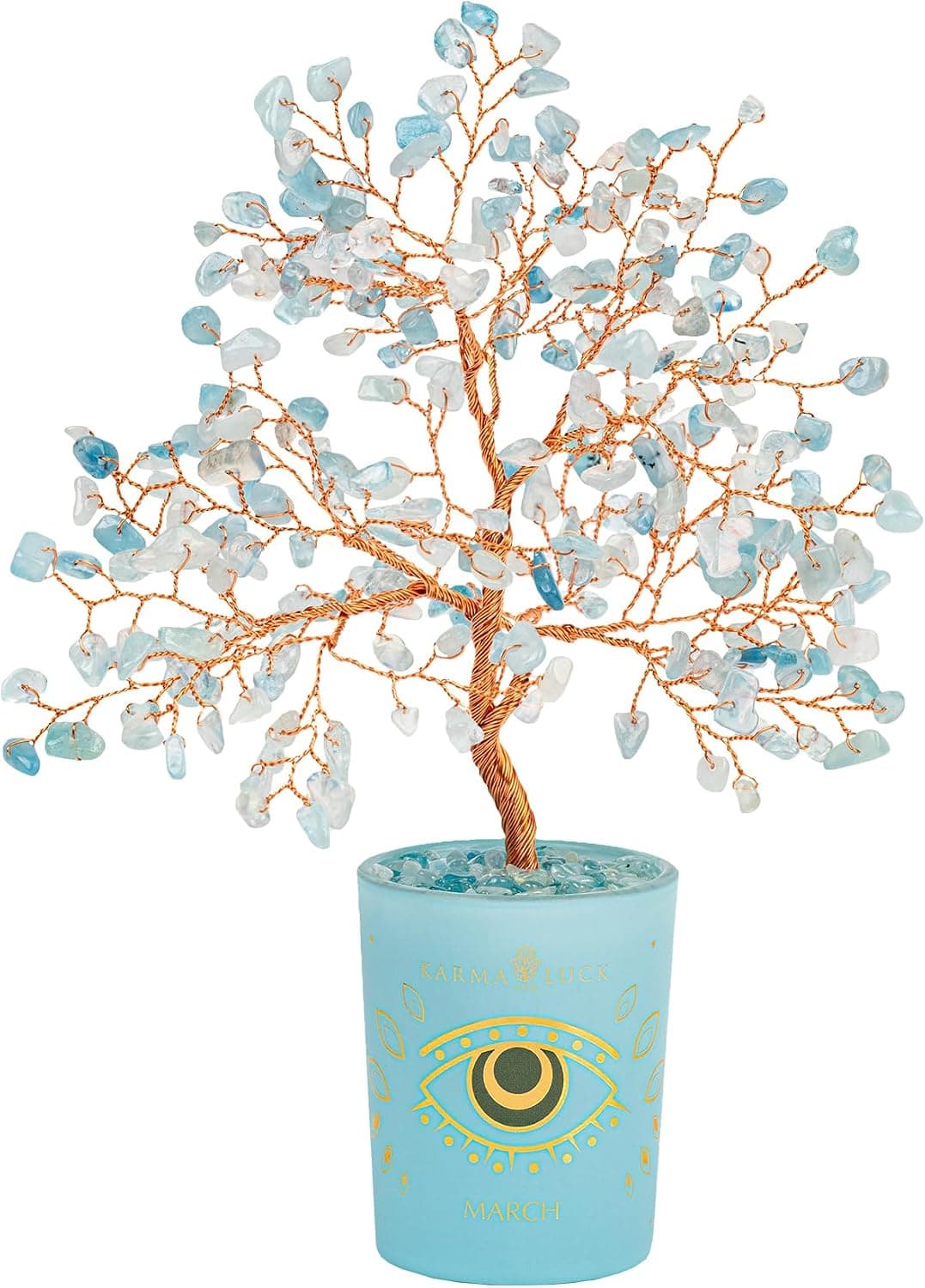 -29%
Karma and Luck March Birthstone Crystal Tree of Life, Aquamarine Gemstone Fen...
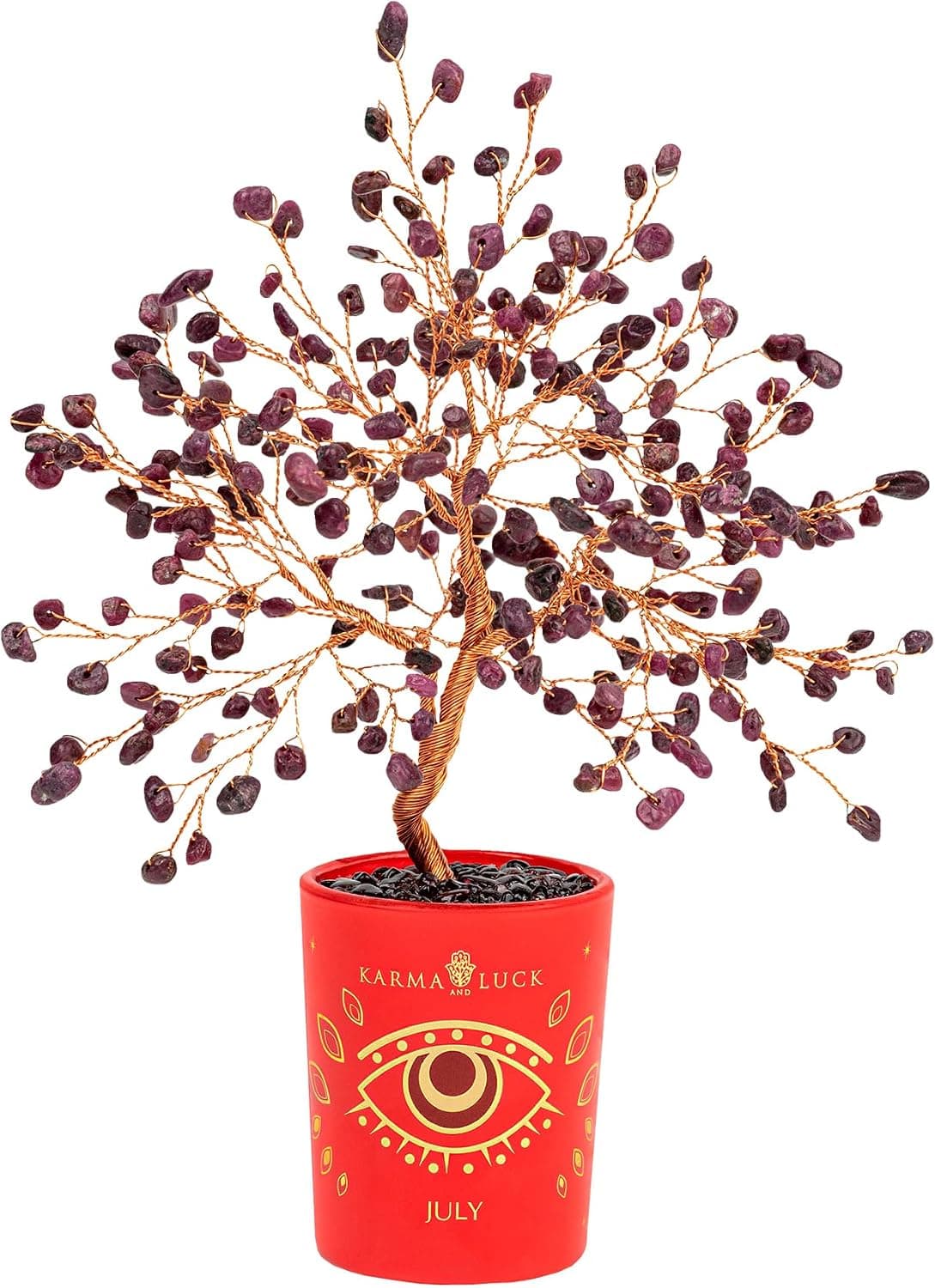 -29%
Karma and Luck July Birthstone Crystal Tree of Life, Ruby Gemstone Feng Shui ...
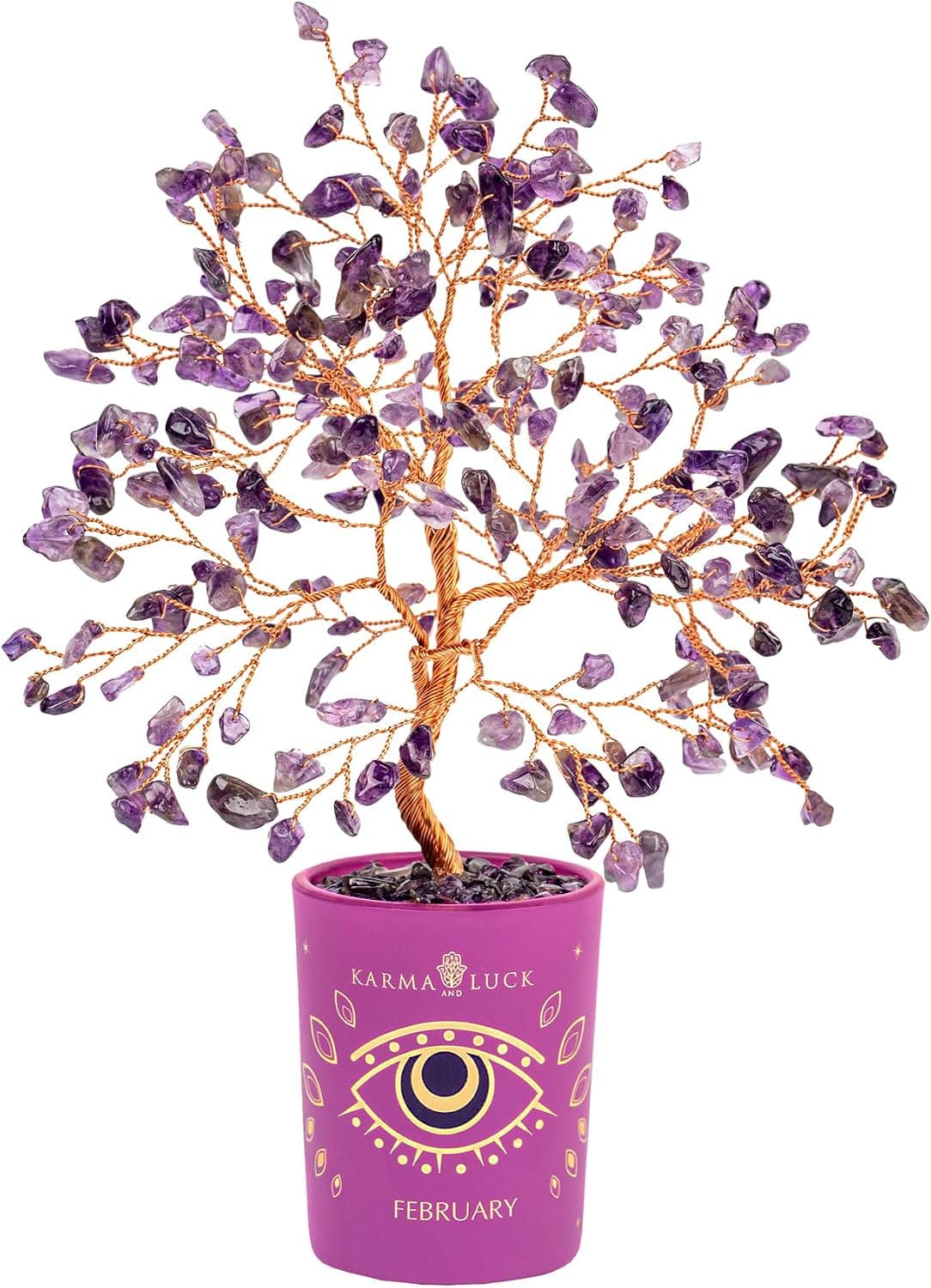 -29%
Karma and Luck February Birthstone Crystal Tree of Life, Amethyst Gemstone Fe...
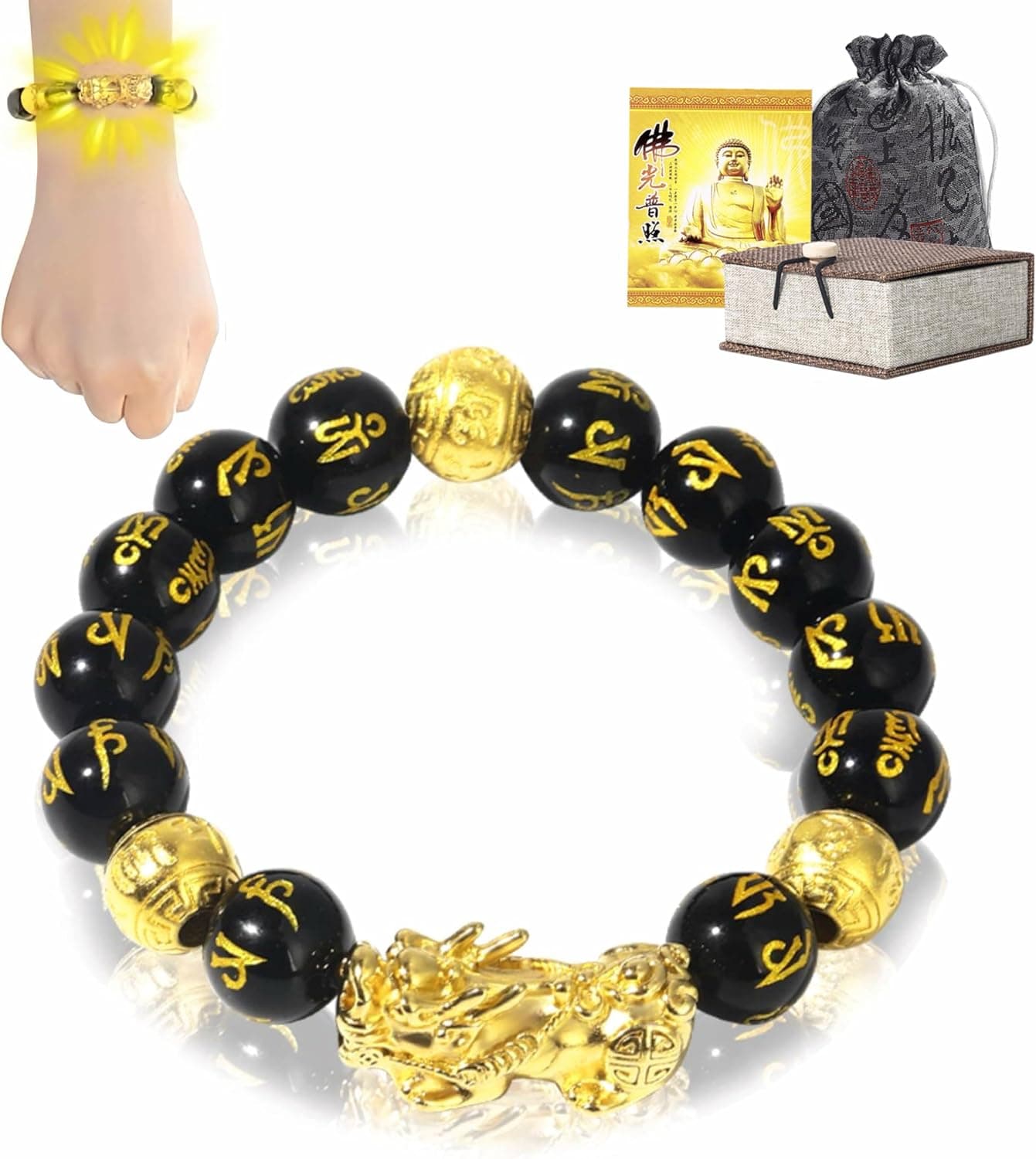 -50%
biuufish Feng Shui Black Obsidian Bracelet for Men Women, 24K Gold Plated Pix...
As an Amazon Associate, we earn from qualifying purchases. We only recommend items our practitioners have personally tested.
Continue Your Journey
Explore these related guides to deepen your understanding:
Ready for Deeper Guidance?
Try our free I Ching reading for personalized wisdom, or explore our curated Feng Shui essentials.