The reading said weak Water. The bedroom got a navy duvet, a black bowl, and the same insomnia. The chart was fine. The translation wasn't.
A BaZi reading means one thing at the level of method: it measures the day stem in your chart against the season it landed in, then names the phase of movement your chart is short of and where that shortage shows up. That is the whole of it. It describes conditions. It does not describe character, and the eight characters will never tell you whether you are bold, shy, or good with money.
Almost nobody leaves a reading holding that. One consultation I remember came back with two words underlined, weak Water, and within a month the bedroom had a navy duvet, a black ceramic bowl on the nightstand, and a mirror angled to catch the morning. The insomnia was still there in March, in exactly the spot it had occupied in November.
Nothing in that prescription was wrong. What went missing was the sentence it had been cut from.
The error rarely traces to a careless practitioner. It traces to a translation decision made in the nineteenth century and never revisited since. The chart was speaking in verbs, and the person walked out holding a noun.
The Short Version, in Four Lines
Wu xing are phases, not substances. Qi behaves like weather, not mist. The day master is a ratio measured against a season, not a personality. Ming is the structure; yun is what moves across it.
Nearly every practical mistake in this practice comes from reading one of those four words as a thing instead of a motion.
五行 Means Five Goings, and the Difference Changes What You Do
The classical term is 五行, wu xing. Nineteenth-century translators reached for "five elements" because element was the nearest European concept lying around, earth, air, fire, water, and the rendering stuck. It is also, functionally, wrong.
行 means to go, to move, to act. A more honest rendering is "five phases" or "five movings." Wood is not lumber. Wood is expansion as a phase: upward pressure, spring, the shoot cracking through soil. Fire is peak and dispersal. Earth is the hinge, the transition between the other four. Metal is contraction, the cut, the harvest, the boundary drawn. Water is descent and storage, the seed under snow.
That single word choice determines what happens next.
If Wood is a noun, you buy a plant. If Wood is a verb, you ask where in your week expansion is being blocked and then go move that thing. One response costs forty dollars. The other costs an honest look at your calendar.
There is a behavioral mechanism underneath this. A label phrased as a thing invites consumption. A label phrased as an action invites a change of routine. Your chart has not changed. The grammar of the advice has, and grammar is what your brain actually acts on. What a reader is really tracing is the generating and controlling cycles between the five phases, which is a map of relationships between movements, not a parts inventory.
Qi Behaves Like Weather, and Builders Already Knew That
氣, qi, gets translated as "energy" so reliably that most Western readers picture a glowing fog. Read the classical texts and it behaves like weather instead: season, direction, temperature, pooling or scattering depending on terrain.
Architects have worked this way for centuries without using the word. A courtyard house in the north of China and a stilt house in the humid south are both managing qi, and neither does it with objects. One stores warmth and blocks wind at the threshold. The other lifts the floor and keeps air moving underneath. Same concept, different engineering.
So a chart described as short on Metal is not reporting a missing invisible substance. It is reporting a thin contraction phase: closing, cutting, finishing, refusing. You can feel that in a life. Unfinished projects, open loops, a phone that never gets set down.
A chart never says you are short of a mineral.
What the Eight Characters Are Before Anyone Interprets Them
BaZi means eight characters: four pillars, year, month, day, and hour, each one a heavenly stem stacked over an earthly branch. That is the entire raw material.
The sequence matters. Birth date, time, and place get converted into solar terms first, because the year pillar turns at Li Chun in early February rather than at Lunar New Year, and the lunar new year cutoff is the single most common source of a chart that is simply wrong. Then the pillars are assigned. Then the day stem, the Day Master, is read as you, while the month branch is read as the season you were born into. Everything after that is a comparison between the two.
Here is what beginners miss. The month branch outranks the year animal by a wide margin. The animal everyone knows, Rat, Ox, Tiger, is one branch out of eight, sitting in the pillar with the least influence over temperament. I have watched people build entire self-concepts on that one character while the day master, the actual subject of the reading, went unexamined for years.
Casting the chart takes minutes if you generate one from your birth data. Reading it is the harder half, and vocabulary is what makes that half work.
The Useful God Is a Direction, Not an Object on a Shelf
Once the chart is built, the practitioner looks for 用神, yong shen, usually rendered as the useful god or favorable element. This is the phase whose addition pulls the whole system toward balance. Here is where most readings get misread, because a direction gets handed across the table and received as a noun.
Consider how an architect handles a dark north-facing room. She does not buy a bright object and center it on the floor. She works on the aperture, the depth of the window reveal, the proportion of glass to wall, the path you walk to get inside. Light in a room is a relationship between opening, distance, and surface. Alter the relationship and the room changes.
A chart behaves the same way. The useful phase is not a substance to acquire. It is a direction of adjustment: add the missing function, in the part of life where it is missing, at the proportion the chart can absorb. Overshooting a favorable phase is a real error, and it never appears in the shopping-list version of this practice.
Which brings up the second thing that goes wrong.
Weak Fire Is a Measurement, Not a Temperament
"Weak Fire" is not a description of a timid person. It describes a ratio: how much support the day stem draws from the season it was born into, from roots in the branches, and from the stems surrounding it. A weak day master inside a supportive luck cycle outperforms a strong one inside a hostile cycle. Nothing in that sentence is a personality claim.
People wear it like a shirt anyway. Someone once turned down a promotion because a reading had called their day master weak. A fixed label produces confirmation behavior. A conditional forecast produces planning. Identical information, opposite outcomes.
This is also where BaZi and Western sun sign astrology part company. A sun sign is a category. A day master is a measurement.
If your reading came back as a character sketch, check whether it was describing the personality traits pinned to the animal sign. That is the popular layer, not the chart layer.
Ming Is the Building, Yun Is the Weather Crossing It
Two words get flattened into "fate" in English, and the flattening does real damage.
命, ming, is the mandate, the fixed chart. 運, yun, means to transport or to turn, and refers to the moving cycles: the ten-year luck pillars and the annual pillar passing over the fixed chart like weather over a building. The building does not change. The weather does. A reading that tells you what you are has confused the two, and that confusion is where BaZi picks up its fatalistic reputation.
Keep them separate and the practical question shifts from "what am I?" to "what does this decade favor?" The second one is answerable. The first one is not.
It also explains why identical charts produce different lives. Two people with the same eight characters, born in different cities, meet different luck pillars at different ages and make different decisions inside them. Conditions get set. The sentence does not get written for you.
Three Ways a Correct Reading Still Fails You
These account for most of the disappointment I hear about, and none of them involve an incompetent practitioner.
The shopping list. The favorable phase comes back as Water, so the person buys black. But the chart asked for the descent function, which is rest, storage, the ability to stop. A black bowl stops nothing. The correction lives in the schedule, not on the shelf.
The timeline muddle. A rough annual forecast gets read as though it were the natal chart. It is not. The year pillar is one layer resting on a structure that took eight characters to describe, and a difficult year inside a favorable decade reads nothing like the reverse.
The single character. The year animal gets treated as the whole chart. It is the least specific of the eight characters and the one most likely to be flatly wrong if the birth date fell near a solar term boundary. Anyone telling you what your Rat year means without asking for your birth hour has read one eighth of the material, and the hour pillar is usually the piece that is missing.
What to Ask For Instead of a Shopping List
Put three questions to whoever reads your chart. Which phase is favorable, and in what proportion? Where in life does it apply, work, sleep, speech, money, partnership? On what timeline, meaning which luck pillar and which year?
Answers to those three give you something to build with. An object and a color give you a shopping list.
Then take the answer into the physical world the way an architect would, because environment shapes routine, and routine is where a chart's conditions get met or missed. A west-facing home office with a long unbroken corridor running straight to the desk does not need a metal object on the desk. It needs a threshold at the corridor mouth so the room has a beginning and the work has an edge. The fix is spatial, and it works because the body registers a doorway before the mind registers a decision.
Light behaves the same way. Where the favorable phase is Metal, you want a hard edge of daylight and a clear boundary between work surface and rest surface, not another soft lamp. Where it is Water, you want depth and low light toward evening, since descent is triggered by dimness and quiet rather than by a navy cushion.
None of this requires belief. It requires reading the words as verbs and making the adjustment where the function actually lives.
Strip the packaging away and the bazi reading meaning comes down to this: a set of conditions, described in a language that was translated carelessly a century ago and never properly corrected. Fix the vocabulary and most of the confusion goes with it.
Questions That Land in My Inbox
Can a reading tell me whether I'll get the job? No. It tells you which way the terrain tilts while you apply, and whether the year favors pushing or consolidating. The hiring decision belongs to the people doing the hiring.
Why does everyone talk about my zodiac animal if it counts for so little? Because it is easy. You need only a birth year to name it, which makes it the one part of the system that works without your time and place. The day stem and month branch carry far more weight in any classical reading, and neither can be guessed from a year alone.
I don't know my birth time. Is the whole chart useless? Not useless, partial. Six of eight characters still give a broad reading, but the hour pillar stays blank, and that pillar governs later life and the more private dimensions of a chart. The gap widens as you get older.
My reading said weak day master. Does that mean I'm weak? It means your day stem is lightly supported relative to the season it was born into. That is arithmetic about a chart, not a statement about your spine. Plenty of strong charts belong to people who never finish anything.
Two readers gave me opposite advice. Who's right? Possibly both, possibly neither. The favorable phase is a judgment call, not a lookup table, and two practitioners can agree on all eight characters while weighing season against roots differently. Ask each of them to show the reasoning, then decide whose logic you trust.
Are the five phases just the Greek four elements with one added? The resemblance is an accident of translation. Earth, air, fire, and water were proposed as substances things are made of. The five phases were proposed as movements things do. Those are different claims about how the world works.
Mei Chen
Traditionally informed guidance • Cross-referenced with classical Chinese source texts
Rooted in classical Chinese metaphysics and cross-referenced with original texts. Product recommendations are based on traditional symbolism, not guaranteed outcomes.
Practitioner-Selected Tools for This Topic
Items our team has tested and found effective for the principles discussed above. Individual results may vary.
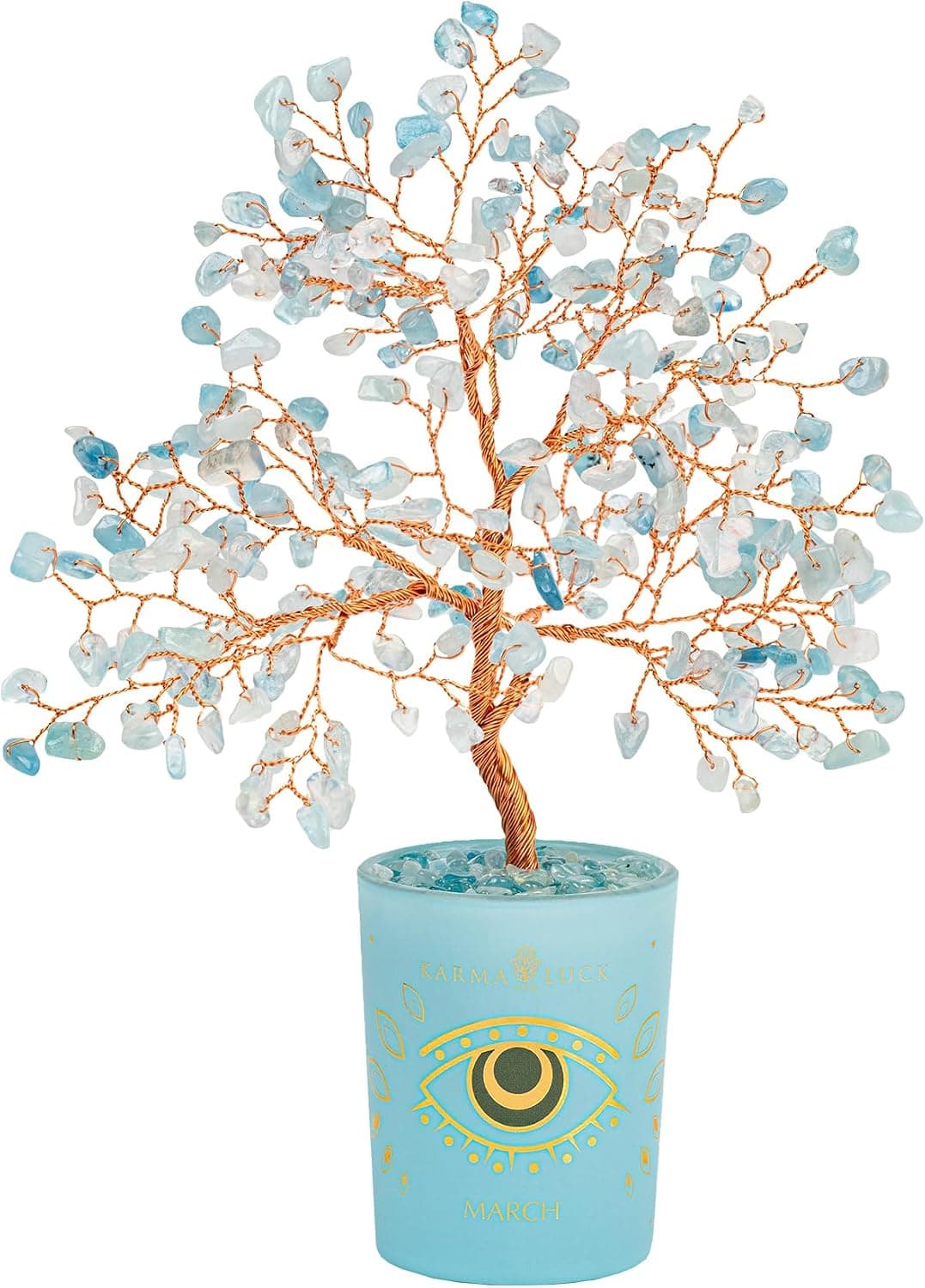 -29%
Karma and Luck March Birthstone Crystal Tree of Life, Aquamarine Gemstone Fen...
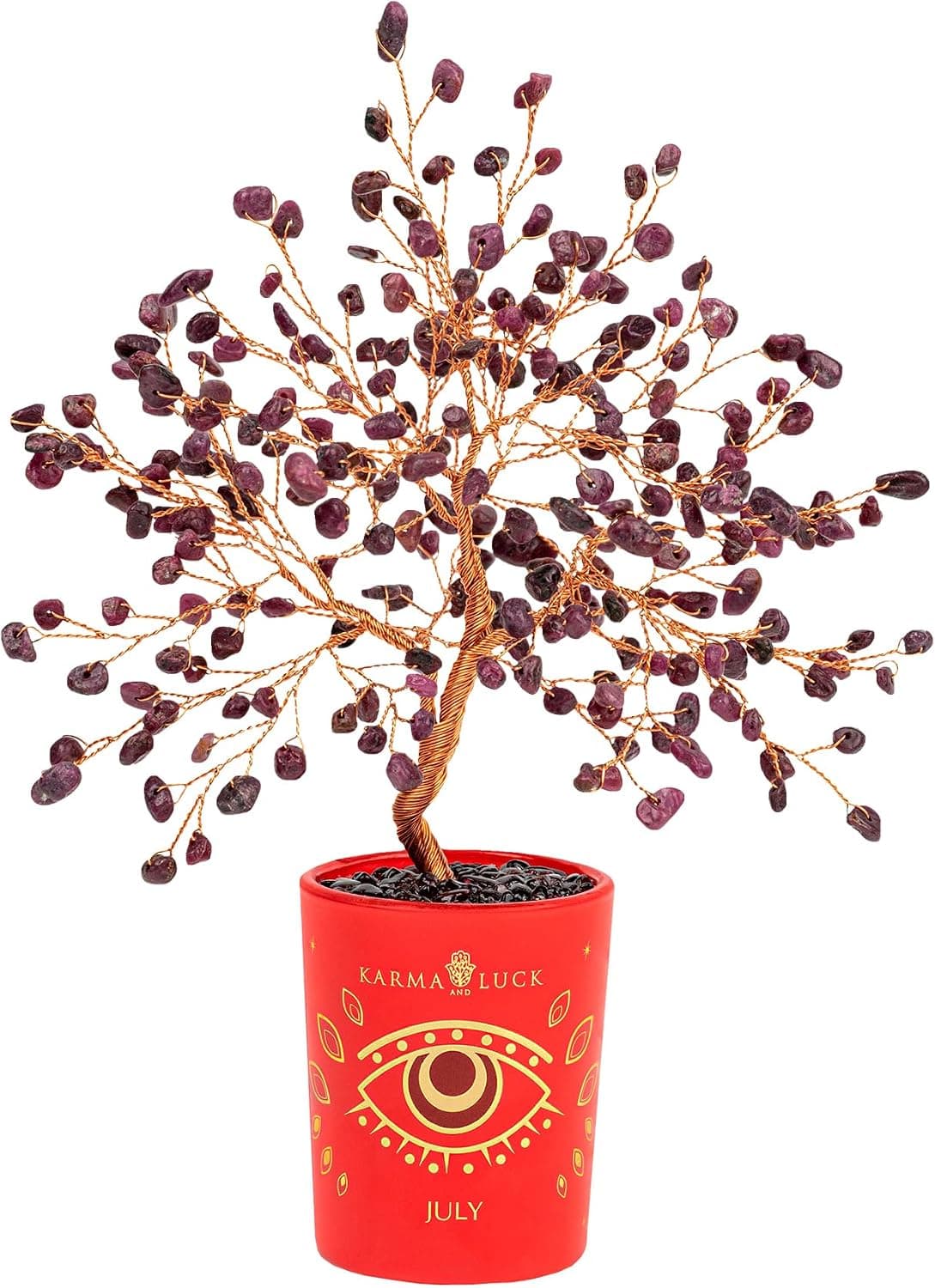 -29%
Karma and Luck July Birthstone Crystal Tree of Life, Ruby Gemstone Feng Shui ...
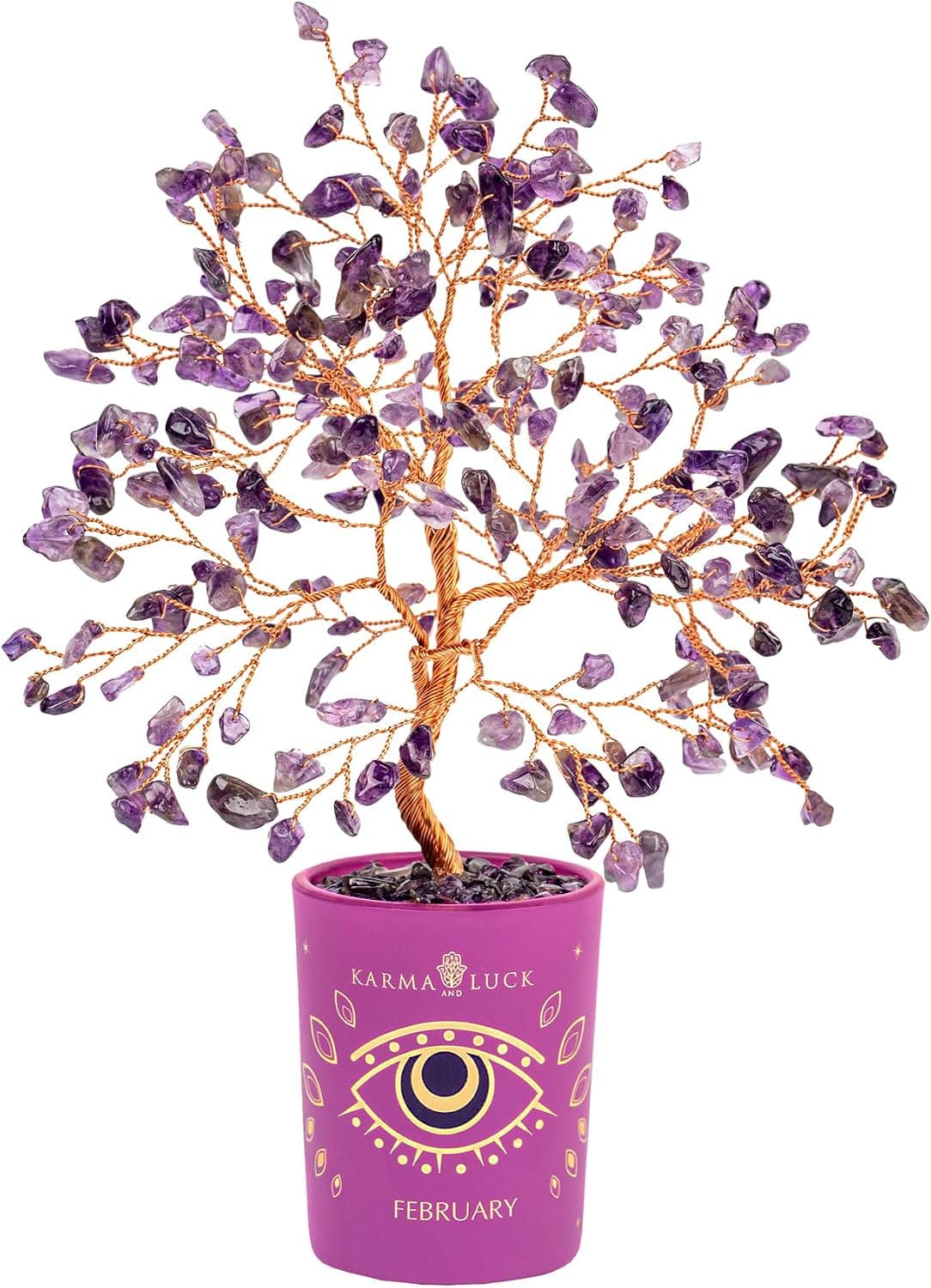 -29%
Karma and Luck February Birthstone Crystal Tree of Life, Amethyst Gemstone Fe...
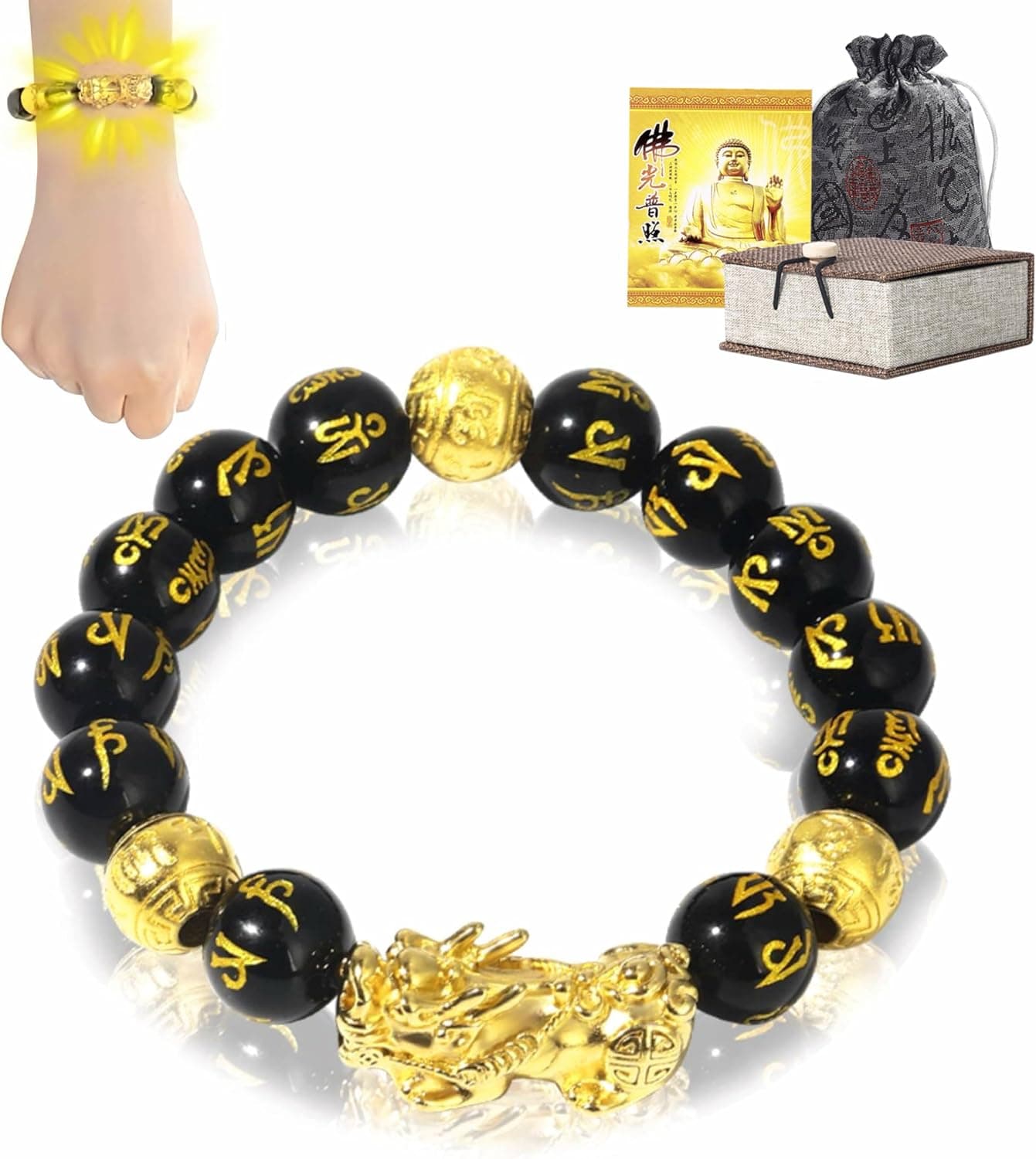 -50%
biuufish Feng Shui Black Obsidian Bracelet for Men Women, 24K Gold Plated Pix...
As an Amazon Associate, we earn from qualifying purchases. We only recommend items our practitioners have personally tested.
Continue Your Journey
Explore these related guides to deepen your understanding:
Ready for Deeper Guidance?
Try our free I Ching reading for personalized wisdom, or explore our curated Feng Shui essentials.