English turned a coordinate into a character. That is why people spend years waiting for a noble person who was never in the chart to begin with.
The Answer Before the Reasoning
The bazi noble people meaning is narrower than the English phrase suggests, and that gap is where most of the confusion lives. 贵人 is not a benefactor with a delivery date; it is a branch in your chart that marks where assistance can enter. The reading only becomes usable once you know which pillar holds that branch and what condition it is in.
Most people go looking for a person. The chart is describing a position.
Eleven Years in the Wrong Hallway
A woman I read for had been waiting eleven years. In her twenties a teacher told her that her chart carried a noble person, and from then on she built her life around an arrival that had been announced but never scheduled.
She was not passive about it. She networked, took the meetings, kept a running list of people who might one day help, sorted by how useful they seemed. What she never did was read the rest of the chart.
This failure mode is worth starting with because it comes straight out of the English word. When 贵人 was rendered as "noble person," it stopped describing a function and started describing a character: someone who shows up, usually in a good coat, usually with an opportunity attached. Readers went hunting for the character. The character is not in the chart. The door is.
贵 Does Not Mean Noble
The character means expensive, precious, valued, high in position. 富贵 is wealth and standing. 贵姓 is how you politely ask a stranger's surname, your honored name. When a Chinese speaker calls someone 贵人, they are not commenting on that person's virtue or bloodline. They are saying: being near this person raised me.
A 贵人 can be a thoroughly ordinary man standing in the right doorway.
That sentence bothers Western readers, and it should. "Noble" descends from Latin nobilis, known or of high birth, and it drags two centuries of moral weight behind it. Drop that into a chart and you get two wrong pictures: the aristocrat who patronizes you, or the saint who deserves your admiration. Neither is the mechanism.
The mechanism is architectural. A building does not help you by being beautiful. It helps by having a door where you actually need to walk. The door can be plain, badly painted, hung a quarter inch off square. It still works, because the work is done by position rather than character.
The Lookup, and What It Returns
The star most people mean is 天乙贵人, the heavenly noble. It is assigned from the day stem, and the assignment is a table, nothing more:
- 甲, 戊, 庚 → 丑 or 未
- 乙, 己 → 子 or 申
- 丙, 丁 → 亥 or 酉
- 辛 → 寅 or 午
- 壬, 癸 → 卯 or 巳
If you do not yet know your day stem, begin with the ten heavenly stems. The stem above your day branch is your day master, and it anchors everything else in the reading.
Now look at what the table hands back: a branch. One of twelve positions on the board. Not a spirit, not a promise, not a person carrying an opportunity in a briefcase. A coordinate, and a coordinate only means something in relation to the coordinates around it.
The rest of the star family does different work. 天德 and 月德 soften misfortune from above. 文昌 governs study and articulation. 太极 pulls toward the metaphysical. 福星 governs plain enjoyment. 天乙贵人 governs assistance, and its specific job is the reduction of severity. That is the whole job description, and it is far narrower than most English pages imply.
Classical texts treat the noble branch as a mitigator. It takes the edge off a clash, gives a difficult year somewhere to bleed off pressure, keeps a second path open when the first one closes. It does not remove the clash and it does not guarantee rescue. It changes the shape of how difficulty resolves.
Smaller claim. Considerably more useful.
Which Wall the Door Is On
Here is the step that gets skipped, the one that turns a coordinate into something you can act on this month. The pillar holding your noble branch tells you where help enters.
Year pillar. Outside the family line. Older people, institutions, strangers who owe you nothing and have no reason to be kind. The door faces the street.
Month pillar. Peers and industry. The person one rung above you in the same trade, the colleague who says your name in a room you were not in. Most common placement, and the one most often mislabeled as luck.
Day pillar. Spouse, business partner, your own constitution. Help arriving through the most intimate arrangement you have. If the branch sits here and the marriage has gone quiet, the door is jammed rather than missing.
Hour pillar. Juniors, students, employees, children, and your own output. Help from people you trained, hired, or raised. Westerners resist this one hardest, because it inverts the hierarchy they expect. The noble person is supposed to be above you.
I have watched people spend a decade knocking on the year-pillar door with their noble branch sitting in the hour pillar the whole time.
The help was in the hands of someone they had been treating as a subordinate.
Architects talk about circulation the way BaZi talks about pillars. A house can have a grand entry and a dead hallway, and the family will still cut through the kitchen. Nobody decides this. They drift toward the path that works. Your chart has one working door and three that are technically there; most people keep using the same one out of habit and then wonder why the traffic is thin.
Why the Wrong Reading Travels Faster
A lucky star is shareable. A coordinate is not.
"You have a noble person in your chart" gets repeated and screenshotted. "Your day stem maps to a branch sitting in your hour pillar, currently combined and unactivated" gets closed. The market rewards the first sentence, and I do not think there is much malice in it. Most people writing those pages are repeating what they read somewhere else.
Second reason, and it is Western. Anyone raised on astrology arrives expecting a benefic, meaning Jupiter, a planet that hands out gifts on a schedule. So "noble person" gets slotted into that expectation and becomes a benefactor with a tracking number. BaZi does not work that way. Nothing in the four pillars gives you something for nothing; the system describes relationships between positions and how those positions load.
Third reason, pointing the other direction entirely. In Chinese, 找贵人 is an active verb phrase. It means working your network, asking for introductions, standing where the right people pass. The passivity is an artifact of the English noun. Chinese speakers do not wait for a 贵人. They go stand where 贵人 tend to walk.
Three Ways the Door Stops Working
All three are visible in the chart.
Clash. A luck pillar or annual branch disrupts the noble branch, and the help shows up while the meeting fails to land. The introduction gets made and the email goes to spam. This is timing, not punishment, and it passes. Understanding how branch clashes actually work keeps you from reading a bad season as a bad life.
Combination. The noble branch is combined and held, and help sticks. Same person, same introduction, but it converts into something durable.
Emptiness. The cruelest version. The door is drawn on the wall. The star is real, the advice is real, and nothing comes through it.
There is a fourth failure, and it is not in the chart at all. It is in the room.
A west-facing home office I once walked through had the desk pushed flush against the far wall, which put the door directly behind the chair. Every call happened with the sitter's back to the entrance. After three o'clock the low sun raked across the desk and turned the monitor into a mirror, so real work got pushed to morning and the afternoons went to admin. Nothing in that room was cursed. It was a threshold problem and a light problem. The brain tracks entrances whether or not you are paying attention, and a chair facing away from the door holds a background vigilance that never quite resolves. Vigilance is expensive. It flattens the relaxed, scanning attention that lets you notice an opening when one appears.
An introduction arrives, and you read it fast and flat and move on, because you have been braced since noon.
That is the mechanism nobody writes about. The noble branch tells you which door to watch. The room tells you whether you are actually watching it.
What to Do With It
Start with the chart, not the pendant. A charm does not alter a branch relationship. It changes your mood, which is not nothing, but it is not the mechanism.
Read which pillar holds your noble branch, then ask honestly which door you have been keeping shut. If the branch is in the day pillar, the answer is usually the person you live with, and the reason is usually that being rescued by a stranger feels easier than asking your partner for something specific. If it is in the hour pillar, the answer is usually someone junior whose judgment you discounted because of where they sit on the org chart.
Then check the timing. If your current ten-year luck pillars disrupt the noble branch, stop treating the silence as a verdict. Seasons turn.
Then fix the room, because the room is the part you control this week. Sit where the threshold of the space is in your field of view. Keep the path from door to desk clear, nothing stacked in the entry, no chair wedged against the swing. Get the glare off the screen at the hour you actually need to think. Proportion matters as well: a room with a cramped entry and a bright far wall pulls your attention past your own desk, and you end up working at the edge of your own life.
A north-facing bedroom I saw last spring had the bed pushed into the one corner where the door opened onto the sleeper's back. The occupant had rearranged everything else in the flat twice, chasing a low-grade unease she could not name. Nothing wrong with the room's shape. Wrong corner. Two feet of movement solved what three years of furniture shopping had not.
Small moves. They are also the ones that make an opening visible when it opens.
天助自助者
Heaven helps the one already moving. That saying is not a moral instruction; it describes how the mechanism behaves. Assistance in BaZi is a circulation problem. It moves toward structure that already has somewhere to put it. A person with no shape to their days can be introduced to a 贵人 and nothing will occur, because there is no slot for the help to land in.
So the useful reading is not "someone is coming." It is "your chart has a door, and here is which wall it is on."
Less comforting than the English version. Also the only version that has produced anything in my experience of reading these charts, which is a person who stops waiting at the wrong wall and starts standing at the right one.
If you want the rest of the picture, reading a BaZi chart from the day master outward is the sequence that keeps you from over-weighting a single star. And if you are still unsure which element is doing the real work in your chart, the five elements chart will show you the balance before you go hunting for individual branches.
Questions Readers Actually Send
Does 天乙贵人 protect me from bad luck?
No, and the difference matters more than it sounds. A mitigator reduces severity; it does not cancel events. The pothole is still in the road, the suspension just takes the hit. Anyone selling total protection has stopped reading the classical descriptions.
How do I find my noble person star?
Day stem first. That single character above your day branch is the only input the lookup needs, and it is printed on every free chart calculator. Match it against the table, then look at which of your four pillars holds the branch it points to.
Three noble branches showed up in my chart. Is that stronger?
Not automatically, and frequently the opposite. Multiple branches can describe help scattered across too many directions at once: contacts everywhere, depth nowhere. One unclashed branch sitting in a pillar that matches your actual life tends to outperform a chart full of tangled ones.
Can my noble person be a family member?
Depends where the branch sits. In the year pillar the help normally comes from outside the family line. In the day pillar it arrives through the most intimate relation you have, which is often a spouse or a long-term business partner. If a relative keeps being the one who opens things for you, check whether your branch is in the day or month position before deciding the chart is wrong.
What if I have no noble branch at all?
Then you work with what is there, which is more than people assume. A well-supported day master, a strong resource star, healthy output: each produces its own form of assistance. Quieter, slower, and far less dependent on someone else deciding to like you.
Why do Chinese sources describe 贵人 so differently from English ones?
Because the English noun froze a verb. 找贵人 is something a person does. Once it became "noble person," it turned into something you have or wait for, and that one grammatical shift explains most of the bad advice in circulation.
Mei Chen
Traditionally informed guidance • Cross-referenced with classical Chinese source texts
Rooted in classical Chinese metaphysics and cross-referenced with original texts. Product recommendations are based on traditional symbolism, not guaranteed outcomes.
Practitioner-Selected Tools for This Topic
Items our team has tested and found effective for the principles discussed above. Individual results may vary.
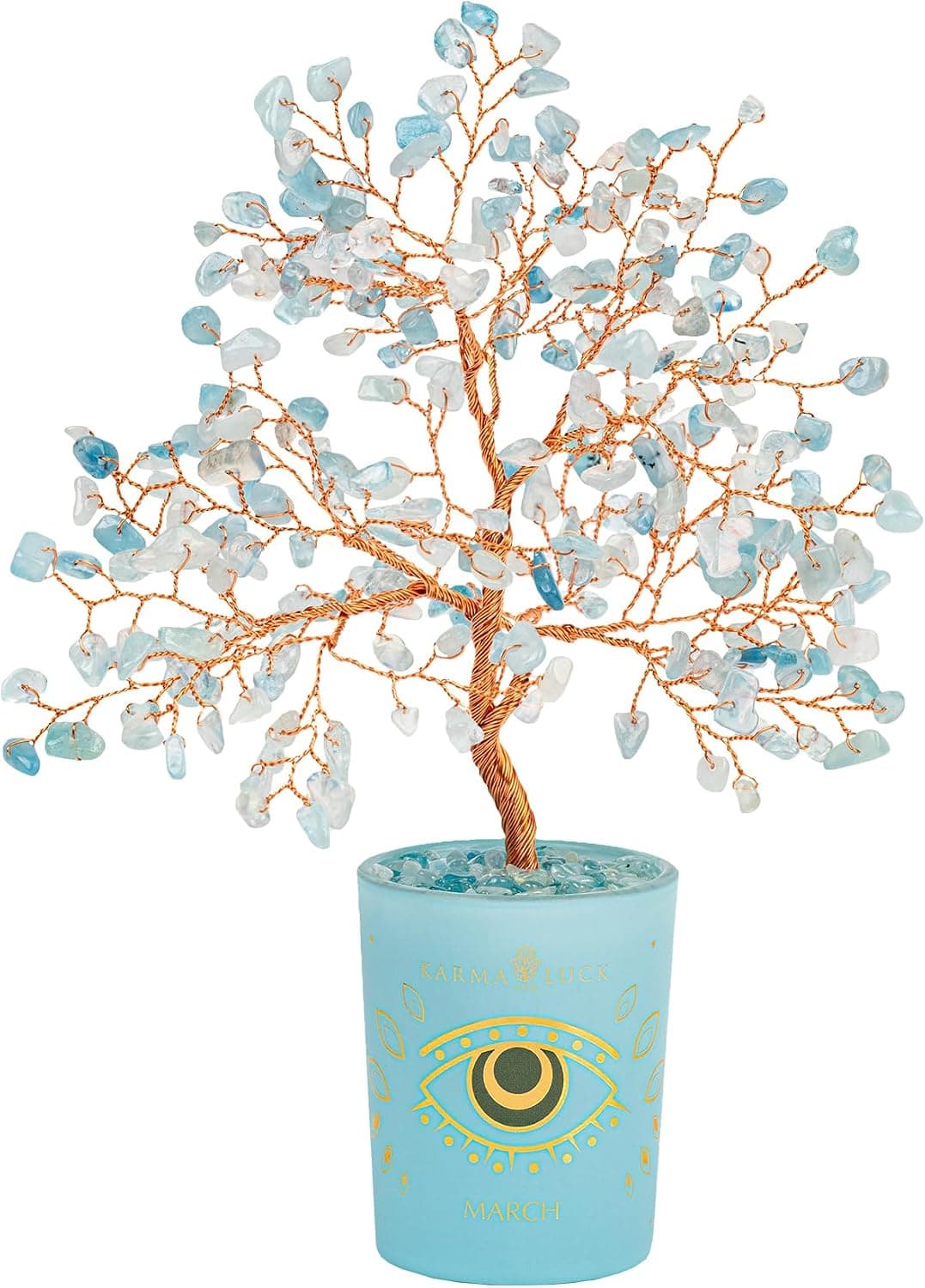 -29%
Karma and Luck March Birthstone Crystal Tree of Life, Aquamarine Gemstone Fen...
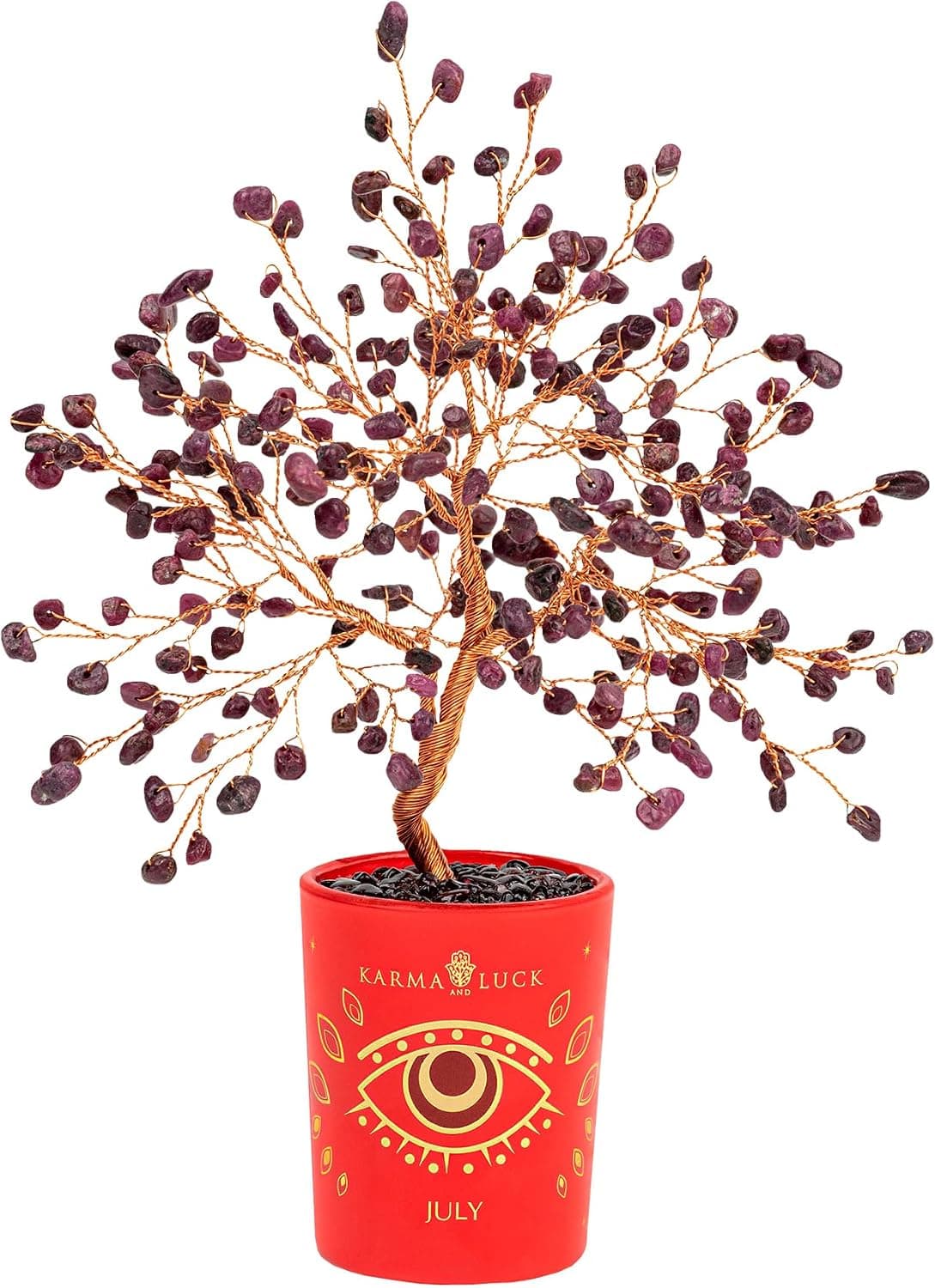 -29%
Karma and Luck July Birthstone Crystal Tree of Life, Ruby Gemstone Feng Shui ...
 -29%
Karma and Luck February Birthstone Crystal Tree of Life, Amethyst Gemstone Fe...
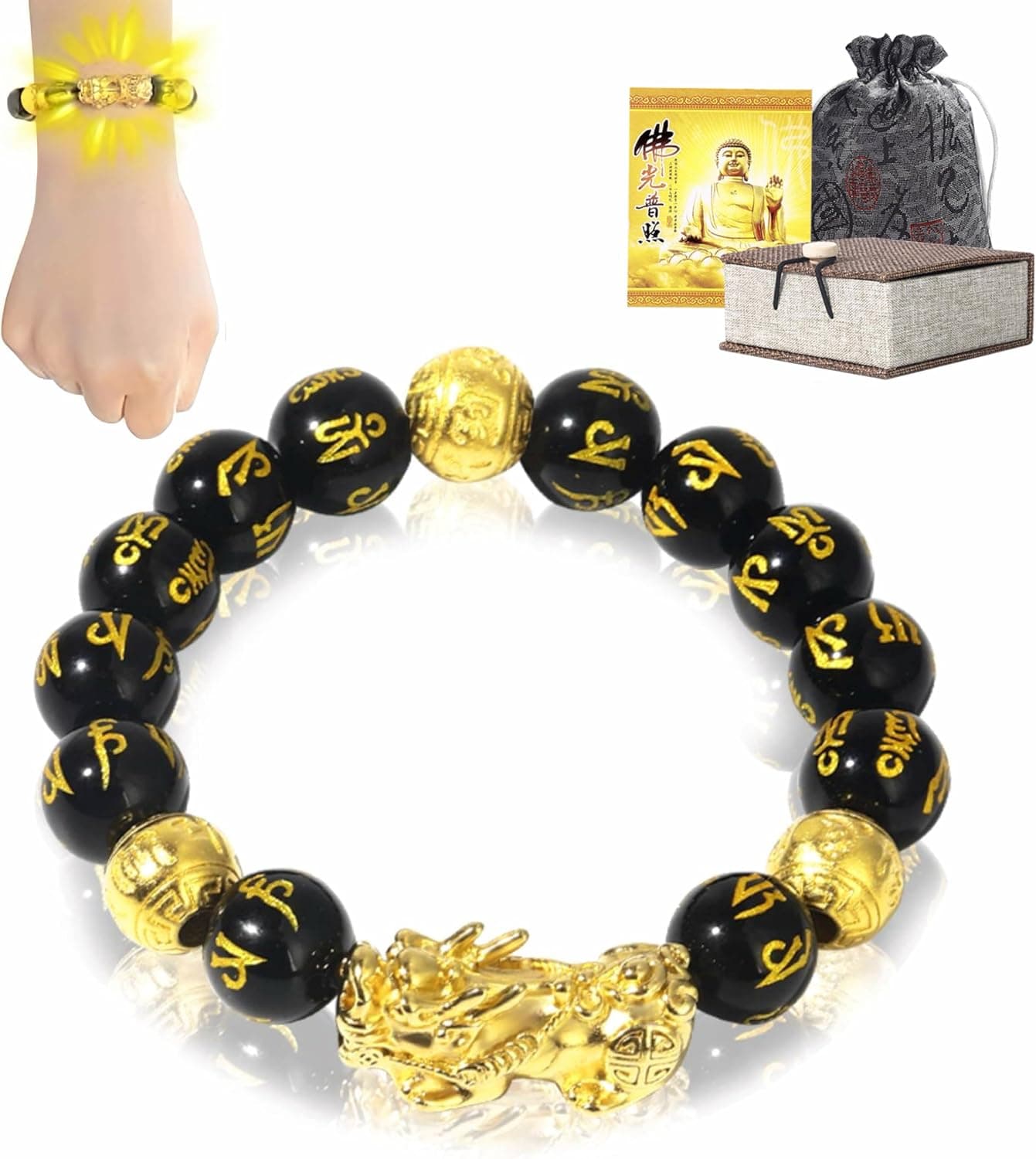 -50%
biuufish Feng Shui Black Obsidian Bracelet for Men Women, 24K Gold Plated Pix...
As an Amazon Associate, we earn from qualifying purchases. We only recommend items our practitioners have personally tested.
Continue Your Journey
Explore these related guides to deepen your understanding:
Ready for Deeper Guidance?
Try our free I Ching reading for personalized wisdom, or explore our curated Feng Shui essentials.