Your chart is probably calculated correctly. The interpretation pasted on top of it usually isn't — and that's where the bad advice starts.
Start With Two Characters, Not Eight
Find the character sitting above the day column. That is the day master, and every other character in the chart gets described relative to it. Then read the branch in the month column, because it sets the season and the season sets temperature. Do those two things before you look at anything else and you are already ahead of most readings sold online.
Then pull a chart that prints the hidden stems inside each branch. Eight large characters with nothing underneath is a summary of a summary.
Here is the whole sequence, short enough to memorize:
- Get a chart showing all four pillars and the hidden stems.
- Locate the day stem. That is your subject.
- Read the month branch as climate before anything else.
- Weigh strength and temperature together. Name a favorable element only after that.
- Leave color lists, career-by-animal charts and single-element fixes on the shelf until the first four are done.
The rest of this page explains where that order came from, because an order you cannot justify is just a different set of instructions to obey.
Eight Characters, Two Layers
BaZi translates as eight characters. Four pillars, two characters each, taken from the year, month, day and hour of birth. Ten heavenly stems above, twelve earthly branches below, running in a sixty-year cycle.
Stems are the visible, active layer. Branches are the ground underneath: season, moisture, hidden contents. Same stem, different branch, different plant. A stem sitting on a February branch and the identical stem sitting on a July branch are not the same person, which is why the ten heavenly stems tell you almost nothing until you know what they are standing on.
The year pillar is backdrop: family, era, the conditions you arrived into. Beginners treat the birth animal as the hero of the story. It is not. The day stem is the one looking out at the room.
One distinction worth making early, because it saves months of confusion. The four pillars describe a constitution. They do not describe a schedule. Timing is a separate layer, covered in ten-year luck pillars.
This Began as a Calendar, Not a Personality Test
The stems and branches were notation before they were anything else. Shang diviners cut them into bone to mark days. For more than a thousand years they tracked time, months, the turn of seasons, with no claim about who anyone was.
The move toward personal reading is usually credited to Xu Ziping in the Song dynasty, which is why the method still carries the name Zi Ping Ba Zi. His structural shift was simple and permanent: take the day stem as the center and judge it against the month it was born into. Later texts spent centuries arguing with him and with each other. Yuan Hai Zi Ping, San Ming Tong Hui, Di Tian Sui, Qiong Tong Bao Jian disagree about weighting, about strength, about how far season overrides everything else.
That argument is the tradition. Anyone selling a single uncontested method is selling something newer than the label suggests.
Which means there is no canonical master list of your element. There are schools, and then there is a large popular layer written recently by people who never entered the argument at all. Most of what circulates as a bazi for beginners guide is a translation of a translation of that layer. Fine for vocabulary. Poor as instruction.
The cosmology overlaps with the I Ching, yin and yang and the five phases in their generating and controlling cycles, but the instruments do different jobs. One answers a question you carry in. The other describes a constitution you arrived with. Shared ancestry is not shared function, which is part of why the comparison in BaZi and Western astrology goes sideways so often.
The Month Branch Is a Thermostat, Not a Shopping List
A chart can hold all five elements and still run cold. Born in the second month of winter, three water branches, no fire anywhere, that person is not missing fire in the sense a checklist implies. They are a system running below temperature.
A thermostat does not care what color the front door is.
What the classical texts do instead is ask two questions in fixed order. How strong is the day master? How warm is the season it sits in? Strength and temperature are separate axes and they disagree constantly. The disagreement is usually the reading.
This is the entire reason Qiong Tong Bao Jian exists. Its subject is seasonal adjustment: given this stem in this month, what does it need in order to function? Not what is absent. What is required. Different questions, different answers, and beginners blur them into one.
Read the five elements chart as a map of relationships under load and it starts behaving like a description instead of a horoscope. Ask what is doing the work and what is being drained. Never ask which element failed to show up.
A Room Painted for a Chart That Didn't Help
I once stood in a converted dining room painted deep indigo because a reading had called for water. The desk sat flat against the north wall under a narrow window, and the person working there had her back to the only door.
Six months of afternoon fatigue. A low dread about walking into a room in her own house.
Two failures were stacked. The element logic was borrowed and thin, one element lifted from a list and applied to a paint chip. The spatial logic was bad on its own terms, chart or no chart: back to the door, no sightline to the entry, daylight landing on the wall behind the screen instead of on the work. Remove every metaphysical claim and the room still fails.
That is the test I use now. If a recommendation only survives because a chart says so, and the room itself contradicts it, the recommendation probably did not come from a classical source.
Why the thin version spreads so easily: it is fluent. One noun, water or wood or black, is memorable and instantly actionable. A conditional judgment, your wood is rooted but chilled so warm it rather than feed it, takes three sentences and cannot go on a poster. The mind rewards the shape of an answer over its accuracy.
Unconditional instructions travel further than conditional ones. That single fact explains color lists, career charts keyed to animals, and compatibility reduced to one number.
The Order That Holds Up
Chart with hidden stems first. Then the day stem. Then the month branch as climate. Then strength. Name favorable elements last, and name them as functions rather than objects: warmth, not red; structure, not a metal bracelet.
The full walk-through lives in reading a BaZi chart, and the day stem gets its own treatment in day master meaning, because half of all beginner misreadings start and finish there.
If health is what brought you here, one caution. The element you assume is weak is rarely the one driving the problem. Overload somewhere else is the usual pattern, and that distinction is the point of the health element reading.
What You Actually Get Out of It
Not more accuracy. The chart was already accurate. What changes is the register: advice stops arriving as a command and starts arriving as a description.
A description is something you can argue with, test against a Tuesday, and slowly correct.
That is what a usable foundation buys. Not certainty. A better class of question, and a shorter list of things you are willing to repaint a house over.
Frequently Asked Questions
Do I really need my exact birth time?
Yes, if you want anything past a sketch. The hour pillar carries the entire timing layer and roughly a quarter of the chart's information. Three-pillar readings are possible when the time is genuinely lost, and practitioners do them. But anyone who calls the hour optional is telling you what their method is worth.
What element am I missing?
Usually none, and the framing is the real problem. Nothing in the classical material instructs you to shop for absent elements. A four-element chart can function beautifully. A five-element chart can be jammed solid. The productive question is what the day master needs in its season.
Is BaZi the same as the I Ching?
No, though they drink from the same well. Both use yin-yang and the five phases. One is calculated from a birth moment and read as a constitution; the other is a divination method you sit down with a question. Knowing one gives you vocabulary for the other and nothing more.
Why do two practitioners give me different lucky elements?
Because the source texts disagreed and the schools inherited those disagreements, mostly over how much weight seasonal temperature gets against raw strength. Two readings can be internally consistent and still contradict each other. Ask each reader which text and which method they work from. The answer beats the verdict.
Can I just learn this from an app?
For the arithmetic, absolutely, and the software is better at it than you will be for years. What an app cannot hand you is the reasoning chain, since the reasoning chain is precisely the part that resists collapsing into one output screen. Calculation from the app. Judgment from the texts.
How long until a chart actually makes sense to me?
An afternoon to name the parts. Much longer to weigh them. The real skill is recognizing when the month branch overrides the day stem, and that comes from repetition across many charts. Start with strangers. Your own is the hardest one to read without flinching.
Mei Chen
Traditionally informed guidance • Cross-referenced with classical Chinese source texts
Rooted in classical Chinese metaphysics and cross-referenced with original texts. Product recommendations are based on traditional symbolism, not guaranteed outcomes.
Practitioner-Selected Tools for This Topic
Items our team has tested and found effective for the principles discussed above. Individual results may vary.
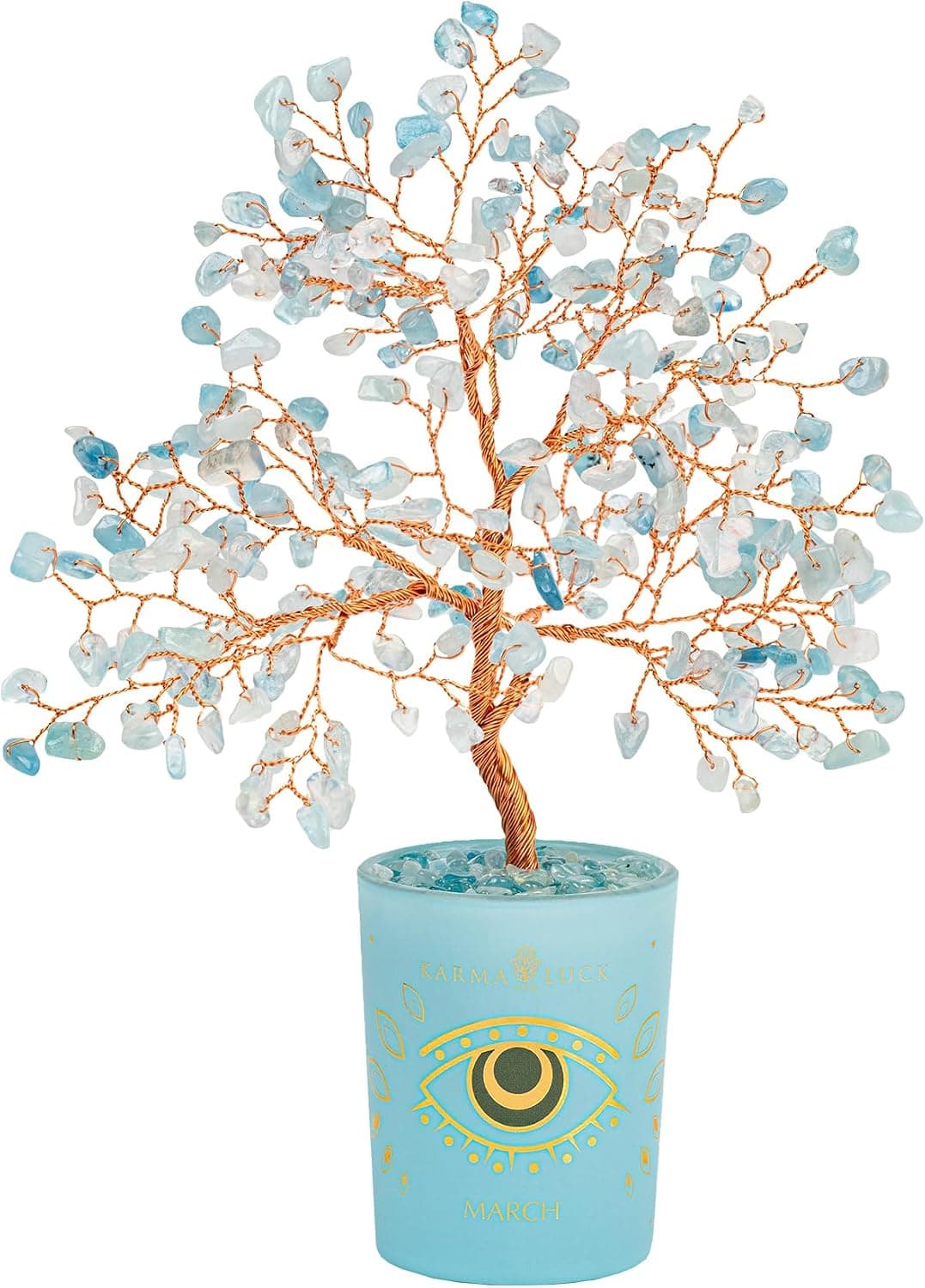 -29%
Karma and Luck March Birthstone Crystal Tree of Life, Aquamarine Gemstone Fen...
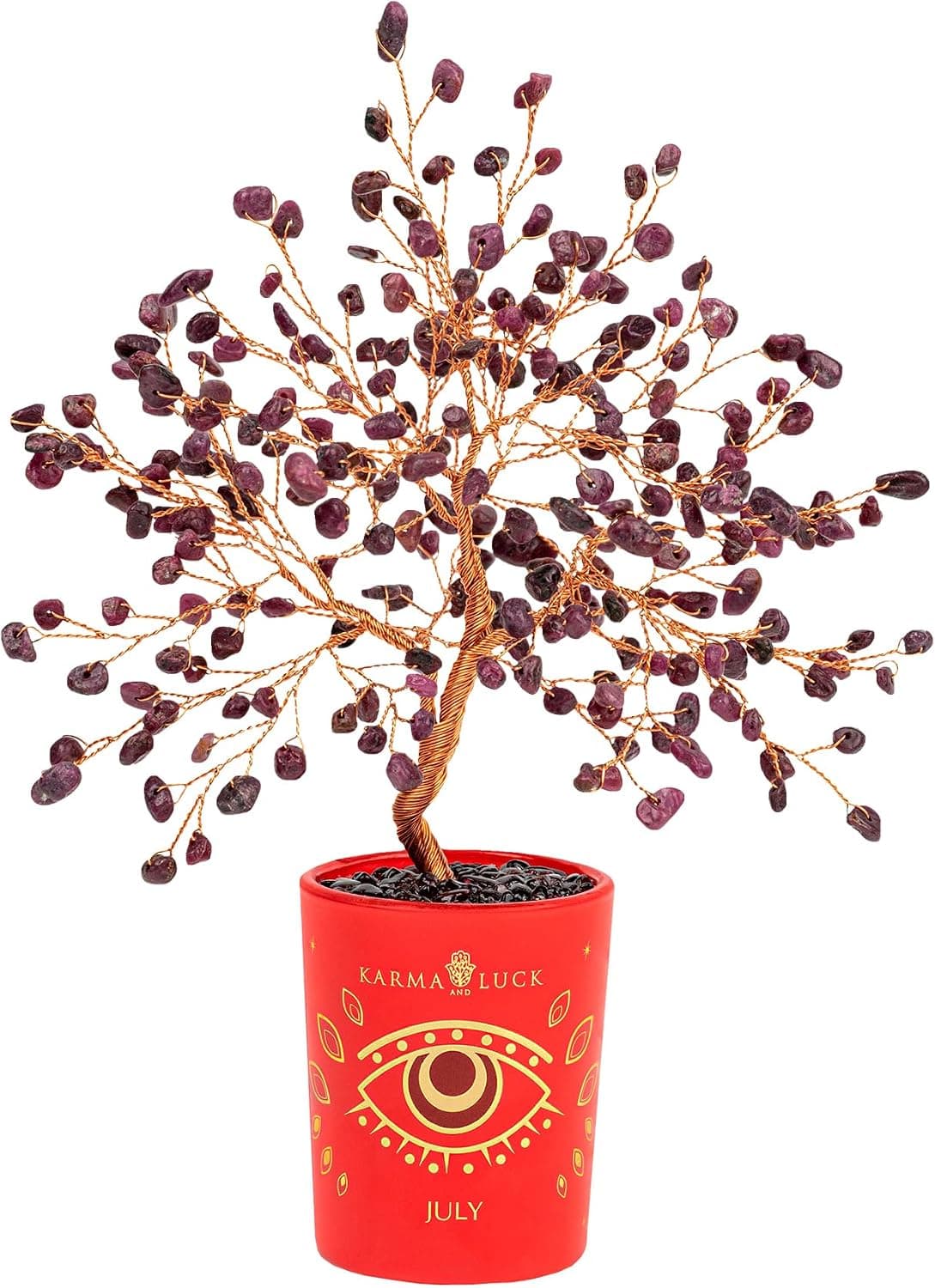 -29%
Karma and Luck July Birthstone Crystal Tree of Life, Ruby Gemstone Feng Shui ...
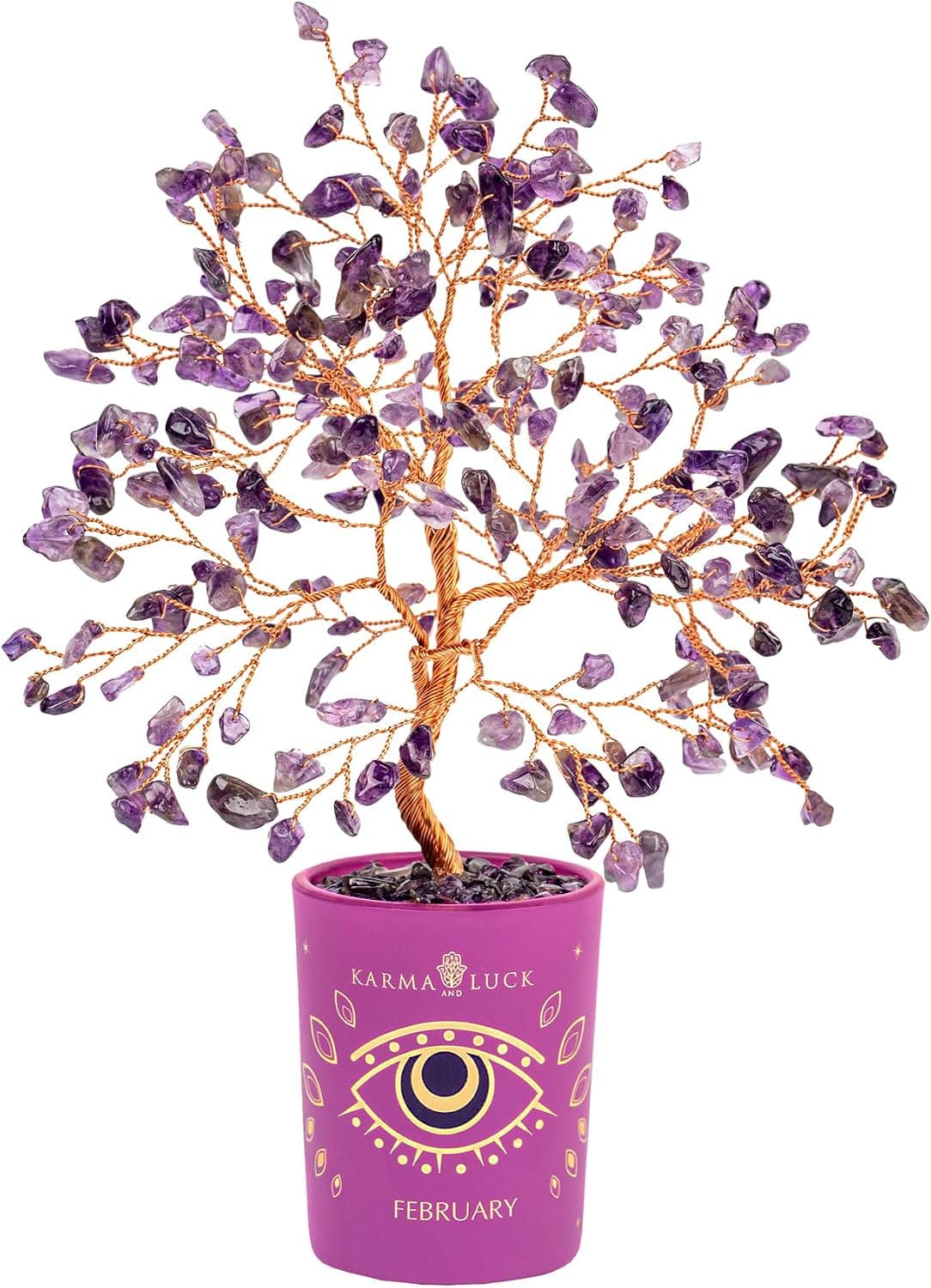 -29%
Karma and Luck February Birthstone Crystal Tree of Life, Amethyst Gemstone Fe...
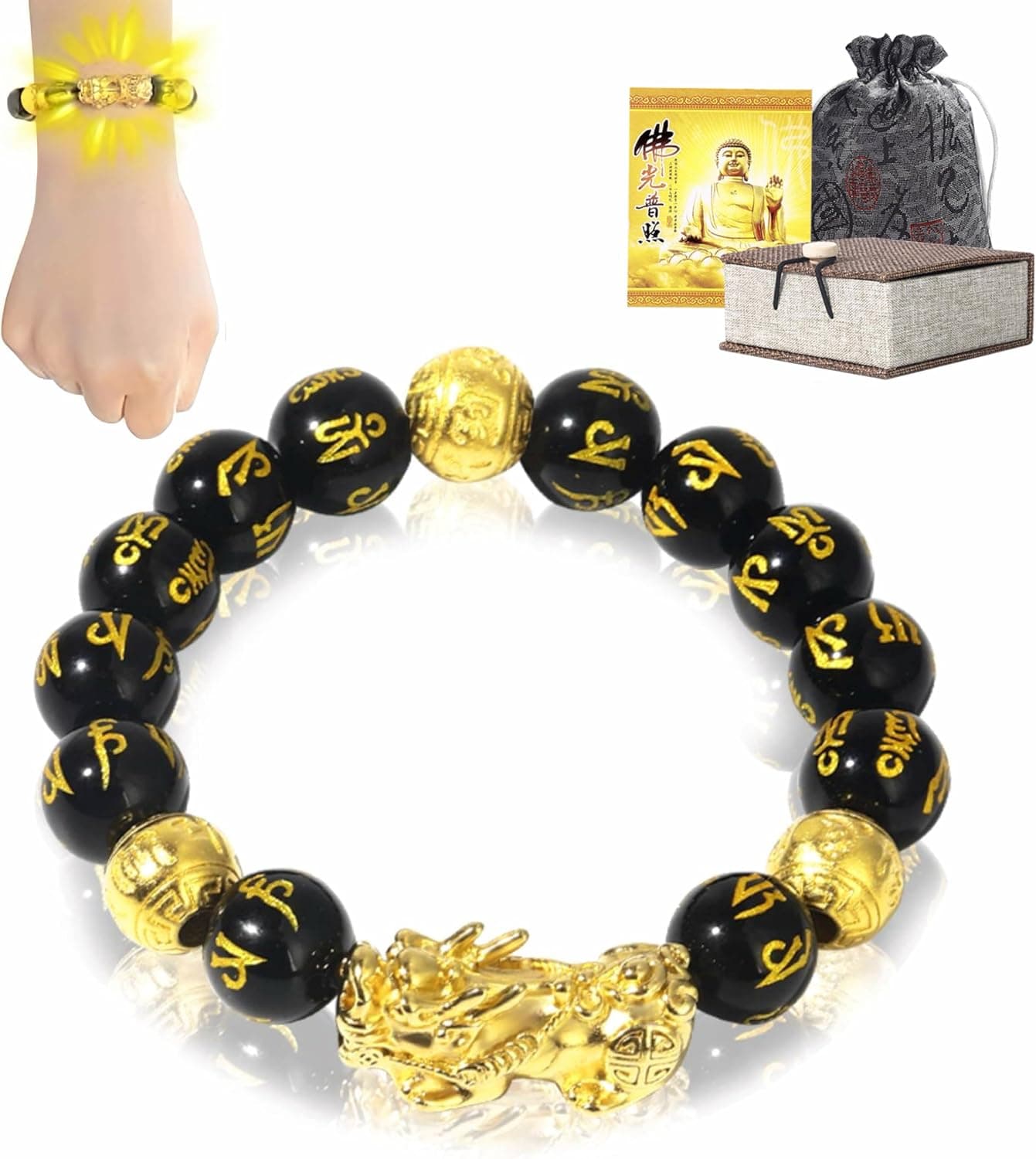 -50%
biuufish Feng Shui Black Obsidian Bracelet for Men Women, 24K Gold Plated Pix...
As an Amazon Associate, we earn from qualifying purchases. We only recommend items our practitioners have personally tested.
Continue Your Journey
Explore these related guides to deepen your understanding:
Ready for Deeper Guidance?
Try our free I Ching reading for personalized wisdom, or explore our curated Feng Shui essentials.