Your free BaZi chart is probably accurate and still misleading. The tool converts time; the reading is a separate act most people skip entirely.
A free BaZi calculator does exactly one thing: it converts a date, a time, and a birthplace into four pairs of Chinese characters. Everything people call "the reading" happens afterward, in a separate act no calculator performs. The arithmetic is old, stable, and usually right. The interpretation is where most free charts go silent. Learn more about A “Bad” Zodiac Pair Can Still Work—If the Chart Breathes.
Consider two babies delivered in the same hospital, forty minutes apart, on the same afternoon. One chart comes back with a Fire Day Master. The other says Water. Same building, same wall clock, and both readings can be defended, because the two calculators were measuring slightly different things.
That gap is the whole story of free BaZi tools.
The math does not vary. What varies is the conversion layer between a birth certificate and a finished chart, and almost nobody explains it. Which is why you can close a free chart and feel vaguely cheated without being able to say why.
Three checks before you trust anything: does the tool use the solar term Li Chun as the year boundary, does it ask for your birth city or longitude, and does it display hidden stems plus ten-year luck pillars? Pass all three and keep going. Fail one and you are holding a timestamp, not a reading.
八字 Means Eight Characters. That Is All It Means.
The name describes a format, not a forecast. Eight written characters, arranged in four columns of two: year, month, day, hour. No personalities, no predictions, just a position on a calendar.
Those characters come from two sequences. Ten Heavenly Stems count in tens. Twelve Earthly Branches count in twelves. Run them side by side and they realign every sixty steps, which is why the traditional calendar repeats on a sixty-year cycle rather than a twelve-year one. The famous animals are the Earthly Branches wearing fur: Rat, Ox, and Tiger are labels for branch positions, not the substance of the system.
The Cycle Is Older Than the Reading
Shang dynasty oracle bones, roughly 1250 BCE, already record days as stem-and-branch pairs. For centuries the cycle counted days. It did not describe people.
That shift came slowly. Han dynasty scholars were correlating the five phases with seasons, directions, and organs long before anyone applied the cycle to a newborn. By the Tang, the astronomer Li Xuzhong had attached it to birth moments. The Song systematized the method, and Xu Zi Ping's approach, which weights the Day Stem above every other character, remains the backbone of nearly every tool you will find online today.
Which tells you what you are holding. It is not a horoscope. Western astrology divides a sky; BaZi divides a calendar. No planets, no house cusps, no ascendant. The reference frame is time, and the reference object is the person born into it. The two systems are not reading the same sky, and treating them as cousins produces muddled readings in both directions.
Three Places Where Calculators Quietly Part Ways
Software arrived in waves: desktop replacements for printed ephemera in the 1990s, web calculators in the 2000s, and now the instant free tier you are probably using. No standards body certifies any of it. The result is a field where tools disagree on inputs rather than outputs, and rarely tell you which choice they made.
The year boundary. Popular culture says the Chinese year turns at Lunar New Year. Classical BaZi says it turns at Li Chun, the beginning-of-spring solar term, which lands near February 4. A birth on February 2 sits in the previous year by one rule and in the new year by the other. Two charts, two year pillars, one birth certificate. Free tools split roughly down the middle on this. The Li Chun rule decides your year pillar before you have read a single line of interpretation.
True solar time. Clock time is a political agreement. Solar time is what the sun is actually doing overhead at your longitude. Across a country as wide as China, the gap between the national standard and local solar time runs past an hour in the far west, and an hour is enough to push your hour pillar into the previous branch. Any calculator that never asks where you were born is silently wrong for everyone far from its reference meridian.
The hour boundary. Some tools round. Some truncate. A few split the double-hour. Nobody advertises which.
Here is what that looks like in practice. A north-facing bedroom in a western province, a birth recorded at 23:40 by the family clock, and a tool calibrated to Beijing time will hand you an hour pillar belonging to the previous day's branch. The chart is not broken. The input was never converted.
Four Terms That Do Most of the Work
Day Master (日主). The Day Stem. Not "your element," not "your sign." It is the fixed point the rest of the chart is read against, the grammatical subject of the sentence. Every other character gets described in relation to it.
Five Phases (五行, wuxing). "Elements" is a poor translation. Wood grows, Fire rises, Earth settles, Metal contracts, Water descends. Phases of a process, not substances in jars. They behave like seasons rather than materials, and reading them as literal stuff is the single most common source of bad chart work.
Ten Gods (十神). Not deities. Relationship categories. They describe how each remaining character stands to the Day Master: as resource, output, wealth, authority, or peer. The word "god" is a translation artifact that has confused Western readers for a century.
Luck Pillars (大运). Ten-year cycles projected forward from the month pillar. The natal chart is the hand; the luck pillars are the sequence of tables you play it on. A free chart that stops after four pillars is showing you a noun with no verb attached.
Seven Steps, and Where They Split
Conversion first. Convert clock time to true solar time using longitude and the equation of time. Find the year by solar term, not Lunar New Year. Find the month by the twenty-four seasonal markers, not the calendar month. Fix the day by counting from a known anchor in the sexagenary cycle. Fix the hour by double-hour branch, corrected to solar time.
Then interpretation. Derive the Day Master. Map all eight characters to phases, including the hidden stems buried inside each branch. Project forward into ten-year luck pillars.
Most free tools nail steps two through five and stall at six, omitting hidden stems. That is precisely why an element count from a website so often disagrees with a practitioner's count: one is counting what is visible, the other is counting what is there.
The season-based month pillar is not arbitrary. Birth season is one of the few prenatal variables that reliably shows up in later temperament research. Third-trimester light exposure, ambient temperature, and maternal diet all shift with the calendar, and small but repeatable effects on novelty-seeking and circadian timing have been measured across large cohorts. BaZi encoded that observation centuries before anyone could measure it. The month pillar is a proxy for the conditions of your first months, not a metaphor for weather.
None of which makes the chart deterministic. It makes the input non-random.
Four Ways a Free Chart Goes Wrong
Wrong year boundary, so the year pillar belongs to a different person's cycle. Wrong hour pillar from an uncorrected longitude. Element counts that ignore hidden stems, so a chart reads "Fire dominant" when the branch underneath the Fire character is Water. Those three are mechanical.
The fourth is psychological, and it is the one that survives better software: reading the chart like a newspaper horoscope.
A system with ten relational categories will always generate sentences that feel true. That is the Barnum effect, the same mechanism that makes generic horoscopes land, and skepticism alone does not defeat it. Specificity does. A sound reading names what the chart does not say as clearly as what it does.
Use the Calculator for Arithmetic. Do the Reading Yourself.
Let the tool handle the part you would not want to do by hand. Run the three input checks. Then treat the output as a timestamp, because that is what it is. Search for a bazi calculator free of charge and you will find a hundred sites; almost none will tell you which conversion rules they used, and that silence is the thing to watch.
Interpretation starts after the timestamp. Sit with the Day Master alone for a week and ignore everything else. Then look at which phases are strong and which appear missing, and check whether the missing one is genuinely absent or merely hidden in a branch. Only then open the luck pillars. Timing without a baseline is Western astrology wearing a different coat. Day Master traits surface in temperament long before they surface in prediction, which makes personality the safest place to test whether a chart is reading you or reading everyone.
Eight characters are a calendar position. What you build on top of that position is the practice. No calculator, free or paid, will do that part for you.
Mei Chen
Traditionally informed guidance • Cross-referenced with classical Chinese source texts
Rooted in classical Chinese metaphysics and cross-referenced with original texts. Product recommendations are based on traditional symbolism, not guaranteed outcomes.
Practitioner-Selected Tools for This Topic
Items our team has tested and found effective for the principles discussed above. Individual results may vary.
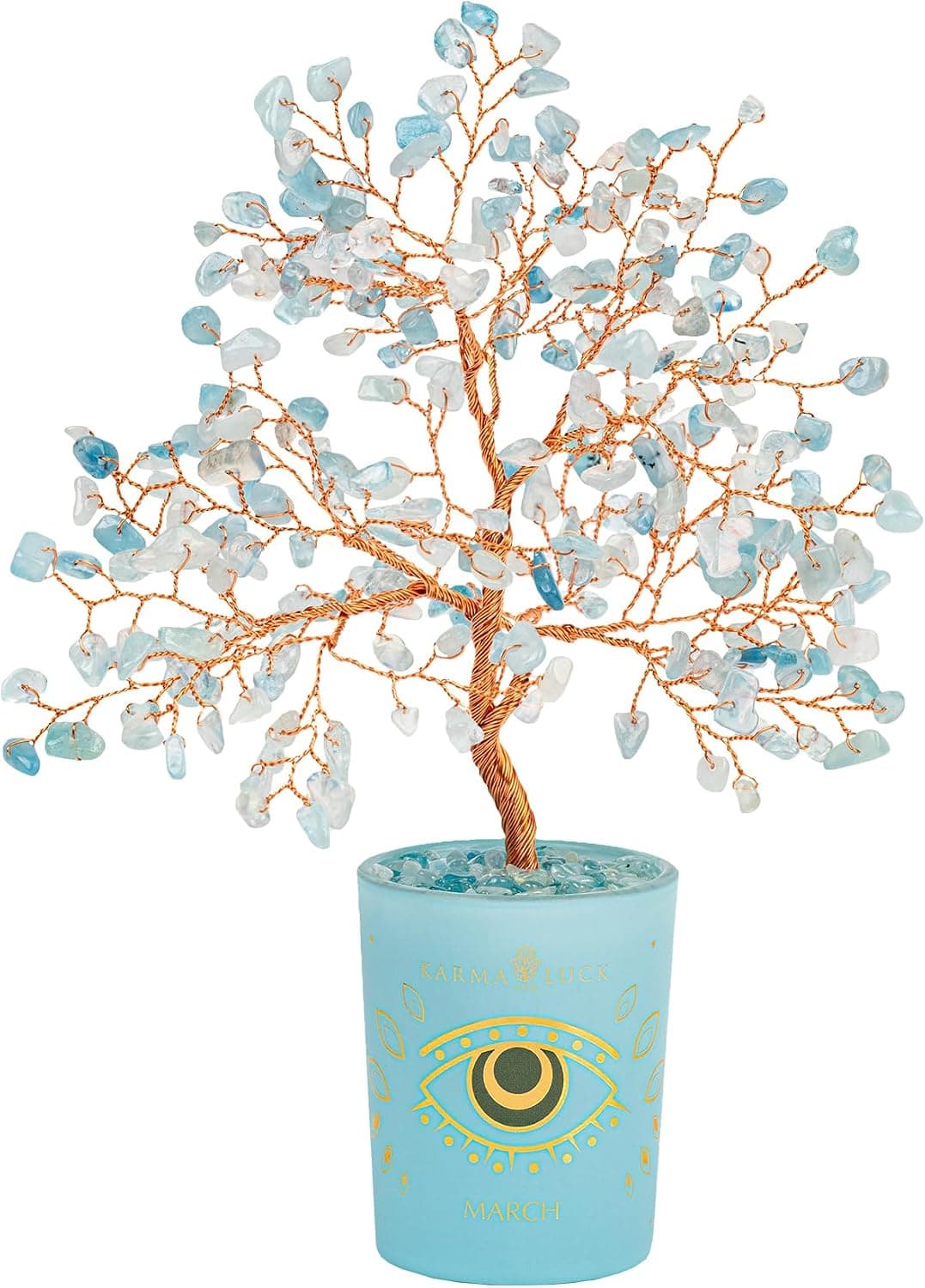 -29%
Karma and Luck March Birthstone Crystal Tree of Life, Aquamarine Gemstone Fen...
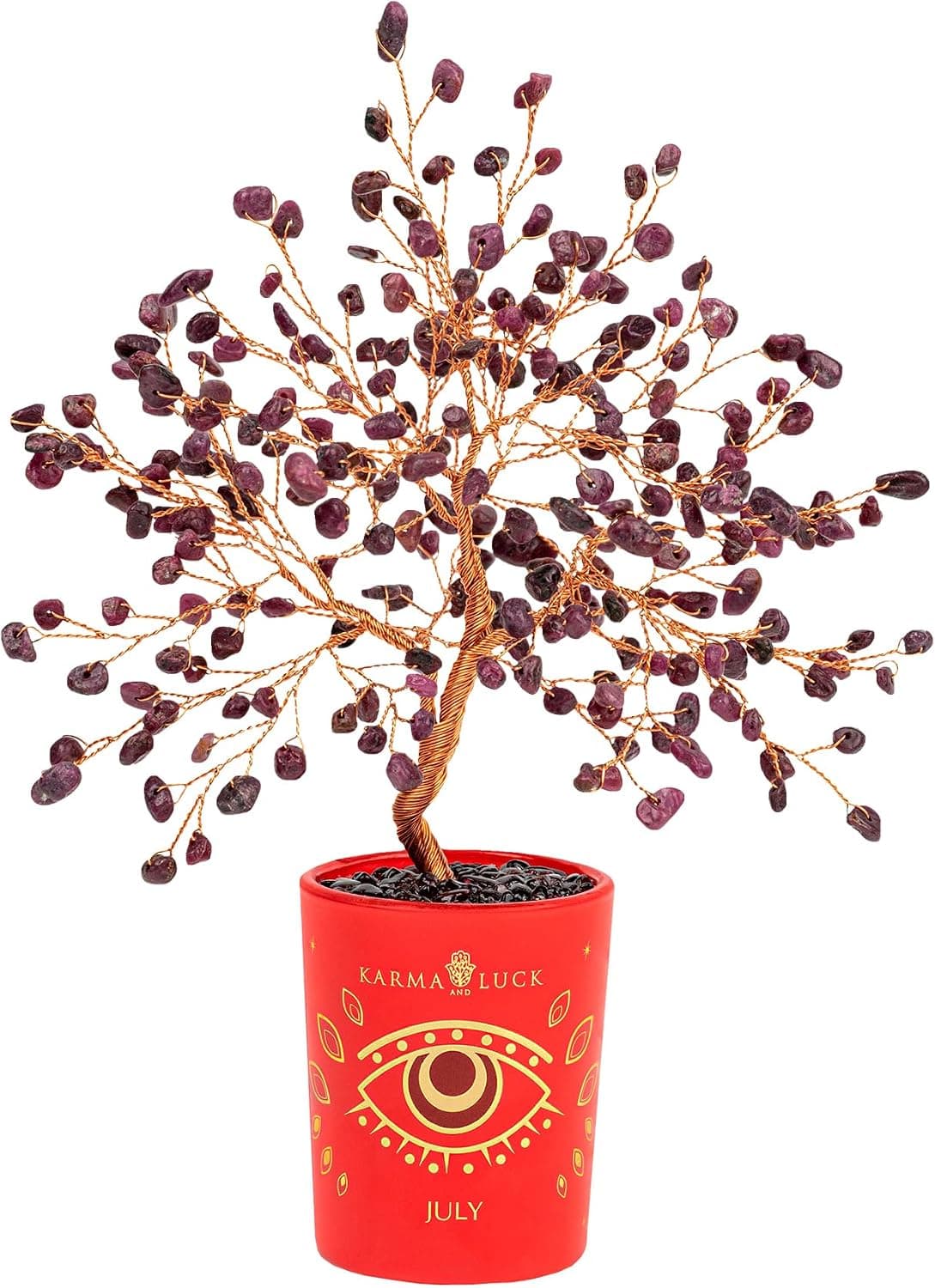 -29%
Karma and Luck July Birthstone Crystal Tree of Life, Ruby Gemstone Feng Shui ...
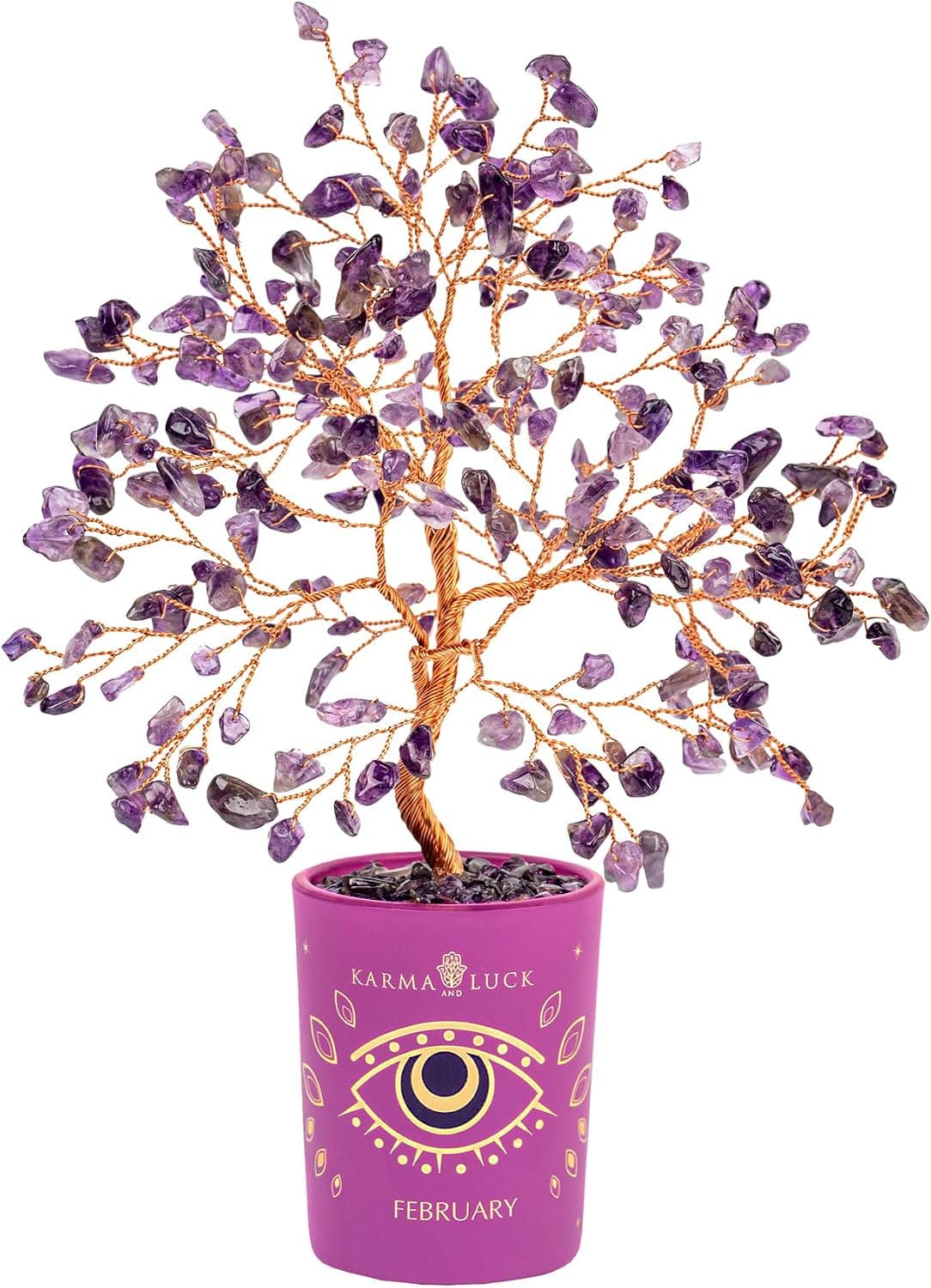 -29%
Karma and Luck February Birthstone Crystal Tree of Life, Amethyst Gemstone Fe...
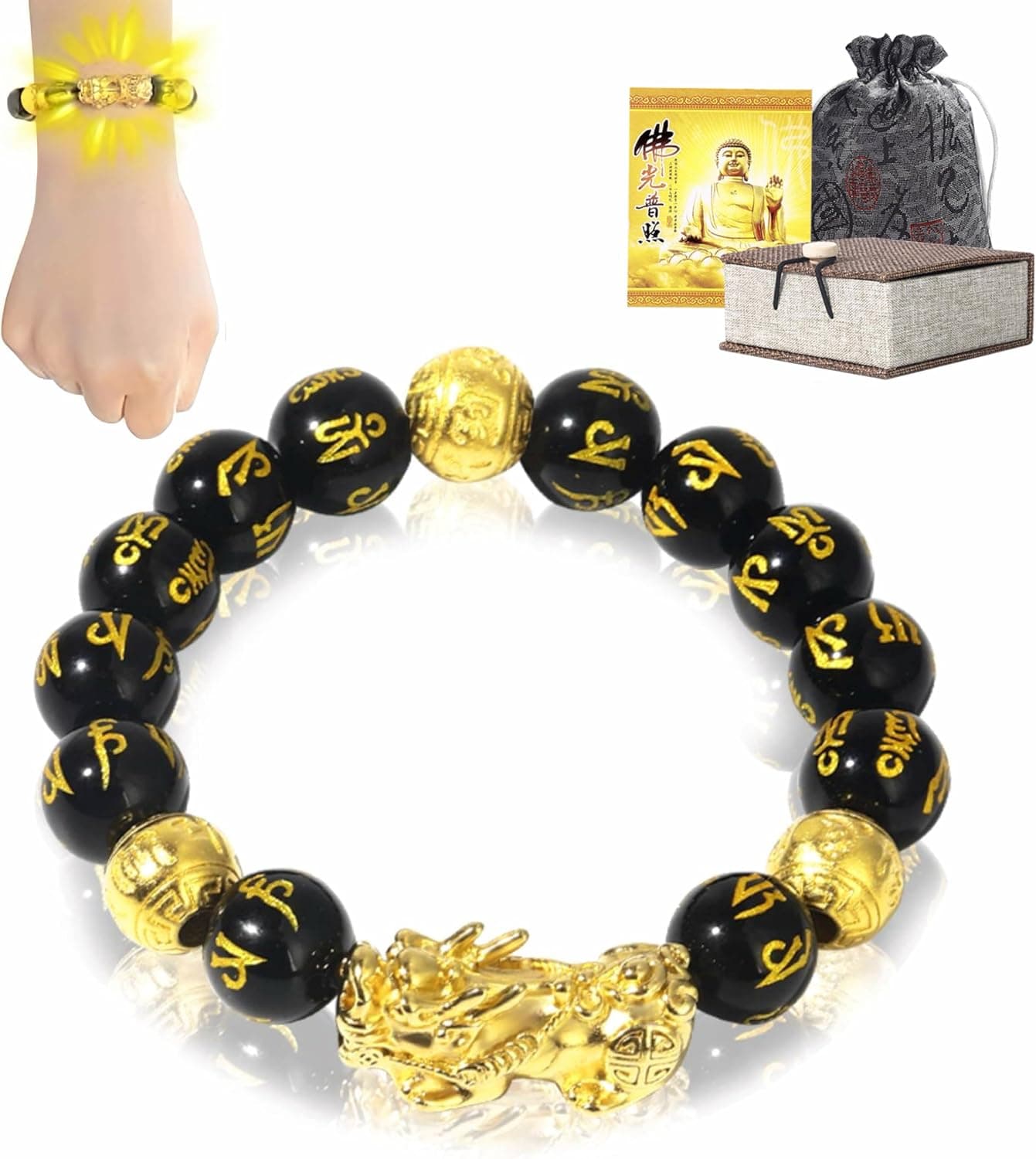 -50%
biuufish Feng Shui Black Obsidian Bracelet for Men Women, 24K Gold Plated Pix...
As an Amazon Associate, we earn from qualifying purchases. We only recommend items our practitioners have personally tested.
Continue Your Journey
Explore these related guides to deepen your understanding:
Ready for Deeper Guidance?
Try our free I Ching reading for personalized wisdom, or explore our curated Feng Shui essentials.