Two charts can score as a perfect match and still produce a miserable Tuesday. The score was never the reading.
Answer first, charts second
BaZi love compatibility comes down to three comparisons, and none of them produces a percentage: what each day master is strong or weak against, whether the two spouse palaces combine, clash or ignore each other, and what each chart is genuinely hungry for. Get those right and you can describe how a couple will feel on an ordinary Wednesday. Get them wrong and you can score ninety percent and still be miserable.
A tally is not a portrait.
A flat on the eleventh floor
North-facing, one bedroom, the bed squared against the wall opposite a door that swung open onto the mattress. She had printed both charts and laid them on the kitchen table beside the only warm light in the room, a salt lamp. Every calculator she had tried, she told me, scored them at ninety percent. So why did the flat feel like a waiting room?
Some version of that question lands in my inbox most months. Sometimes with charts attached. Sometimes with a screenshot from an app, or a pairing read off a restaurant placemat.
The score was accurate. It was just answering a question nobody had asked it.
What those calculators measure is surface complementarity: he has Wood, she needs Wood, therefore good. What they cannot measure is what happens when two complete charts share a bedroom for six years. A chart is not a shopping list of elements. It is a system under pressure, and two systems side by side interact in ways no single number can hold.
Four comparisons, in the order they matter
Almost everyone evaluates a pairing in the wrong sequence. Animal sign first, element counts second, then they stop, one step short of the part that predicts how a Tuesday evening will actually feel.
- Day master against day master. The character sitting in each person's day pillar, which you read as the self rather than as a sign. A strong day master meeting a weak one behaves nothing like two weak ones meeting.
- Spouse palace contact. Her day branch against his, directly. Combination, clash, harm, or plain indifference. This is the room the relationship lives in.
- Supply against demand. Not what each chart lacks by count, but what each chart is hungry for by season.
- Timing. The annual pillars and ten-year luck cycles that load-test the interface.
Safe to ignore: the animal sign alone, element percentages dressed up as a score, and any number with a percent sign attached to it.
What the calculator was counting
Comparing two people requires two complete charts, which means an exact birth time and a longitude that has not been rounded off. If you have not cast both charts properly first, everything downstream is guesswork wearing a lab coat.
Each chart is built from four pillars (year, month, day, hour), each carrying a stem and a branch. The day stem is the day master, the self. The day branch is the spouse palace. The month branch tells you the season the self was born into, and season decides whether an element in a chart is a resource or an excess.
The hour pillar is the one people skip. The birth hour can move a reading materially, because it either supplies the one thing the chart was short of or doubles down on what was already overflowing. Compare two charts without hour pillars and you are comparing two sketches as though they were photographs.
This is where the calculators go soft. They count. Two Fire, three Earth, one Water, out comes the percentage. But counting is not reading: a chart with three Wood is not "Woody" in any useful sense if it was born in autumn and that Wood is being cut by Metal all month. The five elements have to be read as a balance, weighted by season and by what the chart is trying to accomplish, not tallied like stock.
How the mechanism runs, link by link
Skip a link and you get the ninety percent that feels like a waiting room. The chain runs like this.
Two complete charts go in, both with correct hours. Then find each day master and judge its strength. Is it rooted in the month? Is it fed or drained by what surrounds it? One strong day master paired with a weak one gives until it thins; two weak ones negotiate.
Next, name what each chart is hungry for. Classically this is the useful god, the element that resolves the chart's central tension. "She needs Wood" is only true if Wood is what her chart is missing for its own balance, not what a tally says is absent.
Then compare the day branches. Combination, clash, harm, punishment, or nothing. The day branch is the spouse palace, the interior of the relationship, the part visitors never see.
Finally, overlay the timing. Annual pillars, luck cycles, the year the couple happens to be standing in. A pairing is not a fixed object. It is a structure that gets loaded in some years and relieved in others.
What comes out the far end is a description of an interface. Two climates meeting. Not a verdict, and certainly not a percentage.
Applied to the couple at that table
Her day master was Yang Wood, born in a Metal month. A tree in autumn, still growing, sap pulled inward, doing more work than her chart could comfortably fund.
His was Yin Fire with strong Wood behind it. That reads as generosity in a one-line summary, and as a furnace with an excellent fuel line in practice.
Wood feeds Fire. So every bit of resource she generated moved toward him. He grew brighter, more decisive, more relaxed. She grew thinner. Four years in, she was holding every date in her head, and he described her, warmly and sincerely, as "the organised one."
That compliment was a symptom.
Then the day branches. Hers Yin Metal, his Yin Wood, in direct opposition. The spouse palace clash. Most sites print it as a red flag, which is lazy shorthand. What a clash actually produces is permanent recalibration: a relationship never dull and never quite settled, where both people keep adjusting the furniture of the shared interior. Some couples with a clean combination are so comfortable they stop looking at each other. A clash is a maintenance schedule with a louder alarm, not a verdict.
Three ways it goes wrong
The failures repeat, and all three survive contact with popular advice.
The complement trap. Someone reads that their chart lacks Water and goes looking for a Water partner. They find one, and that partner's own chart is already drowning. Giving Water to someone who needs it is not free. The giver pays, and the payment shows up as fatigue, quiet resentment, and a slow drift toward whoever is more comfortable.
Sign-only matching. Animal sign compatibility is where nearly everyone starts, and it is the coarsest layer on offer: one branch out of eight characters. Not useless. One instrument in an orchestra, played alone.
Clash panic. A day branch clash gets read as disqualification, so either the relationship is abandoned or the chart is recast until a nicer answer appears. Meanwhile the real conflict, an unspoken imbalance in who supplies what, goes untouched.
There is a fourth, and it never makes the lists because it lives in the room rather than in the chart.
The room was arguing for the chart
Their bedroom door opened onto the foot of the bed. That removes the threshold, the transition zone between corridor and the place where you are meant to stop being alert. The brain treats the doorway as a live edge and keeps a low level of vigilance running all night. Not enough to notice. Enough to wake up tired.
North light is flat. It arrives evenly all day with barely any change in angle or colour, so the room never tells the nervous system what time it is. No contrast, no downshift. Add a corridor that runs through the bedroom to reach the bathroom, so the only rest space in the flat doubles as a thoroughfare, and the room is more or less engineered to keep two people slightly on guard.
Here is the psychology, and it ties the rest together. Perception runs before explanation. The nervous system reads the space first (threshold, circulation, proportion, quality of light), generates a feeling, then assigns that feeling to the nearest available cause. Which is usually the other person. She was not lying when she said the flat felt like a waiting room. She was also not reading her relationship. She was reading the room and charging it to him.
So the chart and the apartment have to be read together. The chart describes the pressure. The room amplifies it or absorbs it. A Wood-to-Fire drain is felt far more sharply in a flat with no threshold and no warm light than in one where the bed sits diagonally from the door with something solid behind the headboard.
And then there is 2026
The annual pillar is Bing Wu, Yang Fire on the Fire Horse, the hottest point of the sixty-year round. Fire charts get loaded. His excess accelerates and her depletion accelerates alongside it. If a couple's pattern already runs hot, the Fire Horse is the year it becomes visible to everyone, including them.
Practical move: put the large decisions in the Metal and Water months, roughly August through December, rather than late spring when the Fire peaks.
What actually helps
Compatibility is not a percentage. It is a maintenance schedule, and it runs on three layers.
Chart layer. Find what each person's chart needs, not what it is missing by count. Then check whether the other person's surplus can meet that need without draining them. If it cannot, the pairing is not doomed; the flow has to be redirected deliberately instead of running downhill on its own.
Room layer. Give the bedroom a threshold. Move the bed so the door does not open onto it, and put something solid behind the headboard. Reroute the corridor if the layout allows; if it does not, mark the boundary with a rug, a change of light level, a door that actually closes. Swap the single warm lamp at eye height for low warm light around 2700K. You are not decorating. You are giving the nervous system the cues it needs to stop scanning.
Timing layer. Know which years load the pattern and which relieve it. Hold the difficult conversations in the relieving months. Do not sign a lease in the middle of a Fire peak if the chart is already running hot.
She moved the bed. She added a door that closed, a low lamp, a rug at the threshold. Nothing in the charts changed: the Wood still fed the Fire, the branches still opposed each other. But she stopped reading the flat as evidence, and once she stopped she could see the actual imbalance and say it out loud. Last I heard, he keeps the calendar now.
FAQ
Do clashing day branches mean we shouldn't be together?
No. A clash marks the relationship as high-maintenance, not doomed. I have watched pairings with a full spouse palace clash last decades because both people expected friction and planned for it. The couples who come apart are often the ones with a smooth combination and no habit of saying the difficult thing.
Is Chinese zodiac compatibility enough to go on?
It is one branch out of eight characters, so treat it as a first filter and nothing more. The animal sign describes the year pillar, the most public and least personal layer of a chart. Two signs that supposedly clash can belong to people whose day masters feed each other beautifully. That happens more often than the memes suggest.
We're both the same day master. Is that a problem?
Depends entirely on strength and season. Two weak charts of the same element can starve side by side; two strong ones can end up competing for the same resource. Same element is a similarity. Similarity is not compatibility.
Our reading came back at 40 percent. Should we worry?
Ask what went into the number before you worry about it. Most low scores come from count-based methods that never looked at your day branches or your useful gods. If the reading you got was a percentage, it was not measuring the thing you are living in.
How much does birth time actually change?
Enough to flip a conclusion. The hour pillar can supply the element a chart was starving for, or pile onto an excess, and it also governs the later-life palace. Without it you have three quarters of a chart and an educated guess.
Is 2026 a bad year to get married?
Not bad, just hot. Bing Wu loads Fire, so charts already running hot will feel the pattern sharpen. Name the imbalance out loud that year and avoid rushing permanent decisions in spring and early summer. If you can schedule the wedding for the Metal months, do.
Mei Chen
Traditionally informed guidance • Cross-referenced with classical Chinese source texts
Rooted in classical Chinese metaphysics and cross-referenced with original texts. Product recommendations are based on traditional symbolism, not guaranteed outcomes.
Practitioner-Selected Tools for This Topic
Items our team has tested and found effective for the principles discussed above. Individual results may vary.
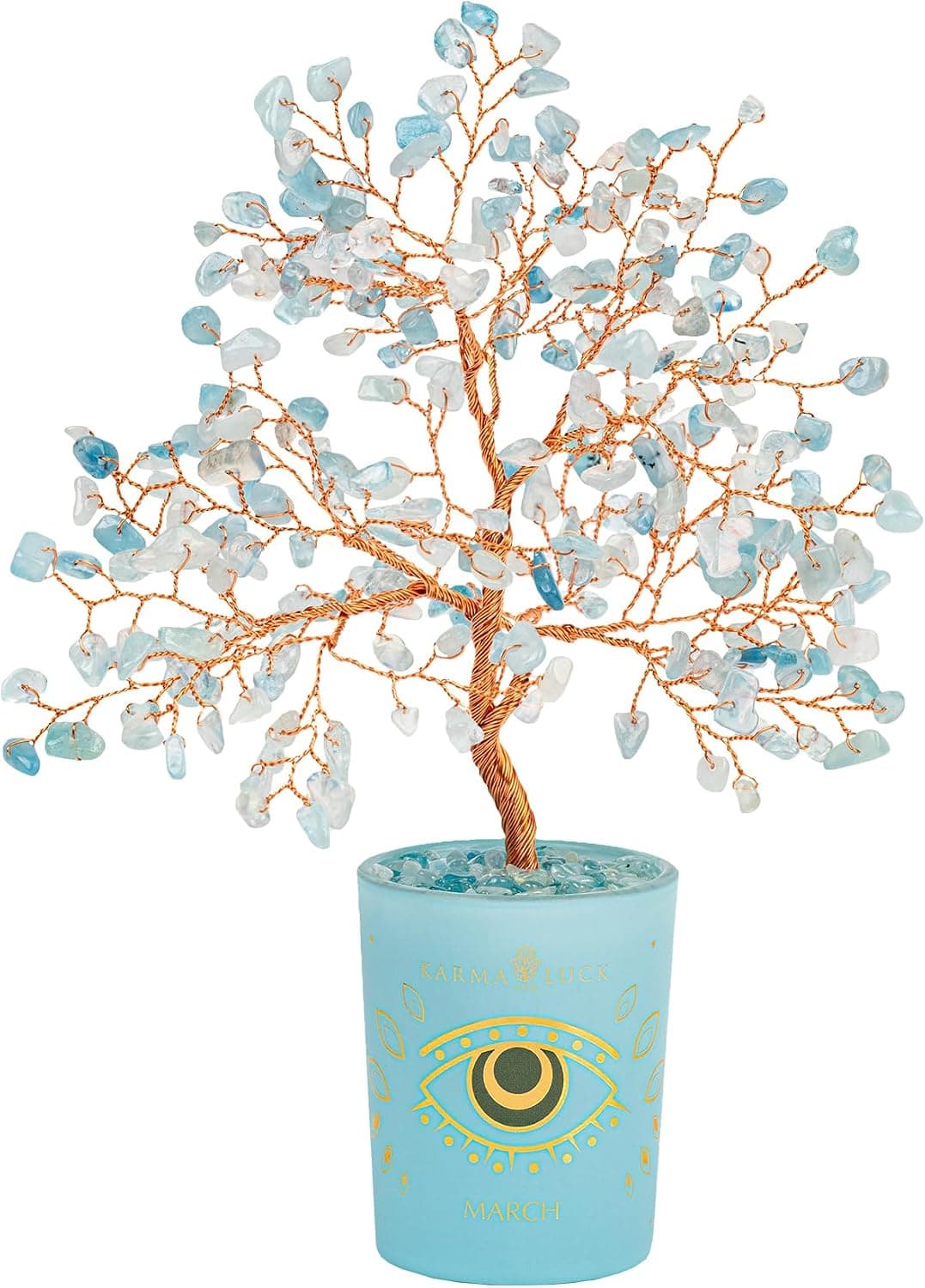 -29%
Karma and Luck March Birthstone Crystal Tree of Life, Aquamarine Gemstone Fen...
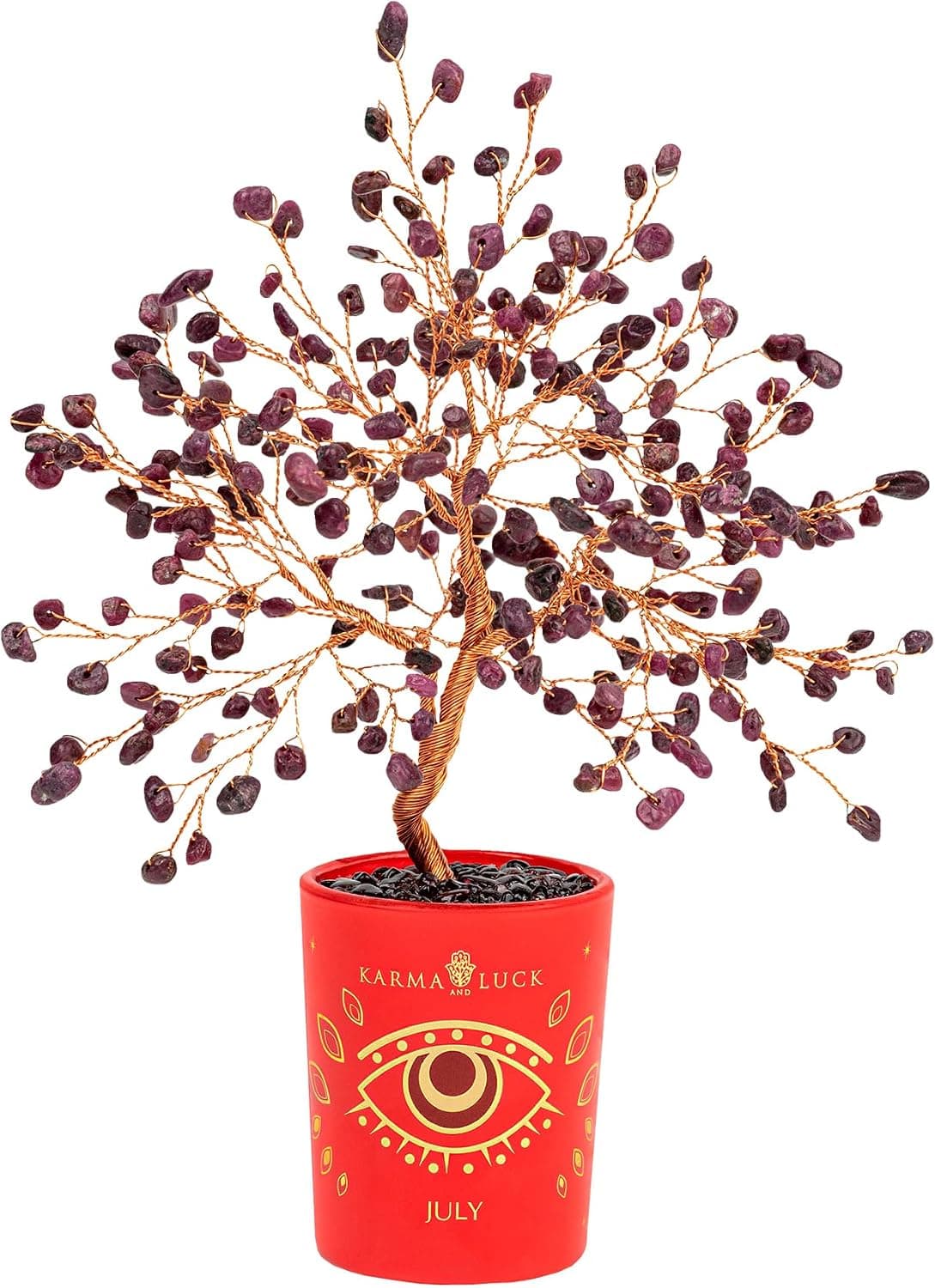 -29%
Karma and Luck July Birthstone Crystal Tree of Life, Ruby Gemstone Feng Shui ...
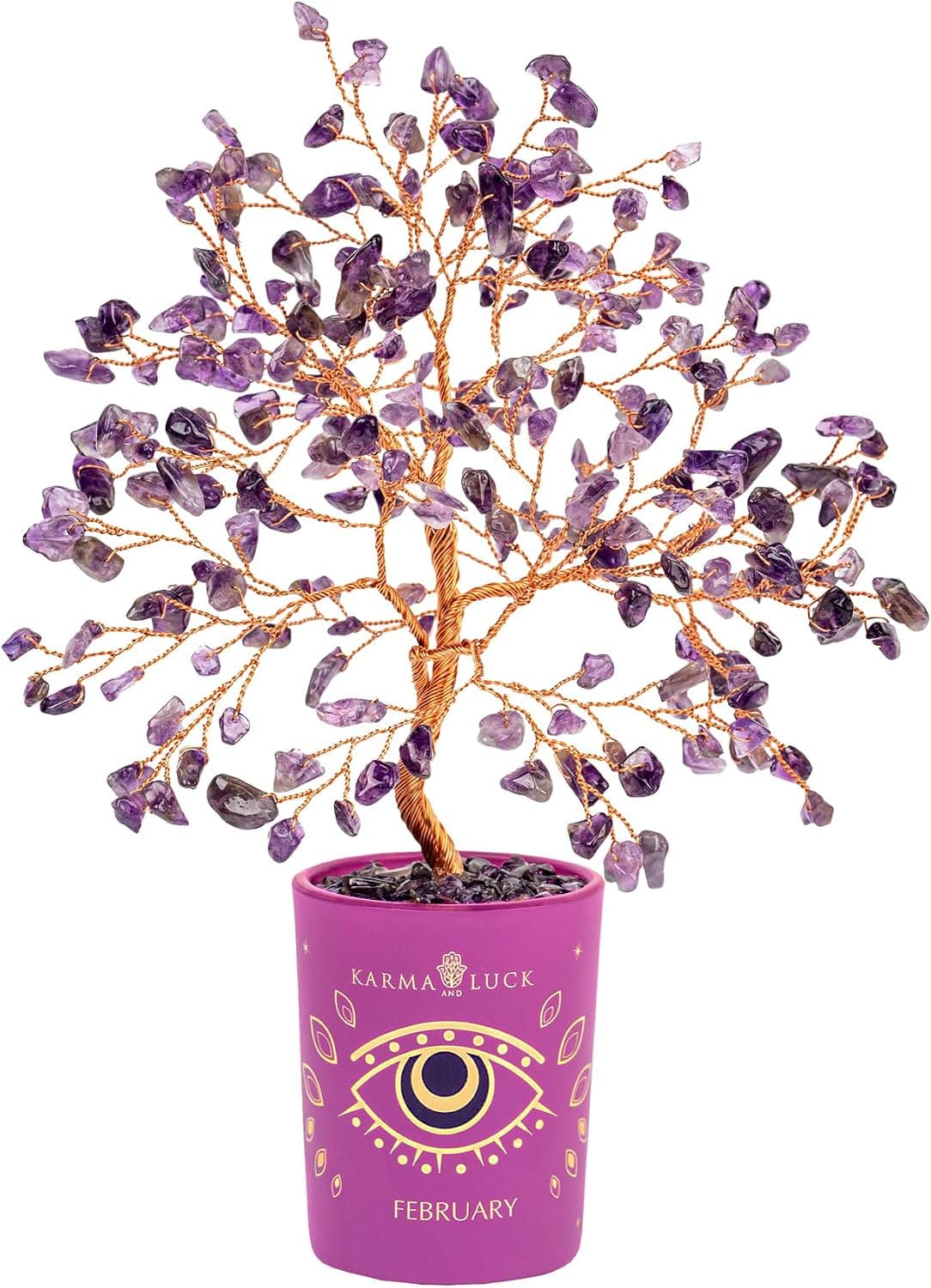 -29%
Karma and Luck February Birthstone Crystal Tree of Life, Amethyst Gemstone Fe...
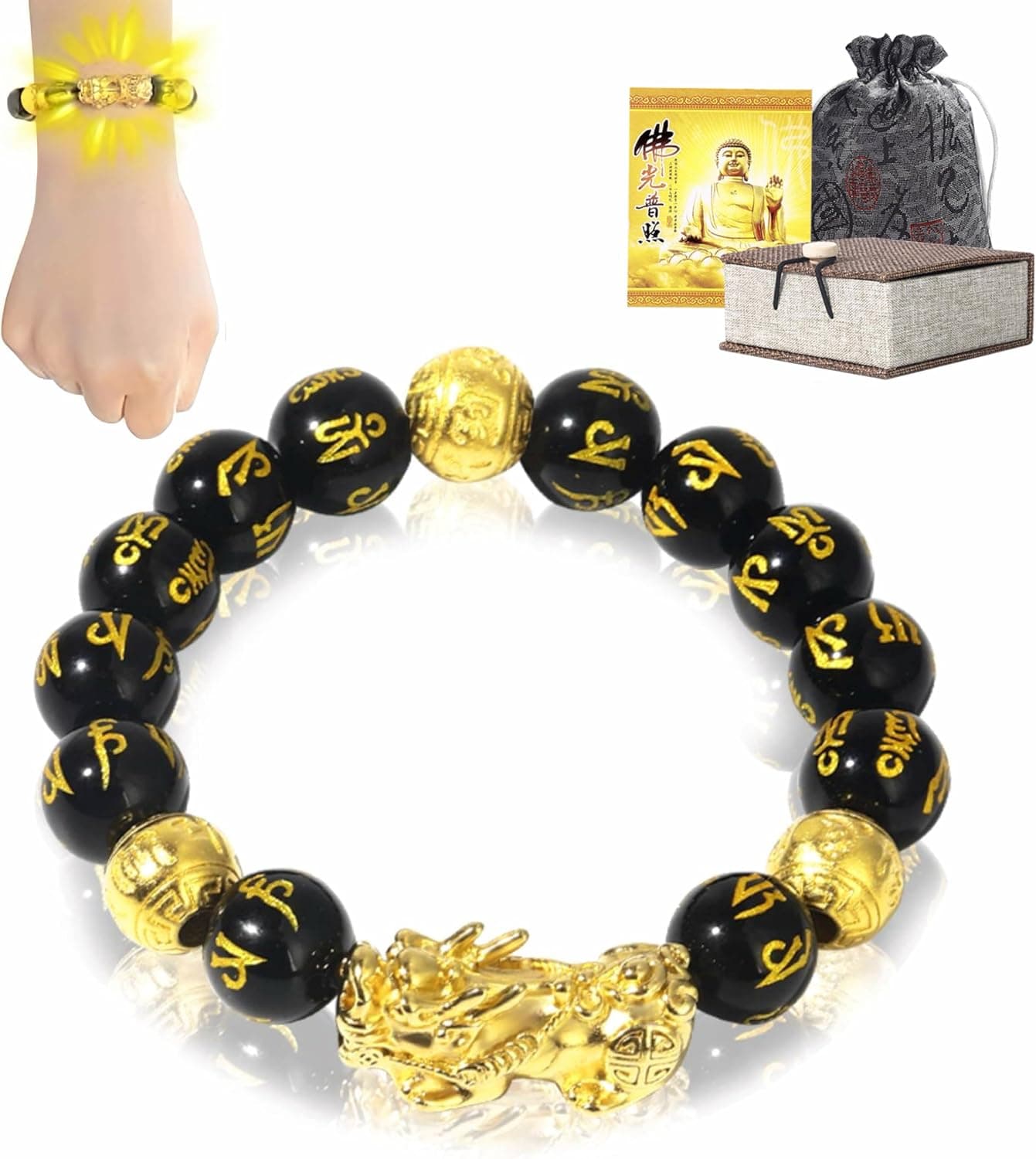 -50%
biuufish Feng Shui Black Obsidian Bracelet for Men Women, 24K Gold Plated Pix...
As an Amazon Associate, we earn from qualifying purchases. We only recommend items our practitioners have personally tested.
Continue Your Journey
Explore these related guides to deepen your understanding:
Ready for Deeper Guidance?
Try our free I Ching reading for personalized wisdom, or explore our curated Feng Shui essentials.