A monthly reading tells you what kind of month it is — not what to do. Follow it as instruction and it quietly makes things worse.
Short answer first: a monthly reading tells you what kind of month it is. It does not tell you what to do in it. Read it as weather and it works; read it as instruction and it quietly makes things worse.
That distinction is where nearly every failed monthly forecast goes wrong.
Before It Was a Horoscope, It Was a Planting Calendar
The twelve animals were labels on time before they were ever labels on people. A household almanac — the tung shu that hung in kitchens and shops for centuries — marked the month by solar terms, not by personality. It said when the rains came, when to flood a rice field, when to dry grain, when the ground would hold a foundation. The month was the unit that carried the useful information, because the month is the unit the weather actually respects.
Where does a Chinese zodiac monthly horoscope actually come from?
The lineage runs through the almanac, not the newspaper column. For well over a thousand years the month carried the working detail: which solar term opened, which element governed the season, which days suited contracts, travel, planting, or burial. The animal names attached to months arrived later and worked as shorthand for the earthly branch — a mnemonic, not a personality sketch. When Western papers borrowed the format in the twentieth century they kept the animal and dropped the almanac, which is roughly like keeping the cover of a cookbook and throwing away the recipes. What survived is a label. What got lost is the timing. In a full reading, the month pillar carries more weight than the year — it describes the climate you were born into, and it is the pillar monthly forecasts are actually tracing.
Why do the animals get all the attention and the months none?
Because Rat and Ox are memorable and Zi and Chou are not. The branch names mean nothing to an English reader, so the animal becomes the whole system in the popular imagination, and then people read a monthly forecast as though a character were receiving news. It is not a character. The animal is a pointer to a season and an element pair — Yin is early spring, wood on damp earth, the first push of growth through cold ground. Once you see the animal as a marker on a calendar rather than a mascot, the monthly reading stops being a fortune and starts being a forecast, which is a far more useful object.
What the Month Pillar Actually Measures
A month in this system is not the lunar month of the new moon. It is a solar term period, beginning roughly between the fourth and eighth of each Gregorian month.
Does a monthly reading use the lunar month or the solar term?
Solar term, in any reading worth trusting. The month pillar turns over at the jie — the section marker — which means a forecast built on lunar months drifts by up to two weeks. Two weeks is enough to move you out of a supportive month and into a clash. This is why a forecast published on the first of the month so often describes weather you do not recognize: you are still standing in the last stretch of the previous month. If you have ever read a monthly entry and thought it felt like it was written for someone else, check the boundary date before you conclude the system is broken. Often it is the calendar, not the reading, that slipped. This is also the reason serious practitioners insist on reading a chart from the four pillars together rather than from one column in isolation.
Why do two people with the same animal sign get different monthly readings?
Because the year animal is one of eight characters, and the least specific of them. Two people born in Rat years can sit in opposite months: one has a Rat day master sitting on water, the other has a Rat year over a fire month that already fights it. Add the hour pillar and the picture diverges further. Then the current month's branch interacts with each chart differently — a combination for one person, a clash for the other, an earth bridge for a third. Your day master is the piece most monthly columns never ask for, and without it a forecast is a group average being read aloud to an individual.
The Pattern Underneath: Clash, Combination, and the Earth Gaps
The mechanism is simple once you stop treating the animals as characters. Branches pull on each other. Six pairs sit directly opposite and clash: Zi and Wu, Chou and Wei, Yin and Shen, Mao and You, Chen and Xu, Si and Hai. Six pairs combine and bind. And earth governs the eighteen days at the tail of each season, a quiet transitional zone where the previous element hands off to the next — the gap in the gears where plans stall and paperwork sits untouched.
What does a clash month actually do?
It creates friction, not disaster. A clash loosens what was fixed and fixes what was loose, which is why people move house, quit jobs, and end relationships in clash months and then blame the month for the decision they made. The useful question is reversibility. Moving apartments in a clash month is ordinary; signing a fifteen-year commercial lease in one is a different act entirely, because you are locking in a shape during the period when shapes are moving. Understanding how the five elements succeed each other helps here, since a clash between branches is usually also an argument between the elements those branches carry — water against fire, metal against wood.
Is a good month good for everything?
No, and this is where most monthly advice collapses. A month that supports your day master may be excellent for study, negotiation, and quiet accumulation while being genuinely poor for confrontation and public claims. The elements that help you are not automatically the elements that help a specific project. A wood day master in a wood month has support and also competition — more fuel, more rivals, more people pushing the same direction. The month gives a texture, not a verdict, and treating a favorable month as a green light for every action is how people end up overcommitted in exactly the season that was supposed to help them.
The Failure Mode Nobody Warns About
A second-floor study in a 1920s duplex: one window facing west, a radiator beneath it, a desk pushed against the north wall so the chair backed onto a bookcase and the door stayed in the reader's peripheral vision. A monthly forecast for that person recommended the southwest for career moves, so the desk moved to the southwest corner — where the chair now faced a blank wall with the door behind it. By the third week: waking at four in the morning, a sharp email to a colleague, an afternoon lost to a task that used to take forty minutes. Nothing supernatural occurred. The body lost the ability to monitor the threshold, and the low western sun that had previously raked across the floor now landed flat on the monitor from two feet away.
The forecast was not wrong. The translation was.
Architects talk about this constantly without ever calling it feng shui. Circulation decides whether a room feels generous or grudging. Proportion decides whether a desk reads as furniture or as an obstacle. Light at the wrong hour decides your afternoon mood more reliably than any hexagram. And a threshold at your back keeps a low-grade vigilance running that you will never consciously notice and will absolutely feel by Thursday. The brain maps a room within seconds of entering it and then spends the rest of the day checking the map. Rearrange the map badly and the checking becomes expensive.
Why did my lucky month feel terrible?
Usually because the instruction was executed in a space that punished it, or because lucky was misread. In the almanac, a favorable day meant the qi was unobstructed for a class of action — it never meant you would feel good. Ask anyone who has moved house during an auspicious window: the paperwork was smooth and the week was exhausting. Add habit on top of that. The nervous system encodes your old arrangement, and a change forced by a forecast costs a week or two of disorientation before any benefit shows up. Most people quit during the disorientation and conclude the month failed.
Should I avoid big decisions during a clash month?
Some, yes — the irreversible ones. Delay the lease, the incorporation, the surgery you can postpone, the public announcement you can hold for six weeks. Keep living your life otherwise. A clash month is a bad time to fix things permanently and a fine time to loosen things that needed loosening anyway. The mistake is treating the month as a prohibition on movement when it is really a caution about fastening.
The Real Fix: Dress for the Weather
You do not argue with rain. You take a coat.
How do I use a monthly reading without overcorrecting?
Four steps. Identify the month branch and the element it carries. Compare that element to your day master and note whether it feeds, drains, or fights you. Name one class of action the month supports and one you will defer — one, not a list. Then change nothing physical in the first week and simply observe whether the description matches your actual days. If it does not, suspect the boundary date or a missing hour pillar before you suspect the whole tradition. And zoom out: a month sits inside a ten-year luck pillar, which is the climate under the season. A difficult month inside a supportive decade is a cold Tuesday in a mild winter.
Where does the I Ching fit into all this?
It supplies the missing judgment. The I Ching does not tell you a month is good; it tells you whether communication is flowing. Hexagram 11, Tai, is earth over heaven — the two are in contact, and things move. Hexagram 12, Pi, is heaven over earth — the same two forces, out of contact, and the classical advice is blunt: the superior person does not try to force a result during a standstill. That is the same logic a monthly reading runs on, expressed in six lines instead of a branch. The month gives you the conditions. The hexagram asks what a person of sense does with them, which is almost never to rearrange the furniture on day one.
Mei Chen
Traditionally informed guidance • Cross-referenced with classical Chinese source texts
Rooted in classical Chinese metaphysics and cross-referenced with original texts. Product recommendations are based on traditional symbolism, not guaranteed outcomes.
Practitioner-Selected Tools for This Topic
Items our team has tested and found effective for the principles discussed above. Individual results may vary.
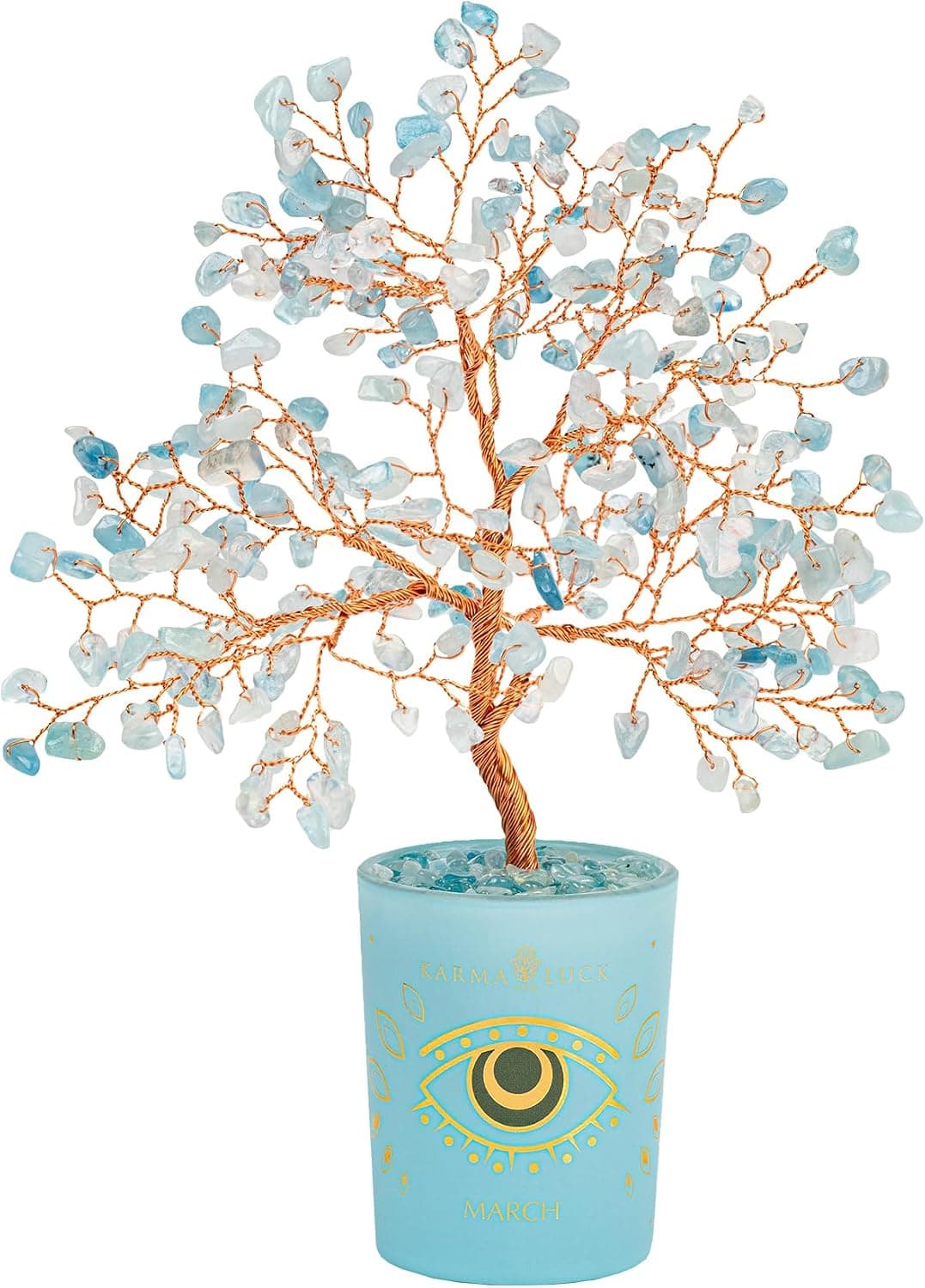 -29%
Karma and Luck March Birthstone Crystal Tree of Life, Aquamarine Gemstone Fen...
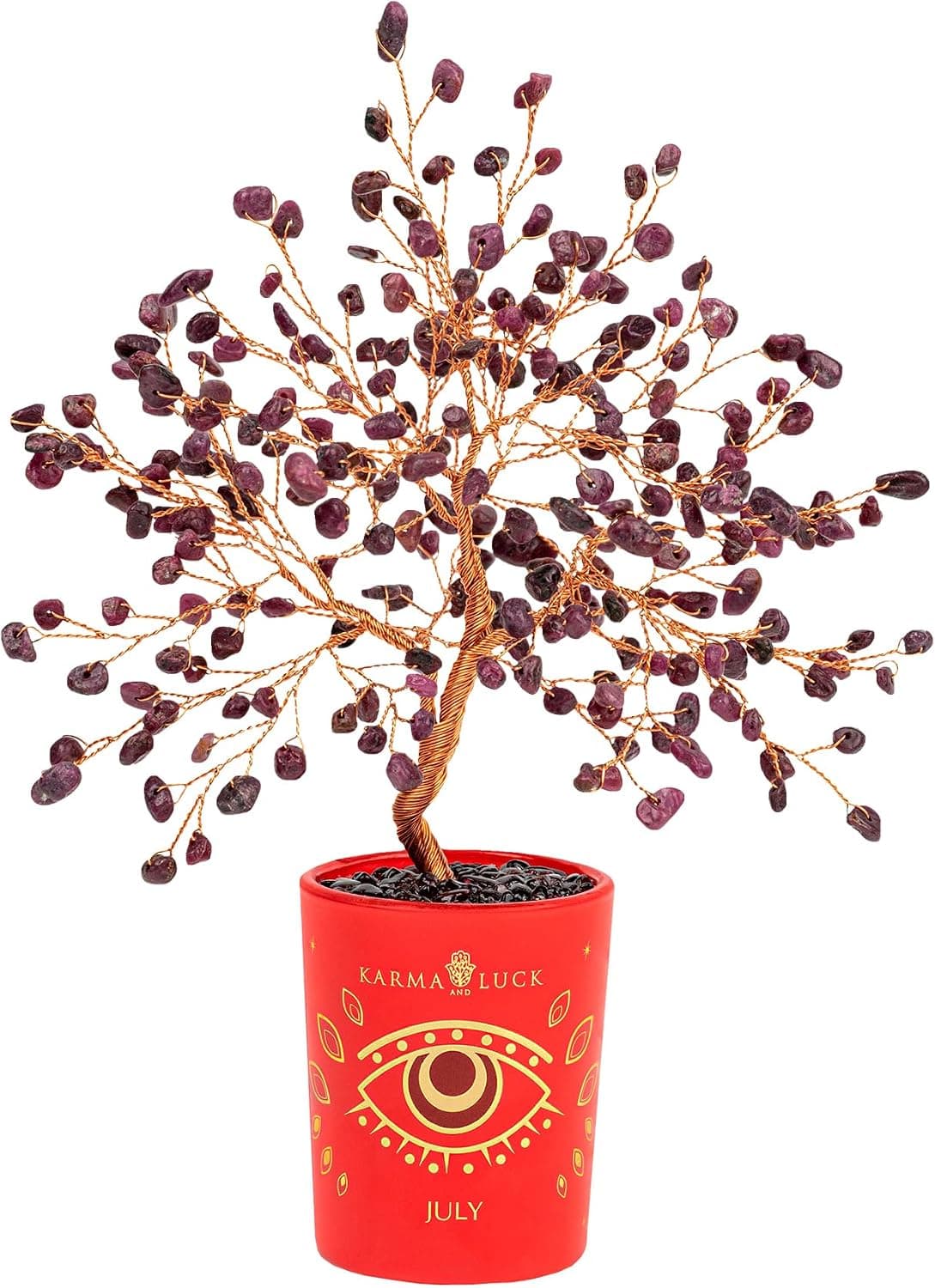 -29%
Karma and Luck July Birthstone Crystal Tree of Life, Ruby Gemstone Feng Shui ...
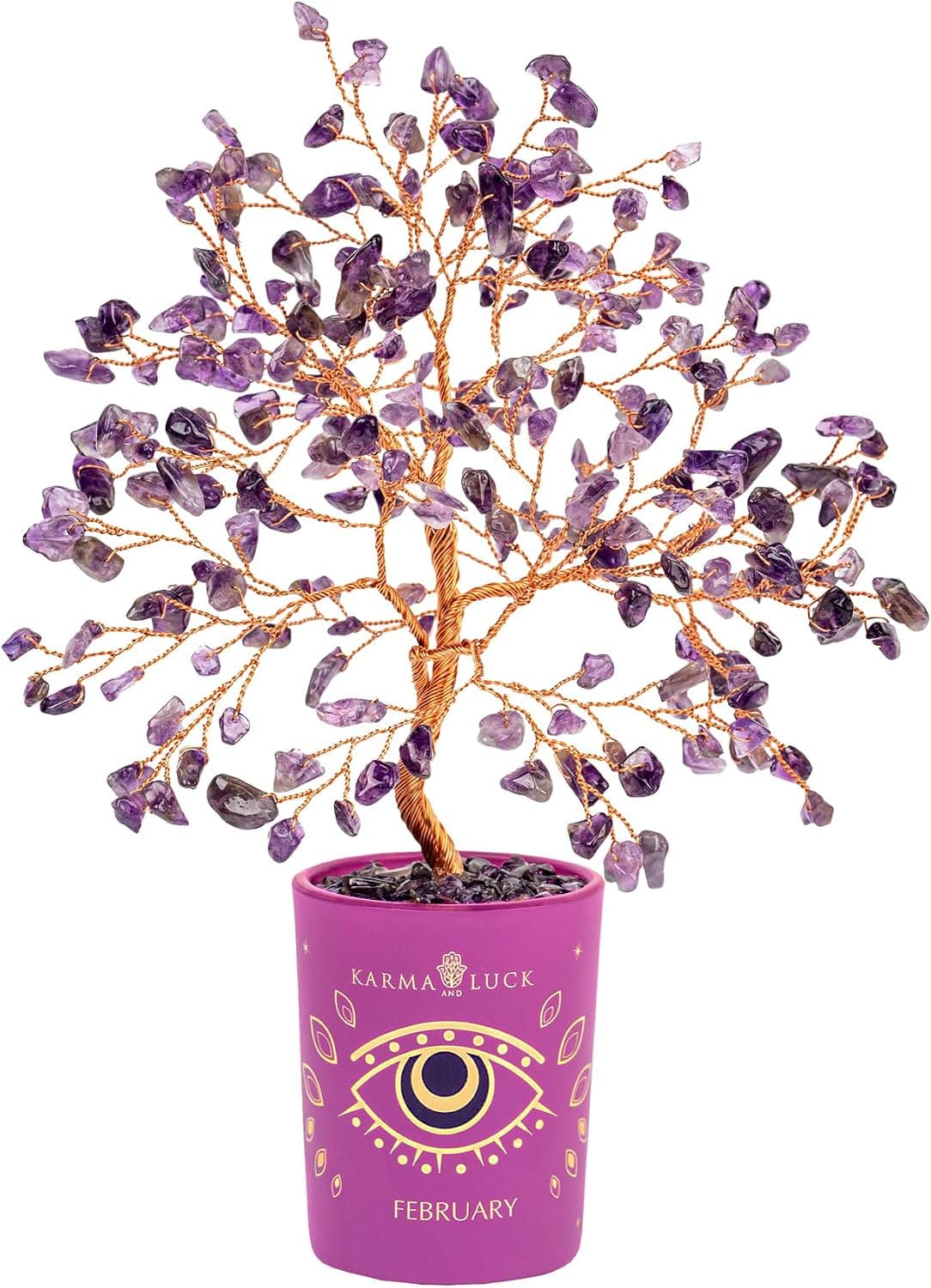 -29%
Karma and Luck February Birthstone Crystal Tree of Life, Amethyst Gemstone Fe...
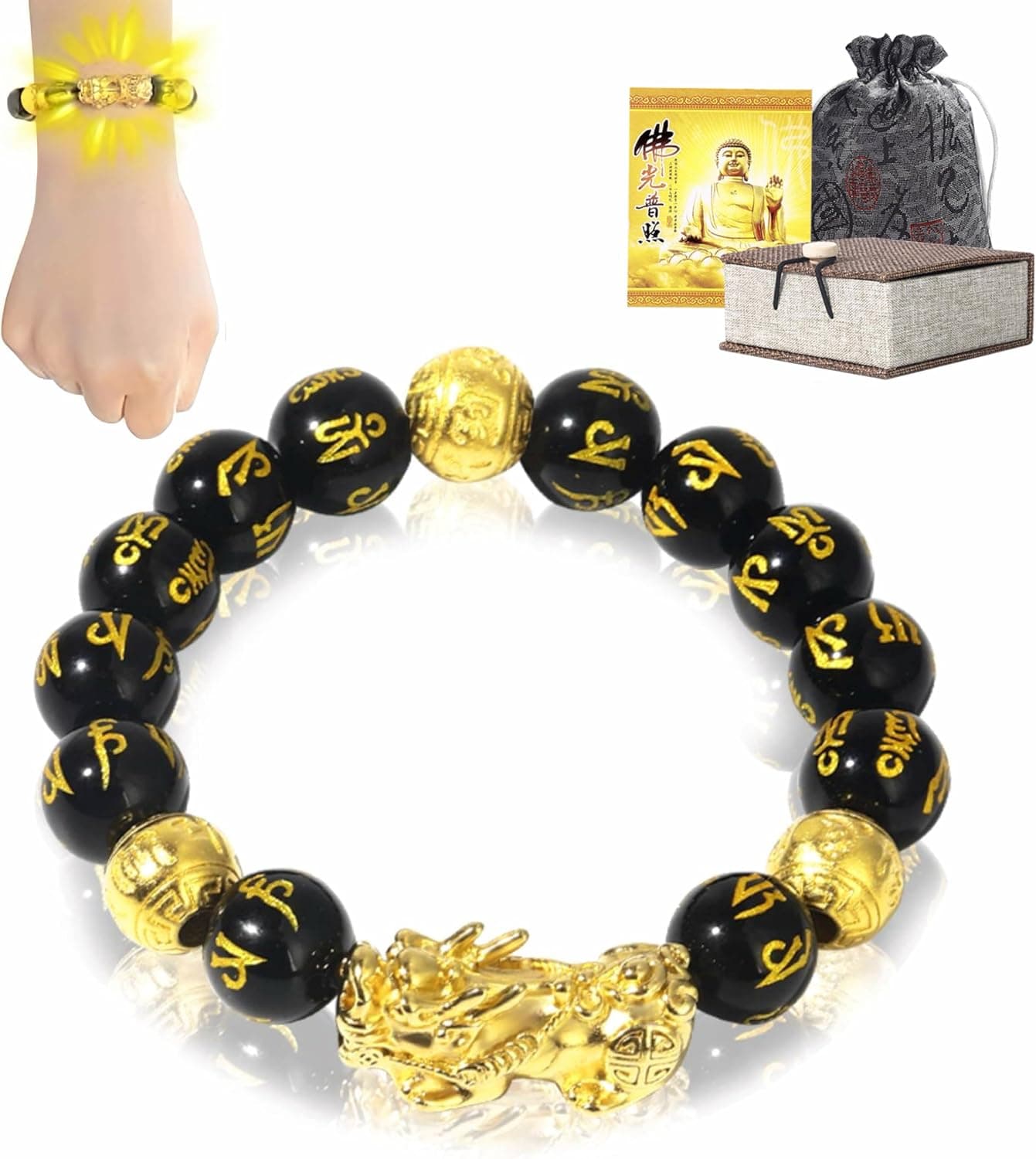 -50%
biuufish Feng Shui Black Obsidian Bracelet for Men Women, 24K Gold Plated Pix...
As an Amazon Associate, we earn from qualifying purchases. We only recommend items our practitioners have personally tested.
Continue Your Journey
Explore these related guides to deepen your understanding:
Ready for Deeper Guidance?
Try our free I Ching reading for personalized wisdom, or explore our curated Feng Shui essentials.