A broken line can change the whole message. The real work starts before interpretation, when you learn what the shapes are doing.
You keep getting a reading, then second-guessing it.
The cast looks clear for a moment, and then the mind jumps in: Is this line bad, or just awkward? Does this shape mean delay, pressure, warning, or a clean opening? That hesitation is where many people lose the thread, because they treat the symbols like decorative marks instead of a system with structure, sequence, and tone.
That is the first thing to settle. The forms are not there to look mystical; they are there to show movement. If you read them only as labels, you miss the message before it even begins. If you want a wider map of the system itself, the full 64-hexagram framework gives you the outer shell, but the symbols are the language inside the shell.
I walked into a teacher's study in Portland last winter and saw six coins laid on a pale oak desk beside a black ceramic tea bowl. He had drawn three figures in red ink, then erased them twice because he thought he was getting the answer wrong. The room was quiet, but the habit was loud: he wanted certainty before he was willing to read.
That happens a lot. People want the answer to behave like a yes-or-no app, and the symbols refuse to cooperate. They point to weather, timing, pressure, relationship, and next step all at once. That is why a sound hexagram reading starts with the shape, not with wishful thinking.
What the symbols are actually doing
Each figure is built from lines, and each line carries a simple condition: solid, broken, moving, or stable. That sounds basic until you watch how quickly the meaning changes when one line shifts. A single broken line near the bottom can describe a weak foundation, while the same line near the top can show a situation finally softening after too much force.
Read from bottom to top. That direction matters more than beginners expect, and it is one of those details people brush past because they are hungry for a dramatic answer. The lower lines speak to roots, beginnings, body, and present momentum; the upper lines speak to outcome, ceiling, and what the situation is becoming.
The hexagram symbols also work as a pair of trigrams, and that is where the reading gets its texture. One trigram can feel like mountain, the other like water; one can feel like thunder, the other like stillness. Put them together and you are not just naming a situation, you are watching forces interact.
That interaction is why the same figure can be a relief in one context and a warning in another. A line of yielding is wise in a tense office meeting, but disastrous if you are using it to avoid a needed boundary at home. The symbol does not flatter you. It describes the condition.
One of the best ways to work with the forms is to ask a practical question, not a vague one. Instead of asking, "Will my life improve?" ask, "What is the pressure in this project right now?" or "Where am I resisting the next step?" The symbol becomes cleaner the moment the question becomes cleaner.
How to read shape before meaning
Begin with the visual rhythm. Count how many broken lines, how many solid lines, and where the tension sits. A figure with repeated solidity can feel direct, forceful, and sometimes rigid. A figure with repeated openness can feel receptive, flexible, or unstable if the context needs firmness.
Then notice the balance. Is the bottom heavy and the top light? Is the center compressed? Is there one line that interrupts the pattern like a door left open? Those features tell you whether the situation is accumulating power, leaking it, or redirecting it.
After that, check for change. A moving line is not a side detail. It is the hinge.
When a moving line shifts, the reading should be seen in two layers: what is true now, and what is emerging. That is where many readers make the mistake of jumping too fast to the transformed figure. They skip the present condition and land on the future as if the present were irrelevant. It is not. The present is the engine.
For this reason, I like to teach the forms in three passes. First, read the structure. Second, read the tone. Third, read the movement. A person who does all three usually gets a more honest answer than someone chasing the most flattering interpretation.
If you want to understand the language at a deeper level, study the primary hexagram before you obsess over each moving line. The primary figure is the main sentence. The moving lines are the emphasis marks.
Use them in daily life, not just on special days
The symbols become useful when you apply them to real questions with real stakes. A chef wondering whether to expand a menu, a retiree deciding whether to move apartments, a student choosing between two programs, all of them can use the same method. Different lives, same discipline: describe the situation honestly, then let the shape show the weather.
I once watched a nurse in a blue scrubs jacket cast for a job change in a kitchen lit by a single brass pendant lamp. She had a white envelope on the table with an offer letter inside, and she kept asking whether the figure meant she should leap immediately. The reading pointed to a late adjustment, not a clean yes. Two weeks later, the hospital revised the shift schedule, and the new terms were better. She would have forced a decision too early.
That is the sort of thing the symbols are good at: timing, posture, and pressure. They are less interested in fantasy than in fit. If you are asking them to validate a decision you already made in a rush, they will usually expose that hurry. Quietly. Sometimes rudely.
Keep your questions concrete and your records clean. Write down the date, the exact wording, the figure that appeared, and any moving lines. Over time, patterns emerge that no memory can hold reliably. This is not superstition; it is disciplined observation.
One more thing: do not expect every answer to feel comforting. Some figures tell you to hold, wait, simplify, or stop pushing. People hate that at first because waiting feels like failure. In practice, waiting often prevents a mess that would have cost far more than lost time.
Two mistakes that muddy the message
The first mistake is forcing every symbol into a moral story. Not every broken line means weakness, and not every solid line means strength. Sometimes a broken line is intelligence, because it leaves room for change. Sometimes a solid line is stubbornness wearing a confident mask.
The second mistake is cherry-picking the part that sounds good. Readers do this more often than they admit. They latch onto a promising phrase, ignore the moving line, and then wonder why the outcome felt off. If you want the method to stay honest, read the whole figure and compare it with the situation on the ground. For common traps like this, the usual interpretation errors page is worth a careful look.
Another trap is treating the result like fate carved in stone. These symbols describe a current pattern, and patterns can shift when behavior shifts. That is the point. The reading should change how you move, not just how you feel for ten minutes.
What a good reading feels like
A good reading often feels less like revelation and more like recognition. You see the pattern, and the pattern explains why a situation has felt heavy, stalled, split, or ready. That recognition can be uncomfortable, because it removes the comfort of vague hope.
The relief comes later. Once the pattern is named, the next step becomes simpler. You stop arguing with the shape of the moment and start working with it.
That is the real value of hexagram symbols: they make timing visible. They turn a vague intuition into something you can examine, compare, and use. And when you use them well, they do not make life magical. They make it legible.
Read them like a skilled craftsperson reads grain in wood. Pressure, direction, weakness, and flow all show up if you look carefully enough. Miss those details, and you will keep calling every answer a mystery.
FAQ
Are hexagram symbols the same as the hexagrams themselves?
Not exactly. The symbols are the line patterns and their structure, while the hexagram is the full composed figure with its layered meaning. Think of the symbols as the grammar and the hexagram as the sentence.
Do I need to memorize all 64 figures first?
No, and trying to do that too early usually makes people rigid. Start by learning how lines move, how trigrams combine, and how the bottom-to-top reading works. Once that framework is natural, memorization happens much faster.
Can one symbol override everything else in a reading?
A moving line can be dominant, but it should not erase the rest of the pattern. The surrounding lines, the overall balance, and the question asked all matter. One loud detail can mislead you if you ignore the full structure.
What if the answer seems to contradict what I want?
That is often the useful part. A counterpoint can show you timing problems, blind spots, or a need to adjust your approach before you act. In practice, the uncomfortable reading is often the one that saves time and money.
David Liu
Traditionally informed guidance • Cross-referenced with classical Chinese source texts
Rooted in classical Chinese metaphysics and cross-referenced with original texts. Product recommendations are based on traditional symbolism, not guaranteed outcomes.
Practitioner-Selected Tools for This Topic
Items our team has tested and found effective for the principles discussed above. Individual results may vary.
 -29%
-29%Karma and Luck March Birthstone Crystal Tree of Life, Aquamarine Gemstone Fen...
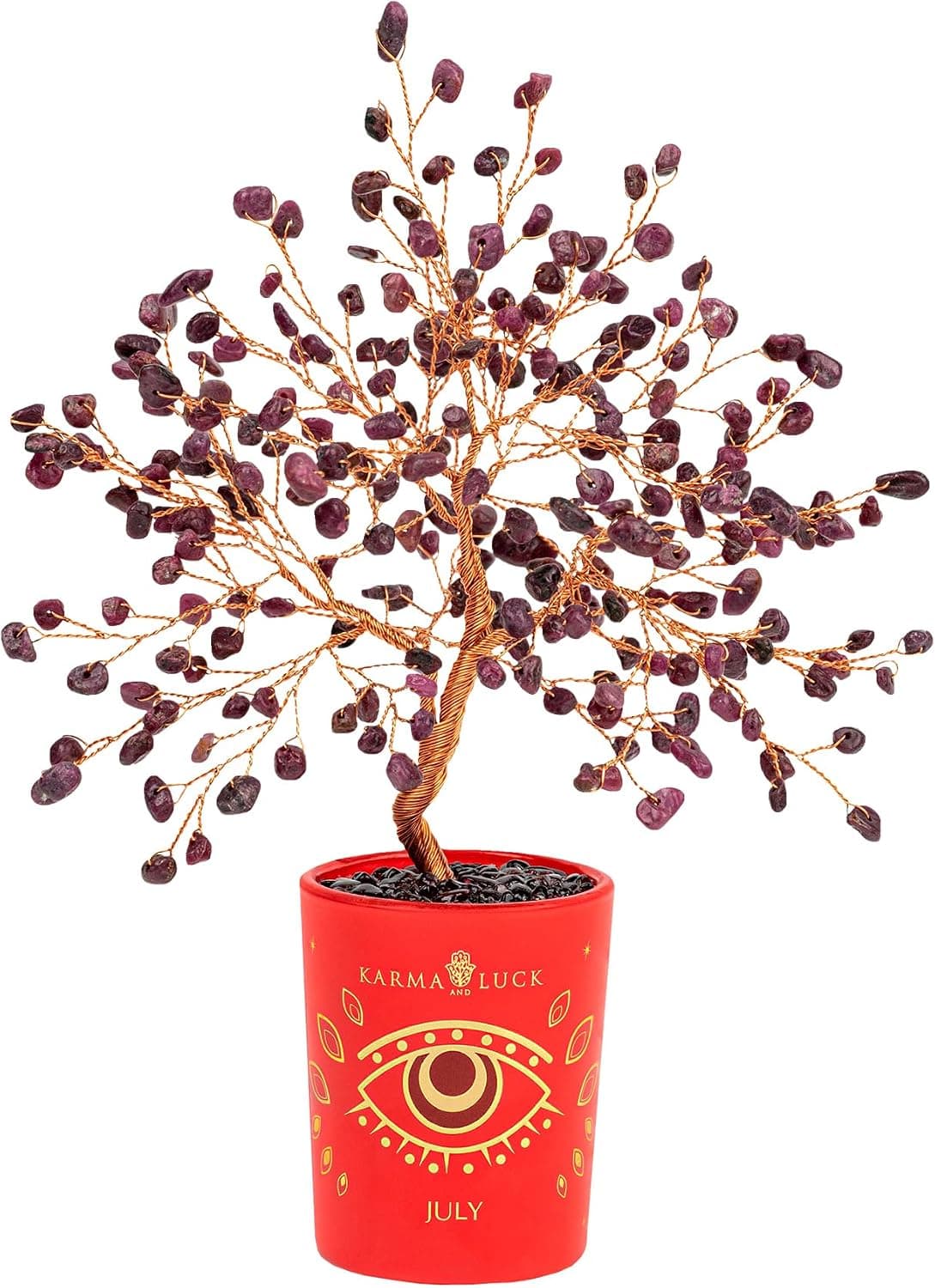 -29%
-29%Karma and Luck July Birthstone Crystal Tree of Life, Ruby Gemstone Feng Shui ...
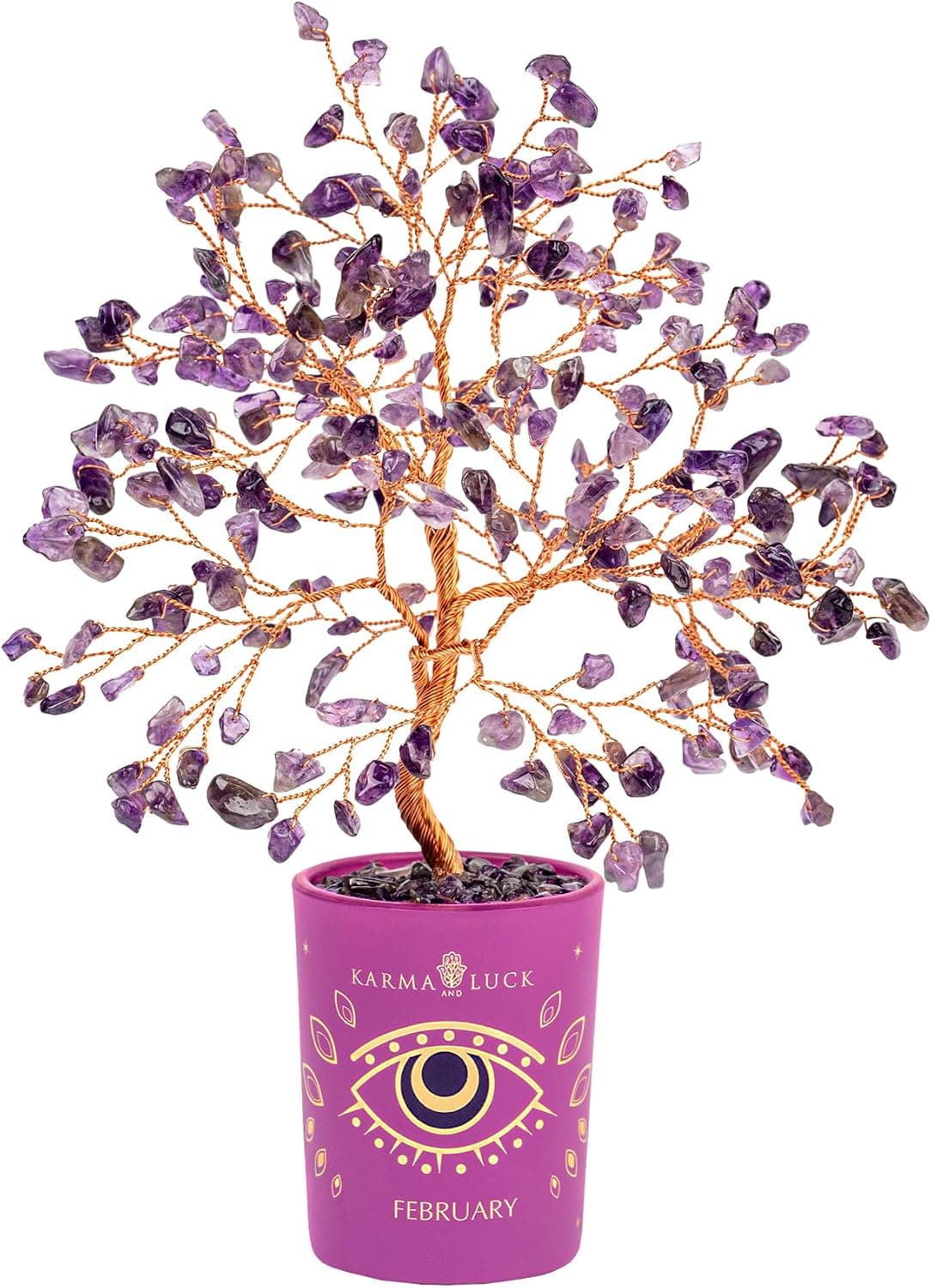 -29%
-29%Karma and Luck February Birthstone Crystal Tree of Life, Amethyst Gemstone Fe...
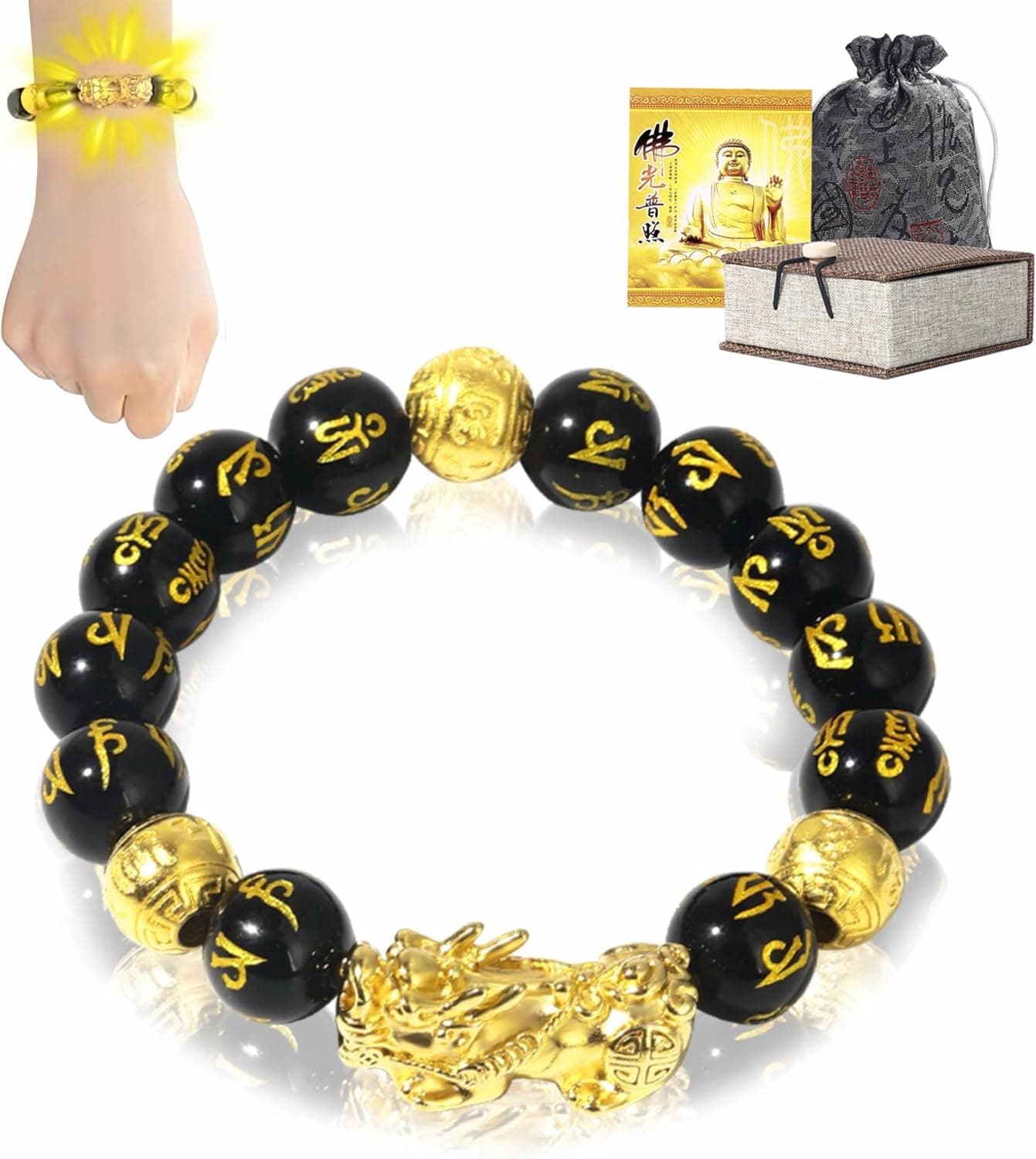 -50%
-50%biuufish Feng Shui Black Obsidian Bracelet for Men Women, 24K Gold Plated Pix...
As an Amazon Associate, we earn from qualifying purchases. We only recommend items our practitioners have personally tested.
Continue Your Journey
Explore these related guides to deepen your understanding:

Ready for Deeper Guidance?
Try our free I Ching reading for personalized wisdom, or explore our curated Feng Shui essentials.