If you keep getting stuck on the first hexagram, you’re missing the part that explains where the situation is actually going.
When the first hexagram feels too static
You cast the coins, look at the figure, and feel that familiar stall in the chest. The first hexagram may describe the situation well, but it can still leave you with the same problem: what happens next?
That is where the relating hexagram earns its place. It shows the movement hidden inside the present pattern, the direction the question is already leaning, and the pressure point that will eventually force change.
I’ve seen people cling to the first figure as if it were the whole answer. It rarely is.
In one reading for a nurse named Elena, the primary hexagram looked orderly and restrained, but the relating figure pointed straight to emotional overflow. She was asking about a transfer from the night shift to outpatient care, and the reading made more sense after we noticed that the change would not happen cleanly; it would come through frustration first, then release.
If you already use hexagram reading methods, this is the moment where the reading becomes alive instead of decorative.
What the relating hexagram is actually showing
Think of the primary hexagram as the current shape of the matter. The relating hexagram shows the shape after the moving lines have finished their work. That does not mean the future is fixed. It means the present contains a bias, a momentum, a likely transformation.
The mistake is to treat it like a prediction machine with a single yes or no answer. The oracle is subtler than that. It says, “This is what the situation is now, and this is what it tends to become if you keep feeding it the same conditions.”
That distinction matters. A relationship question, for example, may begin with a calm-looking primary figure, then shift into a relating hexagram that reveals distance, delay, or the need for firmer boundaries. The reading is not contradicting itself. It is telling you the hidden arc.
When I teach this, I say the relating figure is the reading’s echo. Not a copy. An echo. It carries the original sound, but the room has changed.
The cleanest way to work with it is to read both figures as one sentence. The first hexagram states the condition. The second states the movement. Together they answer the real question: what is unfolding here, and what kind of response fits it?
How to work with it without forcing the answer
Start with the primary hexagram and describe it plainly. What is the quality of the moment? Is it blocked, growing, separating, gathering, building, or clearing? Do not rush to the relating figure before you have named the present state with honesty. Sloppy reading starts here.
Then look at the moving lines. Their positions matter. A single changing line often shows one pressure point, while several moving lines can indicate a situation already in motion, with less stability and more urgency. If you want a stronger foundation, study the meaning of the main hexagram first so the change stands out instead of blurring together.
After that, read the relating hexagram as the likely direction of the situation, not as a final sentence. Ask yourself what must happen for the first pattern to turn into the second one. That question is where practical guidance appears. A work issue might need patience, a conversation, a boundary, or simply time. A health concern may need rest rather than more effort. The oracle usually answers the shape of the next step before it answers the whole journey.
One of the simplest habits I use is to speak the two figures out loud in plain language. “This is what I have now. This is where it is tending.” Once you do that, the symbolism stops floating and starts instructing.
Do not overwork the relating figure into a prophecy. If the current is strong, it often matters more than the destination. Some readings are about how to ride the change with skill, not how to nail down an endpoint. That is a far more useful kind of wisdom.
A practical example: I once read for a teacher in a small office lined with cream filing cabinets and a blue ceramic lamp. She was asking whether to leave a school position after six exhausting months. The primary hexagram showed constraint and fatigue; the relating hexagram showed a gradual loosening, but only after she stopped trying to rescue everyone in the building. The answer was not “run,” and it was not “stay forever.” It was “stop pouring life into a structure that cannot hold it.” Three weeks later, she moved into a different role and said the reading had been unnervingly accurate.
Common mistakes that flatten the message
The first mistake is treating the relating hexagram like a bonus feature. It is not decoration. It is the movement of the reading itself. Skip it, and you usually miss the point.
The second mistake is mixing up direction with outcome. The relating figure shows tendency, not certainty. If you want to avoid the kind of sloppy interpretation that makes people distrust the oracle, compare your notes with a solid I Ching reading approach and stay grounded in the question asked.
Another error is pulling in too many modern assumptions. People love to force the answer into career jargon, relationship jargon, or self-help language before they’ve actually looked at the symbols. That habit turns a precise system into wallpaper.
And yes, some readers ignore the moving lines entirely and jump straight to the second hexagram. That misses the bridge. No bridge, no crossing.
How I advise readers to use both hexagrams together
Ask one clear question. Vague questions create mushy readings. Then write down the primary hexagram, the moving lines, and the relating hexagram before you start interpreting. The page matters because memory gets creative fast.
Next, identify the emotional weather of the present situation. Is there strain, impatience, concealment, overextension, or relief? Then ask what the relating figure suggests will happen when that weather continues. You are not hunting for drama. You are looking for direction.
Finally, translate the combined reading into one usable sentence. For example: “The situation is blocked now, but it will open if I stop pushing.” Or: “This is stable on the surface, but it is moving toward separation unless someone speaks honestly.” That is the level where the oracle becomes practical.
You can also compare it with other parts of your practice. If the question is tied to timing, family cycles, or annual pressure, the broader context matters. A year marked by change may accelerate what the relating hexagram is already showing. That is why I often point readers toward their Chinese zodiac year context when the question is personal rather than abstract.
One warning: do not force an answer because you want comfort. The oracle does not exist to flatter you. It exists to clarify movement. Sometimes that movement is pleasant. Sometimes it is not. Either way, it is better to know where the current is heading than to pretend the water is still.
There is a quiet discipline in letting the two figures speak together. The first shows what is. The second shows what is becoming. Between them sits the place where intelligent action lives.
FAQ
Is the relating hexagram more important than the first one?
No, and that is where many beginners go wrong. The first hexagram tells you the condition you are actually dealing with, while the relating hexagram shows the movement of that condition. You need both, or the reading loses its spine.
Can a reading have no changing lines?
Absolutely. In that case, the primary hexagram stands on its own and the situation is relatively stable. That can be frustrating if you want a dramatic answer, but stability is also information.
What if the relating figure seems opposite to the first?
That happens more often than people expect. The contrast usually means the current pattern is under pressure and will not survive in its present form. Opposites in the oracle are often a sign of transformation, not contradiction.
Should I use the relating hexagram for timing?
Sometimes, but not as a stopwatch. A shifting figure can suggest that change is already underway or will arrive once the moving lines complete their work. For timing questions, I look at the entire reading, not just the second hexagram by itself.
David Liu
Traditionally informed guidance • Cross-referenced with classical Chinese source texts
Rooted in classical Chinese metaphysics and cross-referenced with original texts. Product recommendations are based on traditional symbolism, not guaranteed outcomes.
Practitioner-Selected Tools for This Topic
Items our team has tested and found effective for the principles discussed above. Individual results may vary.
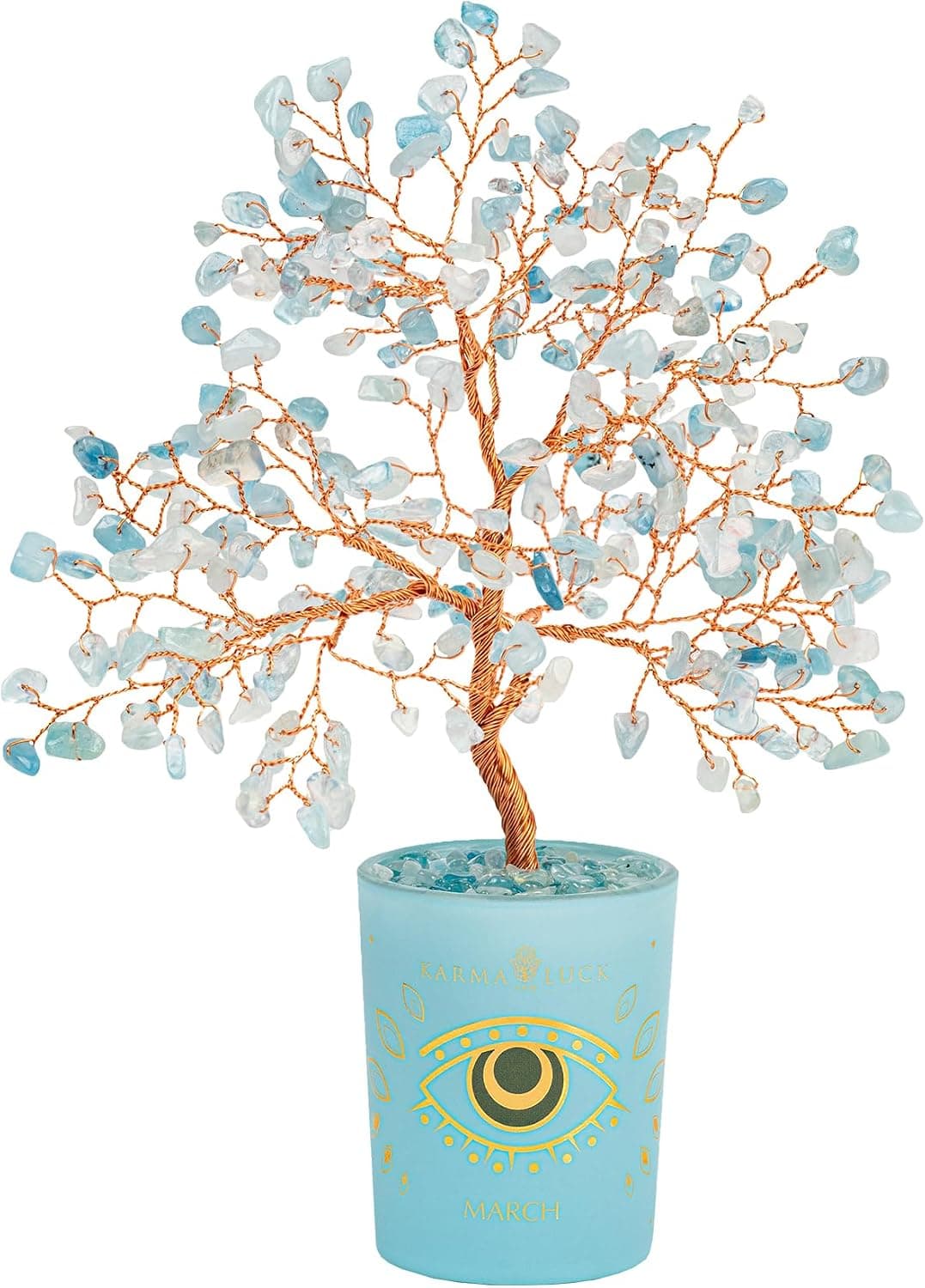 -29%
-29%Karma and Luck March Birthstone Crystal Tree of Life, Aquamarine Gemstone Fen...
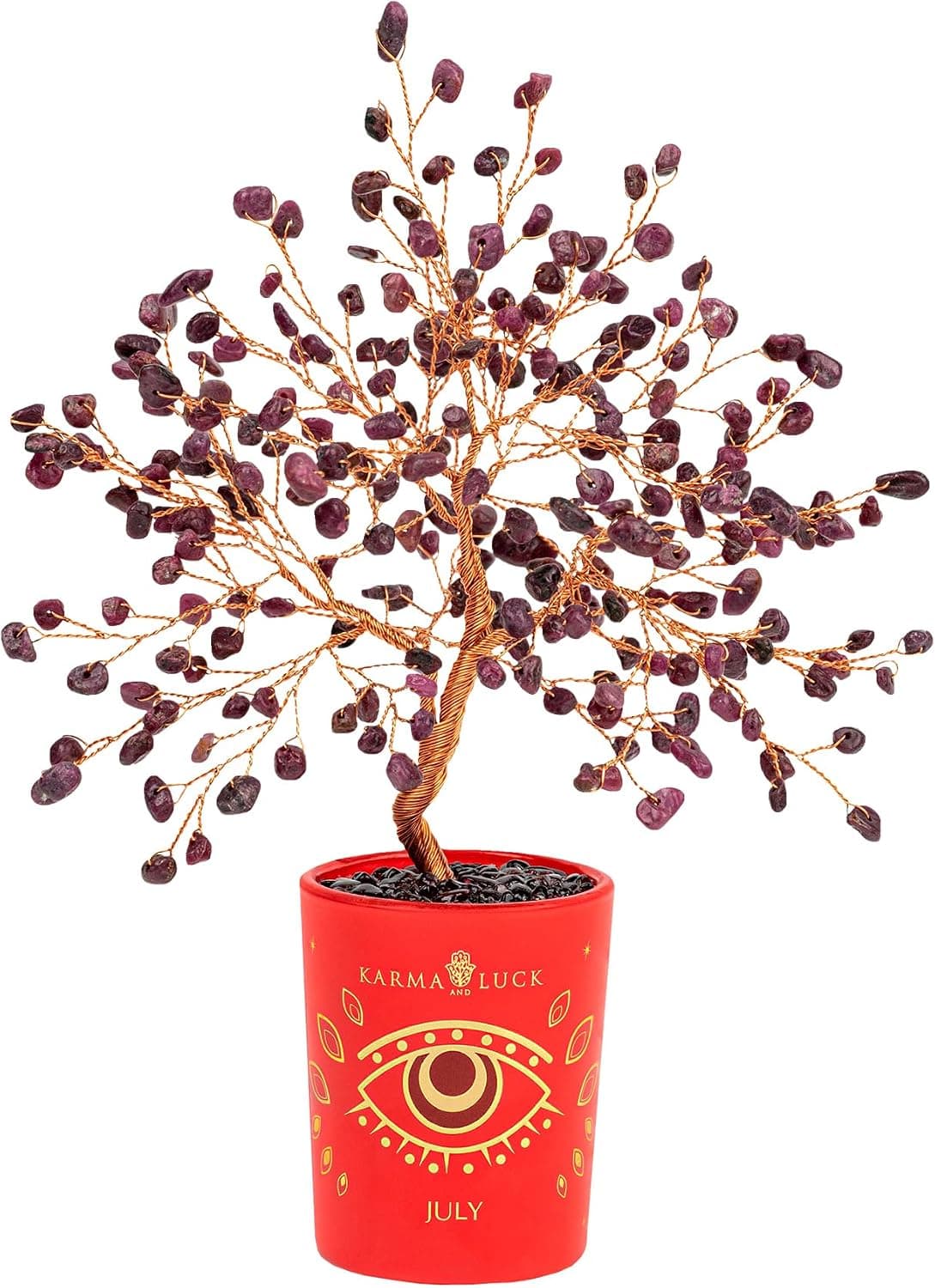 -29%
-29%Karma and Luck July Birthstone Crystal Tree of Life, Ruby Gemstone Feng Shui ...
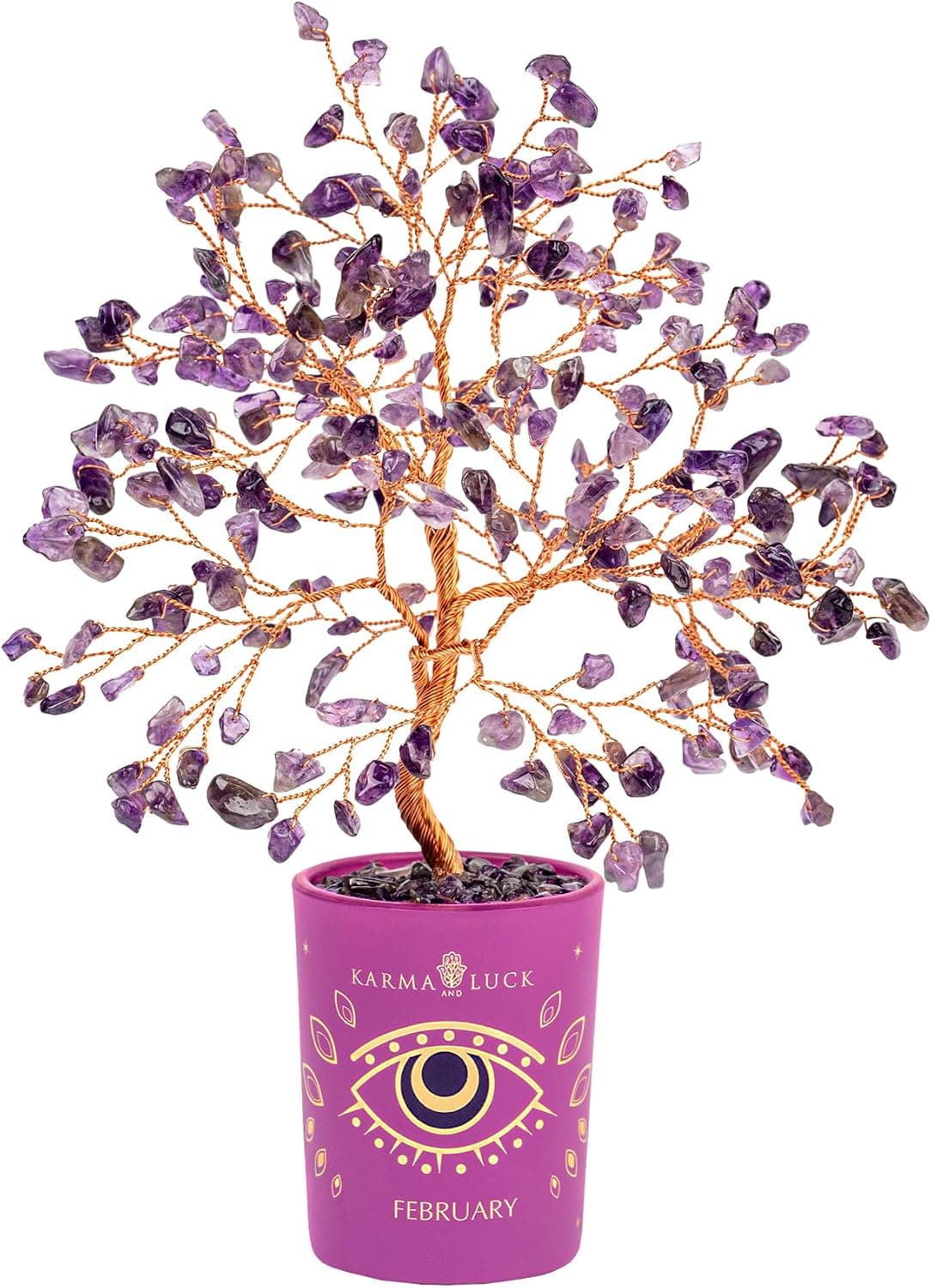 -29%
-29%Karma and Luck February Birthstone Crystal Tree of Life, Amethyst Gemstone Fe...
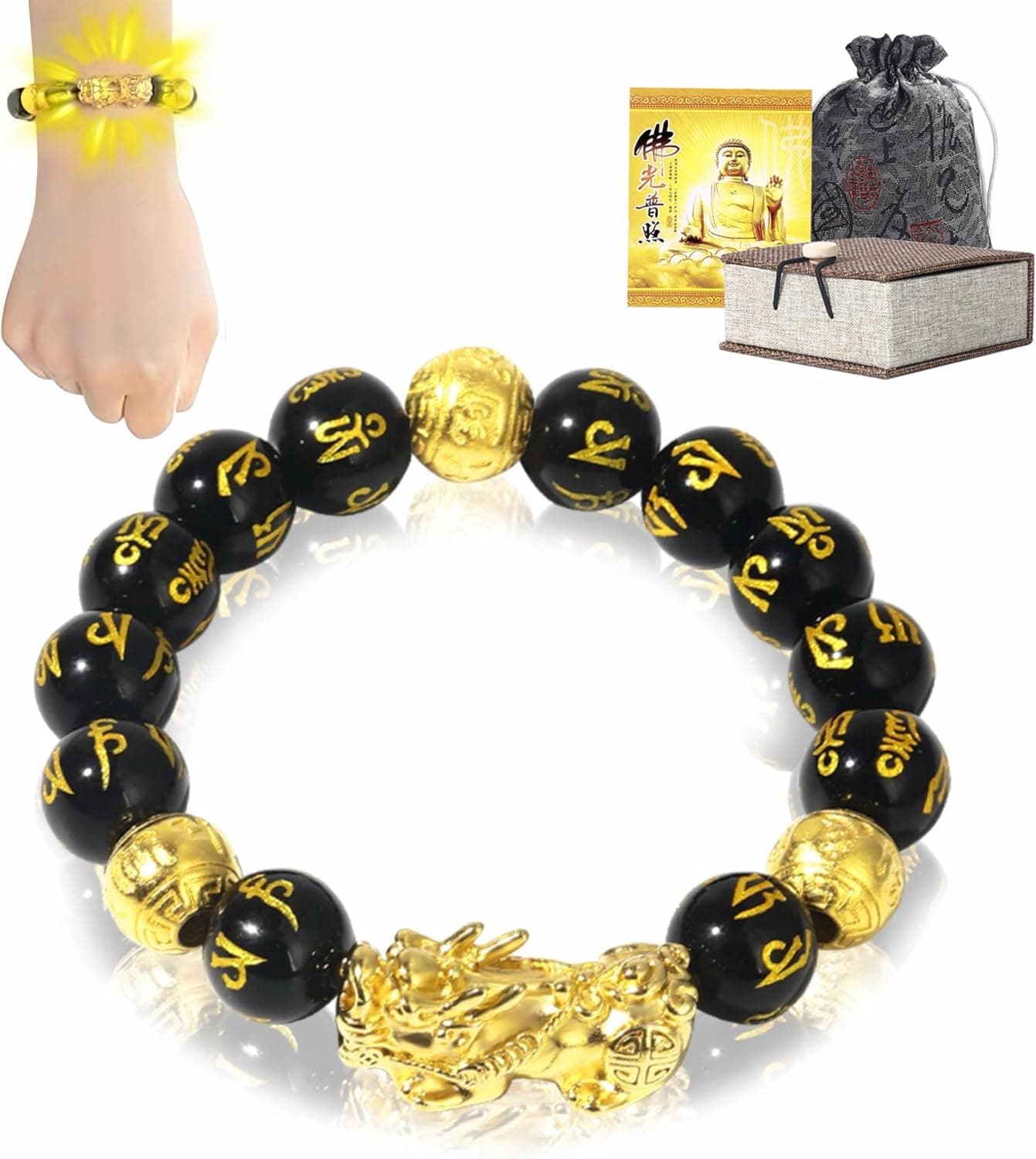 -50%
-50%biuufish Feng Shui Black Obsidian Bracelet for Men Women, 24K Gold Plated Pix...
As an Amazon Associate, we earn from qualifying purchases. We only recommend items our practitioners have personally tested.
Continue Your Journey
Explore these related guides to deepen your understanding:

Ready for Deeper Guidance?
Try our free I Ching reading for personalized wisdom, or explore our curated Feng Shui essentials.