A vague question gives a vague answer, and the I Ching will expose it fast.
When the answer feels slippery, start with the question
I once watched a teacher pull three lines from the I Ching in a pale-blue study with a chipped brass lamp, and the result looked “unclear” only because the question was a mess. She had asked about her whole career, her marriage, her money, and her moving plans in one breath. The book didn’t fail her. The framing did.
That happens more than people admit. They expect a clean answer from a good date and a good mood, then they toss out a question so broad it could swallow a year. The Oracle is not a fortune cookie. It responds to pattern, timing, and intent.
The first lesson in a proper hexagram reading is uncomfortable: you do not begin with the lines. You begin with the pressure underneath the question. What are you actually trying to know? What decision is hanging in the air? If you skip that, even a powerful reading can sound vague.
I’ve seen this in a cramped kitchen in San Diego, where a retiree named Daniel cast for “what’s next” while standing beside a red kettle and a pile of unopened mail. He wanted reassurance. He received caution. Two weeks later, after he narrowed the issue to a condo purchase, the same method gave him a far more usable answer. Same man. Better question. Better result.
What the method is really doing
A hexagram reading is a conversation with change. The six lines show a pattern of movement, and the moving lines reveal where the situation is unstable, shifting, or about to tip. People love to treat it as a prediction machine. That is lazy thinking. The I Ching reads relationship, not just outcome.
Here is the frame I use. First, define the issue in one sentence. Not five. One. Then cast with a settled mind, record the primary hexagram, note any changing lines, and read the transformed hexagram only after you understand the first one. That order matters. Skip it and you end up chasing the last thing you read instead of the pattern in front of you.
The primary hexagram describes the present structure. The changing lines show pressure points. The resulting hexagram points to the direction the situation wants to move if nothing is forced. That last part catches people off guard. The book is not always telling you what you want. Sometimes it tells you what is already happening beneath your wish.
That is why the best interpreters are patient. They don’t hunt for a dramatic slogan. They look for tone, sequence, and fit. A reading about a job interview can look completely different from a reading about whether to stay in the same role, even if both involve the same office, the same boss, and the same salary.
And no, you do not need theatrical ritual to make it “more accurate.” A quiet table, honest wording, and consistent method beat incense-and-anxiety every time. The old texts respect sincerity, not performance.
How to approach a reading without muddying it
Start by writing the question down before you cast. If you are asking about a relationship, ask about the relationship, not the other person’s secret intentions, your future children, and whether the universe approves. That kind of sprawl creates noise. A sharper version might be: “What do I need to understand about this relationship over the next three months?”
Then pay attention to what kind of answer you want, because that desire can distort interpretation. A hopeful reader will over-interpret good news. A worried one will turn every difficult line into doom. Both habits are errors. The method works best when you let the lines speak before your emotions grab the wheel.
If you want a practical rhythm, read the primary hexagram first as the current condition, then examine any changing lines as the active movement, and only then look at the transformed hexagram as the likely direction. That sequence keeps you grounded. It also prevents one dramatic sentence from hijacking the whole reading.
For deeper context, I often compare the answer with broader timing patterns. A reading cast during a tense year will feel different from one cast during a steadier cycle, and the same applies to personal luck phases. If you are mapping larger movement, the Fire Horse year and its pace of change can add useful context without forcing the answer.
And if the reading points to delay, don’t panic. Delay is not refusal. Sometimes the line is telling you to stop pushing, clean up the conditions, and let the shape of the matter reveal itself.
What a strong reading sounds like
A strong reading often feels strangely specific. Not mystical. Specific. It may point to a hidden obstacle, a timing issue, a relationship dynamic, or a simple mismatch between your plan and the conditions around you. That specificity is what gives it weight.
Take a home example. A woman I worked with in a cream-walled dining room had a hexagram that pointed to “blocked exchange” while she was deciding whether to sell her apartment. On the table sat a bowl of lemons, a stack of mortgage papers, and a black phone face-down beside her tea. She kept asking whether the market would rise. The reading kept pointing to the fact that she had not prepared the property properly. Once she fixed the presentation and waited six weeks, the sale moved quickly. The answer was never “yes” or “no.” It was “not yet, and here is why.”
That is the part most people resist. They want a verdict. The Oracle often gives a process. That process may ask for patience, restraint, action, or a change in posture. If you can hear that, you stop treating the reading like a magic trick and start using it like a map.
Two mistakes that derail the whole practice
The first mistake is asking from panic. Panic compresses your attention until every line feels like an alarm. A reading done in that state tends to mirror the tension back at you rather than clarify the situation. Wait if you can. Breathe. Reword the question.
The second mistake is cherry-picking the part you like. I see this constantly when people compare a hexagram to a compatibility chart for 2026 or any other system and then only keep the parts that flatter their hopes. That is not interpretation. That is self-comfort. A good reading may challenge you before it helps you.
If you want to avoid more technical errors, I’d also keep an eye on how you record the result. Sloppy notes lead to sloppy memory, and sloppy memory creates fake certainty later. I’ve watched people swear a line “said” one thing when their notebook showed something very different.
How to use the answer after the reading
The real value of a hexagram reading appears after the cast. Ask yourself: what action does this suggest, what should I stop forcing, and what timing does it imply? Those three questions turn symbols into choices. Without them, you have a poetic puzzle and nothing more.
Sometimes the answer is behavioral. Sometimes it is environmental. Sometimes it is about waiting for the right conditions instead of trying to shove the door open. That is where Chinese metaphysics gets practical. It is not just about meaning. It is about alignment.
One more thing people miss: the answer can be useful even when you do not like it. A warning line can save you six months. A delay can protect your money. A difficult image can keep you from acting too soon. Good guidance is not always flattering. It is often efficient.
FAQ
Can I ask the same question more than once?
You can, but repetition usually shows fixation, not clarity. If the first reading was muddy, improve the wording and wait until your mind settles. If the question is the same and the circumstances have not changed, the second cast often just echoes the first.
What if the result feels opposite to what I hoped?
That is often the most useful moment. The surprising fact is that the I Ching can be more helpful when it frustrates you, because it exposes the gap between desire and conditions. Treat that gap as information.
Do changing lines matter more than the main hexagram?
They matter differently, not more. The main hexagram shows the whole situation; the changing lines show where movement is happening. Ignore either one and you flatten the reading.
Should I compare the reading with zodiac timing or yearly luck cycles?
Yes, if you do it lightly and intelligently. Broader timing can explain why a message feels urgent, delayed, or unusually smooth. I often cross-check with annual zodiac timing patterns when a question clearly involves the bigger picture.
David Liu
Traditionally informed guidance • Cross-referenced with classical Chinese source texts
Rooted in classical Chinese metaphysics and cross-referenced with original texts. Product recommendations are based on traditional symbolism, not guaranteed outcomes.
Practitioner-Selected Tools for This Topic
Items our team has tested and found effective for the principles discussed above. Individual results may vary.
 -29%
-29%Karma and Luck March Birthstone Crystal Tree of Life, Aquamarine Gemstone Fen...
 -29%
-29%Karma and Luck July Birthstone Crystal Tree of Life, Ruby Gemstone Feng Shui ...
 -29%
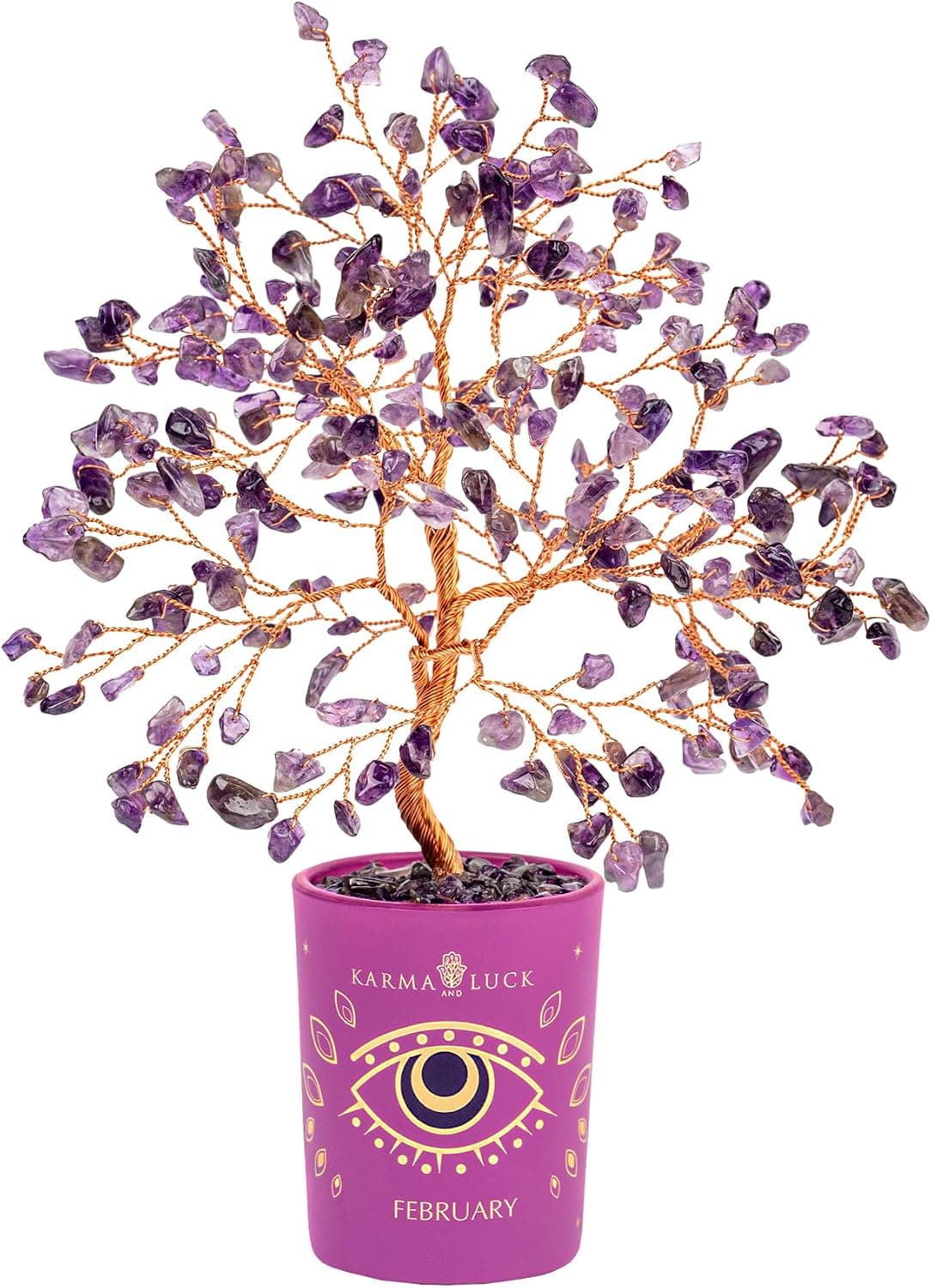
-29%Karma and Luck February Birthstone Crystal Tree of Life, Amethyst Gemstone Fe...
 -50%
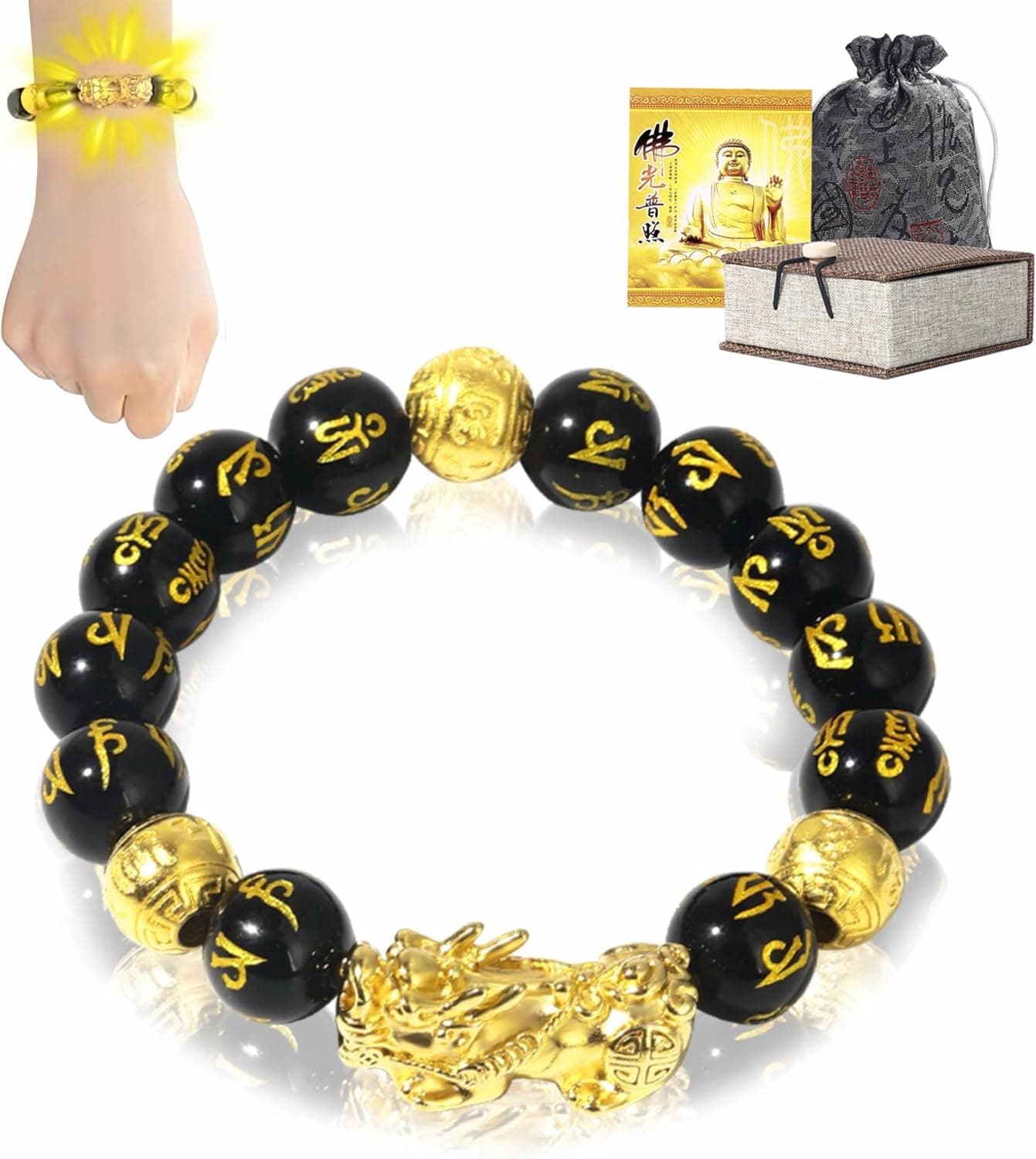
-50%biuufish Feng Shui Black Obsidian Bracelet for Men Women, 24K Gold Plated Pix...
As an Amazon Associate, we earn from qualifying purchases. We only recommend items our practitioners have personally tested.
Continue Your Journey
Explore these related guides to deepen your understanding:

Ready for Deeper Guidance?
Try our free I Ching reading for personalized wisdom, or explore our curated Feng Shui essentials.