A straight hallway can look harmless while quietly draining momentum from your work year.
The Hidden Truth About career luck chinese zodiac-2026
I saw it in a narrow office in Richmond: a navy runner in the hallway, a white desk by the window, a brass lamp on the left, and a man who kept missing deadlines even though his charts looked favorable on paper. He had followed every popular remedy he could find. New pen holder. Red ribbon. Lucky plant. Still, his career felt like it was walking in circles.
The problem wasn't his desk. It was the path between the door and the chair. Every time he came in, he cut hard left, brushed past a filing cabinet, then slowed near a coat stand before reaching his laptop. That zigzag sounds harmless until you watch it twenty times a day. Momentum dies in the body before it dies in the calendar.
Most advice stops at objects. Wrong. Movement tells a room what to do. A cramped traffic line creates hesitation, and hesitation shows up as delayed replies, awkward meetings, forgotten follow-through, and the strange feeling that work is always starting late. The old books talk about qi, but in plain English this is about friction. Friction makes people second-guess themselves.
That is why a so-called lucky year can still feel stuck. Your signs matter, but the way you move through the room matters first. I link this to the broader floor plan in how to map energy in your home without overthinking it, because the route your feet take often exposes the real problem faster than any ornament does.
How the Room Steals Momentum Before You Notice
Open-plan rooms fool people. They look spacious, then the table edge catches your thigh, the recycling bin blocks a clean turn, and your shoulder tightens every time you head toward the kitchen. That tiny stress repeats all day. By Friday, you are tired before the work is even hard.
One marketing manager I worked with had a slate-gray apartment and a glass desk facing a balcony door. Beautiful setup. Terrible traffic. He entered from a side corridor, passed a stack of gym gear, then had to squeeze between the desk chair and a bookshelf to sit down. He started avoiding the desk entirely and using his sofa for calls, which made him look less prepared on video and slower to answer emails. The room trained him into delay.
Some people blame their zodiac animal for that drag. That is too neat. More often, the room is teaching the nervous system to brace. You feel it as a small tightening in the chest, a quick scan of the floor, a habit of setting things down "for a second" and never recovering them. If the route from entry to work is tangled, career luck turns wobbly because you begin every task in a state of interruption.
Notice how often the feet change direction before the mind does. That's the clue. A clearer route supports clearer decisions, especially in a year when annual patterns can already stir pressure in certain sectors. The placement of objects matters too, which is why I send people to the front door guide that actually shows how entry space shapes a year before they buy anything else.
Big mistake. People decorate the desk and ignore the aisle.
When the Walking Path Turns into a Career Problem
I once walked into a spare room in a Victorian terrace in Bristol and knew, before anyone said a word, why the owner felt professionally boxed in. There was a cream wardrobe blocking the left side, a turquoise chair jammed against the wall, and a small round mirror facing the doorway. The path to the work table bent twice in six feet. She had been promoted twice in three years, yet every new role brought confusion, micromanagement, and surprise conflict with coworkers. The room was rehearsing that same pattern.
Here is what that kind of path does. It creates hesitation at the entrance, then a burst of speed, then another stop. That start-stop rhythm bleeds into the workday. You over-edit an email. You forget one attachment. You need ten minutes to "get going" after lunch. Not because you are lazy. Because the room keeps interrupting the body's rhythm.
Common advice says to add more symbols of success. Awards on the shelf. A dragon figurine. A crystal tower. Sometimes those additions help, but only after the movement problem is fixed. Otherwise the item sits in a zone of visual clutter, and all it does is become another thing you dodge with your eyes. I have seen better results from moving a laundry basket than from adding a shelf full of promises.
People get surprised by that. They should not. A straight, readable route lets the mind stop scanning for obstacles. Less scanning means more attention available for the actual job. That is especially useful in a year when career momentum may depend on quick pivots, clear timing, and fewer self-inflicted delays. See also why balanced elements can still feel off when the circulation is bad.
Wrong. A lucky object cannot rescue a clumsy route.
What to Change First, and What to Leave Alone
Start with the route, not the décor. Walk from the door to your work seat and watch your own body. Do you turn your shoulders to slip past a lamp? Do you step around a box? Do you slow down near a plant stand because the leaves brush your arm? Those pauses matter more than most people want to admit.
In a small bedroom converted into an office, I found a pale oak desk three feet from the window and a black swivel chair that kept snagging on a rug with curled corners. The owner thought the problem was lack of motivation. After we shifted the chair angle, removed the rug, and cleared the path to the closet, she stopped dreading morning work sessions. Her inbox did not magically empty, of course, but her responses got quicker and her client calls became less chaotic within a week.
Keep the line to your chair open. Let the eye travel without stopping at a trash can, a stack of shoes, or a coat draped over the only clean edge. If your desk sits in a corner, make the approach simple and direct. If the room forces a loop, reduce the number of turns by moving one object, not ten. One good change usually beats five decorative guesses.
This is where many people overreach. They start rearranging the whole apartment when one bottleneck is the real culprit. Fix that first. Then, if you want to align the work area with your birth pattern, the deeper layer becomes easier to use, and a focused reading such as Wood Day Master tendencies in a work setting can add nuance without turning into superstition.
The point is not perfection. It is a cleaner current. A room that allows you to walk straight to your task makes it easier to answer messages on time, prepare for calls without rushing, and leave work at a proper hour instead of circling back to "just one more thing."
Why Some Zodiac Advice Backfires in Busy Rooms
Here is the uncomfortable part. A person can follow every sign-based recommendation and still feel blocked if the circulation pattern keeps tripping them up. That happens because symbolic cures do not cancel physical resistance. They sit on top of it.
Think of a designer handbag on a broken chair. The bag looks expensive. The chair still wobbles. Many zodiac articles act like the bag solves the chair. It doesn't. In a career space, the body reads the wobble before the mind can rationalize it. That is why some people feel energized for two days after a ritual, then slide back into the same delays.
The better approach is mundane and exact. Remove the object that narrows the turn. Widen the space beside the desk by a few inches. Move the printer so you are not twisting every time you stand up. Place frequently used tools within one reach, not three. The room should reward forward motion, not force detours.
There is also a psychological layer here. People work better when the environment gives them a clean next step. A clear path reduces decision fatigue. Fewer micro-decisions mean more attention left for meetings, proposals, and problem-solving. That's not mystical. It is what I see when a room stops asking the body to negotiate with furniture all day.
For a broader annual adjustment, the sector-by-sector work in 2026 Flying Stars need different remedies room by room helps you place cures where they will not get tangled up with your daily movement.
The Career Setup That Actually Holds Up
There is a cleaner way to use 2026 without pretending every sign shares the same path. First, look at the walking line from the main entry to the place where work begins. Second, remove the object that interrupts that line most often. Third, give yourself a route that feels almost boring in its simplicity. Boring can be excellent. Boring means repeatable.
Imagine a home office with a walnut desk, a soft gray chair, and a clear band of floor running from the doorway to the seat. No basket in the middle. No lamp stand poking out like a knee trap. No pile of unopened mail near the threshold. The room stops arguing with you. Work starts sooner. Breaks end faster. Even awkward calls feel less sticky because you are not unconsciously bracing before you sit down.
That does not mean every symbolic support is useless. A well-chosen item can help once the traffic is corrected. But put the feet first. Put the route first. The rest lands better when the room is no longer making you zigzag around your own day. I have seen a single cleared corridor do more for focus than a dozen polished objects on a shelf.
If you want to go one layer deeper, the materials on creating a room that supports sleep and focus can help you see why a space that calms the body often improves work performance too. A tired mind makes clumsy choices. A clear room reduces that tiredness in ways people rarely notice until the calendar starts to open up.
Sometimes the fix is almost embarrassingly simple. Move the shoe rack. Shift the chair. Clear the path. Then watch what happens when you stop asking your body to sidestep itself every morning.
And if the room is still whispering that you should take the long way around?
FAQ
Is conventional career luck chinese zodiac-2026 advice reliable?
Not always. A lot of it focuses on symbols while ignoring circulation, and that is where people get tripped up. If your walking path is awkward, you can place every lucky item in the right sector and still feel delayed.
Does a straight path really change work results?
It changes the way you start tasks, and that matters more than people think. When you do not dodge a bin, a lamp, or a tight turn, you begin work with less friction and fewer tiny mistakes.
What if my office is too small to redesign?
Then do the smallest useful move. Slide one chair, remove one obstacle, or clear one corner of the route to your seat. In compact spaces, a few inches can matter more than a full makeover.
Should I ignore zodiac remedies altogether?
Not at all. Use them after the room stops slowing you down. A symbolic cure works better when the body can move cleanly through the space instead of negotiating with it.
Can a messy hallway really affect career luck?
Surprisingly, yes. A hallway full of shoes, bags, or boxes trains you to rush and hesitate at the same time. That mixed signal shows up later as missed timing, cluttered thinking, and work that takes longer than it should.
David Liu
Traditionally informed guidance • Cross-referenced with classical Chinese source texts
Rooted in classical Chinese metaphysics and cross-referenced with original texts. Product recommendations are based on traditional symbolism, not guaranteed outcomes.
Practitioner-Selected Tools for This Topic
Items our team has tested and found effective for the principles discussed above. Individual results may vary.
 -29%
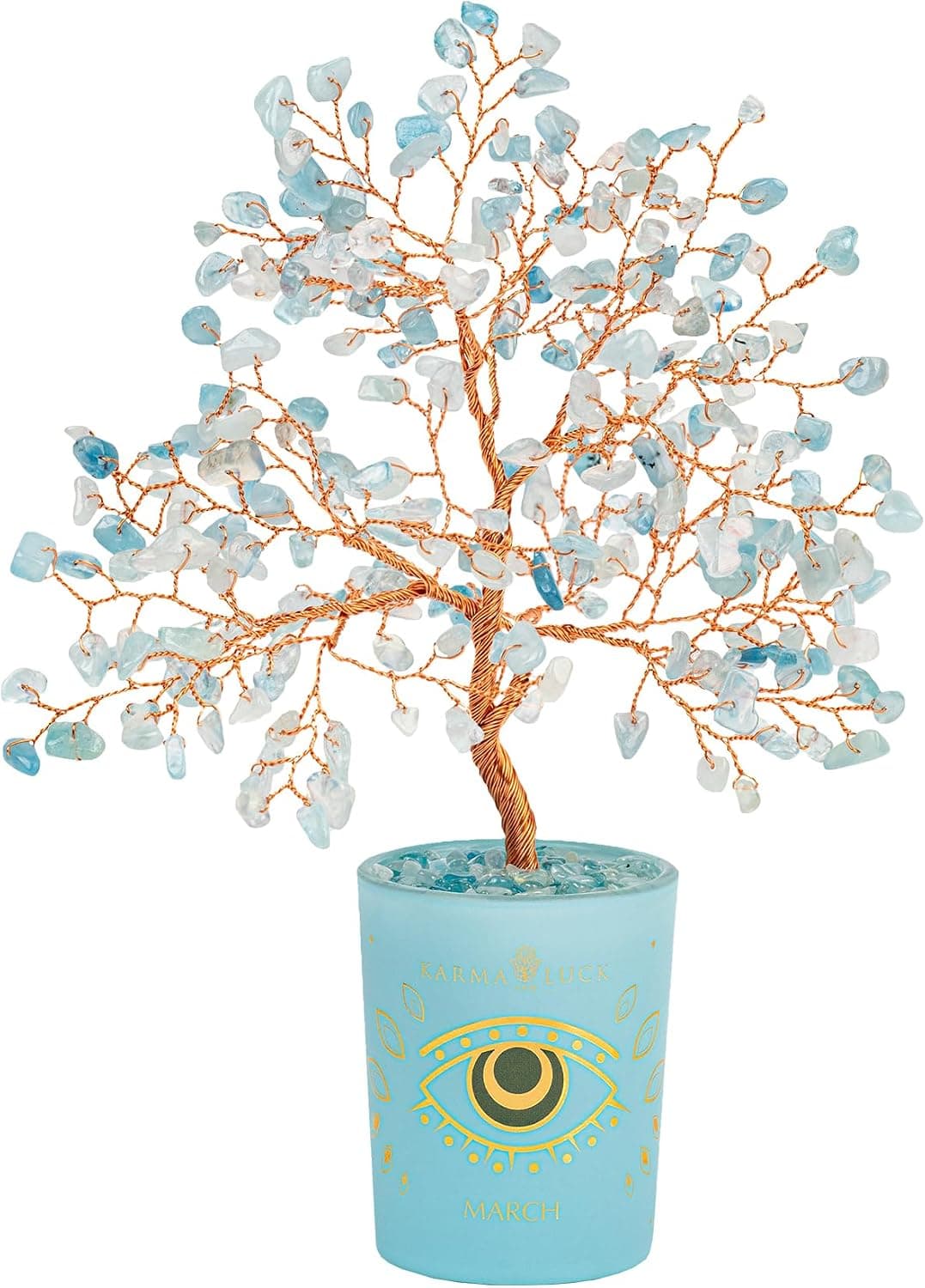
-29%Karma and Luck March Birthstone Crystal Tree of Life, Aquamarine Gemstone Fen...
 -29%
-29%Karma and Luck July Birthstone Crystal Tree of Life, Ruby Gemstone Feng Shui ...
 -29%
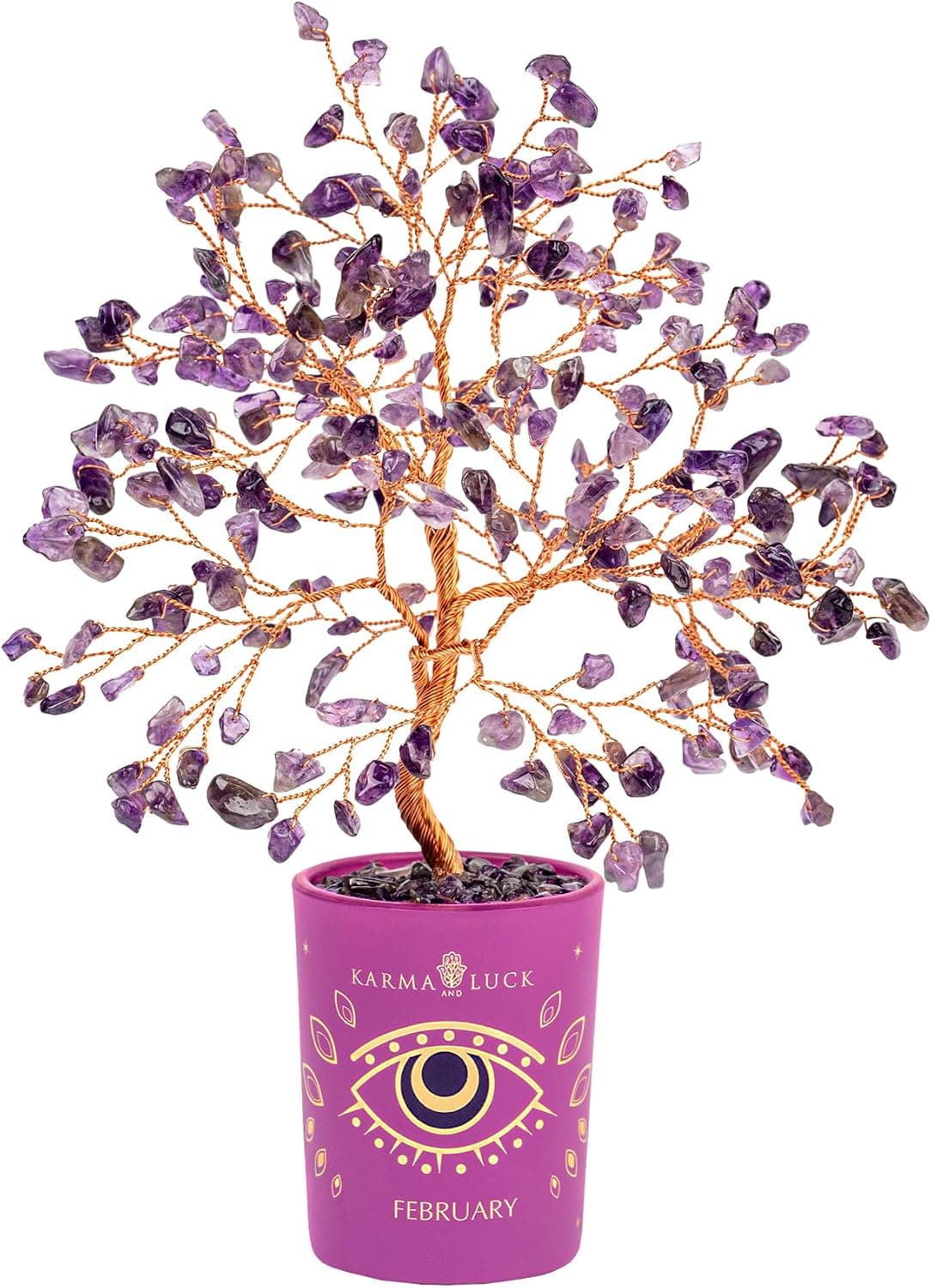
-29%Karma and Luck February Birthstone Crystal Tree of Life, Amethyst Gemstone Fe...
 -50%
-50%biuufish Feng Shui Black Obsidian Bracelet for Men Women, 24K Gold Plated Pix...
As an Amazon Associate, we earn from qualifying purchases. We only recommend items our practitioners have personally tested.
Continue Your Journey
Explore these related guides to deepen your understanding:

Ready for Deeper Guidance?
Try our free I Ching reading for personalized wisdom, or explore our curated Feng Shui essentials.