A cure that works in one corner can backfire in another. 2026 rewards precision, not superstition.
The mistake people make with annual remedies
I once walked into a teacher’s study in early February and saw a bright red lamp parked in the north sector, a metal pen holder beside it, and three quartz points aimed at the desk. The room looked “feng shui’d” by internet standards. Yet she was still getting angry emails at 11 p.m. and waking up exhausted. The problem was not a lack of cures. It was the wrong cure in the wrong star field.
That is the part people miss when they hunt for annual stars over the Bagua map: the bagua alone never tells the whole story. You have to know which sector is receiving which star, what the room is used for, and how the Five Elements are already behaving there. In 2026, that matters more than ever because the yearly pattern is not gentle. It is active, fast, and unforgiving.
The phrase feng shui cures 2026 flying stars gets tossed around as if one list of objects can fix every home. That’s lazy thinking. A brass bell in a hallway is not the same thing as a brass bell in a child’s bedroom. A water feature may feed one auspicious sector and poison another. Remedies are not decorations. They are interventions.
And here is the surprise: sometimes the best cure is to remove something, not add something. I have seen one overworked executive improve his sleep simply by taking a jade plant out of the southwest corner of his master bedroom. No chant. No lucky charm. Just less stimulation where the energy was already too warm.
Why 2026 is not a year for generic fixes
2026 sits inside the Fire Horse cycle, which means movement, speed, and a tendency for energy to run hot. Hot energy can be useful. It can also become argumentative, restless, and scattered when the wrong sectors are activated. That is why one-size-fits-all advice fails. You are not treating “the house.” You are treating directional qi under specific annual stars.
Think of the annual chart as weather. Some sectors are clear. Some carry pressure. Some become storm fronts when you add the wrong element. If you place aggressive Fire cures in a sector already carrying Fire, you do not calm it—you amplify it. That can show up as insomnia, family tension, or a strange pattern of small mistakes that waste time and money.
One apartment I visited in a downtown tower had a red accent wall in the south-facing dining area, a candle centerpiece, and a glass cabinet full of ruby-colored bottles. The owner, a chef, kept wondering why family dinners turned into debates over nothing. We reduced the red, moved the candle display, and introduced a steadier Wood-to-Fire balance with a plant in a better location. Within two weeks, the room felt less sharp. The food still looked good. The arguments did not.
That is the practical difference between style and calibration. Style is what looks “auspicious” on social media. Calibration is what the sector actually needs.
How to read the 2026 chart without getting lost
If you want useful results, start by mapping your home first. Stand in the center, face each direction, and identify what each room does. Bedroom, office, stove area, entry, storage, bathroom. Purpose matters because the same star behaves differently in a place where people sleep than in a place where they cook, work, or pass through.
Next, overlay the yearly pattern and mark the sectors that are stressed, supportive, or mixed. This is where many beginners become too literal. They see “bad star” and panic. Wrong move. A difficult star in a hallway may be manageable. A difficult star in a child’s bedroom is another matter entirely. Location changes the consequence.
The second mistake is assuming the cure has to be dramatic. It rarely does. In many homes, one heavy metal object, one mirror, or one overused candle is enough to tilt the balance. Small adjustments often outperform elaborate setups because they respond to the actual problem instead of performing feng shui theater.
When I assess a house, I ask three questions: What is the room for? What element is already dominant? What is the annual star asking for here? If those three answers do not align, I do not place a cure. I redesign the room first.
That approach also prevents one common disaster: using “protection” items to bully a sector that needs soothing. Protection has its place. But if you treat every star like an enemy, you create resistance. Some sectors want a soft correction, not a fight.
Which cures actually belong in 2026?
Start with restraint. In a hot year, the safest remedies are usually cooling, grounding, and controlled. Metal is often useful where Fire is excessive because it can moderate and redirect. Water can be helpful too, but only when it does not clash with the room’s function or create emotional coldness in a relationship space. Earth can stabilize, yet too much Earth can trap qi and make a room feel heavy.
That is why the best feng shui cures 2026 flying stars strategy is never “more.” It is “appropriate.” A metal cure in one sector might mean a brass bowl, a gray ceramic object, or a six-rod cure if the chart calls for it. In another sector, the right action may be moving clutter, lowering visual noise, and leaving the area quieter.
Do not confuse symbolic items with effective ones. A red ribbon is not automatically activating. A crystal is not automatically neutral. Even crystal remedies for difficult star sectors need placement, size, and purpose. A clear quartz cluster on a bookshelf is not the same as a carefully chosen stone positioned to calm a sector with too much agitation.
And yes, some people will tell you to “just use salt water cures everywhere.” That advice is too blunt. Salt water is not a universal fix. In some homes it is fine; in others it is clumsy, visually intrusive, or simply mismatched to the sector’s needs. I prefer remedies that respect the room first and the theory second.
What to do in the main problem sectors
The most sensitive sectors in a year like 2026 tend to be the ones where conflict, illness patterns, or legal friction are most likely to show up if they are activated carelessly. That does not mean you should fear them. It means you should stop dumping life-force into them with loud colors, moving water, banging doors, or heavy renovation.
For a bedroom in a stressed sector, remove anything that adds heat or motion. That means no aggressive red bedding, no tall mirrors facing the bed, and no music system stacked like a shrine to stimulation. If the room already feels “busy,” simplify it. A quieter room often does more than a pile of cures.
For a home office, be careful with desks facing a volatile annual direction. I once saw a software architect put his desk directly under a ceiling beam in a sector that was already overactive. He had three monitors, two routers, and a neon clock. He was brilliant and miserable. We shifted the desk, reduced the electronic clutter, and introduced a steadier metal object on the side cabinet. The next month he told me his afternoon headaches had eased.
For living rooms, the question is not only what star is present, but whether the room is used for conversation, television, or formal entertaining. If you want to learn how activity changes a sector, study how to work with auspicious living-room stars. A good living room can support the whole house. A chaotic one can contaminate it.
For kitchens, remember that Fire is already built in. This is why adding more red, more lights, or more “warming” decor can become too much very quickly. Kitchens in a Fire year need balance, cleanliness, and enough breathing room to keep the energy from turning sharp.
How I would apply the remedies in a real home
Let me give you a concrete example. In a semi-detached house in Brighton, the southeast study had a green rug, a bamboo plant in a white pot, and a stack of unopened notebooks on the floor. The owner, a nurse, said she kept meaning to use the room but always drifted into the kitchen instead. The sector was not “broken.” It was simply overfed with growth energy and under-guided. We removed the floor clutter, swapped the rug for a calmer neutral tone, and moved the plant out. Three weeks later, she was using the room daily without the weird resistance she had felt before.
That is the method: identify the sector, reduce what aggravates it, then introduce one remedy with a clear purpose. Not seven. Not a shopping bag. One deliberate adjustment, then observe.
If a sector needs Metal, choose one clean object with weight and intention. If it needs Water, use it only where it will not create dampness, distraction, or emotional chill. If it needs Earth, bring in pottery, stone, or grounded tones rather than piles of dust-colored clutter. If it needs Wood, use living, healthy plants—not plastic leaves and not a forest of objects.
And if you are still unsure where to begin, start by cleaning the sector completely. Dirt, broken items, and neglected corners weaken every good intention. Clean space is not glamorous, but it is powerful. I would take one freshly cleared shelf over a dozen symbolic trinkets any day.
How 2026 connects to the wider zodiac cycle
Annual stars do not operate in a vacuum. They interact with the year’s larger tone, and that tone matters in a Fire Horse year. If you understand the broader cycle, you make fewer nervous mistakes and fewer expensive ones. That is also why I often point readers to the broader Chinese zodiac year-by-year pattern rather than treating one annual chart as if it stands alone.
People love isolated answers. They want the one charm, the one number, the one item. But a house has layers, and a year has layers too. Your remedies should respect the yearly energy, the sector’s element, and the person living there. Miss one layer, and the cure may become cosmetic.
There is also the Tai Sui issue, which many readers ignore until they have already created trouble. In some homes, the interaction between annual stars and the sensitive directional energies needs special caution, especially with movement and disturbance. Before doing anything drastic in an affected area, check how the yearly pressure points interact with Tai Sui. A little restraint can save a lot of regret.
The big lesson here is simple: harmony is not random. It is engineered. That sounds less mystical than people expect, and that is exactly why it works.
What to avoid if you want the remedies to hold
Do not place a cure and then keep changing the room every week. Constant tinkering breaks the effect. I have watched people move a remedy three times in a month because they got impatient, and then they blamed the method when nothing settled.
Do not “decorate for luck” without checking the sector first. A lucky object in the wrong place is just a well-meaning mistake. That includes oversized red art, metallic mobiles, fountains, and heavy mirrors. Anything that heightens motion should be treated carefully in 2026.
And please stop assuming expensive objects are more effective. They are not. A modest brass item placed correctly can outperform a costly crystal if the room’s energy needs Metal, not glitter. The market loves to sell you symbolism. The house responds to balance.
Most of the time, the home tells you what it needs if you are willing to look. Repeating clutter, dead corners, strange heat, poor sleep, recurring arguments, and equipment failing in one zone are all clues. Listen to them.
FAQ
Do I need every cure listed online to handle 2026?
No. Fewer, better-placed remedies usually work better than a crowded shelf of symbols. Begin with the sectors that matter most: bedroom, office, and main living area. Then correct only what is actually in conflict.
Can one remedy help the whole house?
Sometimes a single adjustment changes the feel of the entire home, especially if it improves circulation or removes a major source of agitation. But a house is not a single room, and annual energy does not flatten itself for convenience. One good remedy can set the tone; it cannot do every job.
What if my room already has too many colors and objects?
That is often the real problem. Surprising as it sounds, subtraction is frequently the first cure. Clear the excess, then introduce one or two purposeful adjustments instead of trying to out-decorate the imbalance.
There is a temptation to treat feng shui like a charm bag. Resist it. The homes that respond best are the ones where each object has a job, each sector is respected, and the annual energy is met with precision rather than panic. That is how the remedies hold in a Fire Horse year, and that is how you stop fighting your own floor plan.
David Liu
Traditionally informed guidance • Cross-referenced with classical Chinese source texts
Rooted in classical Chinese metaphysics and cross-referenced with original texts. Product recommendations are based on traditional symbolism, not guaranteed outcomes.
Practitioner-Selected Tools for This Topic
Items our team has tested and found effective for the principles discussed above. Individual results may vary.
 -29%
-29%Karma and Luck March Birthstone Crystal Tree of Life, Aquamarine Gemstone Fen...
 -29%
-29%Karma and Luck July Birthstone Crystal Tree of Life, Ruby Gemstone Feng Shui ...
 -29%
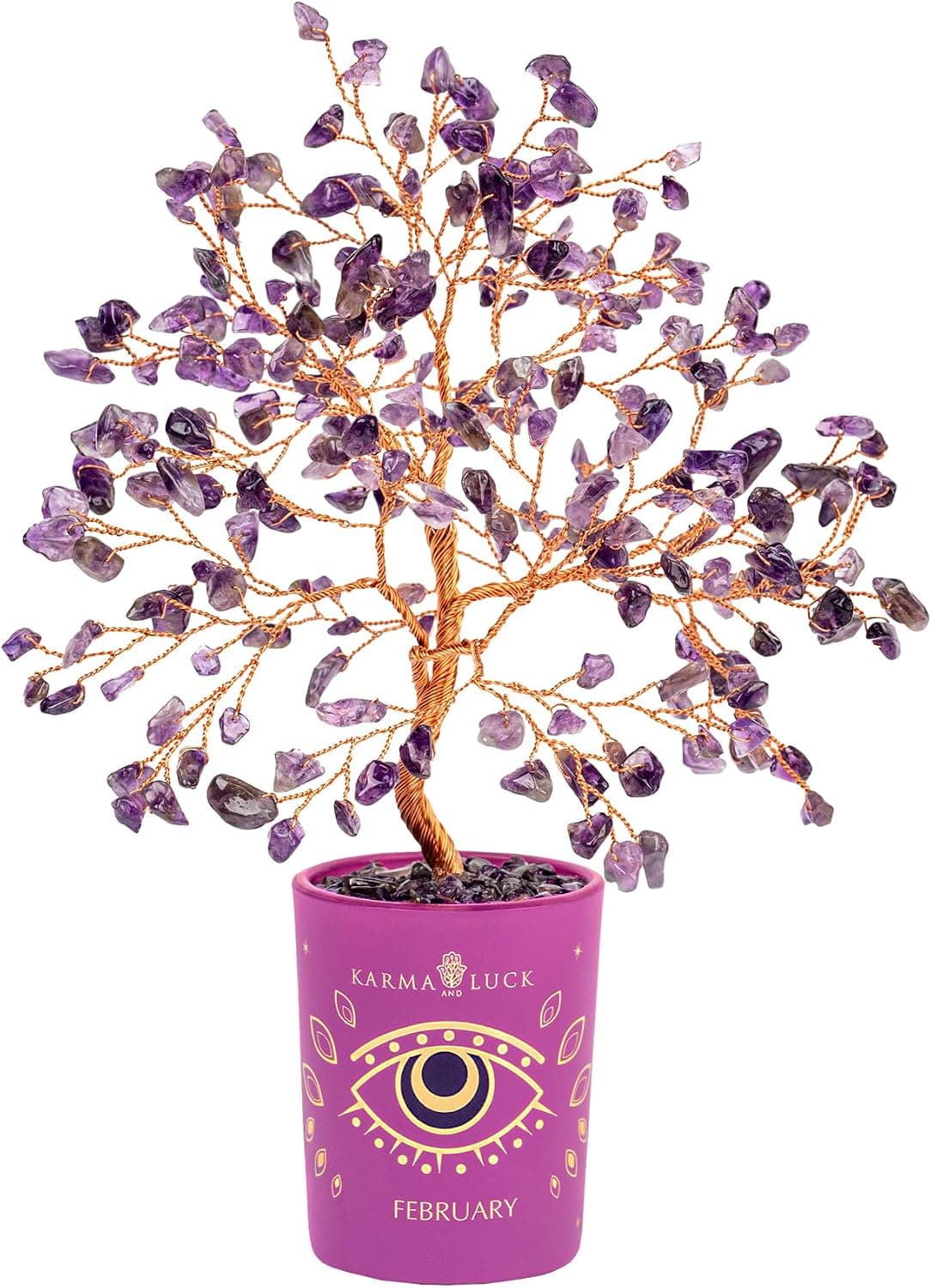
-29%Karma and Luck February Birthstone Crystal Tree of Life, Amethyst Gemstone Fe...
 -50%
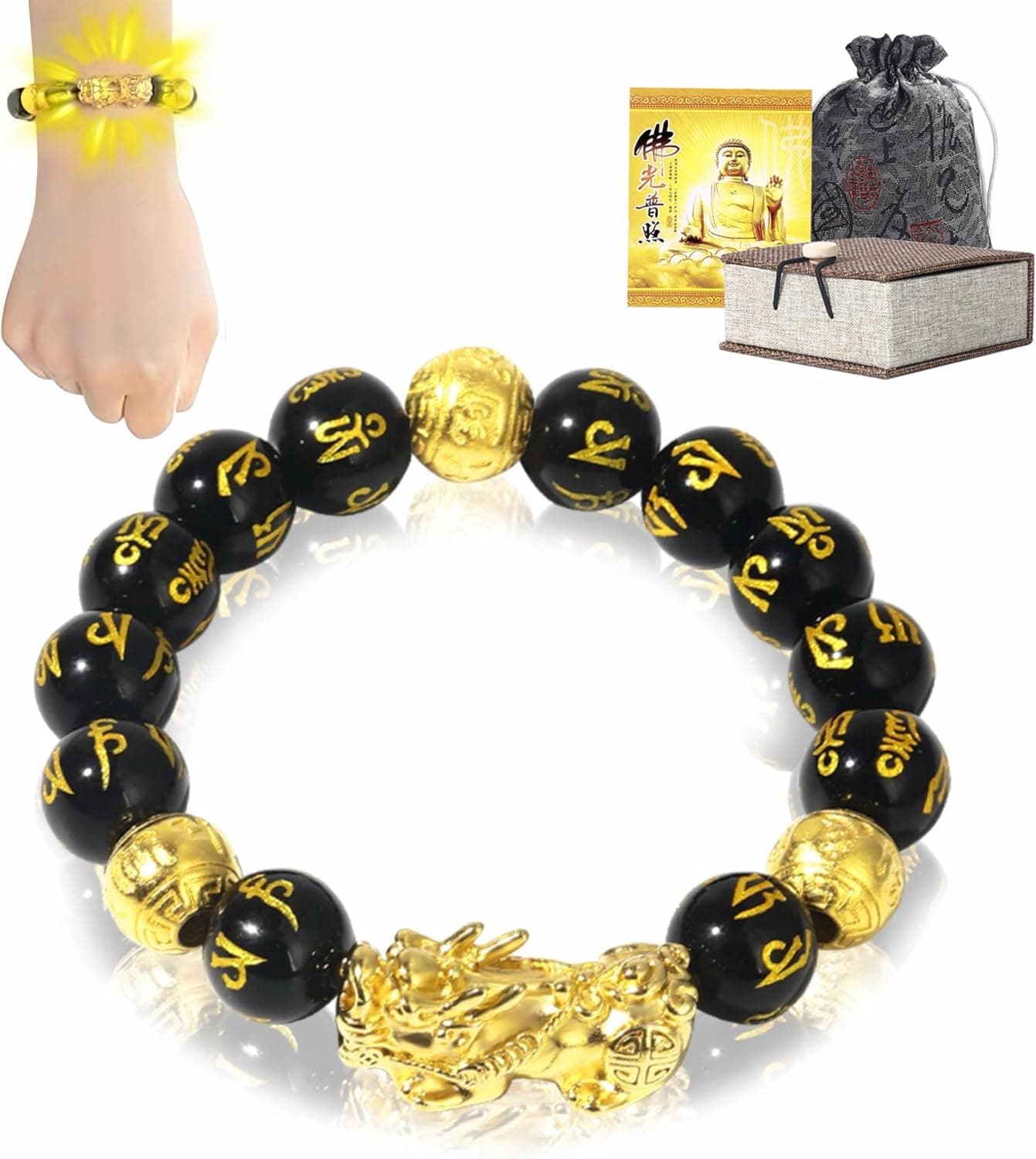
-50%biuufish Feng Shui Black Obsidian Bracelet for Men Women, 24K Gold Plated Pix...
As an Amazon Associate, we earn from qualifying purchases. We only recommend items our practitioners have personally tested.
Continue Your Journey
Explore these related guides to deepen your understanding:

Ready for Deeper Guidance?
Try our free I Ching reading for personalized wisdom, or explore our curated Feng Shui essentials.