Ignore the center of the figure, and you may miss the part that actually moves the outcome.
The reading looks clear until it doesn’t
You cast a hexagram and the outer lines seem to tell one story, but the situation in your life keeps behaving like a different one. The job offer looks good and still feels wrong. The relationship looks stable and still keeps leaking heat. That mismatch is where the core pattern matters.
I’ve seen this with a teacher in Portland who kept getting polished, promising readings about a career change, yet her anxiety spiked every time she looked at the offer letter on her maple desk. The outer message said movement. The hidden center said the timing was crooked, and she needed to stabilize the middle before she could move cleanly.
That hidden center is what many readers call the primary hexagram’s inner engine, and it is often the part people skip because they want a fast answer. Fast answers feel efficient. They also miss the mechanics.
Here is the surprise: the most useful part of a reading is often not the dramatic line or the apparent ending, but the structure that holds the whole pattern together. If that structure is weak, the outcome wobbles. If it is strong, even a difficult reading can be handled with far less chaos.
So when someone asks about the nuclear hexagram, I do not treat it like a mystical bonus layer. I treat it like the heartwood of the tree. The bark can look rough. The sap can look exciting. The core tells you whether the thing can actually stand.
What the nuclear pattern is really showing
The nuclear hexagram is the inner hexagram formed by the middle lines of the primary figure. In practical terms, it reveals the underlying tendency that is already active beneath the surface story. It is not a replacement for the main reading. It is the interior logic.
Think of it as what the situation does when nobody is performing. A person may speak calmly, but the center of the pattern may be restless. A business may look expanded, but its core may be underfed. A home may be beautiful, but the middle of the energy can still be blocked by one stubborn problem no one wants to name.
This is why I use the nuclear layer when the outer reading feels too polished or too contradictory. The outer hexagram can describe the event. The inner one often explains the motive, pressure, or repeating habit underneath it. That is the difference between seeing the weather and seeing the climate.
Some readers confuse it with the changing lines. It is not the same. Changing lines show motion. The nuclear pattern shows the concealed shape that makes the motion make sense. If you want a fuller method, compare it with a careful hexagram reading approach rather than treating it like a trick.
Once you understand that, the reading becomes less theatrical and more honest. That matters. People rarely fail because they lacked a dramatic forecast. They fail because they acted on the wrong layer of the message.
How to use it without overcomplicating the reading
Start with the primary hexagram and write down the plain situation in one sentence. No poetry. No decorating. Then ask: what is the central habit, tension, or pressure that seems to be running this whole matter from the inside? That question is where the nuclear hexagram begins to earn its keep.
Look for repetition in the middle of the figure. Those middle lines often echo how the situation keeps behaving behind your back. If the outer reading suggests progress but the center feels cramped, I would trust the cramped feeling more than the polished surface. Not forever. Just long enough to test it.
One practical way to work is to compare the primary and inner patterns side by side. The outer hexagram may say “advance,” while the inner one says “repair.” That is not a contradiction. That is a sequence. Repair first, advance later.
In real life, this is often obvious once you look at the details. I remember walking into a small apartment kitchen in Oakland with a navy-blue kettle on the stove, a half-unpacked box by the fridge, and a woman who kept asking whether she should accept a new contract. The reading looked promising on the surface, but the core pattern showed fatigue and unfinished obligations. She delayed the contract for three weeks, finished the loose ends, and told me later that the decision felt easy only after the middle of her life stopped cluttering the doorway.
That kind of result is common. People want the answer to be yes or no. The reading often says something more useful: not yet, not there, not in that shape. And that is far better than forcing the wrong door open.
Use the inner layer to test momentum. Use the outer layer to understand events. Use both, and the reading becomes sharper than either one alone.
Where people go wrong
The first mistake is treating the nuclear layer like a secret code that overrides everything else. It does not. It is diagnostic, not authoritarian. If you make it the only thing you trust, you will miss the actual movement of the reading.
The second mistake is rushing past the middle because the outer image already feels familiar. That habit creates lazy interpretations. A lot of bad advice in this field comes from people who read the first obvious meaning and stop there. That is how people end up with a half-true reading and a full-size mistake. If you need a reminder about structural errors, study the common traps in primary hexagram interpretation before leaning too hard on any hidden layer.
There is also a subtle mistake I see around home and timing work: people treat every symbol as immediate action. Not everything wants a cure right away. Some things need observation. Some things need restraint. And a few need the kind of patience that feels almost offensive to modern habits.
That last point surprises people. They assume insight should produce motion on demand. Sometimes the insight is telling you to stop pushing. That is not passive. That is intelligent.
When the inner reading matters most
The nuclear hexagram matters most when the situation is ambiguous, repetitive, or strangely out of sync with appearances. That includes career decisions, family tension, housing issues, and financial choices that look sensible on paper but feel off in the body. If the surface and the feeling disagree, look inward.
It is also useful when you keep getting the same type of answer from different divinations. That pattern usually means the real issue is not the event itself. It is the hidden habit feeding the event. Different day, same knot.
For readers who also track timing, the inner layer can help you decide whether to wait, simplify, or act. For example, a favorable outer hexagram with an exhausted nuclear pattern often means the opportunity is real but the support structure is weak. A difficult outer hexagram with a clean inner pattern can mean the problem is temporary and the foundation is actually sound.
That distinction saves people money. It saves them time. It saves them from talking themselves into a bad move because the surface looked shiny.
And if you follow yearly timing alongside divination, the same principle applies. The energetic background changes, but the center still tells on the situation. That is one reason I keep an eye on broader patterns such as the 2025 zodiac outlook when people ask for context rather than a one-off answer.
How to study it with less noise
Read the primary hexagram first, then the nuclear layer, then your notes. Not your hopes. Your notes. The language of the oracle is already precise enough without adding wishful thinking on top.
Next, ask what the middle of the situation is doing emotionally, materially, and structurally. Emotional center is what people feel but hide. Material center is what money, time, or effort is doing behind the scenes. Structural center is whether the whole thing can actually hold.
If you work this way, you will stop asking the wrong question. The question is not “What does the nuclear hexagram mean?” The better question is “What is the concealed engine of this situation, and does it support the outcome I want?” That is a sharper lens.
In home readings, this same logic helps you notice whether a room’s appearance is lying. A front room can look elegant and still carry agitation because the core circulation is blocked. A bedroom can look calm and still keep sleep thin if the center of the layout is tense. The outer look is not the whole story.
That is why I trust the middle. It catches what the face misses.
FAQ
Is the nuclear hexagram more important than the main hexagram?
Not more important, but sometimes more revealing. The main hexagram tells you the event pattern; the inner one shows what is driving it from below. If those two agree, the reading is straightforward. If they clash, pay attention to the clash.
Can I use it for everyday decisions?
Absolutely, especially for decisions that seem small but keep repeating in your life. A hallway conversation, a contract delay, a room that never feels settled—those are exactly the kinds of situations where the hidden center matters. Small things often expose the largest pattern.
Does the nuclear layer replace line interpretation?
No. Think of it as an additional angle, not a replacement. The line changes show movement; the inner pattern shows the structure that movement is built on. If you skip the lines entirely, you lose the timing.
What if the inner and outer messages feel opposite?
That is often the most useful reading of all. An opposite message usually means the surface is moving in one direction while the deeper system is still in another. When that happens, I slow the advice down and look for the hidden bottleneck before making any big call.
David Liu
Traditionally informed guidance • Cross-referenced with classical Chinese source texts
Rooted in classical Chinese metaphysics and cross-referenced with original texts. Product recommendations are based on traditional symbolism, not guaranteed outcomes.
Practitioner-Selected Tools for This Topic
Items our team has tested and found effective for the principles discussed above. Individual results may vary.
 -29%
-29%Karma and Luck March Birthstone Crystal Tree of Life, Aquamarine Gemstone Fen...
 -29%
-29%Karma and Luck July Birthstone Crystal Tree of Life, Ruby Gemstone Feng Shui ...
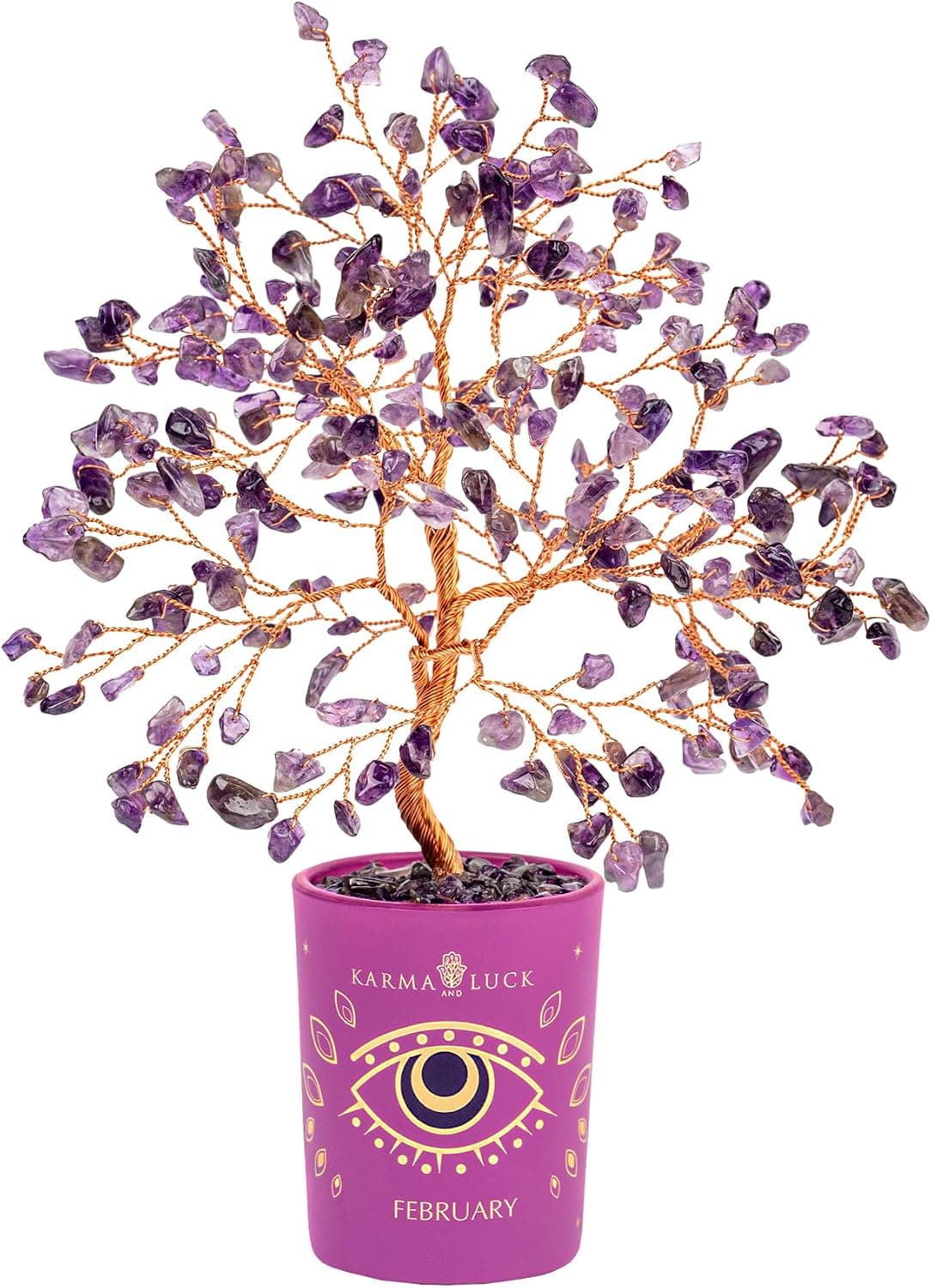 -29%
-29%Karma and Luck February Birthstone Crystal Tree of Life, Amethyst Gemstone Fe...
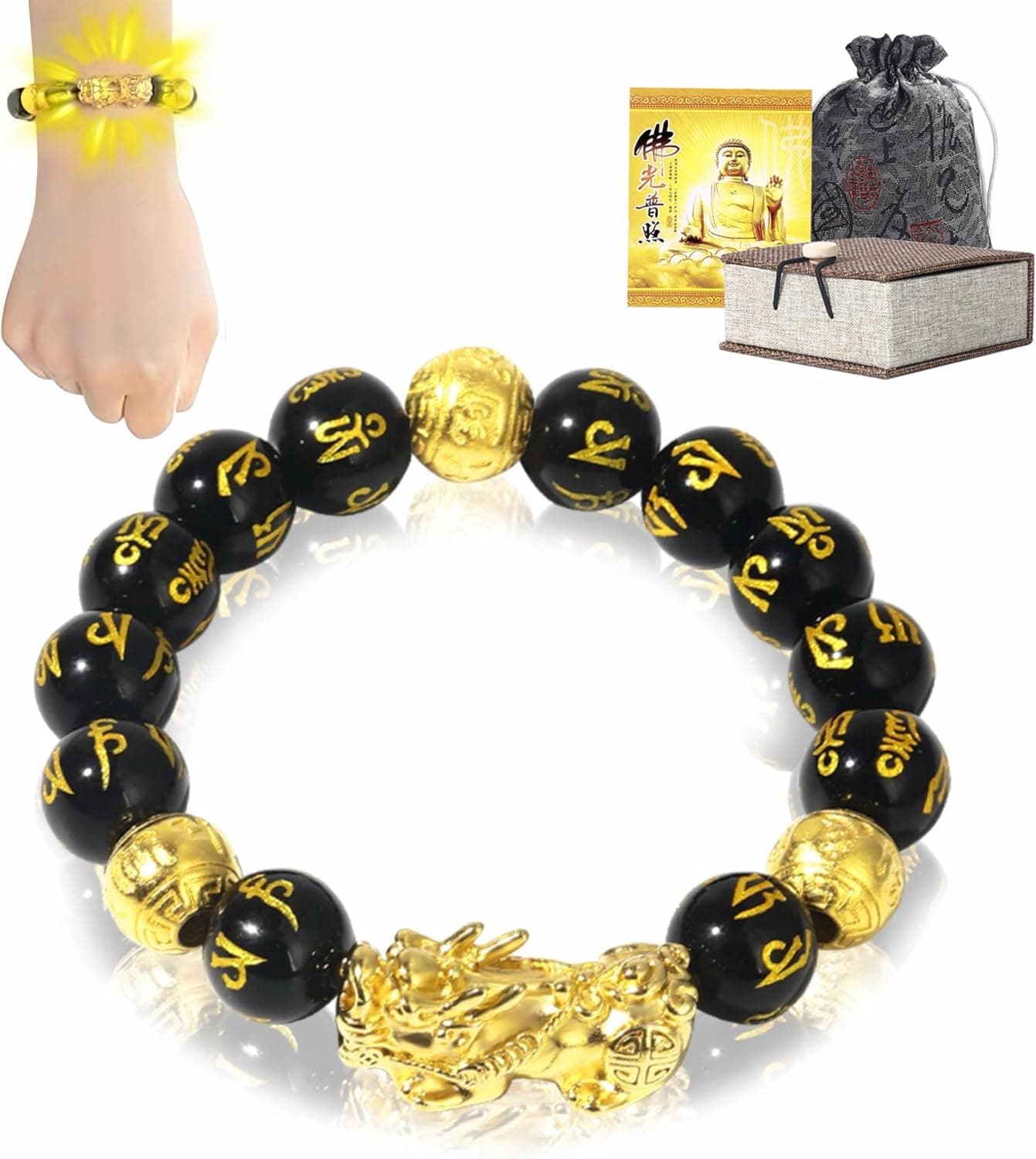 -50%
-50%biuufish Feng Shui Black Obsidian Bracelet for Men Women, 24K Gold Plated Pix...
As an Amazon Associate, we earn from qualifying purchases. We only recommend items our practitioners have personally tested.
Continue Your Journey
Explore these related guides to deepen your understanding:

Ready for Deeper Guidance?
Try our free I Ching reading for personalized wisdom, or explore our curated Feng Shui essentials.