A zodiac clash in 2026 can look loud on paper and fail in the room where your chair, bed, or desk is sitting.
The Hidden Truth About which-clash chinese zodiac-2026
I saw it in a guest room with pale blue walls, a white dresser, and a red lamp shoved into the northeast corner like an afterthought. The owner had followed every compatibility note she could find, yet she was waking at 3:10 a.m., snapping at her partner over nothing, and forgetting bills on the kitchen counter. She kept asking about the clash sign. I kept looking at the room. Wrong room. Wrong hierarchy.
The advice people repeat online usually treats the clash like a label: born under this animal, avoid that one, carry a charm, wait for the year to pass. Not even close. In practice, the first question is positional. Center carries weight. Corners leak. A bedroom with a heavy cabinet at the centerline behaves very differently from the same room with clutter tucked into a far corner. One arrangement pulls attention into the body; the other lets it disperse. That difference matters more than a casual checklist ever will.
Here's the part that bothers people: a person can obey the calendar and still sit in the worst seat in the house. I walked into a dining room last spring where a metal bowl, three charger plates, and a glass vase sat dead center on a round table under a bright pendant. The family thought the arrangement looked elegant. It also turned every conversation sharp. Forks clicked harder. One son stopped eating there altogether. The table center was commanding the room, and the room was obeying.
That is why corner versus center becomes the real story in a clash year. A corner can hold tension like a jar with a tight lid; the center broadcasts it. When people ask me which zodiac is affected in 2026, I ask where the bed sits, where the desk points, and whether the front door opens into a visual funnel or a dead-end pile of shoes. The animal sign matters. The seat matters more.
One client, a nurse in Sacramento, had a charcoal-gray armchair placed exactly in the middle of her home office. She read with her back to the wall, headphones on, and still felt hunted by distraction. We moved the chair two feet toward the east wall, cleared the floor lamp from the center, and put a single green plant beside the window. Her emails stopped taking three passes. Strange? Maybe. Predictable? Absolutely.
And yes, there are deeper layers. The clash year intensifies movement, so your home needs places that settle rather than amplify. If you want the larger map, look at how energy is organized across a home, because the room you ignore often becomes the one that argues back. For annual pressure, the yearly pattern in the 2026 flying stars also matters; the stars do not care whether a person feels lucky. They care where activity lands. Pair that with the house's own structure from the front door and entry flow, and the picture gets less mystical and far more exact.
How the Room Starts Winning the Argument
People love the romance of destiny. The room is less flattering. It exposes habits. A cluttered center creates a standing order for the eye to keep scanning, and that scan turns into fatigue. Put a chair in the middle of a room and the body cannot relax in the same way it can when it has a wall behind it and open space in front. The nervous system notices lines, thresholds, and escape routes before the mind forms a thought. That is why a clash year often feels physical before it feels emotional.
Center placements are not always bad. They become useful when you want authority, focus, or ceremony. A dining table centered under balanced light can steady a household. A living room rug anchored to the middle can make a space feel held together rather than scattered. But a bed centered on the only solid wall in a room with a mirror across from it? Trouble. The body hears that mirror every night. Sleep gets lighter, dreams get louder, and mornings arrive with a headache you cannot explain.
By contrast, corners work like reservoirs. They collect rather than broadcast. A bookshelf in a far corner, a reading chair near a diagonal wall, a ceramic bowl holding keys by the back-left edge of a console table — these placements soften motion instead of increasing it. That is why the old habit of cramming everything into the perimeter sometimes helps; the center remains breathable. Big mistake to assume all empty space is wasted space.
I've seen dozens of bedrooms where the bed was positioned for symmetry and still felt wrong because the dresser crowded the foot of the bed, or the nightstand blocked a natural path. The fix was rarely dramatic. Move the bed a few inches off the exact centerline. Lower the visual noise. Remove one harsh red object. The room stops shouting. You do not need a ritual for that. You need room geometry that does not fight the body.
For readers who want a practical lens, the bedroom rules in bedroom placement habits explain why certain setups make sleep brittle, and the more detailed notes on bedroom colors for rest show how color can either calm the edges or keep them buzzing. A clash year tends to punish overlit centers and overdecorated corners alike. Less drama. More restraint. Much better.
What People Did in 2026 and Why It Backfired
Someone followed all the usual rules and still made things worse. She worked in a small apartment above a bakery, painted her wealth corner gold, bought a red horse figurine for the living room, and slept with a jade pendant under the pillow because an online thread told her 2026 favored strong remedies. Three weeks later, she was exhausted, her partner was irritated, and the bedroom felt like a showroom with no place to land. The problem was not that she did too little. She did too much in the wrong positions.
The center of her living room held a glass coffee table, a candle tray, and a decorative tray stacked with glossy books. Attractive. Also busy. The eye kept circling back to it, and the mind never had a chance to settle. We removed the tray, shifted the coffee table six inches toward the sofa, and moved the horse figurine out of the line of sight. Within days, she said her evenings felt less charged. Not miraculous. Just quieter. That counts.
Another common mistake: people activate corners as if every corner should be enriched. In a clash year, that can overfeed the very areas already under strain. A corner jammed with crystals, a lamp, a plant, and a stack of receipts does not become lucky by crowding it. It becomes sticky. The mail piles up there. The vacuum never quite reaches it. Then the brain starts treating that corner like a permanent burden.
Some readers ask whether the clash falls on the person, the house, or the room. All three can be involved, but the room is the most immediate. A chart may show tension in one area, yet the layout determines how intensely you feel it. The home office where your chair faces a wall at arm's length will press harder than the same chair placed with open sightlines and a stable back support. Small changes. Real consequences.
For people who want to avoid the usual traps, the mistakes around sharp objects and storage are worth studying too; kitchen knife placement can bleed tension into the whole house, especially if the kitchen opens toward the center of the home. The same logic applies to plants in wealth areas: a healthy plant calms a corner, but a dying one turns the spot into a silent complaint. I have watched that play out in homes from Denver to Queens. The furniture was fine. The placement was not.
How to Read the House Before You Read the Zodiac
Start with the center of the main room. Stand there and look around without moving for ten seconds. What do you see first? If the answer is clutter, a hanging light with glare, or a coffee table packed with remotes and mugs, your house is already telling you where the pressure sits. Clear that area and notice whether your shoulders drop. The body usually answers before the mind does.
Then check the corners. Do they hold quiet objects, or are they acting like overflow bins? A corner can support a lamp, a plant, a chair, even a framed photo, but it should not look trapped under layers of forgotten stuff. One corner is enough to remember a birthday card. Three corners full of random items make the room feel unfinished and oddly tense. That tension often gets misread as bad luck.
In bedrooms, the hierarchy is even sharper. The bed should command the room without sitting in the middle of chaos. That means a solid wall behind the headboard, clear access on both sides if possible, and no mirror blasting light at the sleeper. A small bedside table with one lamp often works better than a pair of oversized stands and a pile of books nobody reads. People want drama from cures. Bedrooms respond to restraint.
My advice shifts when a room already has a strong center. A square living room with a grounded rug, a low table, and balanced seating can absorb more activity than a narrow hallway-like space. But if the center is already overloaded, do not add a lucky object and call it done. Remove first. Place second. The room cannot settle while it is still being argued with.
For a wider framework, the bagua mapping method in mapping a home's sectors helps you see which parts of the floor plan are carrying different jobs. For orientation and direction, reading a compass correctly matters more than most casual guides admit. And if you want to understand how element balance changes the feel of a room, five elements theory explains why a room can be “correct” on paper and still feel off in your chest.
One short scene stays with me. A retiree in Portland had a dark green velvet chair exactly in the center of his study, facing the door. He liked feeling in charge. He also could not finish a page without getting up twice. We moved the chair to a diagonal position with the wall behind him, placed a brass desk lamp on the north side, and left the center open. He read for forty minutes without shifting. Funny how authority feels different when the room is not challenging it.
Wrong. The center is not decoration space first. It is pressure space.
When the Clash Hits a Person and the House at the Same Time
A clash year becomes memorable when the person's timing and the home's layout echo one another. A born-in-the-year tension can meet a bedroom that already lacks support, or a kitchen with hard edges and nowhere soft for the eye to rest. Then the irritation feels personal, but the setup has been feeding it for months. People blame fate because furniture seems too ordinary to suspect.
That is where the distinction between center and corner becomes practical. If the year is already stirring movement, do not place your daily life in the most exposed point of the room. Put the desk where the back is protected. Keep the bed away from the foot of a hallway. Leave the center clear enough that the home can breathe. This is not superstition dressed up as design. It is a way of reducing friction before friction becomes behavior.
One teacher I worked with had a tiny office in a converted den. Her desk sat in the center of the room with a tall bookshelf behind her and no real wall to anchor the chair. She kept losing her train of thought during parent meetings. We shifted the desk to the west side, gave her a solid backboard of storage, and moved a blue file box out of the center. Parent meetings got shorter. So did the headaches. Coincidence? Perhaps. I have seen too many similar rooms to believe that explanation first.
For deeper reading on personal timing, starting an I Ching consultation can help when the question is not simply about a year but about a decision. And if the room is stressing the body, color treatment matters too; the notes on calming bedroom color choices show how tone can support sleep without turning the room into a showroom. The point is not to chase every symbol. It is to remove the conditions that keep the symbol alive all day.
Do you need to know your exact clash sign before you act? Not always. The house often gives the first warning. A pile that gathers in the same corner every week, a chair no one wants to sit in, a mirror that makes the entrance feel exposed — those are clues. The zodiac only tells you when to pay attention harder.
Application: Build a Room That Can Absorb a Hard Year
Begin with the room you spend the most time in. That may be the bedroom, or it may be the office if you work from home. Clear the middle first. If there is a rug, make sure it defines the space without swallowing it. If there is a table, let it sit where people can reach it without squeezing past a narrow choke point. You are trying to reduce collisions, not impress a guest with symmetry.
Then choose one corner to soften and leave the rest quiet. A lamp with warm light, a healthy plant, or a single grounded object can work well. Stop there. The mistake people make is turning every edge into a project. A room needs breathing room more than it needs more objects. In a clash year, minimal friction beats decorative enthusiasm.
If the bedroom is the problem, treat the centerline seriously. Move the bed so the foot does not point directly through a strong opening if you can avoid it. Keep the nightstands low and useful. Remove the red throw pillow that looks lively but keeps the room alert. A reader once told me her sleep changed after she swapped a mirrored bedside tray for a matte ceramic one. She had not expected such a small object to matter. It did.
The deeper lesson is that the room's center should support gathering, not agitation. Sometimes that means a living room with a clear rug and a stable coffee table. Sometimes it means a study with a reading lamp off to one side and a clean central path from door to chair. Sometimes it means leaving a corner empty because the empty spot is doing a job. That emptiness can feel suspicious to people who equate fullness with care. It isn't.
For money-specific spaces, the wealth area deserves a separate strategy; wealth corner placement works best when the spot is clean, legible, and not competing with daily traffic. If you want something physical to reinforce that order, the book at this feng shui resource can help you think through remedies without turning the house into a museum. Start with one room. Then stop. Watch what changes.
Big mistake: trying to cure a house with symbolism while ignoring traffic flow.
Another short one. The room knows.
What to Notice Next Time the Calendar Warns You
When a clash year approaches, do not ask only which sign is affected. Ask where your center is anchored and what your corners are storing. That shift in question changes everything. It turns astrology from a distant warning into a layout check you can actually use. The useful answer is usually sitting near the sofa, under the lamp, or in the path between door and bed.
I have watched people calm a difficult year by moving one chair, clearing one table, and letting one corner stay quiet. No incense cloud. No dramatic cleanse. Just a room that stops pushing back. The surprising part is how quickly the body notices. The shoulders soften. The phone stays on the table instead of in your hand. Dinner lasts longer. Conversation changes tone.
So if you find yourself reading another clash forecast and feeling more worried than informed, pause and look around instead. Where does your eye land first? Where does it keep returning? Which spot in the room seems to collect noise, and which one gives you a brief, honest exhale? Those answers tell you more than a panic-filled calendar ever will.
And in 2026, that may be the real question: not which animal is clashing, but which part of your home is already arguing with you before the year even begins?
FAQ
Is conventional which-clash chinese zodiac-2026 advice reliable?
Often, no. A sign-by-sign warning can point to timing, but it misses the room conditions that make the tension louder or softer. I've seen people with the same birth sign have completely different experiences because one had a clear center and the other had a cluttered one.
Do corners or centers matter more?
Centers usually matter more when the room is active, because they broadcast what they hold. Corners matter when they start collecting clutter, mirrors, or heavy objects that never get looked at again. Think of the center as the room's voice and the corners as its storage of unresolved things.
Can I still use cures if my room is badly arranged?
Yes, but start with placement before symbolism. A charm on a desk that is facing a wall and buried under paper will not do much. Shift the furniture first, then add one remedy if the room actually has room for it.
What if I don't know my exact zodiac clash?
Then watch the house. The body gives clues fast: broken sleep, a chair no one wants, a corner that keeps collecting mess. That feedback is often more immediate than the calendar, and far easier to act on.
David Liu
Traditionally informed guidance • Cross-referenced with classical Chinese source texts
Rooted in classical Chinese metaphysics and cross-referenced with original texts. Product recommendations are based on traditional symbolism, not guaranteed outcomes.
Practitioner-Selected Tools for This Topic
Items our team has tested and found effective for the principles discussed above. Individual results may vary.
 -29%
-29%Karma and Luck March Birthstone Crystal Tree of Life, Aquamarine Gemstone Fen...
 -29%
-29%Karma and Luck July Birthstone Crystal Tree of Life, Ruby Gemstone Feng Shui ...
 -29%
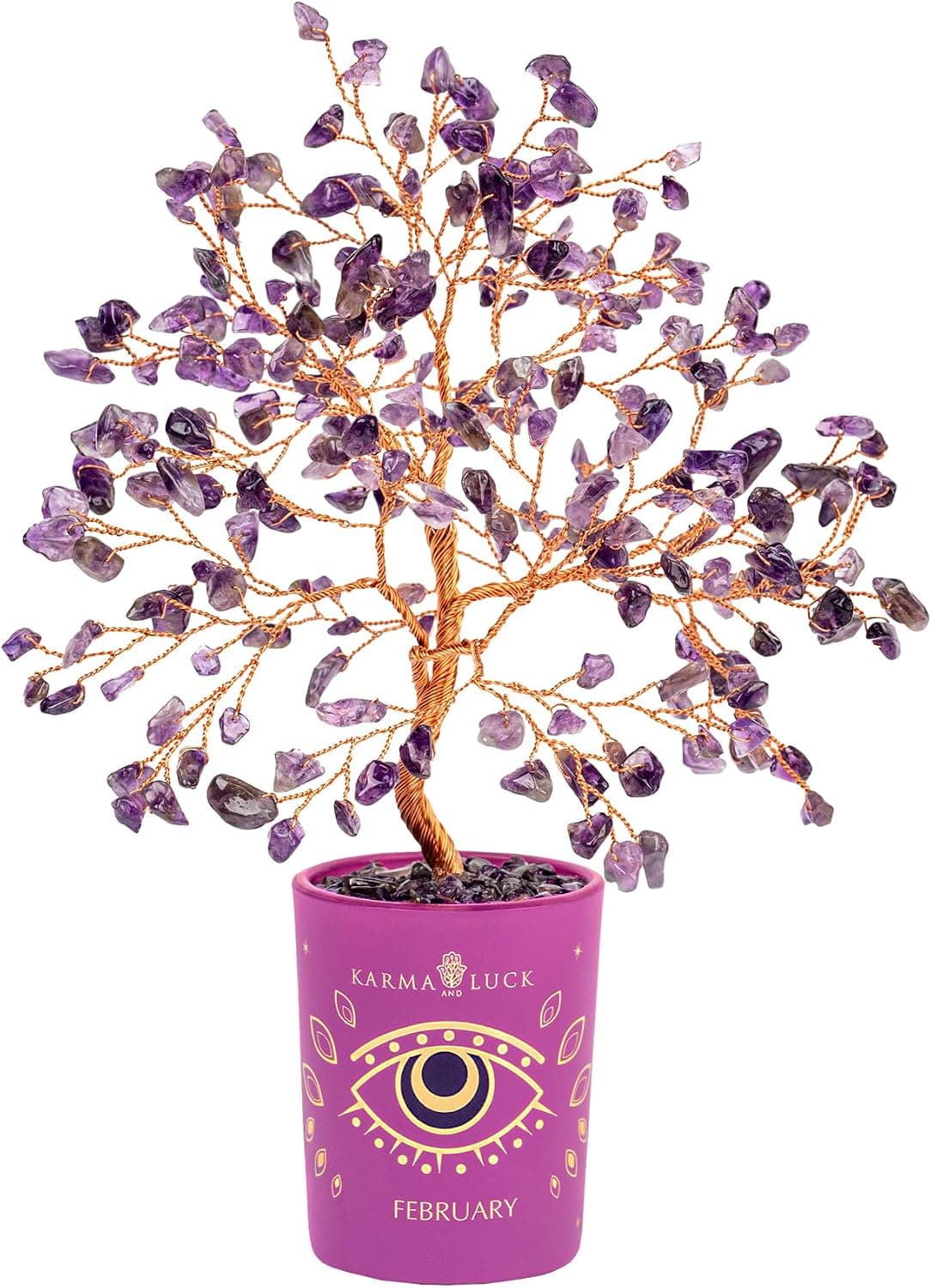
-29%Karma and Luck February Birthstone Crystal Tree of Life, Amethyst Gemstone Fe...
 -50%
-50%biuufish Feng Shui Black Obsidian Bracelet for Men Women, 24K Gold Plated Pix...
As an Amazon Associate, we earn from qualifying purchases. We only recommend items our practitioners have personally tested.
Continue Your Journey
Explore these related guides to deepen your understanding:

Ready for Deeper Guidance?
Try our free I Ching reading for personalized wisdom, or explore our curated Feng Shui essentials.