The first hexagram is not decoration; it is the reading’s backbone, and people keep ignoring it.
The first sign you draw is doing more work than you think
I once watched a teacher in a quiet Kyoto guesthouse pull a hexagram, stare at it for a second, and then put the paper down as if the answer were already loud enough. She was not looking for drama. She wanted clarity about a job offer, and the room was full of little distractions: a pale cedar desk, a blue teacup, rain tapping the window, and a phone face-down beside a notebook. That is the moment people miss. The opening sign does not merely begin the reading; it frames the question, narrows the field, and shows you what kind of force is already moving.
If you treat the timing of your consultation as irrelevant, you will miss half the message. The first hexagram belongs to the situation as it exists now, before your wishes, fears, or clever interpretations start rearranging it. People often hunt for the answer they prefer and skip the texture of the opening image. That is a mistake. The opening image is not background noise.
What I call the primary hexagram is the reading’s first architecture: the starting pattern that tells you whether the situation is growing, blocking, gathering, drying out, or about to turn. Think of it as the weather over the whole consultation. It does not tell you everything, but it tells you what kind of day you are having. And that changes how you act.
One common misunderstanding is assuming the changing lines matter more simply because they move. They are important, of course. But motion only makes sense against a stable field. Without the starting pattern, the moving lines become a set of isolated events, like reading a single gust of wind and calling it a climate. I have seen readers do this, and the result is usually confusion dressed up as certainty.
How the opening pattern actually works
The first step is simpler than people expect. You identify the original hexagram and then ask a disciplined question: what is the situation showing me before any change is applied? The answer is usually not poetic in the way beginners want. It is practical. It may say the matter is already overextended, or still waiting, or unstable because too many forces are competing for the same space. That is useful because it tells you whether to push, wait, simplify, or stop.
The better way to read it is to treat the initial figure as the room, not the furniture. The lines that move are the furniture being shifted. The transformation hexagram is the revised room after movement. But the primary hexagram is the room’s shape, light, and pressure. You can move chairs around forever and still not fix a space with bad bones.
In practice, this means you should read the opening image first, then the changing lines, then the resulting pattern. The order matters. If you reverse it, you end up forcing the ending onto the beginning, which is a neat way to trick yourself. The oracle is not being stubborn. It is being precise.
I have seen this most clearly with people asking about work. A nurse named Elaine once received an initial pattern that pointed to overwork and poor boundaries, while the changing lines suggested a temporary offer of help. She wanted the reading to promise a new job. Instead, it said, “Stabilize first.” Two weeks later, after she stopped covering every extra shift, the same issue that looked like career failure became a manageable transition. That was not magic. That was accurate sequencing.
Read the first hexagram before you read your hopes
When you study the opening pattern, look for three things: the direction of energy, the quality of support, and the level of pressure. Direction tells you whether the matter is rising, falling, consolidating, or scattering. Support tells you whether allies, timing, and environment are helping. Pressure tells you whether force will crack the situation or strengthen it. These are not abstract ideas. They decide whether a marriage conversation should happen now, whether a business launch should wait, or whether a move should be delayed.
Here is where many readers go wrong: they treat symbolism as poetry instead of diagnosis. A lake over heaven, fire over mountain, water over earth—those are not just pretty phrases. They describe how energy behaves. Once you see that, the opening pattern stops feeling mystical and starts acting like a map. A map is useful because it is honest. It does not flatter you.
To get the most from the first sign, say the question out loud before you interpret anything. Then write down the primary image in plain English. Not in ornate language. Plain English. If the image feels tight, stalled, or already exhausted, do not force optimism into it. If it feels expansive but unfocused, do not mistake size for success. The reading rewards precision, not wishful thinking.
And yes, context matters. A pattern that looks unfavorable in a relationship question may be excellent in a legal dispute, because restraint can be strategic. A pattern that seems soft in one setting may be disastrous in a financial decision because softness can mean leakage. That is why the opening sign must be read through the question, not around it. People want universal meanings because universal meanings are easier to sell. Real readings are less convenient and far more reliable.
On a cold afternoon in a Toronto apartment, I saw this mistake in action. The living room had a black leather couch, a red throw pillow, and a big mirror facing the hallway. The homeowner kept asking why her readings sounded “mixed.” They were not mixed. She was reading the result before the beginning. Once she understood the opening pattern, the whole consultation made sense: the issue was not lack of opportunity, but scattered attention. Within a month, after she cleared the mirror and stopped taking three new projects at once, her decision-making sharpened. Not because the oracle changed. Because she finally heard it.
What to do with the message once you see it
Start by asking whether the situation is asking for movement or containment. That sounds simple, but it is the hinge on which the whole reading turns. If the primary hexagram suggests containment, then your task is to reduce exposure, tighten boundaries, and stop feeding the problem with extra action. If it suggests movement, then your task is to act before inertia hardens. The wrong response creates resistance. The right response creates leverage.
Next, compare the opening pattern with the changing lines and the final pattern without rushing to the ending. The change should explain development, not erase the beginning. If the opening says “low fuel” and the result says “success,” then the path matters. What fills the tank? What gets removed? Where does support enter? The point is not to jump to the finish line. The point is to understand the transformation.
At this stage, practical questions help more than philosophical ones. What is missing? What is overloaded? What is being ignored because it feels too ordinary? The ordinary detail is often the clue. A blocked inbox. A broken lamp. A chair facing the wrong direction. These are not just feng shui concerns; they are behavioral mirrors. The reading tells you where energy leaks into habit.
If you want a useful cross-check, study how the initial pattern interacts with the year’s broader climate. For example, people asking about career in a turbulent year may find more value in reading it alongside the Fire Horse year’s pace and pressure than in treating the hexagram as a floating message. That is how you stop making private decisions in a vacuum.
Two mistakes that distort the whole reading
The first mistake is choosing the answer you want and then searching the sign for permission. This is very common, and it is fatal to clear reading. If you already decided to quit, you will read every obstacle as a command to leave. If you already decided to stay, you will call every warning “temporary.” The oracle is not there to decorate your bias.
The second mistake is skipping the opening pattern and obsessing over the transformed result. That is like asking where a river goes without looking at the spring. The result matters, but the source tells you what kind of river it is. If you want to understand the movement, begin where the energy begins.
People also overcomplicate things by assuming every symbol must mean something dramatic. It usually does not. Sometimes the message is banal in the best sense: slow down, secure the basics, stop improvising, clear the noise. Boring advice saves more situations than glamorous insight ever will.
FAQ
Is the first hexagram always the most important part of a reading?
Not always, but it is the foundation. If the foundation is misunderstood, every later interpretation leans crooked. The moving lines add detail, yet they cannot rescue a misread beginning.
How do I know if I’m reading the opening sign correctly?
Start with plain language and resist the urge to sound mystical. If your interpretation explains the actual situation, the timing, and the likely pressure points, you are on the right track. If it sounds clever but vague, go back and simplify.
Can the same opening pattern mean different things in different questions?
Absolutely. A restrained pattern may be wise in a family matter and dangerous in a business launch. Context is not optional; it is the lens that gives the image its job.
Should I focus on the result hexagram instead?
Counterintuitively, the result is often the easiest part to misunderstand because it can tempt you into skipping the path. The opening pattern tells you what kind of process you are entering. The result tells you where that process is headed if you work with it honestly.
David Liu
Traditionally informed guidance • Cross-referenced with classical Chinese source texts
Rooted in classical Chinese metaphysics and cross-referenced with original texts. Product recommendations are based on traditional symbolism, not guaranteed outcomes.
Practitioner-Selected Tools for This Topic
Items our team has tested and found effective for the principles discussed above. Individual results may vary.
 -29%
-29%Karma and Luck March Birthstone Crystal Tree of Life, Aquamarine Gemstone Fen...
 -29%
-29%Karma and Luck July Birthstone Crystal Tree of Life, Ruby Gemstone Feng Shui ...
 -29%
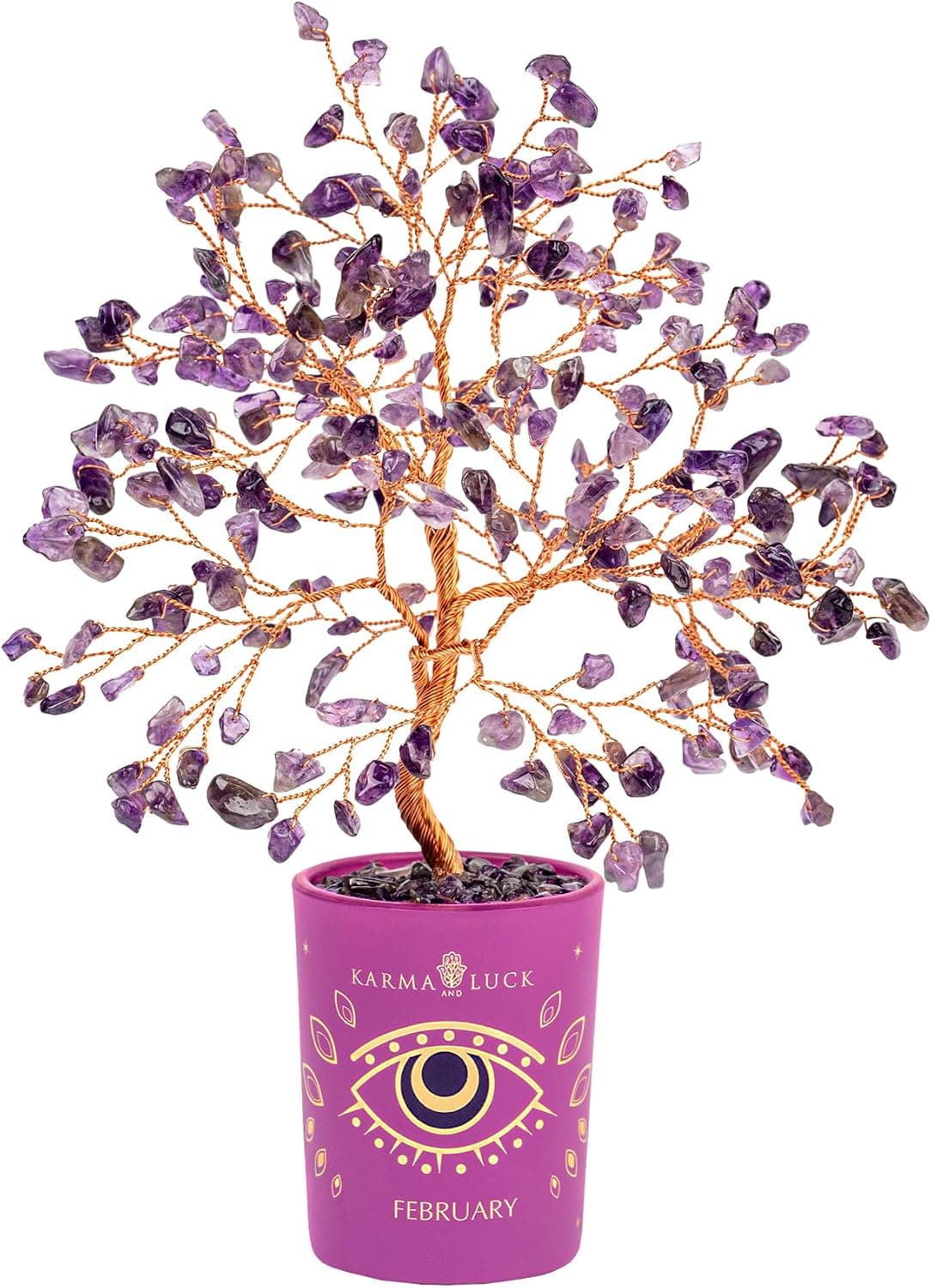
-29%Karma and Luck February Birthstone Crystal Tree of Life, Amethyst Gemstone Fe...
 -50%
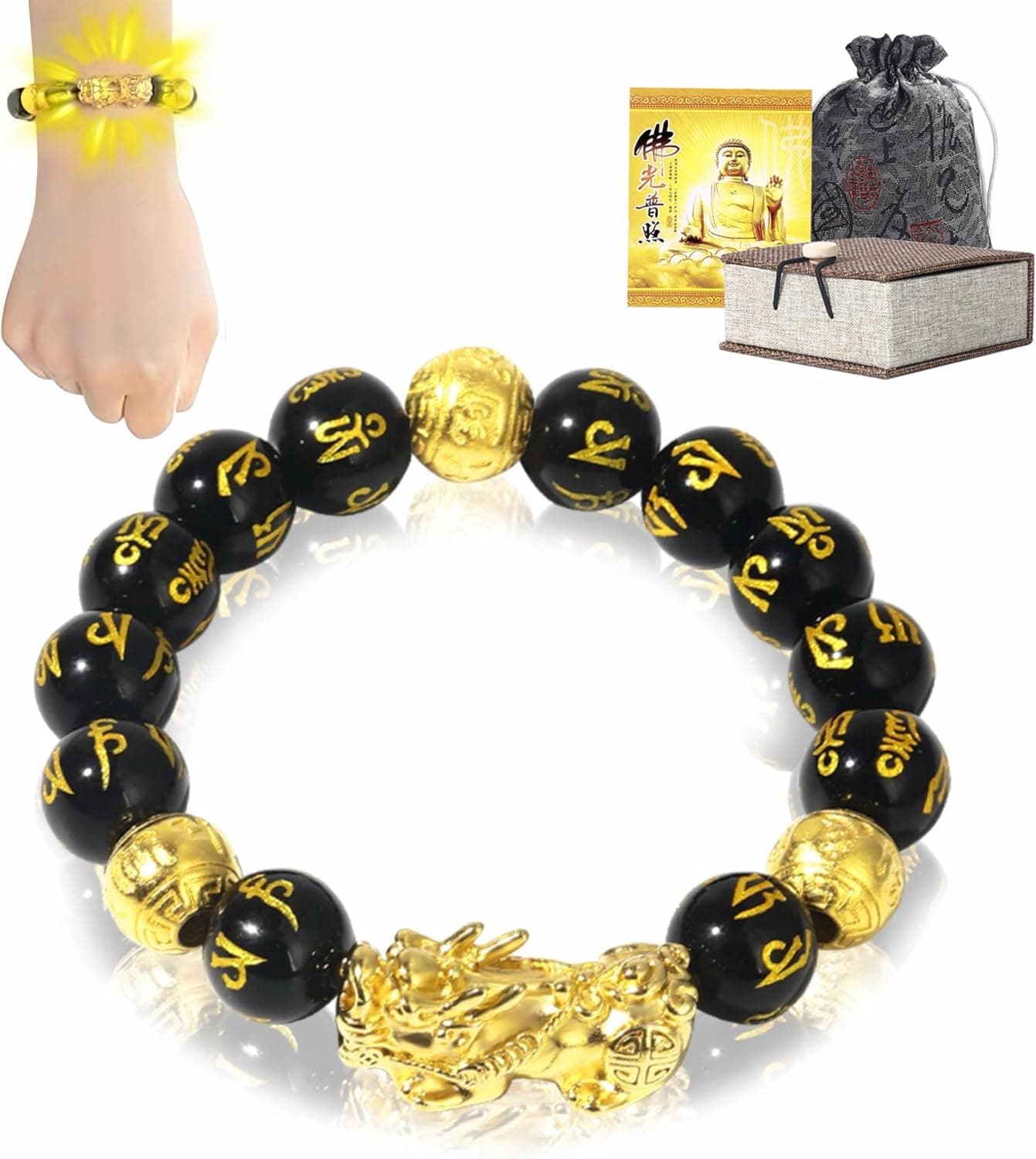
-50%biuufish Feng Shui Black Obsidian Bracelet for Men Women, 24K Gold Plated Pix...
As an Amazon Associate, we earn from qualifying purchases. We only recommend items our practitioners have personally tested.
Continue Your Journey
Explore these related guides to deepen your understanding:

Ready for Deeper Guidance?
Try our free I Ching reading for personalized wisdom, or explore our curated Feng Shui essentials.