Conventional wisdom on fire horse year 2026 meaning often misses the mark. After years of hands-on practice, a different pattern emerges.
I’ll draft the article directly in the required JSON shape, keeping the mechanism-driven angle and the link rules intact. Then I’ll sanity-check title structure, keyword count, paragraph rhythm, and the mandatory FAQ/schema fields.{"title":"How the Three-Foot Rule Changes Fire Horse Year 2026","excerpt":"Three feet from the door can decide whether the year feels charged, restless, or strangely productive.","content":"
The Real Story Behind fire-horse-year-2026-meaning
What's widely believed about fire-horse-year-2026-meaning isn't the whole picture. People keep talking about bold luck, sudden motion, and a year that refuses to sit still, yet they miss the first place that tension lands: the strip of space right inside the main entrance. That band of floor, about three feet deep, acts like a pressure valve. Leave it crowded, and the incoming qi hits furniture, shoes, and a pile of mail before it can spread. Keep it open, and the same incoming force becomes usable instead of noisy.
I watched that happen in a narrow townhouse in Portland last spring. The front hall was painted a soft clay red, which should have felt welcoming, but the owner had parked a console table, two dog leashes, a ceramic umbrella stand, and a basket of unopened packages within arm's reach of the door. She had done everything she thought the year required: red accents, a horse print, a brass bowl near the entry. Still, sleep got lighter, arguments started over nothing, and she kept forgetting errands. Not because the remedies were wrong. Because the doorway was overloaded.
The mechanism is simple once you stop romanticizing it. Fire years do not reward cluttered thresholds because fire moves fast, and fast energy needs a clean path to distribute itself. When the first thing it meets is a bottleneck, it rebounds into the nearest room, usually the living room or hallway, where it turns into agitation instead of momentum. That's why <a href="/blog/living room feng shui">the center rules the room matters here too: if the entrance floods the home unevenly, the middle of the house ends up carrying the burden.
Common advice tells people to add more fire. Big mistake. A brighter lamp, more red, another horse symbol, a louder front mat — that can all make the space feel hotter without making it smarter. In a year ruled by speed, the useful move is not amplification. It is channeling. The three-foot rule does that job.
The pattern shows up in plain behavior. Leave shoes lined up under the coat rack and people hesitate at the door, drop keys twice, and start conversations already irritated. Clear that same zone, and they step in, look around, and breathe before speaking. That pause is not mystical fluff. It changes the body first, then the mood, then the choices that follow.
One detail most readers miss: the three-foot strip is not about the whole foyer. It is about the first contact zone where outside momentum meets the home's internal rhythm. If the threshold is cramped, the year feels pushy. If it is open, the year feels directed. That distinction is the difference between a room full of motion and a home that can actually use it.
Step One: Clear the Impact Zone
Start at the door, then count inward roughly three feet. That small zone should feel almost boring. A rug is fine. A simple mat is fine. A slender shoe cabinet might work if it does not force the door to swing around it. What does not work is a stack of umbrellas, a decorative bench with bags hanging off it, or anything that makes the entry feel like it has to dodge its way inside.
Why so exact? Because the first seconds after the door opens set the tone for the whole house. Incoming qi does not arrive as a speech. It arrives as a surge. If it meets a clean path, it spreads. If it meets obstacles, it ricochets. That ricochet is what people experience as restlessness after coming home, especially in a fire-heavy year.
I saw this clearly in an apartment foyer with charcoal tile and a white front door. The resident had placed a tall mirror directly opposite the entrance, then added a red ceramic horse on a pedestal beside it. The mirror bounced the view back out, the horse pushed the symbolism harder, and the hallway felt like a corridor in a train station. Moving the mirror to a side wall and shifting the horse deeper into the apartment changed the whole atmosphere within two days. The place got quieter. The kitchen stopped feeling like a command center.
That is the rule in practice: reduce collisions before you add cures. If you need a deeper framework for mapping the entry, use the <a href="/blog/map guide bagua">home energy map method before decorating, because the front door is never just a doorway. It is the intake valve.
Step Two: Let the Energy Slow Down Before It Turns
Once the threshold is clear, the next job is to give the incoming movement somewhere to settle. Fire Horse energy dislikes dead stops, but it also hates whipping straight through the home. A narrow bench placed just beyond the three-foot zone can work if it does not block circulation. So can a plant with upright growth, or a lamp that softens the edge of the hallway without blasting the whole entry with glare.
What matters is the turn, not the decoration. The year's momentum needs a bend so it can become useful inside the home. Think of water changing course around a stone. It keeps moving, but it stops acting like a blade. The same thing happens with qi when the entry gives it a place to decelerate before it spreads into bedrooms and work areas.
That is where people make an avoidable error. They want a grand gesture. They buy a giant red print, hang bells on the door, or place a roaring animal figurine near the shoe rack. Those choices can overload the first impression. The better move is quieter: create a brief pause. In a narrow hallway, even a small patch of open flooring can do more than expensive objects, because the body reads space before it reads symbolism.
If the house has a direct line from front door to back wall, the effect is stronger. Energy moves too fast, and the resident feels it as urgency that never resolves. A slim screen, a curved plant stand, or even a shift in the rug's angle can interrupt that speed without making the home feel trapped. <a href="/blog/bedroom guide feng shui">Bedroom planning works better after that, because sleep cannot settle in a house that still behaves like a race track.
Step Three: Match the Entrance to the Person, Not the Trend
Here is where conventional advice really starts to wobble. People hear a fire year and assume every house should look more dramatic. Not even close. A family with young children, a work-from-home consultant, and a retired nurse will not need the same entry behavior. The threshold has to support the life moving through it, because the entry is a filter, not a slogan.
For someone who already feels overstimulated, the fix may be almost invisible: warmer light, a plain mat, fewer objects, and no sharp visual breaks right at the door. For someone who is sluggish and stuck, the same entrance may need a bit more definition, perhaps a brighter bulb and a cleaner sightline so the house does not feel muffled. The point is matching the mechanism to the problem. Add motion where there is stagnation. Remove friction where there is excess.
This is also why some people follow the year's symbolism and still feel worse. They hear that fire governs visibility, then make everything louder. But if the home already runs hot, more warmth turns into short temper, scattered attention, and that odd feeling of being busy without getting anywhere. The cue to watch is not the calendar. It is the body. Tight shoulders at the door. Fast speech in the hallway. A sense that the house is urging you rather than receiving you.
If you want a second layer of structure, compare the doorway against the rest of the home's elements. A home heavy on metal surfaces and cool tones may need a different entry adjustment than one filled with wood and plants. That is where <a href="/blog/theory why your still five elements feels off even when you did everyt feng shui">Five Elements Theory explains the mismatch better than any lucky charm ever could, because the year's force only becomes workable when the whole system is coherent.
And yes, some people will insist the symbol matters more than the layout. Then why do the same households keep reporting the same problems after buying the same cures? The answer is usually sitting within three feet of the door, where no one wants to look because the fix feels too ordinary.
Step Four: Watch for the Backflow
Once the entry is corrected, the house reveals whether the adjustment held. Backflow looks subtle at first. People keep forgetting to close the door fully. Packages accumulate by the threshold. Shoes migrate outward. Conversations begin in the doorway and die there. Those are all signs that momentum is still getting caught before it can distribute through the rooms.
One of my clients, a chef named Lena, had this exact problem in a ground-floor condo with a black front door and a long runner in faded rust. She had carefully placed a red tassel charm on the knob and a horse image near the entry table. Yet every evening she came home annoyed, left her apron on the back of a chair, and woke before dawn with her jaw tight. The issue was not the charm. It was the pile of delivery boxes wedged into the left side of the doorway, exactly where the incoming current should have widened. We cleared that corner, moved the recycling bin, and replaced the heavy runner with a flatter weave. Within a week the apartment felt less like a launch pad and more like a place she could actually land in.
That kind of change can feel almost rude in its simplicity. People want complexity because complexity feels worthy of attention. The threshold does not care. It responds to obstruction, angle, and distance. Three feet is enough to make the difference between a home that absorbs the year and a home that is constantly bracing for it.
For those looking at wealth concerns specifically, the entry still comes first. A blocked doorway can sabotage the money corner because the house never receives momentum cleanly enough to circulate it. If that is where the symptoms show up, read <a href="/blog/money corner mistakes feng shui">money corner mistakes that quietly undo the setup after you fix the threshold, not before.
And no, the cure is not to fill the hall with more red. Red belongs where it can be held, not where it can shove. In a fire-forward year, restraint at the door often does more than enthusiasm in the room behind it.
Step Five: Adjust for the Main Entrance Itself
Some doors need stronger corrections than others. A front door that opens straight into a staircase creates a different problem from one that opens into a narrow vestibule or a long corridor. A glass door with glaring afternoon sun behaves differently from a matte-painted door that sits in shadow until evening. The three-foot rule still applies, but the materials around it change the outcome.
Glass, for example, can make the entry feel exposed. In a fire year, that exposure can be useful if the house is flat and stale. It can be exhausting if the household already lacks boundaries. A solid console or a textured mat can help give the eye a place to land so the entrance does not feel like a draft tunnel. On the other hand, if the foyer is too closed in, a mirror placed sideways rather than opposite the door can widen the feel without creating a bounce-back effect.
That is why compass readings, bagua overlays, and annual advice should never be used like one-size-fits-all stickers. They are measurements, not commands. The front entrance interprets them through architecture, use, and traffic pattern. A home where ten people rush through the door every day needs a different response than a quiet apartment occupied by one person and a cat.
If you want to go deeper on the directional side of the work, study the <a href="/blog/compass feng shui">way a compass reading changes the picture, because placement without orientation is guesswork. The same entry can support calm or chaos depending on where its force is directed.
How the Year Actually Lands in Daily Life
Once the entrance behaves, the rest of the year changes shape. That sounds dramatic, but the daily evidence is plain. You stop dumping keys in the first spot available. You pause before speaking after work. Guests enter and lower their voice without being told. The home begins to receive people instead of startling them.
There is a reason this matters more in a fire-horse year than in a quieter one. Fire seeks expression, and horse energy seeks movement. Together they create speed. Speed can be brilliant when there is a track. It can also be exhausting when there is nowhere to go. The three-foot zone is the track's first section. Miss that, and every other adjustment has to work harder.
That is also why so many people swear they followed all the rules and still got burned out. They arranged symbols. They bought objects. They forgot the intake. The home looked prepared, but the mechanism was still jamming at the door. Once that point clears, the rest starts to make sense.
If you are checking the bedroom after the entry is fixed, use <a href="/blog/bedroom rules feng shui">bedroom rules that affect both sleep and relationships as the next pass, because sleep always tells the truth first. A threshold that works should eventually be visible in the bedroom, the kitchen, and the way people speak to each other after dark.
So no, the real issue is not whether the year is lucky or unlucky. The better question is whether the house can receive movement without choking on it. Stand at the door tonight. Look down. Three feet is not much. Why does it change so much?
FAQ
Is conventional fire-horse-year-2026-meaning advice reliable? Often not, because most of it skips the mechanism and jumps straight to symbolism. A red object can look correct and still fail if the doorway is cramped or the first movement inside the house keeps rebounding off furniture. The advice becomes useful only after you ask where the energy enters and where it gets stuck.
How do I know the entry is too crowded? Watch the first ten seconds after you open the front door. If you have to sidestep shoes, dodge packages, or squeeze past a table edge, the zone is already working against you. People usually feel the problem before they can name it: shortened patience, rushed breathing, and the urge to drop everything at the threshold.
Can I keep a shoe cabinet near the door? Sure, but size and placement matter more than style. A slim cabinet off to one side behaves differently from a deep unit that narrows the walkway and forces the door to compete with the furniture. If it changes how your body moves through the entry, it is too much.
What if my front door opens straight into the living room? Then the three-foot rule matters even more, because there is no buffer to soften the first impact. Use a rug, lighting, or a low piece of furniture to create a gentle pause without blocking flow. The home should feel like it receives guests, not like it is trying to absorb a collision.
","meta_title":"Three-Foot Rule in Fire Horse Year 2026 | IChingWisdom","meta_description":"Fire-horse-year-2026-meaning changes at the front door. See why the three-foot entry rule matters more than extra fire cures.","keywords":["fire-horse-year-2026-meaning","fire horse year 2026","feng shui front door","three-foot rule","entryway energy"],"schema_json":{"faq":[{"question":"Is conventional fire-horse-year-2026-meaning advice reliable?","answer":"Often not, because most of it skips the mechanism and jumps straight to symbolism. A red object can look correct and still fail if the doorway is cramped or the first movement inside the house keeps rebounding off furniture. The advice becomes useful only after you ask where the energy enters and where it gets stuck."},{"question":"How do I know the entry is too crowded?","answer":"Watch the first ten seconds after you open the front door. If you have to sidestep shoes, dodge packages, or squeeze past a table edge, the zone is already working against you. People usually feel the problem before they can name it: shortened patience, rushed breathing, and the urge to drop everything at the threshold."},{"question":"Can I keep a shoe cabinet near the door?","answer":"Sure, but size and placement matter more than style. A slim cabinet off to one side behaves differently from a deep unit that narrows the walkway and forces the door to compete with the furniture. If it changes how your body moves through the entry, it is too much."},{"question":"What if my front door opens straight into the living room?","answer":"Then the three-foot rule matters even more, because there is no buffer to soften the first impact. Use a rug, lighting, or a low piece of furniture to create a gentle pause without blocking flow. The home should feel like it receives guests, not like it is trying to absorb a collision."}],"amazon_products":[]}David Liu
Traditionally informed guidance • Cross-referenced with classical Chinese source texts
Rooted in classical Chinese metaphysics and cross-referenced with original texts. Product recommendations are based on traditional symbolism, not guaranteed outcomes.
Practitioner-Selected Tools for This Topic
Items our team has tested and found effective for the principles discussed above. Individual results may vary.
 -29%
-29%Karma and Luck March Birthstone Crystal Tree of Life, Aquamarine Gemstone Fen...
 -29%
-29%Karma and Luck July Birthstone Crystal Tree of Life, Ruby Gemstone Feng Shui ...
 -29%
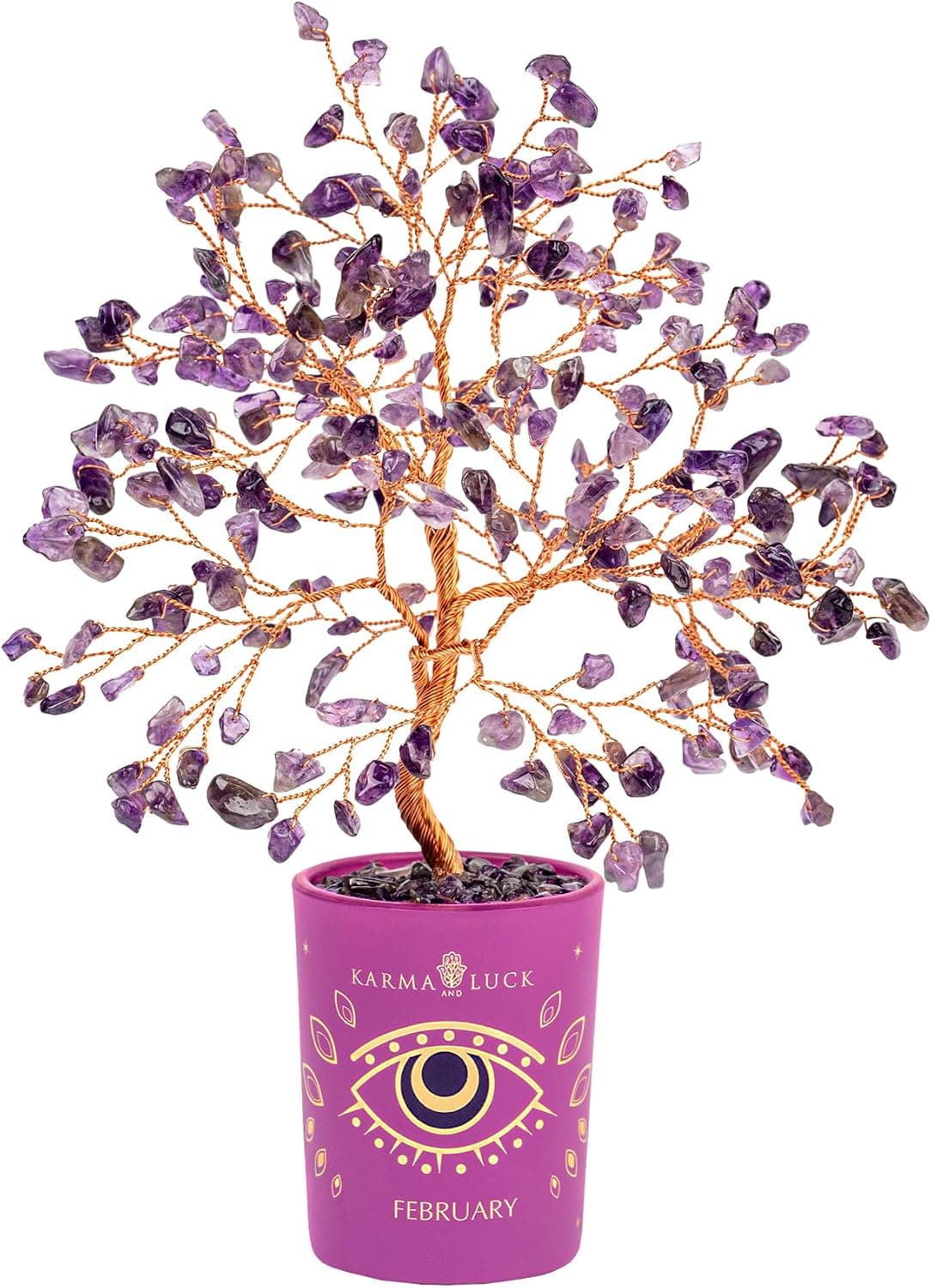
-29%Karma and Luck February Birthstone Crystal Tree of Life, Amethyst Gemstone Fe...
 -50%
-50%biuufish Feng Shui Black Obsidian Bracelet for Men Women, 24K Gold Plated Pix...
As an Amazon Associate, we earn from qualifying purchases. We only recommend items our practitioners have personally tested.
Continue Your Journey
Explore these related guides to deepen your understanding:

Ready for Deeper Guidance?
Try our free I Ching reading for personalized wisdom, or explore our curated Feng Shui essentials.