If your I Ching answer sounds slippery, you're probably reading the wrong layer first.
The problem starts when the answer feels too soft
You cast the coins, glance at the lines, and feel almost insulted by how little they seem to say. The reading looks clean on paper, but in your body it lands like fog. That is where most people panic and start forcing meaning.
I see this all the time with people who want the oracle to behave like a horoscope. It won't. A hexagram gives structure, pressure, timing, and movement. The message is usually there on the first pass, but not in the dramatic way people expect.
One nurse I worked with in Portland kept getting a reading she described as “too generic.” She had placed her journal on a pale blue desk beside a brass lamp, then pulled lines that pointed to restraint, patience, and careful timing. She wanted a yes-or-no answer about changing jobs. What she actually needed was a warning not to quit on a bad morning.
That is the first lesson: don't ask the hexagram to flatter your question.
The primary figure is where the first clear signal lives, but it is not the whole conversation. If you stop there, you miss the mood, the direction, and the tension between what is stable and what is trying to change.
Read the shape before you read the story
Good I Ching reading practice begins with structure. I look at the upper and lower trigrams first because they tell me how the situation behaves: is it rising, sinking, drying out, gathering, pushing forward, or holding back? That already narrows the field.
Then I ask a simple question: what is moving, and what is not? This is where hexagram interpretation gets practical. The fixed lines show the current condition. The changing lines show where pressure is building. Together they tell you which part of life is active and which part is still in storage.
People often want the changed hexagram to replace the original one. That is a mistake. The original hexagram is the room you are standing in. The changed hexagram is the room you are walking toward. You need both, or the message loses its spine.
If the image feels harsh, do not soften it. If it feels gentle, do not make it dramatic. The oracle is less interested in your preference than your position.
Use the reading like a map, not a slogan
Start with the question itself. A vague question produces a vague reading because the oracle mirrors your own framing. “What will happen?” is lazy. “What is the best response to this negotiation over the next two weeks?” gives the hexagram something real to work with.
Next, identify the dominant energy in plain language. Is this a time for waiting, retreating, connecting, clearing, or acting? I want readers to say the answer out loud in one sentence before they hunt for symbolism. If they can't do that, they are still swimming in images.
Then bring the changing lines back into the picture. A single moving line often matters more than a dramatic-sounding hexagram name. A weak line in the wrong place can explain why an otherwise promising situation keeps stalling. A strong line in a poor position can explain why force creates friction instead of results.
One of the best habits is to compare the reading with the facts you already know. If the message says “hold,” but the relationship has already been strained for months, you are probably not reading the warning honestly. The oracle does not reward wishful thinking. It rewards attention.
Here is a practical rhythm I teach: name the present condition, name the pressure point, name the likely next step, and only then look for symbolism. That order keeps you grounded. It also prevents you from grabbing the most poetic phrase and pretending it is the answer.
And yes, sometimes the reading looks ordinary. That does not mean it is weak. Ordinary readings are often the most accurate ones, because they describe the small, repeatable choices that shape the result.
Stop forcing the oracle to speak in headlines
Two mistakes show up again and again. The first is cherry-picking the line that sounds most reassuring. The second is treating one dramatic phrase as if it overrides the rest of the figure. Both habits flatten the reading.
I walked into a living room in San Diego last spring where a teacher had spread coins, a red notebook, and three printed charts across a walnut coffee table. She kept circling one line about joy and ignoring the two lines that pointed to delay and containment. Two weeks later she told me the reading had been “wrong.” It wasn't wrong. It was uncomfortable.
You will get farther if you treat the oracle like an experienced adviser, not a motivational poster. That means staying with the full pattern even when one line is flattering and the rest are not. It also means respecting timing. Some answers are not about the event itself; they are about the season around the event.
Another common mistake is confusing symbolism with prediction. A lake does not always mean emotions. A mountain does not always mean obstacles. In context, those images can speak to pacing, storage, boundaries, stillness, or compression. The image matters, but it matters inside the whole structure.
If you want a steadier method, keep a simple record of each question, the cast figure, the moving lines, and what actually happened afterward. Patterns appear fast. Not magical patterns. Useful ones. After a few months, you'll notice that your own reading errors are usually predictable, which is good news because predictable errors are fixable.
For that reason, I also suggest looking at the broader year context when the question touches timing, family, or social pressure. A reading can change flavor depending on the larger cycle around it, and resources like the annual zodiac overview can help you see whether the situation is fighting the season or moving with it.
How to bring the message into daily life
Once you have the core meaning, translate it into action you can actually take. Not poetic action. Real action. If the reading says restrain, reduce contact, simplify the schedule, or wait for better timing, write down what that looks like by Friday afternoon, not someday.
If it points to support, ask where support is missing in practice. Maybe the phone calls need to stop. Maybe the paperwork needs to be finished. Maybe the room needs better order so your mind can stop scattering. I have seen a messy desk turn a calm reading into confusion because the person could not sit still long enough to think.
It helps to work from the smallest concrete change upward. Move the thing, send the email, reschedule the meeting, clear the shelf, or sleep on it one more night. Then observe whether the inner pressure shifts. The best readings become easier to trust when they produce visible consequences.
Don't wait for perfect certainty. Use the reading to narrow your next move, not to eliminate all risk. The oracle sharpens judgment; it does not remove responsibility.
And if you want to compare the figure with a related cast, or check how the broader reading unfolded, revisit the original notes with fresh eyes. Sometimes the second look reveals that the answer was precise from the beginning and you were simply reading too fast.
Common places people slip
One mistake is treating the changed hexagram as the “real” answer and the original as irrelevant. Another is ignoring the house, desk, or room conditions around the reading, especially if the question is about work or relationships. Energy in a space affects attention, and attention affects interpretation.
That is why some people gain clarity only after they fix the environment. A lamp with a bad bulb, a mirror facing the bed, a cluttered entry, or a desk buried under papers can make a person feel as though the message is cloudy when the problem is actually practical. The room is shouting, and nobody is listening.
For readers who want to pair symbolic insight with environmental correction, I often point them toward a solid hexagram reading reference and, when timing matters, the best timing for important decisions. The point is not to collect charts. The point is to stop guessing.
One sentence can change the whole process: the oracle is not there to impress you. It is there to train you.
FAQ
How do I know if I’m reading the hexagram correctly?
Start by stating the situation in plain language and seeing whether the figure matches the real pressure in your life. If the answer only makes sense after a long stretch of rationalizing, you are probably forcing it. The cleanest reads usually feel clear before they feel clever.
Should I focus more on the original or the changed hexagram?
The original figure tells you what exists now; the changed one shows what comes through movement. I treat the original as the diagnosis and the changed image as the likely direction of travel. If you ignore either one, the reading becomes lopsided.
Can a reading be “wrong”?
Surprising fact: the reading is usually not wrong, but the question often is. If the wording is vague, the answer has to work harder to stay precise. Tighten the question, and you often discover the oracle was accurate all along.
What should I do if the message feels negative?
Do not panic or rush to soften it. A difficult figure often points to timing, restraint, or a better form of action rather than disaster. The useful move is to ask what behavior the situation rewards right now, then follow that instead of reacting emotionally.
David Liu
Traditionally informed guidance • Cross-referenced with classical Chinese source texts
Rooted in classical Chinese metaphysics and cross-referenced with original texts. Product recommendations are based on traditional symbolism, not guaranteed outcomes.
Practitioner-Selected Tools for This Topic
Items our team has tested and found effective for the principles discussed above. Individual results may vary.
 -29%
-29%Karma and Luck March Birthstone Crystal Tree of Life, Aquamarine Gemstone Fen...
 -29%
-29%Karma and Luck July Birthstone Crystal Tree of Life, Ruby Gemstone Feng Shui ...
 -29%
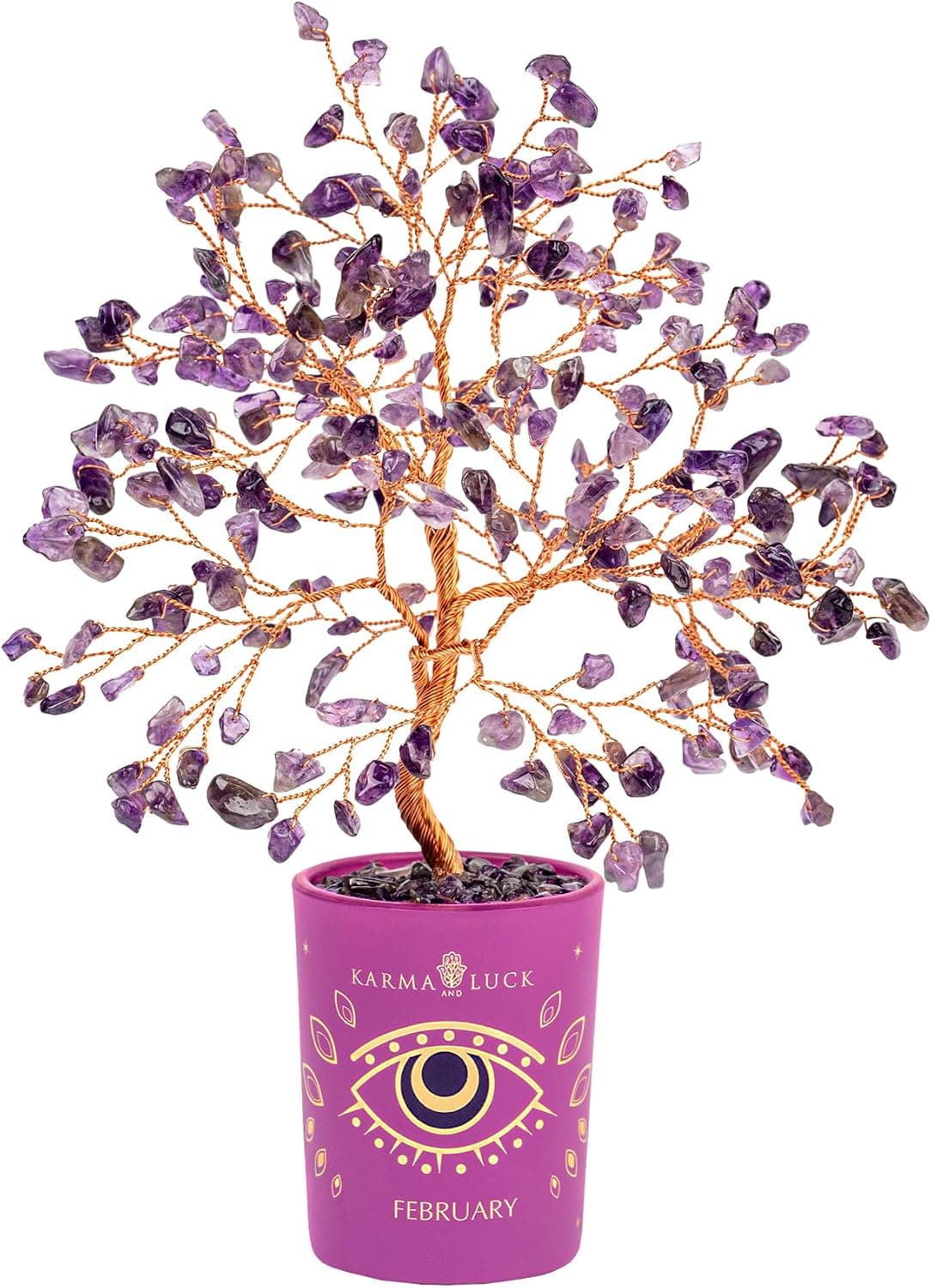
-29%Karma and Luck February Birthstone Crystal Tree of Life, Amethyst Gemstone Fe...
 -50%
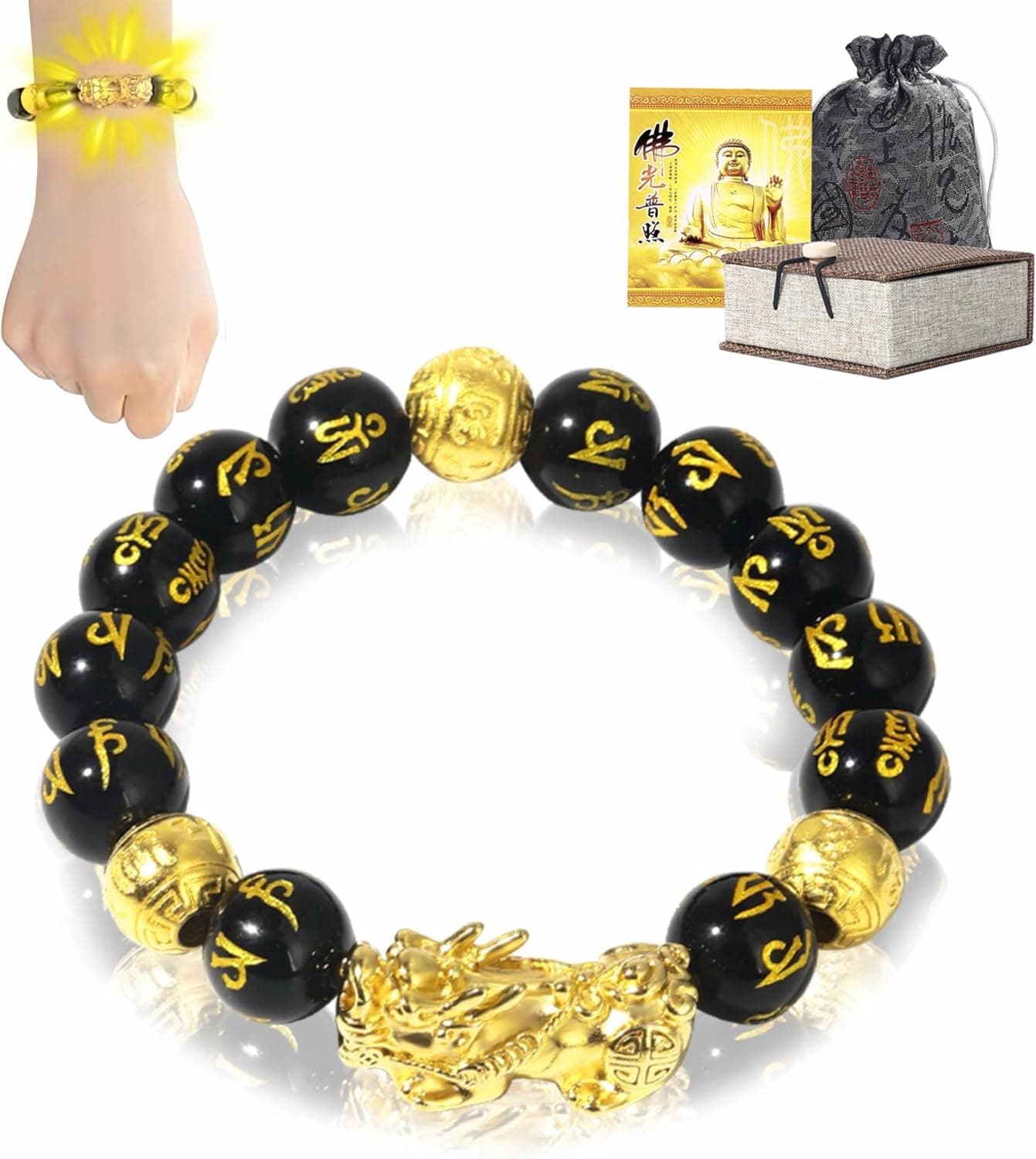
-50%biuufish Feng Shui Black Obsidian Bracelet for Men Women, 24K Gold Plated Pix...
As an Amazon Associate, we earn from qualifying purchases. We only recommend items our practitioners have personally tested.
Continue Your Journey
Explore these related guides to deepen your understanding:

Ready for Deeper Guidance?
Try our free I Ching reading for personalized wisdom, or explore our curated Feng Shui essentials.