When readings feel vague, the problem is usually not the oracle—it’s the first hexagram you ignored.
The reading feels flat, but the message is not
You toss the coins, line up the stalks, or stare at the cast on your screen, and the result looks disappointingly ordinary. No thunderbolt. No cinematic warning. Just a symbol that seems too plain to matter.
That is where people go wrong. They chase drama and skip structure. The first figure in an I Ching reading is not decoration; it sets the entire tone, and if you misread it, the rest of the message starts to wobble.
I’ve seen this happen in a quiet Seattle apartment with a blue velvet sofa, a brass floor lamp, and a stack of unpaid invoices on the dining table. The owner kept asking about career luck, but the reading was pointing to a stabilizing pattern, not a sudden breakthrough. Once she stopped forcing movement, the pressure dropped within two weeks.
The same mistake shows up in feng shui too. People want a cure before they understand the pattern. They want a lucky object before they understand the room. That habit creates noise, not insight.
There is a cleaner way to work with the primary hexagram: treat it as the main climate, not a single event. Weather first. Details second.
What the 64-hexagram system is actually doing
The traditional system gives you 64 distinct conditions, and each one describes a quality of movement, pressure, timing, or restraint. The value is not in memorizing all 64 symbols as if they were trivia cards. The value is in seeing the pattern that is already alive in your question.
Think of it this way. If you ask about a relationship, the answer may not be “stay” or “leave.” It may be “slow down,” “trim the excess,” “wait for the second door,” or “don’t force a result before the shape is ready.” That is why the system keeps working across love, money, work, and family tension. It speaks in conditions, not slogans.
The primary hexagram is the first layer. The changing lines are the movement inside it. Together they show what is steady and what is transforming. If you jump straight to the line text without understanding the main figure, you are reading the footnotes before the paragraph.
That sounds obvious, yet people do it constantly. They cling to one dramatic line and ignore the broader landscape. Then they wonder why the reading feels mixed, confusing, or oddly incomplete.
The safest habit is simple: identify the main energy, name the pressure it creates, and only then ask what is changing. That order matters. A lot.
And no, you do not need to be a scholar to do this well. You need discipline, patience, and the willingness to sit with an answer that may not flatter your preferences.
How to work with the pattern without overcomplicating it
Start with the question itself. Keep it clean, specific, and honest. “Should I take the job?” is weaker than “What happens if I take this job in the next six months?” The second form gives the oracle room to describe timing and consequence, which is where the system becomes useful instead of vague.
Next, read the image as a whole before you touch the details. Ask yourself what kind of season this is. Is it expansion, repair, blockage, retreat, testing, or preparation? That first impression usually tells you more than any single line.
Then look at the changing lines and notice which parts of your situation they match. A client of mine, Daniel, a retired architect in Denver, once drew a reading while sitting in his study beside a black filing cabinet and a pale green desk mat. He wanted to know whether to renovate his home office. The first figure described limitation and refinement, not expansion. He cut the plan in half, kept the walnut desk, repainted one wall a muted gray, and said the room felt clearer within ten days. Not magical. Better. Practical wins often look boring from the outside.
This is where people need a little confrontation. They want the answer to validate a fantasy, but the oracle often reflects the real shape of the moment. If you are in a holding pattern, call it a holding pattern. If the energy says consolidate, do not pretend it said accelerate.
For readers who also follow yearly timing, it helps to compare a reading with broader cycles like the yearly zodiac climate or a season-specific forecast. That does not replace the hexagram. It gives you context, which is different.
Use the method in this order: question, main figure, changing lines, action. Not the other way around. People love to skip to action because action feels productive. Often it is just panic wearing a watch.
If the answer asks for restraint, restraint is the answer.
Practical guidelines that keep the reading honest
Read slowly enough to notice what the symbol repeats. If a pattern of delay shows up in the image, the commentary, and the line movement, that is not an accident. It is emphasis.
Keep a notebook. I know that sounds old-fashioned. It also works. Write the question, the cast, your first impression, and what happened after you acted. After ten or twenty entries, you will start seeing which kinds of questions produce clear responses and which ones are too muddy to answer well.
Ask fewer questions during emotional spikes. Rage, grief, and desperation distort the shape of inquiry. The system still answers, but the answer often mirrors the distortion you brought to it. That is not a flaw in the method; it is feedback.
Use the system with your environment too. A cluttered desk, a broken lamp, and a blocked hallway can create the same mental fog you see in a confused reading. I once walked into a guest room with cream walls, a dusty mirror leaning against a wardrobe, and a red shoebox under the bed. The owner kept getting the same “stuck” message in her readings. We cleared the mirror, removed the box, and opened the window daily. The next week, her notes became sharper. The room had been echoing the question.
That is why I tell people not to separate divination from space design. Energy patterns show up in language, habits, and rooms. If you want a more grounded result, pay attention to all three.
If you need a deeper way to interpret the symbols themselves, the hexagram reading method will help you separate the main picture from the moving parts. That is where clarity starts to improve.
A clean question produces a cleaner answer.
The common mistakes that blur the message
The first mistake is treating the first figure like a label instead of a living condition. Labels are flat. Conditions have temperature, direction, and pressure. The difference matters because the oracle is describing a moment, not filing a report.
The second mistake is forcing one line to do all the work. A changing line can be significant, but it is still part of a larger structure. When someone grabs one sentence and ignores the rest, they often leave with a half-truth dressed up as certainty.
A third problem shows up in people who never check their own environment. They ask about flow while sitting in a room with no flow. They ask about opportunity while sleeping under heavy storage. Then they act surprised when the answers sound blocked. That surprise is sincere, but it is not innocent.
How to practice this without turning it into superstition
Use the system for direction, not control. That is the line most people miss. The oracle can show timing, shape, and sequence, but it will not do the work for you. You still have to send the email, clean the shelf, make the apology, or wait another month.
Match the message to the scale of the issue. A small domestic question does not need a dramatic interpretation. A major life decision deserves patience, multiple readings over time, and some real-world testing. When the message holds steady across different castings, pay attention.
And please do not demand certainty where the answer is clearly transitional. Some situations are not asking for a verdict; they are asking for better conduct. That is a humbler lesson, and usually the more useful one.
If you want to see how timing affects a whole year, it can help to compare the reading with key feng shui dates in the lunar calendar. Use that as timing support, not as a substitute for the reading itself.
Questions readers ask most often
Do all 64 hexagrams carry the same weight?
No. Some are about movement, some about obstruction, some about repair, and some about waiting. Equal in value does not mean identical in use. The skill is recognizing which condition is active now.
Can I rely on the changing lines alone?
Not cleanly. The changing lines matter, but they make sense only inside the larger figure. Think of them as motion inside a room, not the whole house.
What if the answer feels negative?
That may be the most useful reading you get all year. A difficult symbol often prevents a worse mistake by naming the pressure early. Bad news handled early is usually cheaper than bad news ignored.
Should I repeat the same question until I like the answer?
That is a fast way to muddy the water. If the situation changes, ask again. If your emotions change but the facts do not, the answer usually will not improve just because you keep casting.
If you want to see how this kind of reading fits broader symbolic work, compare it with the patterns in a stronger I Ching interpretation practice. The method gets sharper when you stop treating every line as if it were the whole message.
David Liu
Traditionally informed guidance • Cross-referenced with classical Chinese source texts
Rooted in classical Chinese metaphysics and cross-referenced with original texts. Product recommendations are based on traditional symbolism, not guaranteed outcomes.
Practitioner-Selected Tools for This Topic
Items our team has tested and found effective for the principles discussed above. Individual results may vary.
 -29%
-29%Karma and Luck March Birthstone Crystal Tree of Life, Aquamarine Gemstone Fen...
 -29%
-29%Karma and Luck July Birthstone Crystal Tree of Life, Ruby Gemstone Feng Shui ...
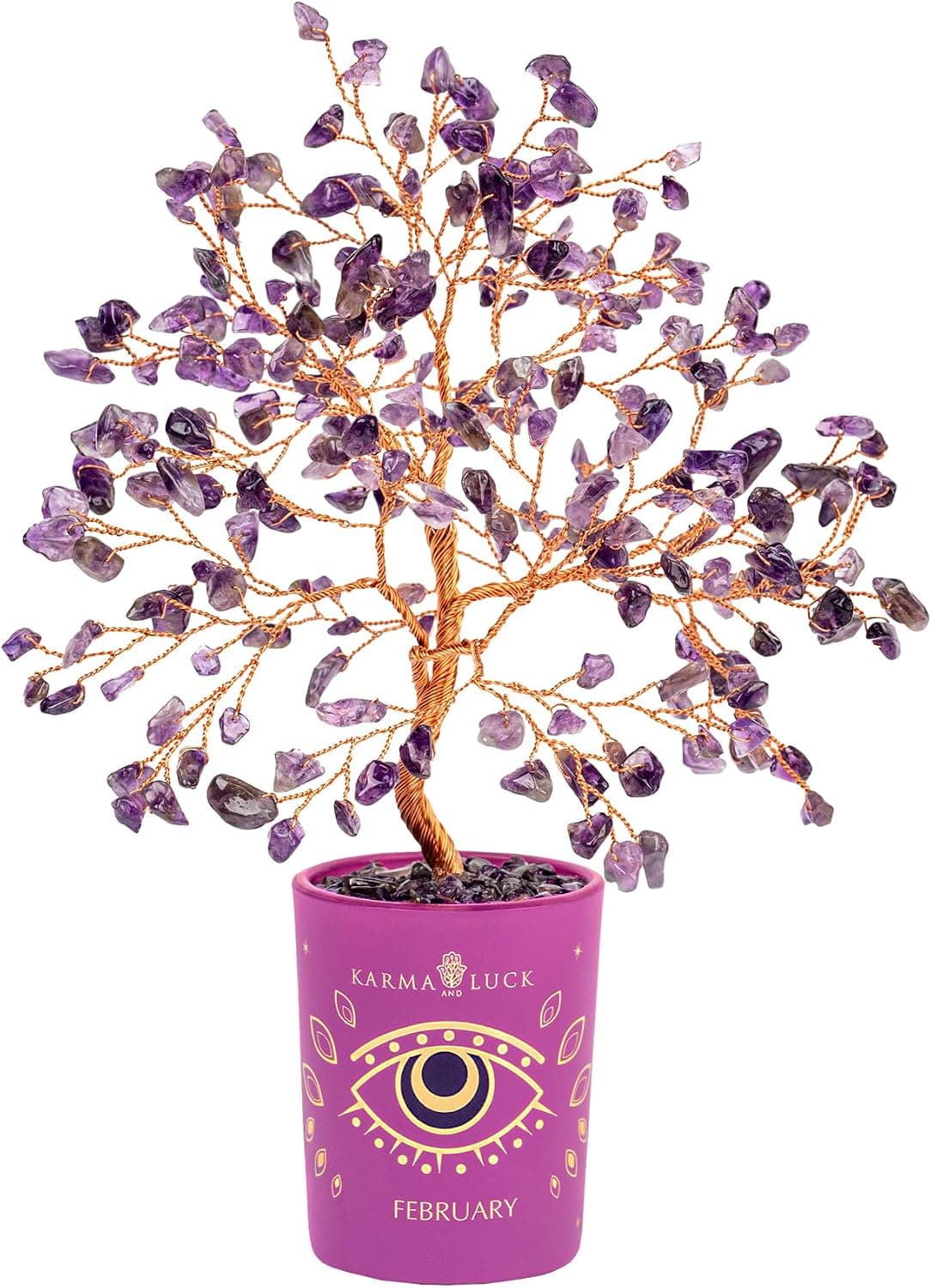 -29%
-29%Karma and Luck February Birthstone Crystal Tree of Life, Amethyst Gemstone Fe...
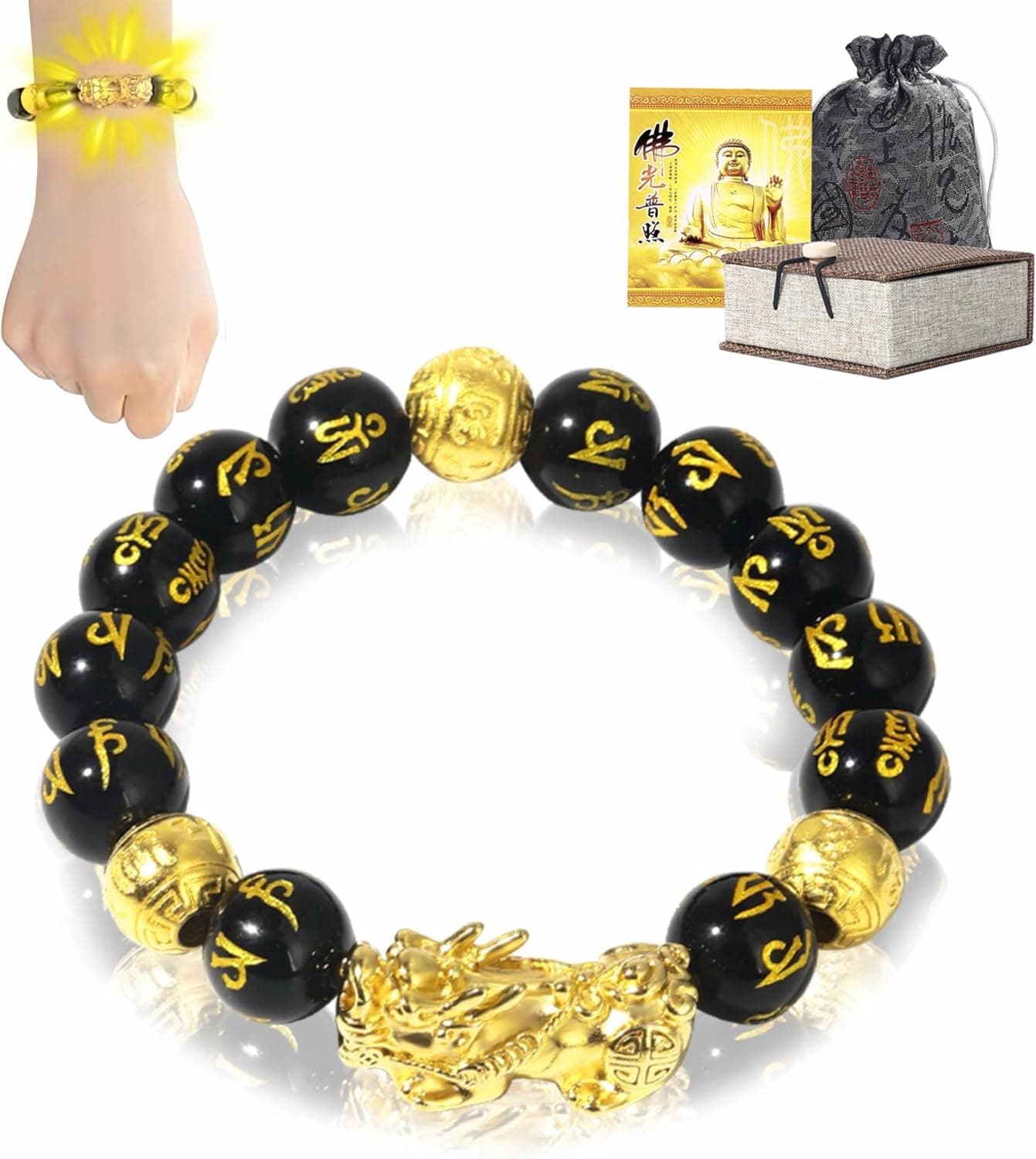 -50%
-50%biuufish Feng Shui Black Obsidian Bracelet for Men Women, 24K Gold Plated Pix...
As an Amazon Associate, we earn from qualifying purchases. We only recommend items our practitioners have personally tested.
Continue Your Journey
Explore these related guides to deepen your understanding:

Ready for Deeper Guidance?
Try our free I Ching reading for personalized wisdom, or explore our curated Feng Shui essentials.