The 2027 Tai Sui sector is easy to misread; the real issue is what your door, bed, and renovation path keep activating.
The room that turned restless
In a narrow upstairs bedroom with a pale gray rug and a white wardrobe on the east wall, sleep went light the moment the bed was shifted so the headboard faced deeper into the room. The mornings became rushed, not because the room was “bad,” but because the new placement put the sleeper in line with a busier movement path and a brighter slice of daylight.
I’ve seen this pattern enough times to say it plainly: the map on paper matters less than the room you actually move through. A sector can be technically correct and still behave badly if it sits beside a door swing, a hallway turn, or a place where people keep opening drawers, hauling laundry, and crossing the same line every day.
That is why the 2027 Tai Sui question should not begin with superstition. It should begin with the floor plan.
For 2027, Tai Sui is associated with the southeast sector, and that means the southeast quadrant of your home, office, or bedroom deserves restraint rather than noise. People often blur Tai Sui with every annual warning in the calendar, then act as if one label covers three different forces. It does not.
The annual 2027 cures page helps with the wider year, but Tai Sui has its own logic. Classical writing treats it as a year-bound authority, not a decorative problem to be “fixed” with a token object. That distinction matters, because once you know the mechanism, you stop doing random things that create more disturbance than the original issue.
Why the classical line keeps getting flattened
Pop feng shui loves shortcuts. It turns Tai Sui into a single bad corner, then tells people to fear the whole southeast like it is radioactive. That is too crude, and crude advice makes people either panic or ignore the issue entirely.
The classical sources are more disciplined. Tai Sui marks a sector that should not be stirred up with unnecessary force, but the emphasis is on disturbance, timing, and hierarchy. Renovation, drilling, heavy furniture shifts, and repeated impact carry more weight than a still bookshelf or a quiet plant.
What gets lost in the simplified version is the cause-and-effect chain. A sector does not become problematic just because it points southeast; it becomes sensitive when it is repeatedly activated. Noise, vibration, visual clutter, and abrupt movement all keep the area “on,” so the body never gets the cue that it can settle. That is why two homes can share the same direction and produce very different results.
This is where Western readers usually benefit from an architectural lens. A room is not just a square with furniture inside it; it is circulation, threshold, sightline, and load. When the southeast corner of a home sits beside the front entry or a daily passage, it becomes a behavioral trigger, because the body notices the same movement, sound, and visual interruption again and again.
That repeated cue can make people more vigilant without them realizing why. Noise sensitivity rises. Concentration drops. Sleep gets shallower. The space starts training the nervous system to stay a little braced.
That is also why the idea of Tai Sui is so often misquoted. People keep describing it as if direction alone creates the problem, when in practice it is direction plus activity. A still sector is one thing. A sector with hammering, glare, and constant foot traffic is another.
What happens when a bed or desk meets the sector
A front door that opens into the southeast changes the whole discussion. The door becomes a repeated threshold, and thresholds are never neutral. They tell the mind when to switch states.
Imagine a front entry with a door that swings inward toward the southeast, a shoe rack pressed against the nearby wall, and a coat hook that forces everyone to pause in the same narrow strip every morning. That setup does more than “occupy” space. It programs behavior.
When the bed sits in the affected sector, the issue is not mystical punishment. It is micro-stimulation. The sleeper receives more small signals: footsteps in the corridor, a passing shadow under the door, a shift in temperature near the window, a faint vibration from the wall. The brain may not wake fully, but it stops sinking into deep calm. If the bed also shares the zone with a door line or a window that pulls attention outward, the room becomes harder to defend psychologically, because the body keeps registering movement where it wants stillness.
The same principle applies to a desk. A desk in a busy southeast zone can make work feel jumpy because attention keeps being interrupted by the environment. People blame discipline. Often it is circulation. If you are constantly turning to track movement, dodging glare on the screen, or hearing activity from the adjacent hall, the problem is not motivation; it is that the space keeps stealing focus in small, repeated ways.
In one townhouse I inspected, the home office sat in the southeast wing with a glass desk, a black lamp throwing sharp contrast across the wall, and the printer humming beside the chair. The owner said he felt oddly irritated by noon every day. Once the desk moved two meters to a more stable wall, the room did not become magical; it simply became less demanding.
A front door with clean, open circulation can be a strength, but if it lands in the Tai Sui sector, it should stay orderly, bright enough, and free of clatter. Keep shoes contained. Keep the swing clear. Keep the threshold from becoming a dumping ground.
The main taboos are about disturbance, not fear
Renovation is the first thing to limit. Drilling, demolition, and repeated impact in the southeast sector are the clearest ways to agitate it in 2027, especially if that area is already a door zone, a sleeping zone, or the path to a bathroom.
Noise matters more than people admit. Dust, hammering, and vibration make a space feel physically loud even after the tools stop. If you have no choice but to work there, shorten the duration, contain the mess, and avoid spreading the project across many weeks of half-finished chaos.
Do not stack heavy storage in that sector just because it is “out of the way.” Out of the way for you may still mean blocked circulation for the room. Narrow passages and crowded corners create a compressed feeling, and compressed spaces tend to make people move faster, breathe shallower, and think less clearly.
Light deserves attention too. Harsh glare and sharp shadows can make a disturbed sector feel more agitated than soft, even lighting. A well-proportioned space with gentler contrast tends to settle the body faster than a bright corner that throws every object into hard outline.
If you want a practical adjustment, begin with restraint. Leave the southeast quieter than the rest of the house. Avoid major furniture rotation there. Avoid loud maintenance there. If the sector must function as a hallway, keep the passage clean and uncluttered so the threshold does not keep shouting at everyone who crosses it.
The annual flying stars chart for 2027 can show you how Tai Sui overlaps with other yearly influences, but the broad rule stays the same: do less, not more, in the sector that is meant to remain stable.
Where people overreact, and where they underreact
One common mistake is treating every southeast room like a forbidden zone. That is dramatic, and drama often creates worse behavior than the original concern. A quiet guest room in the southeast is not the same as a construction zone in the southeast.
Another mistake is the opposite: people assume that because Tai Sui is “only symbolic,” they can ignore the space entirely. Then they wonder why the room feels edgy after the bed moves, the hallway fills with boxes, or the renovation dust settles across the skirting boards. Symbolic does not mean imaginary.
Surprise usually comes here. A simple change in routine can matter more than a decorative cure. If the southeast sector is where you enter, store shoes, hear plumbing, or drop bags every evening, then that repeated pattern is already shaping mood. A calmer living room flow helps because the body responds to repeated cues before the mind names them.
If you need a remedy, start with behavior, then add objects. Reduce friction first. Make the area cleaner, quieter, and easier to pass through. Only after that should you think about symbolic support such as restrained red accents, a careful placement of a metal remedy, or a modest cure that does not create visual clutter.
A steadier way to use the space
The right response to tai sui 2027 direction is not fear. It is respect for how rooms train people.
If the southeast is your door, keep the entry gracious and free of obstacles. If it is your bedroom zone, support the headboard with a solid wall and keep the bed away from direct door alignment or busy sightlines. If it is a desk area, reduce interruptions and avoid placing your chair where traffic constantly brushes past your shoulders.
Timing helps, too. If you can postpone drilling or demolition in the southeast sector, do it. If you cannot, compress the work into a shorter window and finish it cleanly. Half-done disturbance lingers longer in the mind than a completed job.
For color and object choices, subtlety wins. I would rather see one restrained, well-placed remedy than a shelf of cures competing for attention. If you want to coordinate the year’s energy more broadly, the page on 2027 lucky colors can help, but do not confuse atmosphere with permission to disturb the sector itself.
The deeper lesson is simple. Tai Sui does not punish a home for existing in the wrong direction. It asks you to stop treating a threshold, a corner, or a circulation path as if it were dead space. Once you see that, the 2027 sector becomes manageable rather than ominous.
And that is usually enough.
FAQ
Is the 2027 Tai Sui direction dangerous for every room in the southeast?
No. The sector is sensitive, but sensitivity is not the same as catastrophe. A quiet room with little traffic can remain usable, while a heavily used entry, office, or renovation zone deserves much more caution.
Can I place a bed in the southeast in 2027?
You can, but placement matters. If the bed faces a door, sits near a noisy wall, or shares the space with constant movement, sleep tends to become lighter and more fragmented. A stable wall and minimal disturbance matter more than the label alone.
What is the biggest mistake people make with Tai Sui?
They either panic and overload the room with cures, or they ignore repeated disturbance because they think only “bad luck” counts. The real issue is often friction: noise, clutter, vibration, and poor circulation.
Do I need to move everything out of the southeast in 2027?
That would be overkill. A better approach is to reduce aggressive activity, keep the area orderly, and avoid unnecessary construction. When the sector is treated with restraint, most homes do fine.
Mei Chen
Traditionally informed guidance • Cross-referenced with classical Chinese source texts
Content draws from both Compass (Luopan) and Form (Xingshi) school traditions. Illustrative examples are composites based on consultation experiences.
Practitioner-Selected Tools for This Topic
Items our team has tested and found effective for the principles discussed above. Individual results may vary.
 -19%
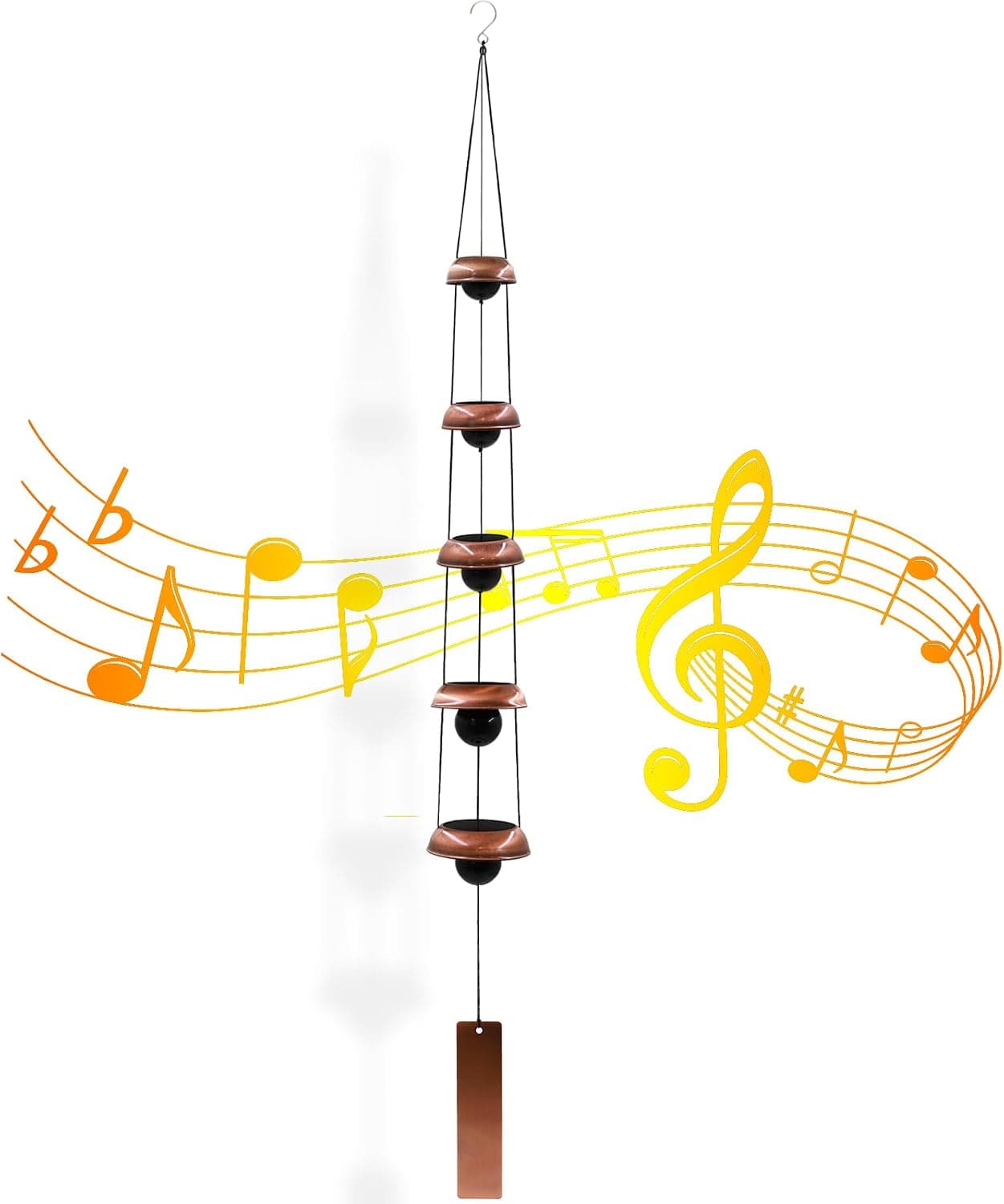
-19%Wind Chimes for Outside with 5 Bell Unique Copper Musical Chimes Feng Shui Wi...
 -5%
-5%YU FENG Evil Eye Money Tree, Blue Feng Shui Decor with Golden Buddha
 -29%
-29%Karma and Luck March Birthstone Crystal Tree of Life, Aquamarine Gemstone Fen...
 -29%
-29%Karma and Luck July Birthstone Crystal Tree of Life, Ruby Gemstone Feng Shui ...
As an Amazon Associate, we earn from qualifying purchases. We only recommend items our practitioners have personally tested.
Continue Your Journey
Explore these related guides to deepen your understanding:


Ready for Deeper Guidance?
Try our free I Ching reading for personalized wisdom, or explore our curated Feng Shui essentials.