
Most living-room advice chases the corners. That’s why the room still feels off.
Beyond the Surface of Feng Shui Living Room
The standard framework for F has an internal contradictioneng Shui Living Room is typically understood. People obsess over the far-left corner, set a money plant there, maybe add a crystal, and then wonder why the sofa still feels tense and the room never settles. I watched a teacher in Oakland do exactly that in her narrow beige living room: jade plant near the east wall, red throw pillows on the sectional, a brass bowl on the coffee table. She had followed every online rule she found, yet guests kept drifting to the kitchen, conversations died early, and she started working at the dining table because the center of the room felt oddly unavailable.
The mistake is structural. Corners matter, but they are not the boss of the room. The center is the switchboard, because it tells the eye where to rest, tells the body where to move, and tells the mind whether the space is gathered or scattered. If the middle is blocked, overloaded, or visually noisy, the corners start working like overcompensating employees. They get blamed for a problem they did not create.
That is why so many living rooms look “done” and still feel unfinished. The issue is not decoration density. It is positional hierarchy.
Start with the room’s center, then read outward. The center should feel open enough that you could cross it without sidestepping a tray, ottoman, or low table. From there, the seating should create a loose circle or U-shape that faces inward, because inward-facing arrangement gathers attention and slows mental drift. Mapping the room without overthinking it helps, but the map only matters after you notice where your body naturally wants to pause. That pause is usually the center telling the truth.
Now the mechanism: when the middle is clean and legible, the corners can do their job quietly. A back-left plant can support growth, a far-right lamp can warm relationships, and a front-right basket can keep clutter from breeding on the floor. But when the center is jammed with a giant ottoman, a toy bin, or a coffee table covered in stacked magazines, the room starts behaving like traffic with no roundabout. People skirt the middle, voices thin out, and even a beautiful corner cure turns ornamental. Not even close.
How the room starts working against you
In a real apartment, the failure is usually visible before it is felt. I walked into a San Francisco condo last winter where the living room had a dark navy rug, a glass table, and a tall sculptural lamp placed dead center. The owner thought the lamp would “anchor the space.” Instead, it cut the room in half. The sofa stayed pushed too close to the wall, the walking path bent awkwardly around the lamp base, and every visitor entered with a small hesitation that never fully disappeared. That hesitation was the symptom. The center had become an obstacle, so the corners were trying to rescue the layout from the edges outward.
Here’s the sequence. First, the center gets crowded, usually with one object that seems harmless. Then the eye begins to split, because the room no longer offers a clear resting point. Next, movement becomes defensive; people take shorter routes, sit nearer the perimeter, and avoid the middle without knowing why. After that, the corners start absorbing pressure that belongs elsewhere, so you get the classic false fix: more plants, more lamps, more “activation.” The room doesn’t need more stimulation. It needs a clearer hierarchy.
That mechanism explains a lot of the confusion around color too. A bright coral cushion in the southeast corner can work beautifully when the central field is calm, but the same cushion looks frantic when it is competing with a busy rug pattern and a crowded coffee table. Five elements theory gives you the reason: each accent belongs to a larger pattern, and the larger pattern begins in the middle of the room, not in the corners.
People also overestimate the visual power of the wealth corner. Yes, certain sectors matter. No, they do not override a room whose center is blocked by a dog bed, storage bin, or a hulking recliner angled at the television like a command post. I have seen more living-room improvements come from moving one oversized object three feet than from buying ten objects for the corners. Quietly, that move changes how long people stay, where they sit, and whether they speak in short answers or actual sentences.
Step one: clear the core without stripping the room bare
The center should not look empty in a cold, echoing way. It should look available. That is a very different thing. Leave enough visual space that the room reads as one field rather than a chain of compartments. If you have a large coffee table, pull it slightly closer to the sofa and make sure it does not jam the main crossing path. If the rug is too small, the center fragments. If the rug is too large and heavy, the center can feel pinned down. The goal is balance, not austerity.
One couple in Denver had a charcoal sectional, a walnut media cabinet, and a round ottoman with a tray full of remotes, candles, and mail. Their room looked polished, but dinner guests never stayed long. We moved the ottoman six inches toward the window, removed the tray, and left one small ceramic bowl instead. The change was immediate. People stopped standing in the doorway. The room felt less like a display and more like a place you could inhabit. That’s the level of adjustment that matters.
From there, orient the main seating so the chairs and sofa acknowledge the center without crowding it. A sofa that faces the room’s interior creates a social magnet. Two chairs angled in from opposite sides can do the same, especially if they are separated by a lamp or side table rather than a bulky cabinet. This is where getting the bagua orientation right helps, because you can place supportive objects in the correct sector after the room’s central field has stopped fighting you.
Wrong arrangement, wrong result. A beautiful corner cure cannot fix a room that forces everyone to turn sideways to enter it.
Step two: let the corners support, not dominate
Corners work best when they behave like supporting actors. A tall plant in one corner can soften a hard edge and lift the eye upward. A lamp in another can warm a dim zone without stealing attention from the center. A folded throw in a basket can keep the room lived-in without creating visual grit. But the moment the corner becomes a stage, the room tips out of balance and the eye starts bouncing from edge to edge instead of settling in the middle.
Do you really need something in every corner? Usually, no. Empty corners are not failures; they are pressure valves. In a room with a strong sofa, a substantial media console, and a busy entry path, one or two corners may be enough. Too many activated corners create the feeling of being watched by objects. That sounds dramatic because it is dramatic. Bodies notice it before minds do.
In a rental on the north side of Chicago, a nurse told me her living room felt “busy but dead.” That sentence made perfect sense once I saw it. She had a fiddle-leaf fig in the south-east corner, a floor lamp in the south-west corner, a basket of blankets in the north-west corner, and framed art in the north-east corner. Every corner had been addressed, but the center held a huge rectangular ottoman plus a stack of exercise equipment. We moved the bike to the bedroom closet, replaced the ottoman tray with one book and a small bowl, and suddenly the room had room to breathe. The corners stayed. The strain did not.
That is the hidden hierarchy most people miss. Corners can tune the space. They cannot conduct it.
Step three: use the center to direct movement, then tune the edges
The best living rooms make movement obvious without feeling rigid. You enter, you understand where to go, and your body does not need to negotiate with furniture. That clarity begins in the center because the center defines the main route. Once that route is open, the corners can shape mood: a soft plant to one side, a grounded chair to another, a subtle metal accent where the room needs a cleaner finish. If you want a deeper sense of how metals and reflective surfaces shift a room, this pairing of metal and water decor shows why shiny objects can either sharpen or soothe, depending on placement.
Do not make the common mistake of treating the television wall like the room’s true center. It isn’t. It is often the loudest face in the room, which is different. Loud is not centered. The body knows the difference. When people enter and their eyes lock onto one bright rectangle, the room becomes linear and passive. When the seating area gathers around an open middle, the room becomes relational. That shift matters for conversation, reading, and even the simple act of lingering after dinner.
What about mirrors, metal accents, and glass tables? Useful, but only when they support the room’s flow rather than split it. A mirror reflecting a bright window can widen a tight living room; a glass table can lighten visual weight; a metal lamp can sharpen a dull corner. Yet each of those objects can backfire if it sits in the wrong place. The mechanism stays the same: the center sets the room’s order, and the corners amplify that order.
There is a reason some rooms feel calm the moment you step in, even when they are not expensive. Their middle is clear, the seating makes sense, and the corners behave. That calm is not a decorative accident.
Common mistakes that look smart from the outside
One mistake is overfeeding the wealth corner while starving the center. Another is hanging art in every available spot, which sounds stylish until the room starts flickering with visual demands. A third is using a giant coffee table as storage. People call it practical. Then they wonder why they avoid the room after work, why the mail piles up there, and why the sofa becomes a place for scrolling instead of talking.
These living room mistakes usually share the same root: trying to fix the perimeter before stabilizing the core. That order is backward. The room should be easy to enter, easy to cross, and easy to sit in before you start placing symbolic cures at the edges. Otherwise the cures sit there like actors waiting for a scene that never arrives.
Another trap: copying a polished showroom. Showrooms are designed for standing, glancing, and selling. Homes are for sitting, watching a game, reading in silence, helping a child with homework, and putting a glass down without hunting for a surface. Those uses demand a center that can hold life without absorbing it. Big mistake.
And yes, clutter in the corners matters too, especially if it’s old paper, spare cords, or random boxes you promised yourself you would sort “later.” But if the middle is already overburdened, clearing a corner can feel satisfying while changing almost nothing. That is why people get discouraged. They solved the visible edge and kept the structural problem.
Quick checks before you buy another cure
Stand at the room’s entry and look straight ahead. Can you identify the center without effort, or does your eye snag on a lamp, table, pile, or plant before it gets there? If it snags, the room is telling you where to start. Not in the corner.
Sit on the main sofa and look around. Does the room hold you, or do you feel as if you are sitting beside a collection of separate objects? The second sensation usually means the middle has lost its organizing role. A small adjustment to the central field often does more than an expensive accent piece ever will.
Finally, ask where the room asks people to pause. In a healthy layout, that pause happens near the center or just off it, because the space invites presence rather than pushing people to the walls. If everyone gravitates to one armchair by the window and ignores the rest, the room is voting with its feet.
That is the part most Feng Shui Living Room advice misses: the room is not a flat diagram of good spots and bad spots. It is a sequence of reactions. One object affects movement. Movement affects attention. Attention shapes mood. Mood decides whether the space gets used at all.
FAQ
Is conventional Feng Shui Living Room advice reliable?
Often not, at least not by itself. A lot of advice jumps straight to cures, colors, and corners without checking whether the room’s center can actually hold the layout. If the middle is congested, the best-looking fix in the far corner will feel like a sticker on a cracked wall.
Should the center of the room always be empty?
No. Empty is not the target; available is. A low coffee table, a rug, or a single grounded object can work if they do not block movement or scatter attention. The test is simple: can you cross the room and sit down without negotiating with furniture?
What if my living room is small and I have no choice but to use the center?
Then choose one object that earns its place and remove the rest. Small rooms need stricter hierarchy, not more decoration. A slim table, a compact lamp, or a low tray can work; a bulky stack of items usually cannot.
Do corners matter at all, then?
Absolutely, but they are secondary. A corner can soften, brighten, or stabilize a room after the center is organized. Think of corners as tuning knobs, not the engine.
How do I know if the room has improved?
Watch behavior, not just appearance. People should linger longer, enter more naturally, and stop drifting to the kitchen after five minutes. If the room still feels like a hallway with furniture, the hierarchy is still off.
What should I fix first if everything feels wrong?
Start with the object closest to the middle that creates the most resistance. In many homes, that is the ottoman, coffee table, oversized plant, or storage bin. Move one thing, then sit in the room for an evening and notice where your eyes rest when the TV is off and the lamps are on.
Sometimes the room changes only a little. Other times the silence lands differently, and you can hear the house settle around a clearer center.
Mei Chen
Traditionally informed guidance • Cross-referenced with classical Chinese source texts
Content draws from both Compass (Luopan) and Form (Xingshi) school traditions. Illustrative examples are composites based on consultation experiences.
Practitioner-Selected Tools for This Topic
Items our team has tested and found effective for the principles discussed above. Individual results may vary.
 -19%
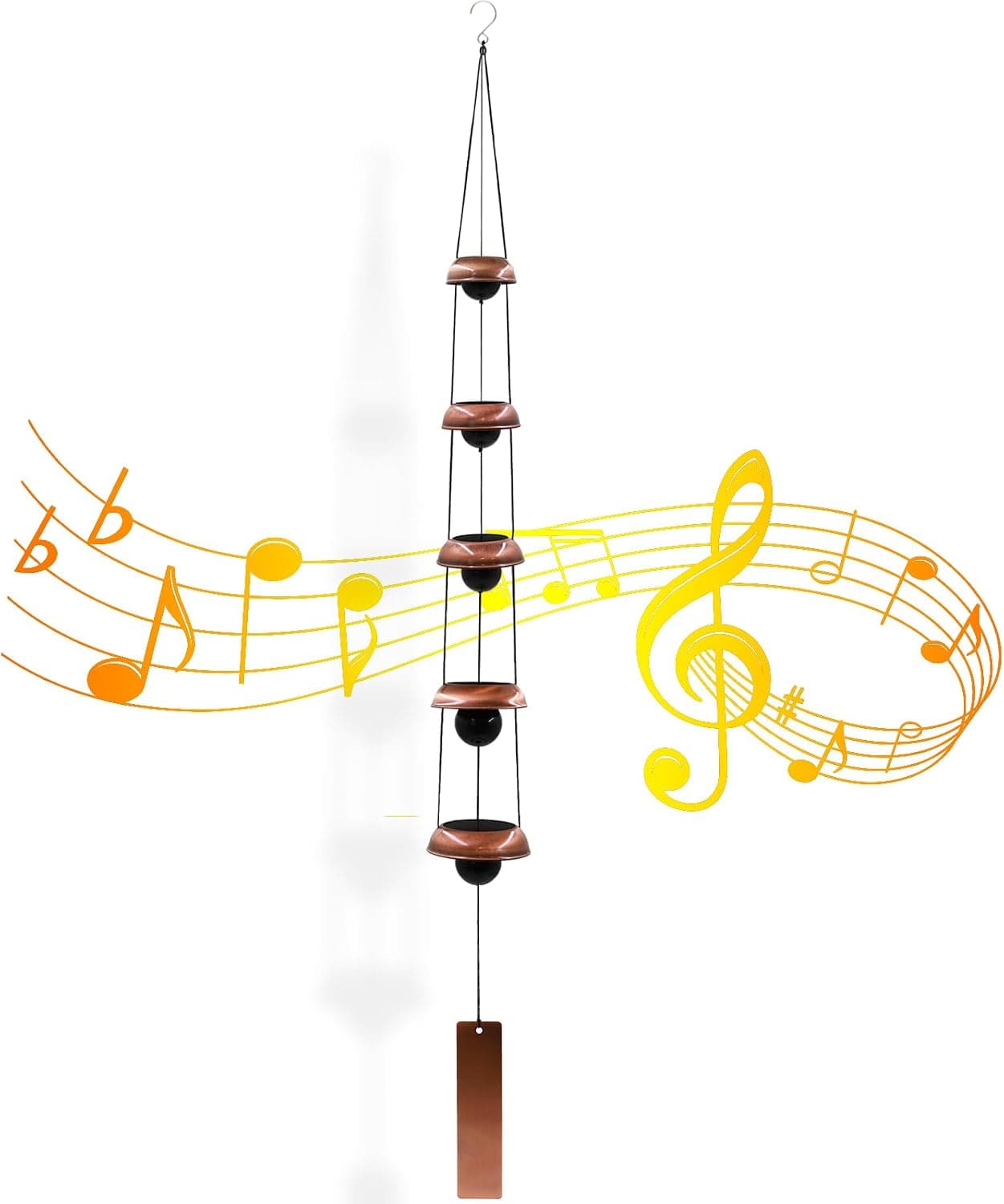
-19%Wind Chimes for Outside with 5 Bell Unique Copper Musical Chimes Feng Shui Wi...
 -5%
-5%YU FENG Evil Eye Money Tree, Blue Feng Shui Decor with Golden Buddha
 -29%
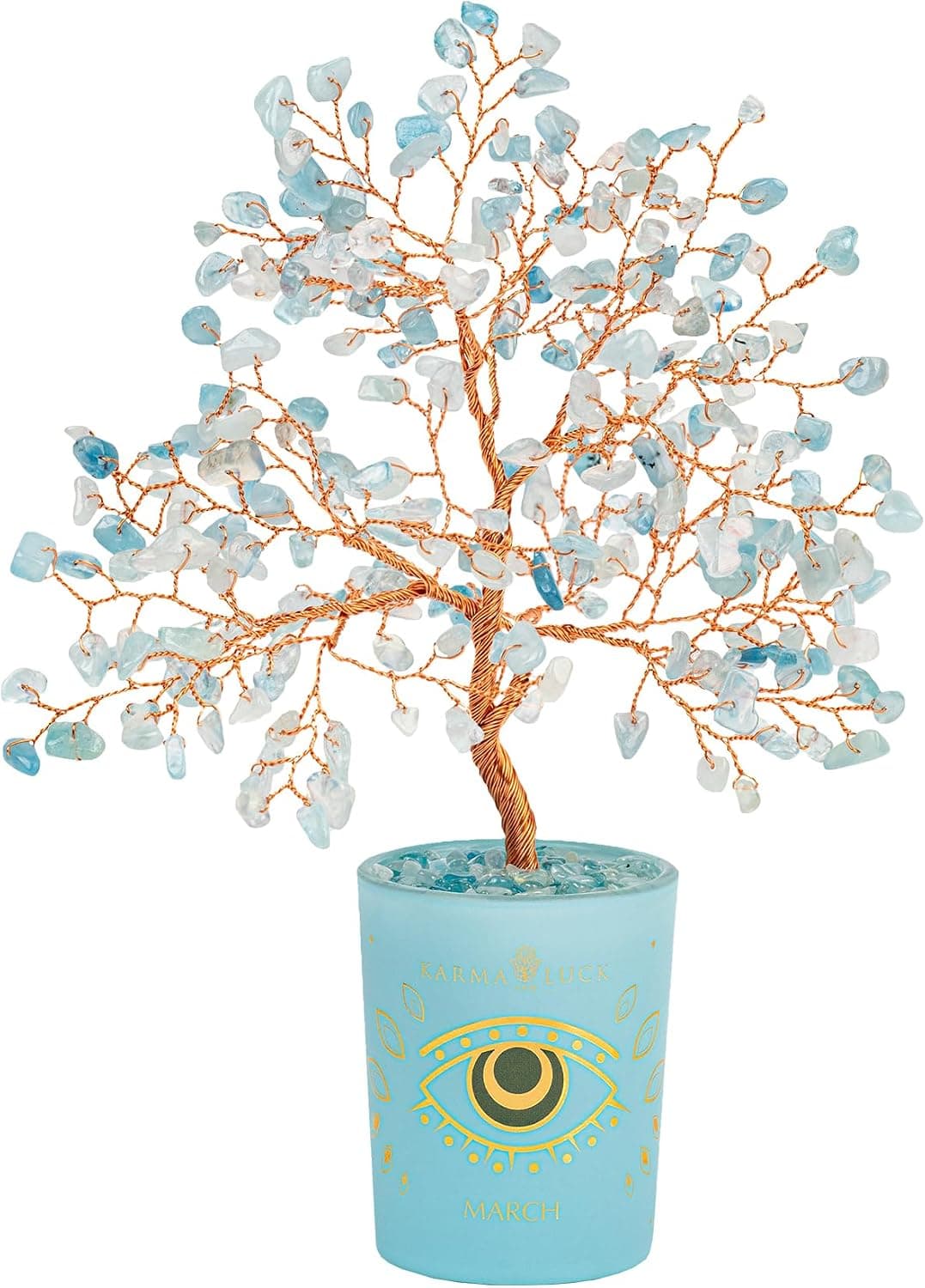
-29%Karma and Luck March Birthstone Crystal Tree of Life, Aquamarine Gemstone Fen...
 -29%
-29%Karma and Luck July Birthstone Crystal Tree of Life, Ruby Gemstone Feng Shui ...
As an Amazon Associate, we earn from qualifying purchases. We only recommend items our practitioners have personally tested.
Continue Your Journey
Explore these related guides to deepen your understanding:


Ready for Deeper Guidance?
Try our free I Ching reading for personalized wisdom, or explore our curated Feng Shui essentials.