
I've tested dozens of crystals. Most are junk — dyed glass, plastic fakes, or energetically dead rocks. These are the only ones I actually recommend.
Let me be direct: most Feng Shui crystals are garbage.
I've held crystals that looked beautiful under store lighting but felt like holding a pebble from a parking lot. I've seen "citrine" that was actually baked amethyst — heated until it turned yellow. I've watched clients spend hundreds on crystals that did absolutely nothing for their space.
The crystal industry is 90% marketing and 10% geology. But the remaining 10%? It's powerful. You just need to know what actually works.
The Crystal Industry Doesn't Want You to Know This
Almost every crystal guide tells you the same thing: amethyst for calm, rose quartz for love, citrine for wealth, black tourmaline for protection. It's like a prescription without a diagnosis.
Here's the truth: crystals amplify energy. They don't create it. If your Wealth corner is in a bathroom (water draining away), a citrine crystal won't fix the underlying problem. It'll just amplify the draining energy. I've seen this happen. People place citrine in terrible locations and wonder why their finances get worse.
Another myth? "Bigger is better." A massive crystal in the wrong place is worse than a small one in the right place. Energy doesn't care about size. It cares about placement, intention, and compatibility with the space.
Crystal #1: Citrine (Real Citrine, Not Baked Amethyst)
Real citrine is pale yellow to golden, often with a smoky quality. It's rare. Most "citrine" on the market is amethyst heated in an oven until it turns orange-yellow. That's not citrine. It's cooked amethyst. Different energy entirely.
Real citrine carries Solar Plexus energy — confidence, manifestation, personal power. It's genuinely useful in a Wealth corner or on a desk where you make financial decisions. But only if it's real. If you're not sure, buy from a reputable mineral dealer, not a metaphysical boutique.
Most people can't tell the difference. And that's where things go wrong.
Crystal #2: Black Tourmaline
This one actually works. Black tourmaline is piezoelectric — it generates a small electrical charge under pressure. This isn't mystical. It's physics. And it creates a genuine energetic barrier.
I place black tourmaline at the four corners of a home, near electronics, and by the front door. It absorbs electromagnetic radiation and negative energy. It's my most-requested crystal for clients who feel their space is "heavy" or "stuck."
The downside? It needs regular cleansing. Black tourmaline absorbs energy like a sponge. If you never cleanse it, it becomes saturated and stops working. Salt water, moonlight, or burying it in earth for 24 hours — choose your method, but do it monthly.
Crystal #3: Rose Quartz
Overrated but still useful. Rose quartz carries soft, nurturing energy. It's gentle. It's feminine. And it's often misused.
I see people placing rose quartz in their bedroom expecting their marriage to improve. It doesn't work like that. Rose quartz supports self-love first. If you don't love yourself, no amount of rose quartz will fix your relationship.
Use it in the Love corner, yes. But pair it with action. Communicate. Show up. Be present. The crystal amplifies what you're already doing. It doesn't do the work for you.
Crystal #4: Amethyst
Amethyst is the most overused crystal in Feng Shui. Everyone has one. Everyone recommends it. And it's genuinely useful — for specific purposes.
Amethyst carries crown chakra energy — intuition, clarity, spiritual connection. It's excellent for meditation spaces. Terrible for offices. I've seen people place amethyst on their work desk and wonder why they can't focus. It's not a focus stone. It's a transcendence stone.
Use amethyst in bedrooms for peaceful sleep (but not too large — small clusters only). Use it in meditation corners. Use it near windows where moonlight can touch it. Don't use it where you need sharp mental clarity.
Crystal #5: Pyrite
Also known as fool's gold. But in Feng Shui, it's genuinely valuable. Pyrite carries masculine, fiery energy — action, willpower, manifestation. It's a "get things done" stone.
I recommend pyrite for offices, studios, and anywhere creative work happens. It's also excellent in the Wealth corner because it literally looks like gold. The visual association matters. Your subconscious sees gold, thinks wealth, behaves accordingly.
Warning: pyrite can oxidize in humid environments. If you live somewhere damp, seal it or keep it in a dry location. Rusty pyrite sends a very different message than shiny pyrite.
Crystal #6: Selenite
Selenite is unique because it never needs cleansing. It's self-clearing. I use selenite wands to cleanse other crystals, to clear room energy, and to create energetic boundaries.
Place a selenite wand near your front door to keep incoming energy clean. Put one under your pillow for protection during sleep. Use it to "draw" protective boundaries around your bed or desk. It's versatile, gentle, and always active.
One caution: selenite dissolves in water. Never cleanse it with liquid. Dry methods only.
Crystal #7: Clear Quartz
The blank canvas of crystals. Clear quartz amplifies any intention you program into it. It's not specific — it's universal.
I use clear quartz as a "booster" for other crystals. Place it near citrine to amplify wealth energy. Near rose quartz to amplify love energy. Near black tourmaline to strengthen protection. It's the crystal equivalent of turning up the volume.
But here's the catch: clear quartz amplifies whatever is present. If your space has negative energy, clear quartz will amplify that too. Cleanse your space first. Then add clear quartz.
What to Skip Entirely
Skip anything dyed, heated, or obviously fake. Skip crystals sold as "energy tools" with no geological information. Skip anything that claims to "cure all problems." Skip crystals so large they dominate a room. Skip anything that makes you feel anxious instead of grounded.
Your first crystal should be black tourmaline. Your second should be clear quartz. Everything else is optional. Start there.
Mei Chen
Traditionally informed guidance • Cross-referenced with classical Chinese source texts
Content draws from both Compass (Luopan) and Form (Xingshi) school traditions. Illustrative examples are composites based on consultation experiences.
Practitioner-Selected Tools for This Topic
Items our team has tested and found effective for the principles discussed above. Individual results may vary.
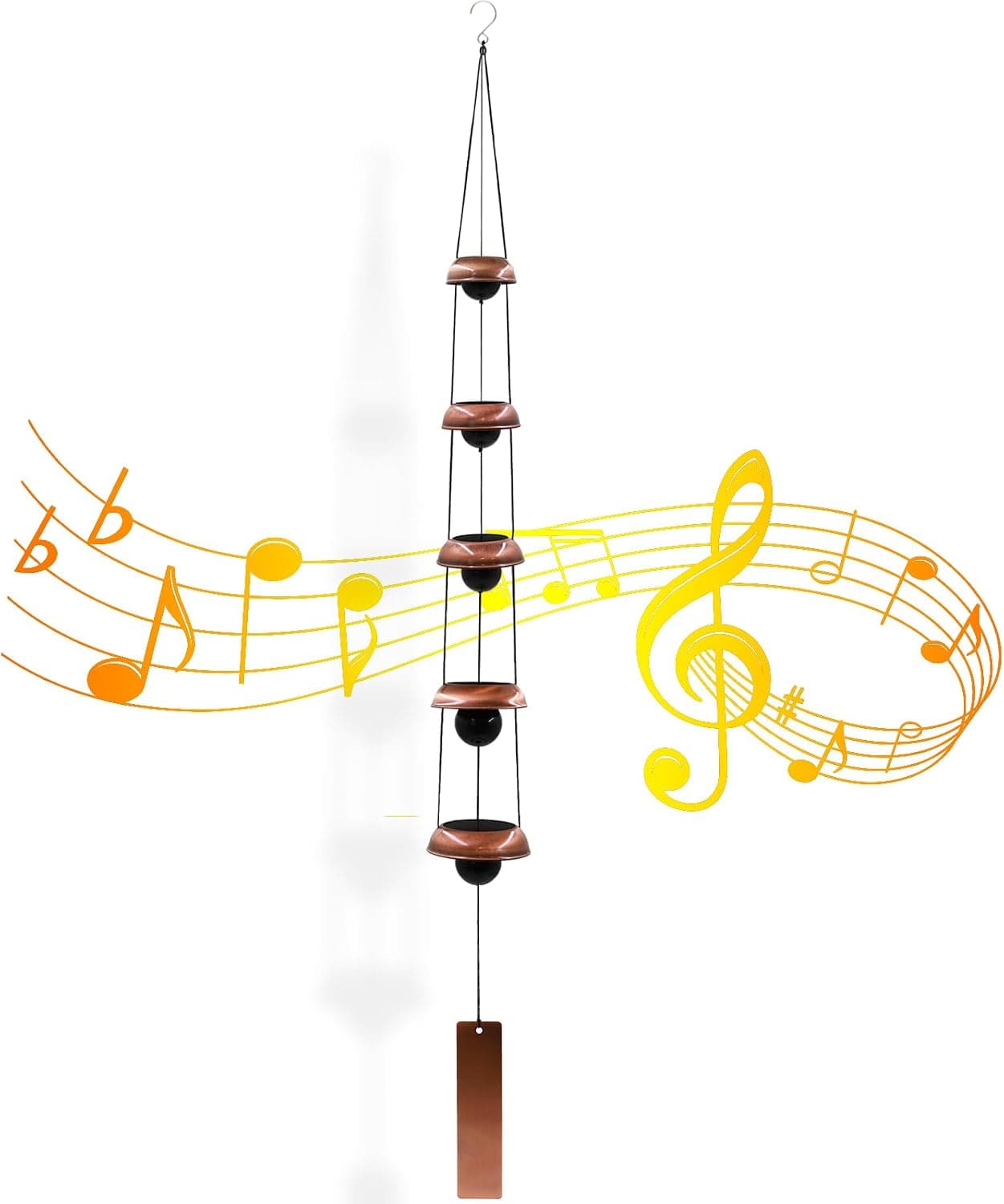 -19%
-19%Wind Chimes for Outside with 5 Bell Unique Copper Musical Chimes Feng Shui Wi...
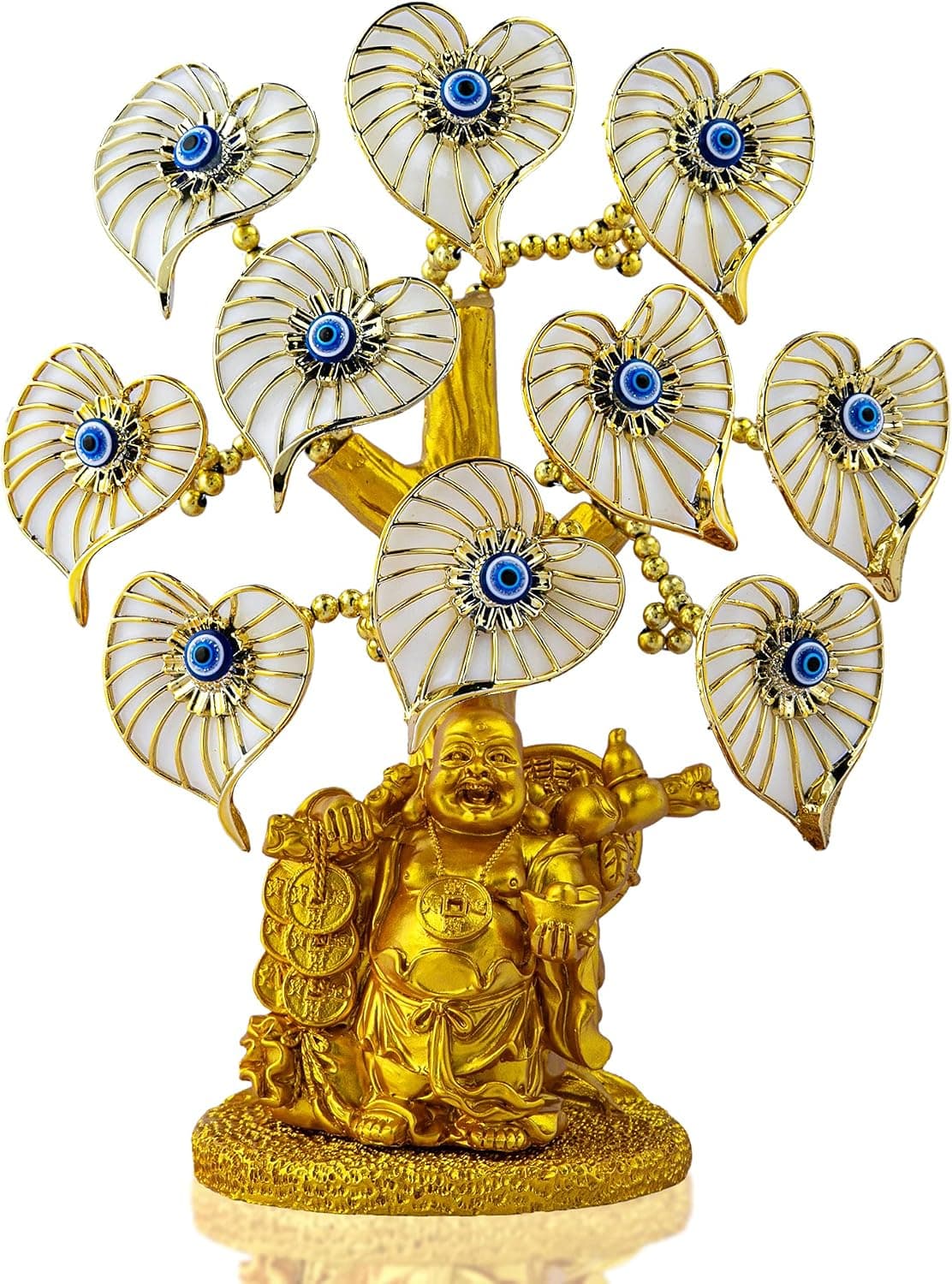 -5%
-5%YU FENG Evil Eye Money Tree, Blue Feng Shui Decor with Golden Buddha
 -29%
-29%Karma and Luck March Birthstone Crystal Tree of Life, Aquamarine Gemstone Fen...
 -29%
-29%Karma and Luck July Birthstone Crystal Tree of Life, Ruby Gemstone Feng Shui ...
As an Amazon Associate, we earn from qualifying purchases. We only recommend items our practitioners have personally tested.
Continue Your Journey
Explore these related guides to deepen your understanding:


Ready for Deeper Guidance?
Try our free I Ching reading for personalized wisdom, or explore our curated Feng Shui essentials.