
I've seen dead ficus trees in Wealth corners. Dying succulents on office desks. Poisonous plants in children's rooms. Plants are powerful tools — when they're alive.
I love plants in Feng Shui. When they're alive.
I've walked into homes where the Wealth corner contained a brown ficus dropping leaves onto the carpet. The Love corner had a cactus — yes, a spiky, defensive plant in the relationship zone. The Career area featured a beautiful but dying peace lily.
Dead plants emit dead energy. It's not a metaphor. Your subconscious registers decay. And in Feng Shui, where placement is everything, a dead plant in the wrong area is actively harmful.
Why Plant Advice Ignores the Obvious
Most guides give you a list: jade plant for wealth, bamboo for luck, peace lily for harmony. Buy these plants. Put them in the right corner. Magic happens.
Except it doesn't. Because the advice ignores three critical factors: light requirements, your ability to keep plants alive, and the plant's natural energy.
I had a client who bought five jade plants for her Wealth corner because "jade attracts money." Her Wealth corner was a dark hallway with no windows. The jade plants were dead within a month. She didn't attract wealth. She attracted mold.
Here's the truth: a healthy plant in the wrong corner is better than the "right" plant dead in the correct corner. Alive matters more than symbolic.
Mistake #1: Plants in Dark Corners
Your Wealth corner is in a windowless hallway. Your bathroom has no natural light. Your office is a basement. And you bought a fiddle-leaf fig.
Some plants tolerate low light. Snake plants. ZZ plants. Pothos. These are the soldiers of dark spaces. But most "Feng Shui plants" — jade, money tree, citrus — need bright, indirect light. Put them in darkness and you're not doing Feng Shui. You're doing plant hospice.
Before buying any plant, assess the light. Not what you wish the light was. What it actually is. Then choose a plant that thrives in those conditions. A happy snake plant in a dark corner carries better energy than a dying money tree in the same spot.
Mistake #2: Spiky Plants in Relationship Areas
Cacti are beautiful. Succulents are trendy. And their spiky energy is aggressive.
In Feng Shui, shape carries energy. Round leaves are soft, welcoming, nurturing. Pointed leaves are sharp, defensive, protective. There's a place for protection — near windows facing hostile architecture, by the front door, in a home office where you need boundaries. But in the Love corner? In a child's bedroom? Next to your bed?
I removed a cactus from a couple's Love corner once. They'd been fighting constantly. The cactus wasn't the only problem, but it wasn't helping. We replaced it with a heartleaf philodendron with soft, trailing vines. Their conflict didn't disappear overnight. But the atmosphere softened. They both noticed it.
Be careful with sharp plants. They're not bad. They're just specific.
Mistake #3: Poisonous Plants Indoors
This one should be obvious. But I see it all the time. Peace lilies (toxic to cats and dogs). Pothos (toxic if ingested). Dieffenbachia (highly toxic). These are popular indoor plants. And they can make your pets sick or worse.
Feng Shui is about harmony. Poison doesn't harmonize with anything. If you have children or pets, research every plant before bringing it inside. There are plenty of safe options: spider plants, Boston ferns, African violets, prayer plants. Beautiful. Non-toxic. Energetically clean.
Don't let aesthetics override safety. A toxic plant in a beautiful pot is still toxic.
Mistake #4: Too Many Plants in One Area
I've seen Wealth corners that looked like jungle exhibits. Seven plants crowded together. Competing for light. Dropping leaves. Creating humidity and mold.
More is not better. One healthy plant carries more energy than seven struggling ones. Overcrowding creates stagnant chi — the exact opposite of what you're trying to achieve. Plants need space to grow. So does energy.
Pick one or two plants per area. Give them room. Let them breathe. They'll thrive, and so will the energy.
Mistake #5: Fake Plants Instead of Real Ones
Look, I get it. Real plants die. Fake plants don't. Maintenance is easy. They always look green.
But fake plants carry no living energy. They're energetic placeholders. In Feng Shui, where chi is the entire point, a fake plant is like a battery with no charge. It looks right. It does nothing.
That said, a high-quality artificial plant is better than a dead real one. If you genuinely can't keep plants alive — if you travel constantly, if your home has no light, if you have a black thumb — use good artificial plants. Dust them regularly. Treat them with respect. But know that you're missing the living energy that makes plants powerful in Feng Shui.
Mistake #6: Ignoring the Element
Wood plants go in Wood areas. Obviously. But which areas are Wood?
The Southeast (Wealth) and East (Family) are Wood-dominant directions. These areas naturally support plants. But you can also use plants to feed Fire areas (South) or drain Earth areas (Southwest, Northeast) through the Controlling Cycle.
A plant in the South (Fire) actually supports the Fire energy — Wood feeds Fire. A plant in the Southwest (Earth) drains Earth energy — Wood controls Earth. Placement matters. The same plant in two different areas has two different effects.
Most people just follow the "put plants in Wealth" rule without understanding why. The why matters.
Mistake #7: Neglecting Plant Health
Yellow leaves. Brown tips. Drooping stems. Soil so dry it's pulling away from the pot. And the owner says, "It's fine, it's still alive."
A struggling plant emits struggling energy. It's like having a sick pet in your home — your subconscious picks up on the distress. If you can't care for a plant, remove it. A clean empty corner carries better energy than a dying plant.
Check your plants weekly. Water when needed. Remove dead leaves. Repot when root-bound. A healthy plant is a living source of Wood energy. A sick plant is a drain.
What to Plant Where
Wealth (Southeast): jade plant or money tree — but only if you have bright light. Otherwise, a healthy pothos or snake plant.
Love (Southwest): heartleaf philodendron or African violet. Soft, round leaves. Nurturing energy.
Career (North): lucky bamboo in water. Water supports the North's Water energy. Keep the water clean.
Health (Center): a large, healthy plant with broad leaves. Fiddle-leaf fig, monstera, or bird of paradise. The center feeds the whole home.
Start with one plant in one area. Keep it alive. Then add another. Living energy grows slowly. So should your plant collection.
Mei Chen
Traditionally informed guidance • Cross-referenced with classical Chinese source texts
Content draws from both Compass (Luopan) and Form (Xingshi) school traditions. Illustrative examples are composites based on consultation experiences.
Practitioner-Selected Tools for This Topic
Items our team has tested and found effective for the principles discussed above. Individual results may vary.
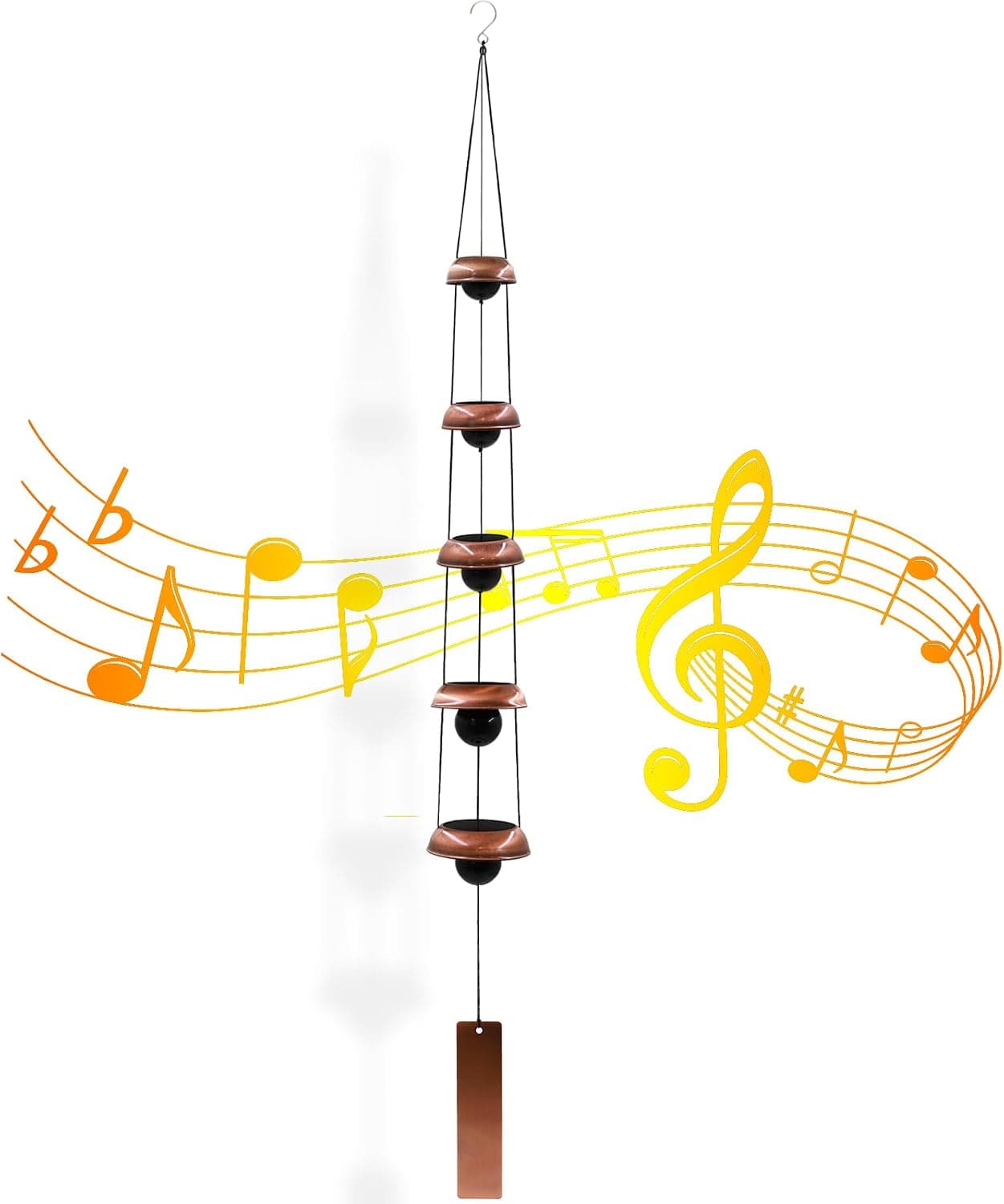 -19%
-19%Wind Chimes for Outside with 5 Bell Unique Copper Musical Chimes Feng Shui Wi...
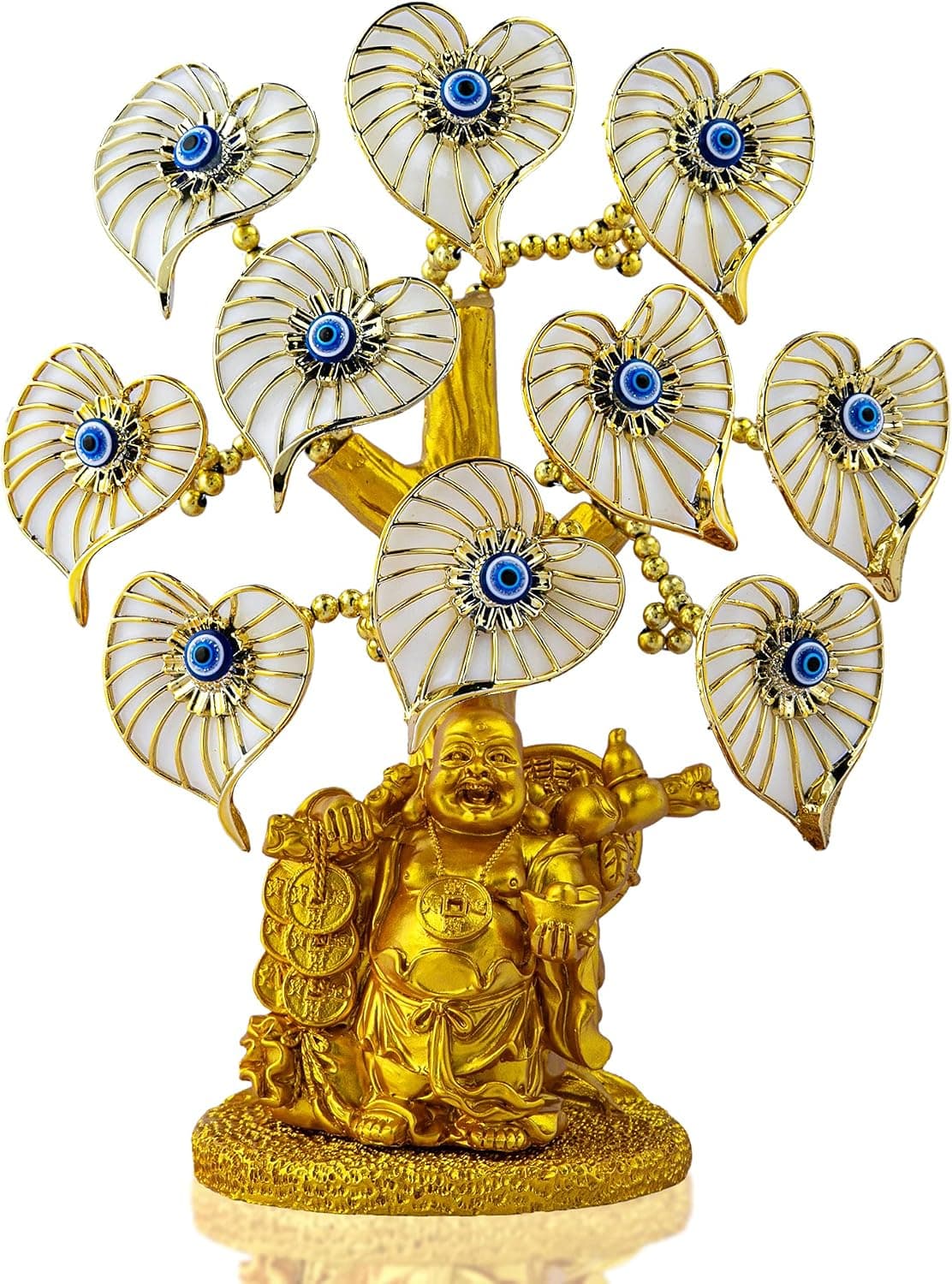 -5%
-5%YU FENG Evil Eye Money Tree, Blue Feng Shui Decor with Golden Buddha
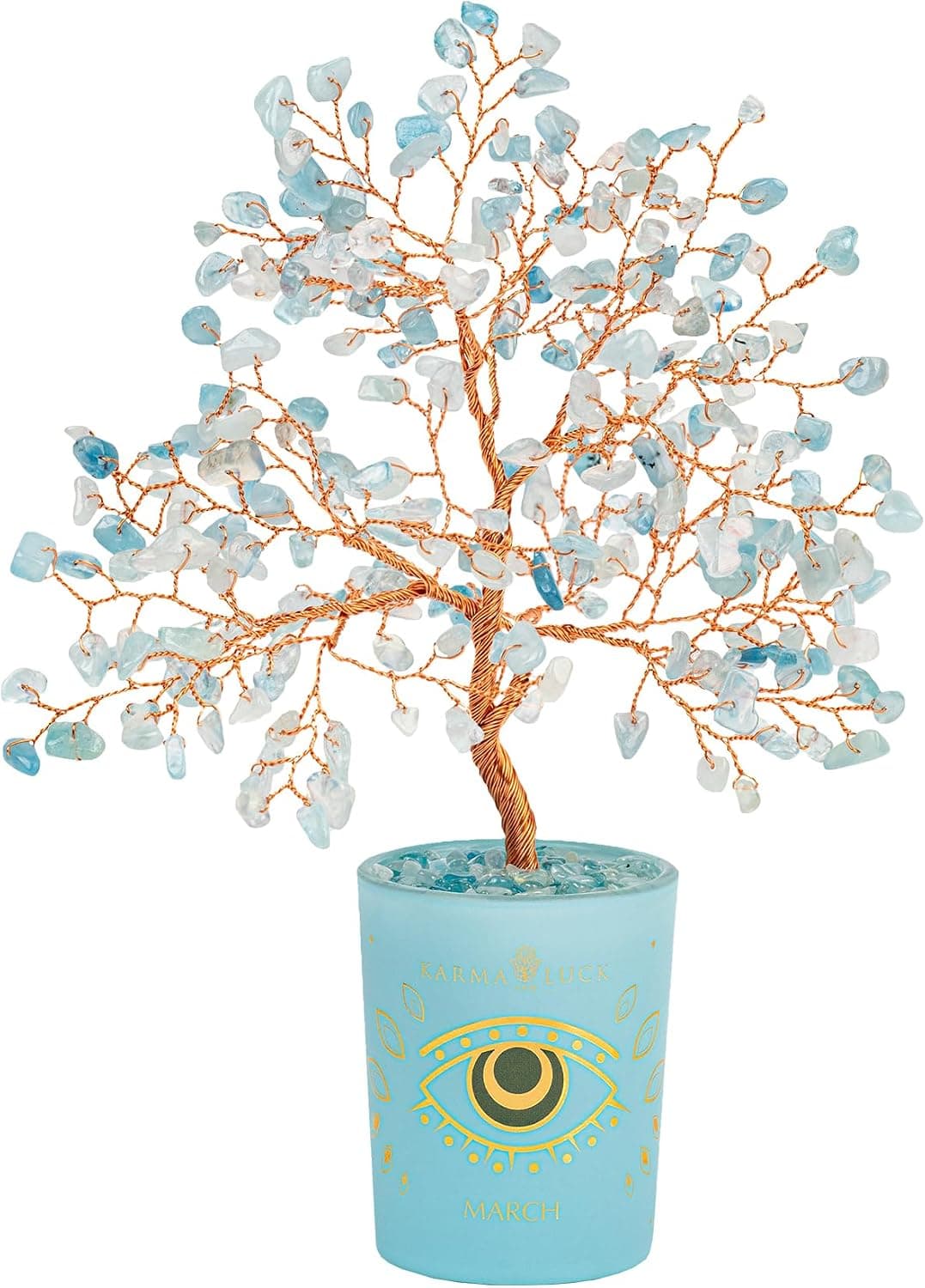 -29%
-29%Karma and Luck March Birthstone Crystal Tree of Life, Aquamarine Gemstone Fen...
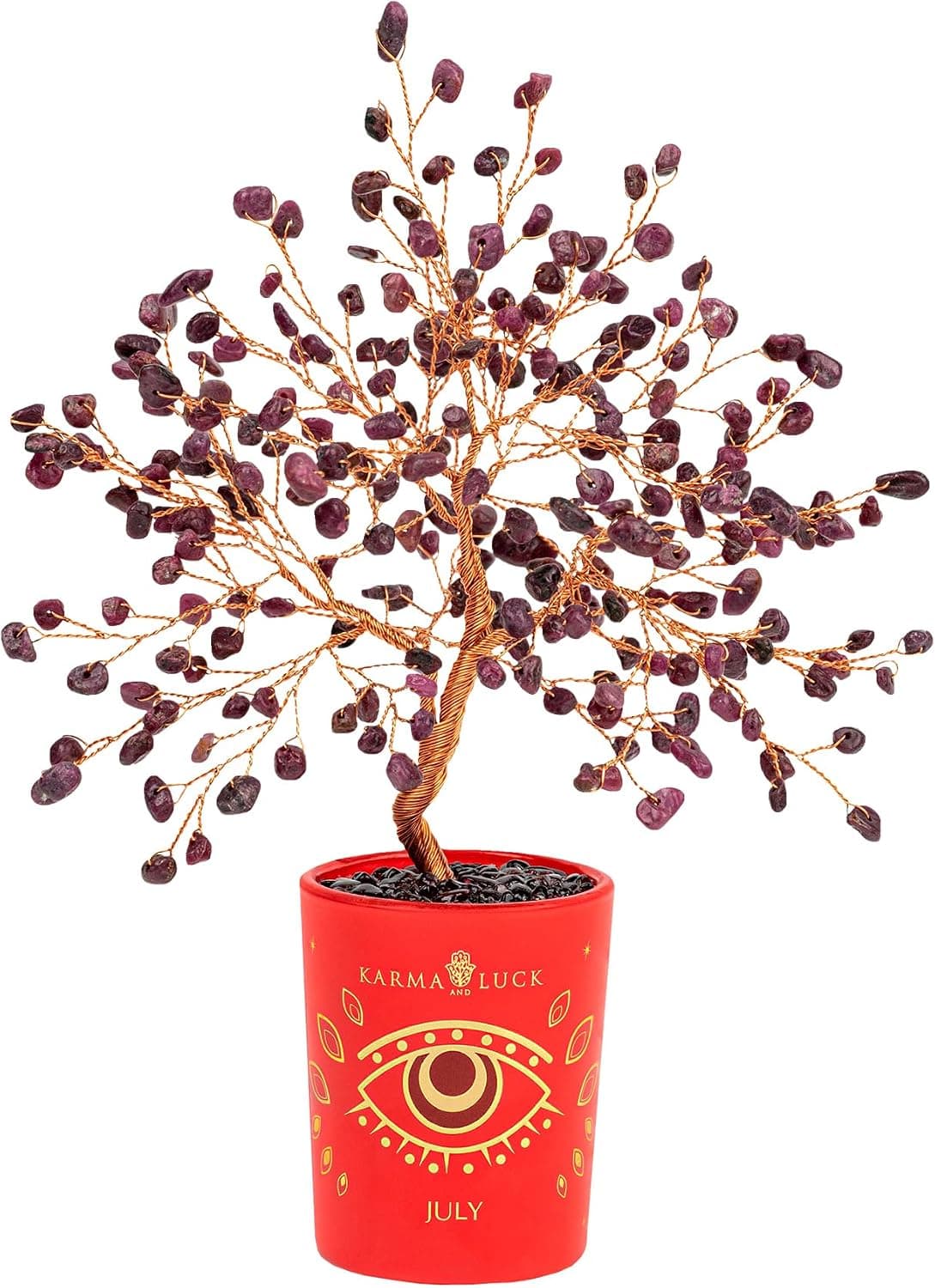 -29%
-29%Karma and Luck July Birthstone Crystal Tree of Life, Ruby Gemstone Feng Shui ...
As an Amazon Associate, we earn from qualifying purchases. We only recommend items our practitioners have personally tested.
Continue Your Journey
Explore these related guides to deepen your understanding:


Ready for Deeper Guidance?
Try our free I Ching reading for personalized wisdom, or explore our curated Feng Shui essentials.