
An L-shaped room can make a perfect map fail fast, because the missing corner changes how qi actually moves.
The Hidden Truth About understanding-map bagua
when the room is L-shaped. People line up a neat grid, mark the wealth corner, and feel satisfied, then the apartment still feels oddly split—one side busy, the other side forgotten, as if the floor plan itself refused the script.
I've watched this happen in a dining room with a red pendant light, a glass table, and a missing northeast corner that opened into the hallway. The owner had placed a lucky bamboo arrangement exactly where an online chart said to place it, right beside a white ceramic bowl, and still she kept losing receipts, skipping meals, and avoiding that half of the room. The problem wasn't effort. It was geometry.
The usual advice assumes the home forms a clean rectangle, because a square map can be projected evenly. An L-shaped layout breaks that assumption at the first step: the missing section doesn't just remove space, it changes how attention, movement, and habit distribute through the home. That is why a cure can look correct and still feel dead on arrival.
Read the shape first, then the overlay. A bagua chart is not a sticker; it's a measuring device. The room tells you where the current narrows, where it stalls, and which area keeps getting ignored because your body stops crossing into it. For a fuller floor-plan method, see how to map energy in your home without overthinking it.
Step One: The Missing Corner Changes Behavior Before It Changes Symbolism
An irregular layout does not only affect symbolism. It affects routes. In an L-shaped apartment, people unconsciously shorten their paths, because the brain avoids spaces that feel incomplete, shadowy, or awkward to enter. That means the “far” section of the house gets fewer footsteps, fewer cleanups, fewer pauses, and fewer daily decisions made inside it.
That reduction matters. Feng shui tracks lived attention, not wallpaper theory. A corner that never gets used starts collecting boxes, spare chairs, mail, and the kind of objects you promise to deal with later. Then the room behaves as if it has gone cold, because it has been treated like storage rather than a functioning part of the home.
People often blame their luck. The layout is doing the work.
In one small studio, the owner had a charcoal sofa pressed against the long wall and a pale blue reading chair stranded near the inner bend of the “L.” She had placed a brass wealth cure on the far ledge, but the only thing that changed was that she began hanging laundry there because the space felt remote. Once a room becomes a dumping ground, the map doesn't fail; the habits do.
Step Two: The Bagua Can Misfire When You Force Symmetry
Here is the part that surprises people: a perfect overlay can create a false sense of control. If you force the nine sections onto an irregular floor plan as though every area has equal weight, you may overcorrect the missing zone and ignore the part of the home that actually carries daily traffic. The front half may need calming, while the back corner needs activation; treating both as identical produces clutter in one place and vacancy in the other.
This is where conventional advice turns thin. A cure placed in the “wealth” sector of an L-shape may sit in a dead pocket with almost no visual or physical presence. That does not mean the object lacks meaning. It means the room has not been structured to receive it.
Try this instead: identify the path you naturally take from entry to kitchen, bedroom, and desk, because those routes reveal the living spine of the home. Then check where the bend interrupts that flow. The bend often needs the adjustment, not the farthest point on the chart.
For example, a narrow entry hall painted mustard yellow can pull the eye straight past the missing corner, while a dark plant stand beside the inner angle can make the area feel like an afterthought. Move the stand three feet closer to the main path, and suddenly the corner participates. It stops acting like a gap and starts acting like part of the room.
Step Three: Why One “Correct” Cure Sometimes Backfires
Someone followed all the usual chart instructions in a split-plan flat and it backfired. She added a money bowl, a red ribbon, and three Chinese coins to the farthest bend of the living room, then wondered why the space felt tense. The answer was simple: she had loaded a weak zone with symbolic pressure, but never gave it circulation, light, or a reason to be noticed.
The effect was subtle and annoying. She began pacing around the sofa instead of sitting down. Bills stayed on the kitchen counter. Her partner started leaving keys in the entry tray because the back portion of the room felt too separate to bother with. That is how an L-shape shows its teeth: not through drama, but through small evasions.
Symbolic cures work better when the room already functions. If the corner is dark, unreachable, or visually severed, start with access. Open the route. Shift the lamp. Clear the stack of cardboard. Then place the object. The order matters because qi follows use, and use follows comfort.
For objects tied to money management, coin placements that make money feel managed, not chaotic are useful only after the space can actually hold attention. Otherwise the coins become decoration beside a problem the room has already announced.
And yes, that includes kitchens and passage corners. A knife block too close to a blind turn can sharpen the mood in a way nobody names until dinner gets strangely clipped. See why kitchen knives placement matters more than people expect if your floor plan keeps funneling traffic past the stove.
Step Four: The Practical Correction for Irregular Geometry
Start with function, not superstition. Walk the space at the same time each morning, preferably when the light is honest, and notice where your shoulders tighten, where your eyes skip, and where you slow down for no reason. Those spots usually mark the points where the layout interrupts flow.
Then give the missing or awkward area a job. A reading lamp, a small bench, a plant with broad leaves, or a low shelf can make an abandoned pocket feel claimed. The goal is not to force grandeur into a bad angle. The goal is to make the space active enough that the body stops treating it like a mistake.
Keep contrast in mind. A pale wall beside a darker recess can exaggerate the cut in the floor plan, while a continuous rug can visually stitch the route together. I have seen a navy runner transform a jagged living-dining bend because it gave the eye one clear line to follow from the door to the window.
That line matters more than the label on the corner. If the route is smooth, your habits become smoother too: mail gets opened sooner, chairs get used instead of piled, and the room stops collecting unfinished intentions. You can feel the shift in ordinary moments—less skimming past, more settling in.
For homes where the whole layout feels skewed, the effect often overlaps with other structural issues. An L-shaped apartment can carry the same fractured sensation people blame on furniture, yet the root sits in the plan itself; the L-shaped apartment problem that quietly breaks feng shui shows how that happens room by room. If the bedroom is the weak link, turning a bedroom into a sanctuary requires less than you'd think once the geometry stops fighting you.
One more thing: don’t over-praise the missing corner as though emptiness alone were elegant. Sometimes emptiness is just neglected space with better lighting. A quiet corner can be useful, but only after it feels included in the household’s daily circuit.
How to Read the Room Before You Read the Chart
First observe the traffic. Where do shoes land, where does laundry gather, and which chair gets used without effort? Those are the real centers of gravity.
Next inspect the bend in the shape. In an L-plan, the inside angle often holds more influence than the farthest edge, because it is where movement splits or turns. That split can either organize the room or keep it fragmented, depending on whether the angle is lit, visible, and occupied.
Then decide whether the chart should be adjusted, not the house. A map that ignores geometry is only half a map.
For some homes, the bagua grid needs to be read from the main entry only; for others, you have to compare both wings of the floor plan and treat them as separate currents. This is where a compass can help, but only if you know how to hold it against a real floor plan instead of a tidy ideal. Reading a feng shui compass wrong is more common than you'd think, especially when walls are not doing you any favors.
Common Missteps That Make Irregular Homes Feel Worse
One common mistake is loading the missing area with too many symbolic items. The homeowner feels proactive, because the corner now contains crystals, coins, a candle, and a plant. The result is not balance; it is visual fatigue, and the room starts feeling crowded without becoming more coherent.
Another is using the same remedy in every odd-shaped room. That sounds efficient. It isn't. A hallway bend, a slanted living room, and a cut-out bedroom each fail in different ways, so each asks for a different adjustment in light, access, or furniture line.
Some people also paint by belief instead of by effect. A deep burgundy wall in a back recess can make the cut in the floor plan feel heavier, while a soft mineral tone may help the edge dissolve into the rest of the home. The color itself is not magic. The visual weight is.
And then there is the obsession with “activating” every corner. No space needs to be loud. Sometimes a branch of the house should simply be usable, clean, and easy to cross. That alone changes the tone.
For homes that already feel skewed by yearly influences, annual remedies can stack badly on top of the geometry. See three flying star mistakes that keep homes off balance if you have layered cures without checking the floor plan first. The old habit of treating all rooms the same is exactly how people end up with a home that looks arranged but lives unevenly.
FAQ
Is conventional understanding-map bagua advice reliable? Often not on its own. It works best in rectangular homes with clean circulation, because the chart can sit evenly over the plan. Once the layout bends, the advice can become too neat for the actual room.
Should I ignore the missing corner altogether? No, but don't worship it either. A missing section still matters because it changes movement and attention, yet the better question is whether that area can be made functional enough to join the rest of the home. Start with light and access before adding symbols.
What if my L-shaped room has already been “cured” and still feels off? Then the cure may be sitting in a weak pocket. Move your eye to the daily route, the light source, and the place where you instinctively hesitate. A remedy placed in a dead zone can look correct while doing almost nothing.
Do I need a compass for every irregular floor plan? Not always. Sometimes the most useful data comes from watching how you live in the room rather than measuring it to the millimeter. Still, if the plan is complex, a compass reading can help you separate orientation issues from geometry issues, which are not the same thing.
Look at the room at dusk, when the lamp in the inner bend comes on first and the far corner stays half-shadowed. That uneven light usually tells the truth before any chart does.
Mei Chen
Traditionally informed guidance • Cross-referenced with classical Chinese source texts
Content draws from both Compass (Luopan) and Form (Xingshi) school traditions. Illustrative examples are composites based on consultation experiences.
Practitioner-Selected Tools for This Topic
Items our team has tested and found effective for the principles discussed above. Individual results may vary.
 -19%
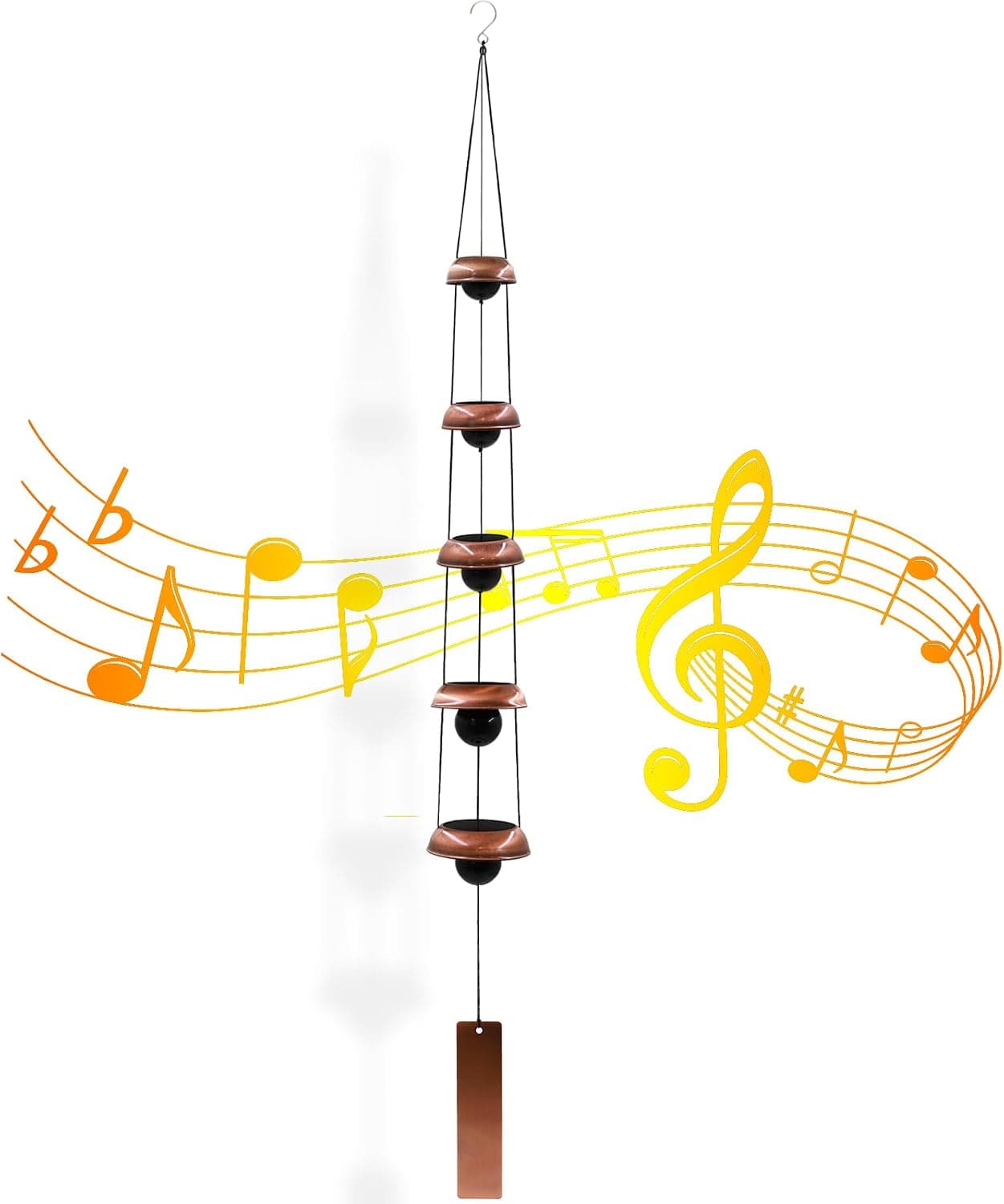
-19%Wind Chimes for Outside with 5 Bell Unique Copper Musical Chimes Feng Shui Wi...
 -5%
-5%YU FENG Evil Eye Money Tree, Blue Feng Shui Decor with Golden Buddha
 -29%
-29%Karma and Luck March Birthstone Crystal Tree of Life, Aquamarine Gemstone Fen...
 -29%
-29%Karma and Luck July Birthstone Crystal Tree of Life, Ruby Gemstone Feng Shui ...
As an Amazon Associate, we earn from qualifying purchases. We only recommend items our practitioners have personally tested.
Continue Your Journey
Explore these related guides to deepen your understanding:


Ready for Deeper Guidance?
Try our free I Ching reading for personalized wisdom, or explore our curated Feng Shui essentials.