
Your front door is the mouth of chi — and most people block wealth before it even enters. I've seen doors painted the wrong color, cluttered with shoes, facing hostile architecture.
I've walked up to hundreds of front doors. Some feel inviting. Others feel like a warning. The difference isn't budget — it's energy.
Your front door is the mouth of chi. Every opportunity, every relationship, every dollar enters through this portal. Mess it up, and you're literally blocking your own luck. Most people mess it up.
The Front Door Advice That Actually Hurts You
The standard advice says: paint your door red for luck. Hang a wind chime. Add a welcome mat. Keep it clean. Fine. Surface-level. And often wrong.
Here's what actually matters: the path to your door. A beautiful red door with a cracked walkway, overgrown bushes, and a burned-out porch light? The chi is already dead before it knocks. Most advice skips this because it's less sexy than choosing a paint swatch.
And the color thing? Red is only lucky for South-facing doors. Paint an East-facing door red, and you're adding Fire to a Wood direction. That creates burnout energy, not wealth. I've seen people paint their door red because "red is lucky" and then wonder why they feel constantly frantic.
Mistake #1: A Door That Can't Open Fully
This one seems obvious. But I see it constantly. A door blocked by a shoe rack. A welcome mat that bunches up. A storm door that sticks. The main door can't open past 90 degrees.
Symbolically, this means opportunities can't fully enter your life. Practically, it creates frustration every time you come home. Both matter.
Clear the space behind the door. Oil the hinges. Fix the sticking. When your door opens smoothly and fully, something shifts. You feel it immediately.
Mistake #2: Dead Plants at the Entrance
Those potted plants flanking your door? If they're brown, wilted, or half-dead, they're emitting dead energy at the exact point where energy enters your home. It's like greeting every opportunity with a sigh.
I visited a home where the owner had two large ficus trees by her front door. Both were dropping leaves. She'd been struggling with her business for months. We replaced the dead plants with healthy lavender. Her next client call came two days later. I'm not saying the plants caused it. But the energy shift was real.
If you can't keep outdoor plants alive, use something artificial and high-quality. Or use stone, metal sculptures, or a water feature. Dead plants are worse than no plants.
Mistake #3: A Door Facing a Hostile Structure
A T-junction pointing at your door. A telephone pole directly in front. A neighbor's roofline aiming at your entrance. These are forms of "poison arrow" Sha Qi — hostile energy directed straight at your home.
Your nervous system picks this up even if your conscious mind doesn't. There's a subtle tension every time you approach your door. Over time, that tension accumulates.
The classic cure is a Bagua mirror placed above the door, facing outward. It reflects the negative energy back. Some practitioners use a convex mirror — it disperses the energy rather than reflecting it directly. Both work. Choose what feels right for your situation.
Mistake #4: The Wrong Color
Red door equals lucky door. Everyone knows this. Except it's wrong half the time.
Your door color should match your home's facing direction, not generic advice. South (Fire) = red, orange, purple. North (Water) = black, dark blue. East (Wood) = green, brown. West (Metal) = white, gray, metallic. Southeast (Wood) = green. Southwest (Earth) = yellow, beige. Northeast (Earth) = yellow. Northwest (Metal) = white, gray.
A client painted her North-facing door bright red. North is Water. Red is Fire. Fire and Water clash. She couldn't figure out why she felt constantly agitated. We repainted it deep blue. Within a week, her sleep improved. Her mood stabilized. The door color matters more than most people think.
Mistake #5: A Cluttered or Dark Entry
Shoes everywhere. Mail piled up. A burned-out porch light. The bulb flickering. This is how you welcome chi?
The first six feet inside your door are called the "Ming Tang" — the bright hall. This is where chi first enters and settles. If it's cluttered, dark, or chaotic, the energy becomes confused before it even reaches the rest of your home.
Keep this space clean. Add light — bright, warm light. A small table for keys and mail. A mirror to expand the space (but not facing the door — that pushes energy back out). Make the entrance feel like a welcome, not an obstacle course.
What to Fix This Weekend
Walk up to your door as if you're visiting for the first time. What do you see? A clear path? Healthy plants? Good light? A door that opens fully? Or clutter, darkness, and obstacles?
Fix the path first. Then the light. Then the color. In that order. The path matters more than the paint. Most people get this backwards.
Mei Chen
Traditionally informed guidance • Cross-referenced with classical Chinese source texts
Content draws from both Compass (Luopan) and Form (Xingshi) school traditions. Illustrative examples are composites based on consultation experiences.
Practitioner-Selected Tools for This Topic
Items our team has tested and found effective for the principles discussed above. Individual results may vary.
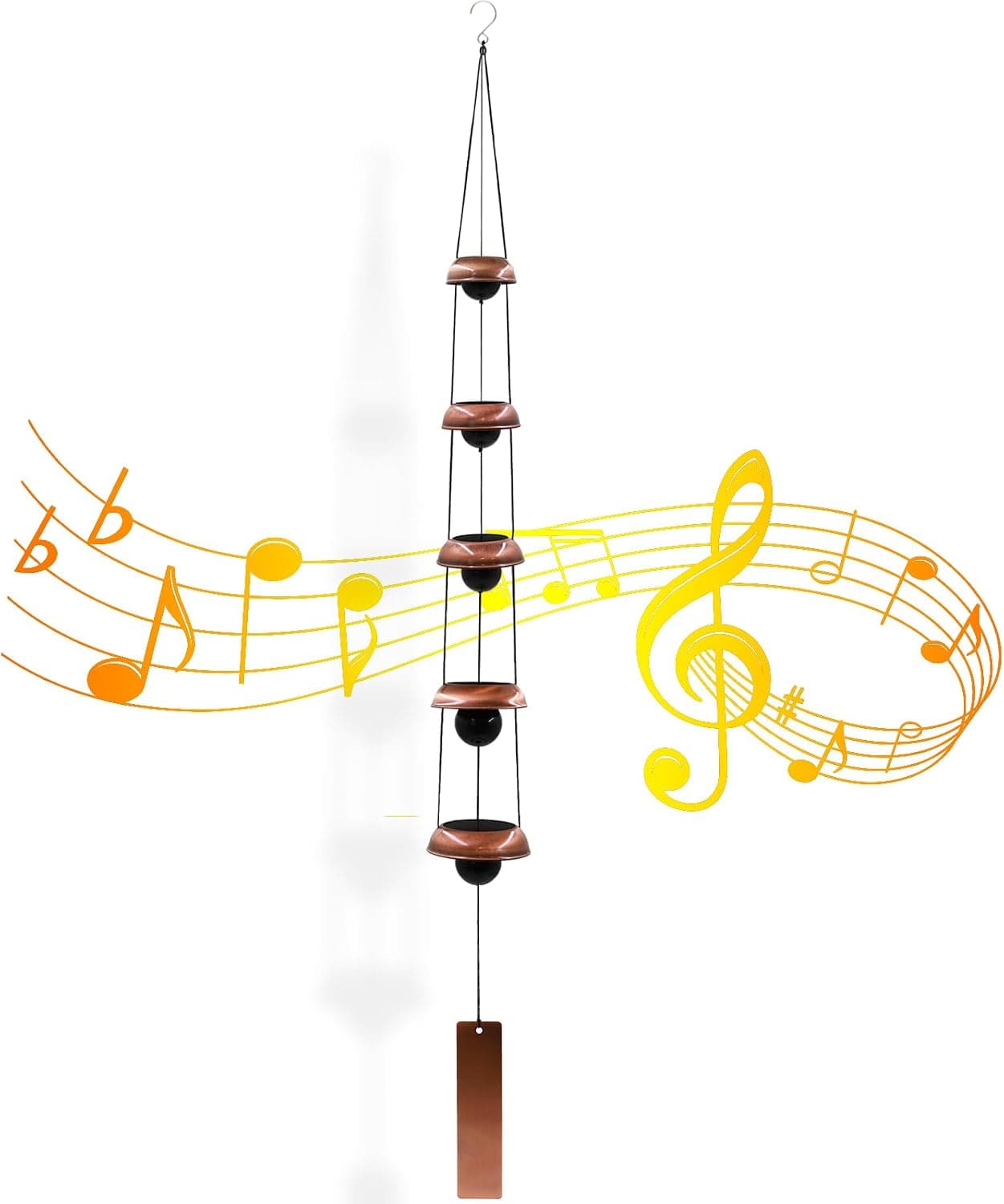 -19%
-19%Wind Chimes for Outside with 5 Bell Unique Copper Musical Chimes Feng Shui Wi...
 -5%
-5%YU FENG Evil Eye Money Tree, Blue Feng Shui Decor with Golden Buddha
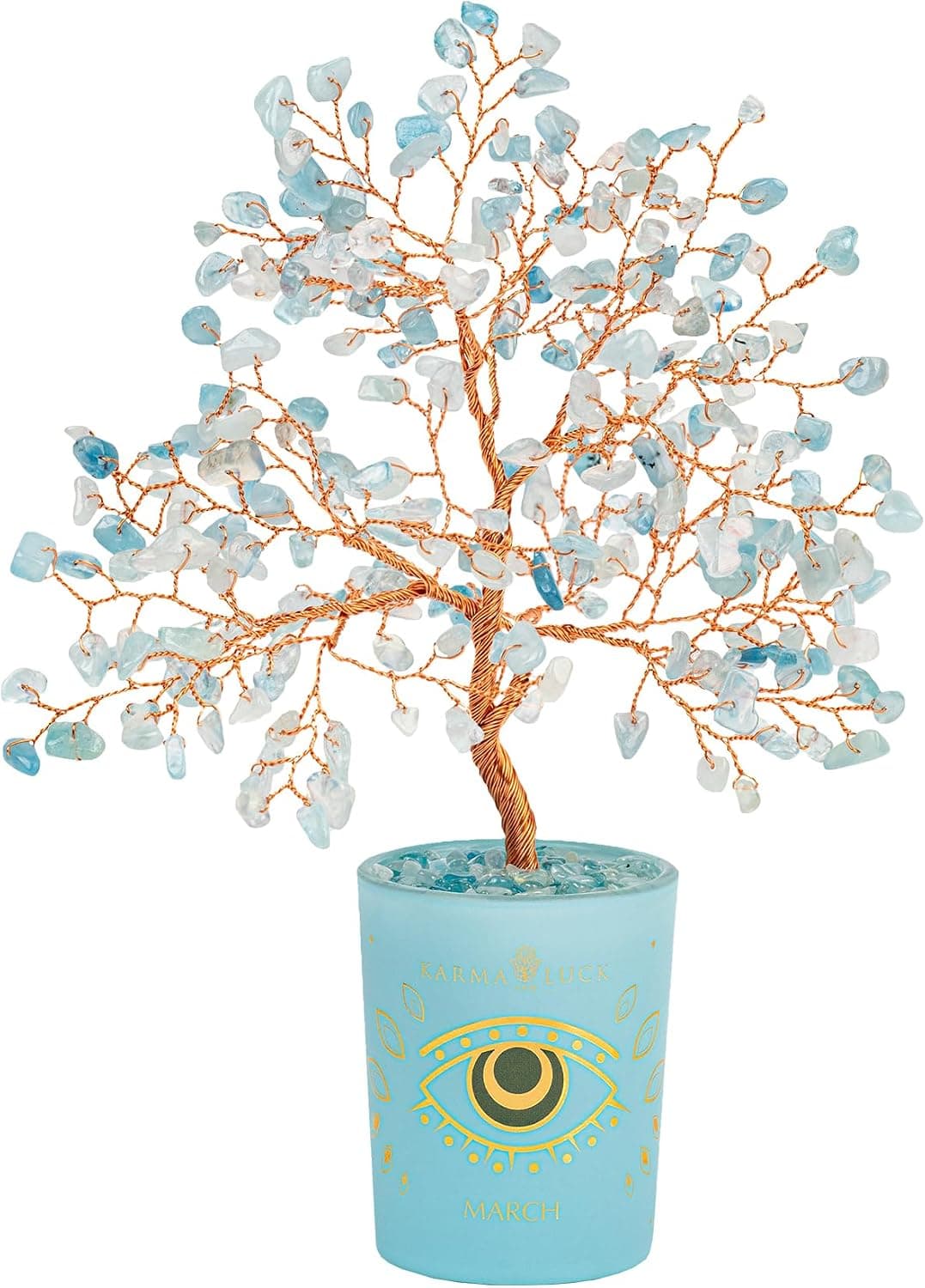 -29%
-29%Karma and Luck March Birthstone Crystal Tree of Life, Aquamarine Gemstone Fen...
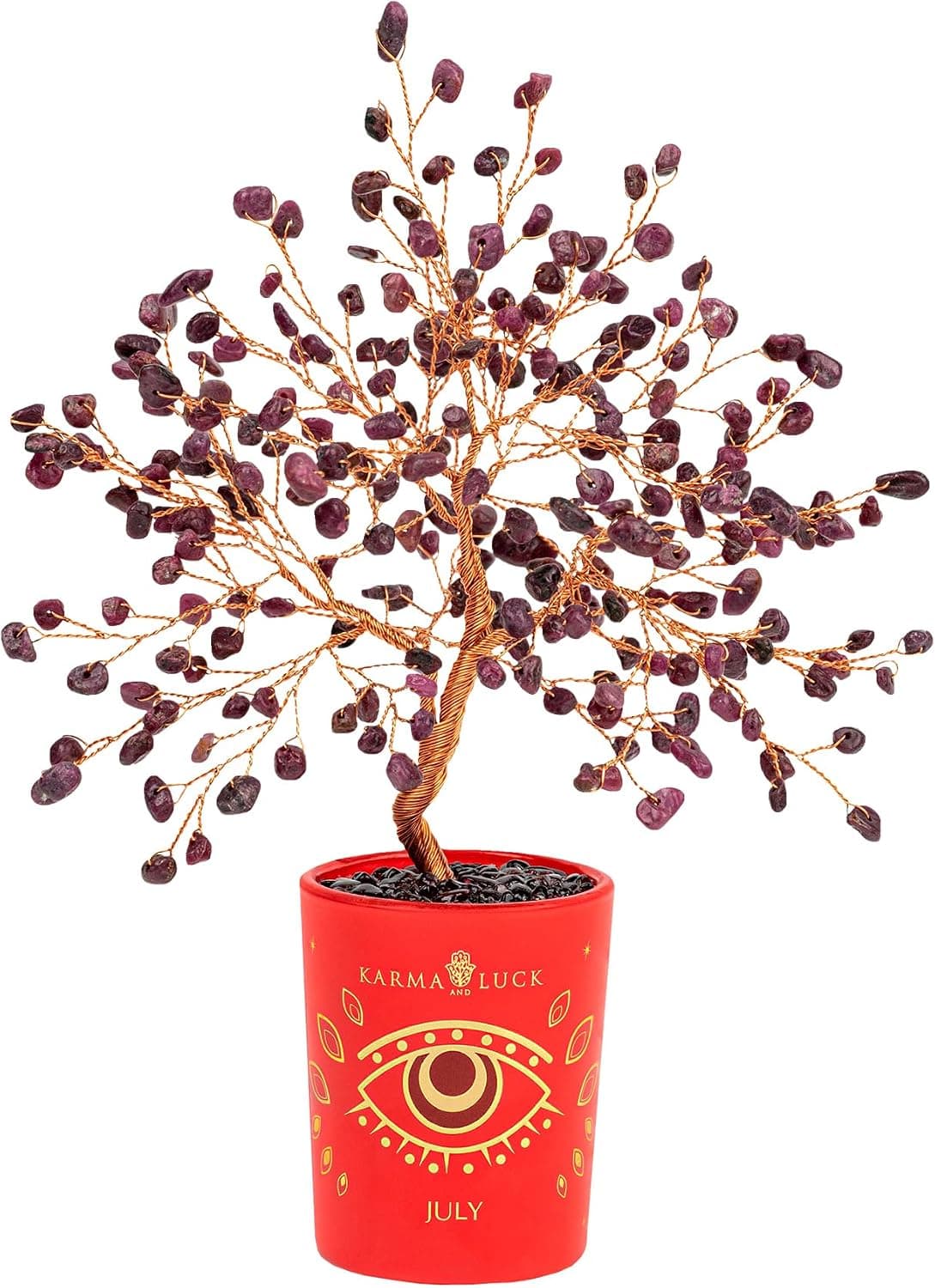 -29%
-29%Karma and Luck July Birthstone Crystal Tree of Life, Ruby Gemstone Feng Shui ...
As an Amazon Associate, we earn from qualifying purchases. We only recommend items our practitioners have personally tested.
Continue Your Journey
Explore these related guides to deepen your understanding:


Ready for Deeper Guidance?
Try our free I Ching reading for personalized wisdom, or explore our curated Feng Shui essentials.