The annual chart is not a lucky-direction poster; it is a moving map of pressure, support, and hidden friction.
Why one room feels off while the next room feels fine
In 2027, the same home can produce two very different experiences because the nine-palace overlay does not land equally on every room. A bedroom may pick up a harsh combination at the same time the living room sits in a calmer sector, so one space starts disrupting sleep while the other keeps life moving.
I have seen this in a narrow apartment where the resident insisted the whole place felt “bad,” but the real problem was a hallway that absorbed the annual pressure while the main bedroom remained relatively stable. The hallway had a bright ceiling light, a metal shoe rack, and constant foot traffic from the entry to the kitchen; that mattered more than the online lucky-direction list.
That is the first correction: the flying stars 2027 chart does not describe a home as one flat object. It describes interacting zones, because a chart only becomes useful when you place it over a floor plan and ask what each sector is actually doing to daily behavior.
The surprise is that people often blame the room they already distrust. If a bedroom is dark, cluttered, or noisy, they call it unlucky faster than they would call a brightly lit storage room unlucky, even when the chart says the opposite. Human attention loves a story, and feng shui has to work against that bias.
What the annual chart really measures
The annual chart is not a prediction of fate, and it is not a fixed scorecard for the whole house. It measures how the year’s moving stars alter the way a specific space behaves, because each palace tends to strengthen certain patterns: rest, pressure, visibility, delay, distraction, or conflict. The same star can feel helpful in one room and disruptive in another because the room’s use determines how that influence is translated into daily life.
Think of it as a set of conditions interacting with existing habits. A sector does not “cause” everything on its own; it changes the ease or difficulty of what is already happening there. If a room is already active, a lively annual pattern can push it into overstimulation. If a room is already quiet, the same pattern may be almost invisible. That is why the chart is more useful as a behavioral map than as a lucky-or-unlucky label.
Physical layout matters because rooms amplify what they are designed to do. A favorable sector in a corridor with low hum from appliances, echoing footsteps, and a door that bangs all day will not behave like a favorable sector in a quiet study. The corridor turns movement into a constant signal, while the study reduces it into background noise. In other words, the chart shows potential; the room’s function decides how strongly that potential is felt.
The reverse is just as common. A sector labeled difficult can become manageable if it supports a stable routine, soft light, and minimal traffic. A bedroom can absorb a rougher pattern better than a workspace because sleep tolerates less motion and more containment. Feng shui is not cheerleading. It is structure, and structure changes outcomes by changing how much friction a space creates.
How the 2027 chart is built from Luo Shu movement
The logic starts with the Luo Shu, the nine-palace grid that places numbers across a square of directions and functions. In annual practice, those numbers move, so the year assigns a fresh pattern to the same house, and each palace receives a new mix of stars that interact with whatever room happens to sit there. The reason this matters is simple: the house does not change shape, but the energetic emphasis does, so a bedroom, kitchen, or hallway can inherit a very different role from one year to the next.
The key is not memorizing isolated numbers. You need to understand placement and movement, because a star in the center behaves differently from the same star on the edge of a compact apartment. The center tends to influence circulation, atmosphere, and how easily energy spreads through the whole home, while outer sectors affect the rooms where people actually eat, sleep, work, and argue. A star can therefore feel abstract in the middle yet concrete at the perimeter.
For a small flat, this matters even more. A studio may compress bedroom, office, and living zone into one open plan, which means the annual chart can affect the same person through several functions at once. One lamp, one desk angle, one mirror, or one open doorway may turn a mild sector into a loud one because the room has no hard boundary to contain the effect. In compact housing, movement and light travel farther, so the stars appear stronger than they would in a segmented house.
If you want a practical method, start by drawing your floor plan and dividing it into nine equal sectors, then align that grid with the home’s facing direction and main entrance. That is where directional reading and layout logic stop being abstract and start becoming usable. Once the sectors are mapped, note which room, passage, or storage zone sits in each palace and whether it is active, quiet, or neglected. Those notes tell you why one sector will react sharply to the annual pattern while another barely moves.
The mistake is to treat the chart like wallpaper. It is more like an operating system. The annual stars supply conditions, but the room’s function decides how those conditions get experienced.
Read combinations, not single numbers
A single star label can mislead you if you ignore the other stars sharing the sector. One number may suggest recognition, another may suggest arguments, and a third may add heaviness or delay; together they create a tone that is more complex than “good” or “bad.”
This is where many readers get lazy. They want a sector summary that tells them exactly what to buy, where to place a crystal, and which direction to sleep. But the chart works more like weather: wind, pressure, and temperature all matter at once.
In 2027, watch especially for combinations that intensify movement in already active spaces. An entryway with bright glare, a hard reflective surface, and constant door opening can magnify restlessness even if the sector is nominally supportive. A bedroom with soft curtains and low traffic can soften a more difficult combination because the room’s yin quality counters excess activity.
That yin-yang balance is not mystical decoration. It is the old idea that useful order comes from matching the room to its job. Rest needs containment. Work needs alertness. A social room can tolerate more movement, but a sleeping room cannot.
So when you read the flying stars 2027 chart, ask three questions: What does this room do? How much movement does it already have? What does the star combination add to that behavior? That sequence gives you a real answer, not a horoscope.
How to apply it to apartments, houses, and offices
A homeowner with a north-facing bedroom may find that the annual advice online points to a supposedly fortunate sector, yet sleep still worsens because the room receives a low mechanical hum from a bathroom fan nearby and light from a hallway sconce after midnight. The chart did not fail; the physical conditions overrode the theory.
In a studio, the biggest annual influence may land on the one area that doubles as everything. A desk near the window can be in a different palace than the bed by the wall, but the same open plan links them through sound, light, and habit. If the desk faces a busy corridor of movement, focus gets fragmented no matter how favorable the number looks on paper.
Offices are even less forgiving. I have watched an office manager blame a “bad direction” for falling productivity, only to discover that the real drain was shared circulation: people crossed behind the desk every few minutes, a printer rattled in the same sector, and a glass partition threw bright reflections across the monitor. The problem was traffic flow, desk placement, and noise, not luck alone.
That is why workplace layout needs its own reading. A chart can show where pressure lands, but the office plan tells you whether the pressure becomes distraction, conflict, or simple background energy. A sector used for storage can absorb a difficult annual pattern better than a sector used for sleep or concentrated work.
Room-by-room mapping helps here. Bedrooms are sensitive to restless combinations. Kitchens can amplify heat and movement. Corridors spread energy quickly, which means they can either relieve congestion or create nervousness. Entryways shape first impressions and habit formation. Storage areas often hide trouble until clutter spills outward.
When the annual advice helps, and when natal matters more
Annual guidance is useful when you need a current-year adjustment. It tells you where to be careful now, where to quiet activity, and where a room can tolerate more use. But if a room has always felt heavy, or a relationship pattern keeps repeating year after year, the natal flying stars chart may be doing more of the work than the annual one.
That distinction matters because people love to blame the current year for a problem that began long before January. A problematic sector can be made worse by the annual stars, but it usually has a history. The natal chart explains the background; the annual chart explains the weather.
Use the annual layer first for immediate conditions: sleep, focus, friction, and traffic. Then compare it with the natal pattern if the same room keeps producing the same result after you have already changed clutter, lighting, and circulation. If nothing changes after good adjustments, the issue is probably deeper than the yearly overlay.
And if you live in a rental, do not wait for perfect conditions. You rarely get them. You get a thermostat that never sits quite right, a fixed appliance layout, and a window that faces whatever it faces. Work with what moves: lamps, textiles, seating, and the path your body takes through the space.
A usable 2027 sector map for your own place
Start with the center of the home, because the center tells you how much the whole place is carrying. If it is crowded with boxes, old paper, or visual noise, the entire system feels tighter. Then mark the outer sectors and identify the rooms that matter most: sleep, work, entry, and circulation.
Next, ask whether each sector should be more yin or more yang. Bedrooms want softness, lower glare, and fewer interruptions. Work areas want clear sightlines and steady light. Hallways and entries can handle more motion, but they should not become clutter traps that force the body into a constant state of alert.
Then test the room like a practitioner, not a decorator. Stand in the doorway at different hours. Notice where the sun hits. Listen for appliance noise, neighbor footsteps, or a vent that creates a faint draft. Watch how shadows shift. These details matter because they tell you what the stars will actually meet when they land there.
If a difficult sector contains a bed, reduce stimulation first: move bright objects out, lower reflective surfaces, and close off visual clutter. If a strong sector contains a desk, support it with orderly storage and a chair position that does not force constant turning. If a hallway becomes the most active sector, keep it clean and open so movement stays smooth instead of agitated.
For a quick home worksheet, draw your floor plan, divide it into nine sectors, label each room’s function, note the year’s pressure points, and mark anything that adds movement: mirrors, fans, appliances, traffic paths, glare, or noise. That simple page is more useful than a pile of generic predictions because it turns the chart into a decision tool.
The entry deserves special attention, because it sets the pace for everything that follows. If the front area feels blocked, abrupt, or overlit, the rest of the home often has to compensate.
And do not overbuy cures. The most common error is piling objects into a sector as if quantity could overpower structure. The second is trusting a single label and ignoring how a room is actually used. A room that supports calm routines will feel supportive; a room that keeps interrupting sleep or focus will feel hostile, even when the chart looks flattering on paper.
FAQ
How do I know whether to follow the annual chart or my natal chart?
Start with the annual chart when the issue is current and obvious: a room feels louder, sleep changes, or work focus drops in a specific year. If the same sector has caused repeated trouble across several years, the natal pattern is probably deeper and deserves a closer look.
Can one room be fine while another feels wrong in the same year?
Absolutely, because each room sits in a different sector and performs a different job. A quiet bedroom can suffer from a mild annual disturbance that an active living area barely notices.
Do I need a perfect floor plan to use the 2027 chart?
No perfect plan exists in real life, especially in apartments. A workable sketch, the facing direction, and a careful look at traffic, light, and function will get you much farther than waiting for precision that never arrives.
What if the chart says a sector is favorable but the room still feels off?
That is common, and the room usually has a hidden variable the chart does not override: glare, noise, drafts, clutter, or a layout that makes people act restlessly. The star label may be supportive, but the environment still sets the daily experience.
Mei Chen
Traditionally informed guidance • Cross-referenced with classical Chinese source texts
Content draws from both Compass (Luopan) and Form (Xingshi) school traditions. Illustrative examples are composites based on consultation experiences.
Practitioner-Selected Tools for This Topic
Items our team has tested and found effective for the principles discussed above. Individual results may vary.
 -19%
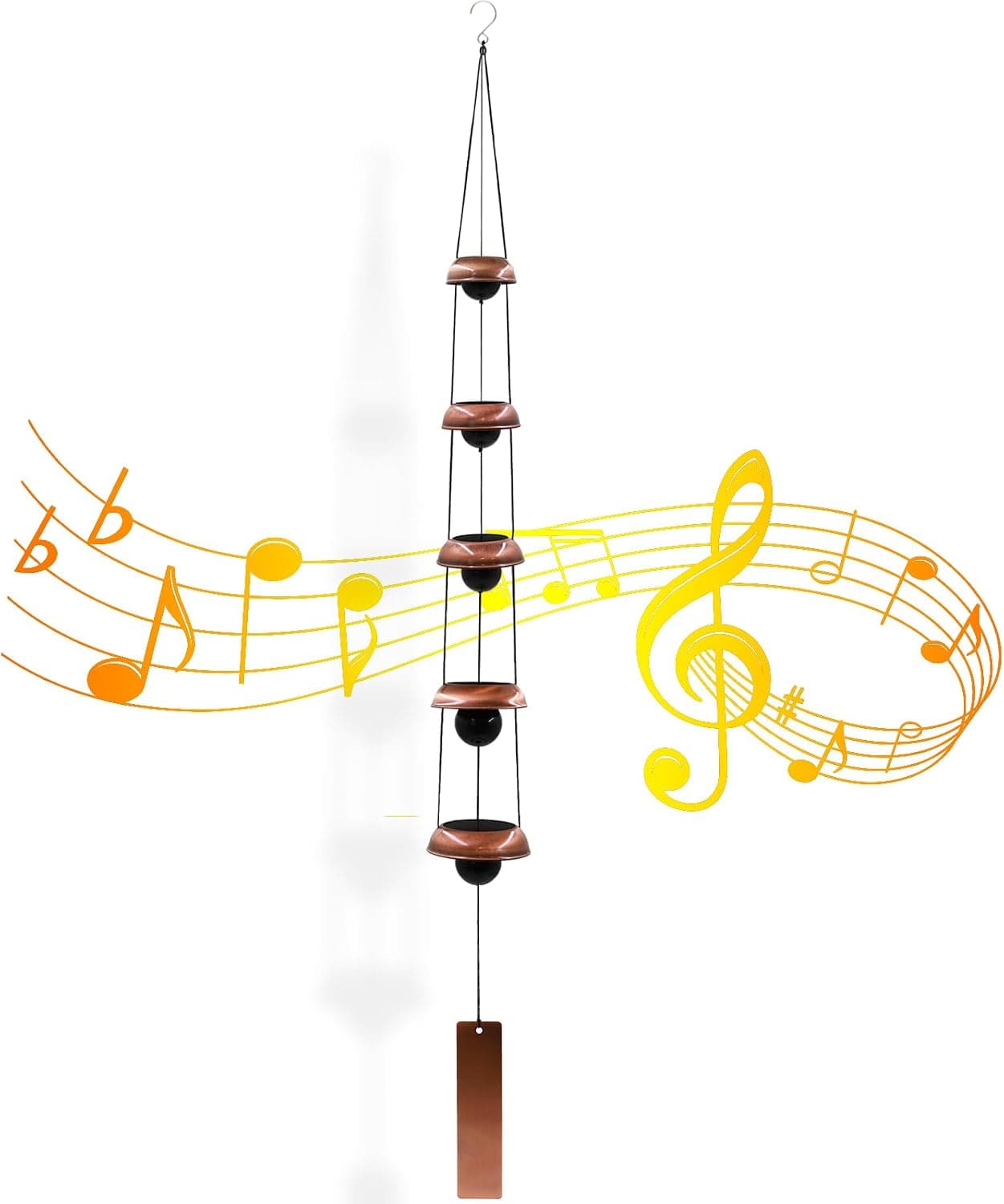
-19%Wind Chimes for Outside with 5 Bell Unique Copper Musical Chimes Feng Shui Wi...
 -5%
-5%YU FENG Evil Eye Money Tree, Blue Feng Shui Decor with Golden Buddha
 -29%
-29%Karma and Luck March Birthstone Crystal Tree of Life, Aquamarine Gemstone Fen...
 -29%
-29%Karma and Luck July Birthstone Crystal Tree of Life, Ruby Gemstone Feng Shui ...
As an Amazon Associate, we earn from qualifying purchases. We only recommend items our practitioners have personally tested.
Continue Your Journey
Explore these related guides to deepen your understanding:


Ready for Deeper Guidance?
Try our free I Ching reading for personalized wisdom, or explore our curated Feng Shui essentials.