A favorable direction can still fail if the space is badly framed, because the body reacts to thresholds before degrees.
When the Room Reads One Way and the Compass Reads Another
Start with the room, not the compass. If a space feels tight, exposed, or awkward, the shape of the entry, the circulation, and the enclosure are usually speaking louder than the degree reading.
Quick start: inspect the door, the main path, and the room’s edges first; then check direction; then decide whether the compass note should be followed, softened, or ignored.
In a narrow flat, for example, a south-facing window can throw generous daylight across the sitting area while the front door opens into a cramped foyer that forces an abrupt turn before you reach the main room. Nothing mystical is happening there. The body meets compression at the threshold, then hesitation in the turn, and only afterward settles into the space.
That is why form comes first in practice. Thresholds shape arrival, circulation shapes ease, and containment shapes whether a room feels held together. A Form School reading notices those things immediately because they are what people live with.
Compass School still has value, but it answers a different question: how the building sits in relation to orientation, sector, and direction. For the background, it helps to read the way the bagua map organizes sectors, because that system shows why directional analysis can be so precise even when the room itself is poorly put together.
Do not confuse a promising facing with comfort.
Two Traditions, Two Kinds of Attention
These schools grew from different kinds of observation. Form-based practice came from watching hills, water, shelter, and the way land guides or blocks movement. Compass methods became more formal in periods and regions where measurement, timing, and directional correspondences were woven into practice.
The practical difference is not just historical; it is diagnostic. Form School starts with what the environment is doing to the body: Does the site press in, spill out, or hold steady? Compass School starts with how a place is mapped onto orientation: Which direction carries the activity, and which directions may amplify or weaken it?
That difference still shows up in today’s homes. In a mountain compound, the visible site conditions often lead the diagnosis because the land is actively shaping the house. In a city apartment, by contrast, the surrounding landscape has usually been flattened by development, so the shell of the unit becomes the main field of concern and the compass can feel more persuasive.
Architects rarely begin with orientation alone. They look first at massing, access, hierarchy, and adjacency. Traditional form reading follows the same logic: a building is experienced in layers, from edge to threshold to room. Direction is one layer, not the whole story.
That does not make one school ancient and the other modern. Reality is messier than that. Both traditions grew as responses to different spatial problems, which is why a house on an irregular site can seem well oriented on paper and still feel unsettled because the boundaries, roofline, or side walls never quite hold the space together.
For the practical side of that first encounter, front door energy and threshold flow often tell you more than a sector chart does.
What Each School Notices First
Form School notices shape, backing, and movement. It asks whether a room has a clear approach, whether a bed or desk has support behind it, whether the proportions feel settled, and whether the route through the space keeps interrupting or allows a clean arrival.
Its first question is almost always physical: where does the body slow down, brace, or relax? That makes it especially useful for diagnosing friction that repeats every day, because a narrow passage, a hard corner, or a missing backrest will create the same tension long after you stop thinking about it.
Compass School notices orientation, sector relationships, and directional fit. It asks whether a placement sits in a favorable zone, whether the facing supports the activity, and whether timing or personal alignment changes the result. That can be useful when several arrangements are possible and you need a way to choose among them.
Its strength is precision, not replacement. Direction can fine-tune a usable room, but it rarely fixes a layout that is already fighting the occupant. If the desk is isolated, the bed is exposed, or the entry throws you off balance, the directional reading becomes secondary to the more immediate spatial problem.
The mistake is to treat them as rival explanations for the same problem. They are not. One speaks to spatial friction. The other speaks to directional correspondence. Those are separate layers.
In a corner office with open light and long sightlines, I once saw a desk underperform for two reasons at once. The compass sector was poor, but the bigger issue was obvious before the sector was even checked: the chair faced a wall corner, the circulation line ran behind the sitter, and the desk had no balanced space on either side. The posture itself was already defensive.
If a workspace keeps losing focus, office layout and desk placement choices are often the first correction to make, because concentration depends on sightlines, support, and interruption patterns before abstract direction ever enters the picture.
The body reads the plan before the numbers do.
Why a Good Facing Can Still Feel Wrong
A favorable facing can lose to a poor interior because interior friction is immediate. A doorway squeezes, a corridor stays dim, a room opens too late, and the furniture creates detours you feel in your shoulders before you can explain them.
Consider a detached house on sloping ground. The facade may face well by compass, yet the rear boundary drops away, the roofline pulls unevenly to one side, and one wall appears much stronger than the other. That leaves the enclosure imbalanced. A room can be “lucky” in one reading and still feel exposed because it is not being held evenly.
This is where five-element thinking helps. A weak boundary behaves like water leaking from a vessel. A hard, overactive corridor behaves like wood pushing too aggressively. A narrow, airless passage feels like trapped earth with no breathing room. The language is symbolic, but the sensation is plain.
Correction is often simple. A rug slows a corridor. A screen clarifies a threshold. A lamp warms a cold passage. A taller chair back restores support. These are not magic tricks. They are spatial adjustments that change how the body registers the room.
For a second layer of practical adjustment, living room arrangement strategies show how to calm a space without pretending every problem comes from direction alone.
Direction without enclosure is only half an answer.
Which Method Comes First in Real Homes
For apartments, I usually begin with Form School. Apartments are built from fixed walls, fixed circulation, and fixed threshold problems. You cannot out-compass a bad entry that drops you straight onto a sofa, or a bedroom that opens too directly to a hallway. Layout sets the daily pattern.
For detached houses, especially on unusual sites, I still begin with form and then use compass analysis to refine room use and seating direction. The land, roofline, setbacks, and boundary conditions can create pressure long before a compass becomes useful. If the site is calm, directional tuning matters more. If the site is strained, direction is secondary.
Bedrooms deserve special care. A bed can sit in a theoretically favorable sector and still sleep badly if it is jammed between a window and a door swing, or if the room is too narrow to allow balanced space on both sides. Many people blame the wrong direction when the real issue is a hard visual corner at the foot of the bed and no clear support behind the headboard.
Use this order when you need to decide quickly: entry, circulation, enclosure, furniture, then direction. That sequence matches how the body experiences space, and it also matches how a floor plan should be read before anyone starts decorating.
For bed-specific decisions, bedroom placement and sleep support can help you see whether a directional fix is even worth attempting.
Do not start with the cure you like best. Start with what the room is already doing.
When the Two Readings Do Not Agree
Disagreement is normal. A compass may favor one side while the room shape points in another direction. The real task is to ask which layer is producing the symptom you actually notice.
If the problem is anxiety, jumpiness, or feeling exposed, look first at boundaries and sightlines. If the issue is a subtle mismatch in function despite a stable layout, directional tuning may be worth testing. People often blame mood on direction when the real source is spatial friction.
Suppose a desk sits in a favorable sector but faces a wall corner, with a doorway slicing across the line of sight. I would not begin by applying a directional cure. I would clear the path, shift the desk slightly so the field opens, and check whether the sitter now has better support and less side pressure. Only after that would I revisit the compass reading.
Verification is straightforward. Walk the room slowly. Notice where your body stalls. Listen for changes in sound at the thresholds. Watch whether the room releases you cleanly or makes you hesitate. Then change one thing at a time so you can tell what actually worked.
For visual friction that can be eased without overcomplicating the plan, bathroom color choices that calm the eye are a good example of design and feng shui meeting in a practical way.
Read the room first. The compass can wait.
How to Choose the Right Lens for the Space You Have
If you live in a dense apartment, use form-based reading to solve the immediate problems of movement, boundary, and support, then use directional analysis to refine the best seat, bed, or work position. If you live in a house with clear landform, let the site reading lead, because the building is part of a larger setting and the ground itself is part of the message.
For mixed-use spaces, I combine both. A studio with one window may need a form-based split to create hierarchy, followed by a directional check to confirm the best orientation for the desk or bed. First make the space legible. Then make it supportive.
Traditions adapt to the kinds of problems that keep appearing. Mountain settings taught one kind of observation. Dense cities taught another. That is why a careful practitioner does not declare one school right and the other wrong. The better question is which layer is failing.
Use this sequence: site, threshold, circulation, enclosure, sector. It is not dogma. It is a diagnostic order. And like any sound diagnosis, it stops you from treating the wrong cause.
That is also why using plants as spatial adjustments works best when the plant is supporting a real weakness in enclosure or movement, not when it is being asked to rescue everything at once.
FAQ
Is form school older than compass school feng shui?
They come from long Chinese traditions, but they developed under different conditions. Form reading is rooted in direct observation of land and building shape, while compass methods became more systematized where measurement, timing, and direction were emphasized.
Can I use both approaches in one house?
Yes, and that is often the most sensible path. Begin with the shape of the room, the entry, and the circulation, then use direction to refine placement after the space is already functioning better.
My compass reading says one thing, but the room feels wrong. Which should I trust?
Trust the symptom first. If the room feels tight, exposed, or awkward, deal with the threshold, the path, and the support before you lean on directional cures.
Do I need special tools to get started?
A compass is helpful, but it is not the only tool that matters. A floor plan, a tape measure, and careful observation will tell you a great deal about proportion, interruption, light, and sound.
Which spaces respond fastest to Form School corrections?
Bedrooms, entrances, small apartments, and irregular floor plans usually respond quickly. Those spaces rely heavily on enclosure, path, and proportion, so changes are felt right away.
Can direction still matter if the layout is weak?
Yes, but usually only after the layout stops fighting you. Once the room has clearer circulation and better hierarchy, direction can add refinement instead of trying to compensate for a structural problem.
Mei Chen
Traditionally informed guidance • Cross-referenced with classical Chinese source texts
Content draws from both Compass (Luopan) and Form (Xingshi) school traditions. Illustrative examples are composites based on consultation experiences.
Practitioner-Selected Tools for This Topic
Items our team has tested and found effective for the principles discussed above. Individual results may vary.
 -19%
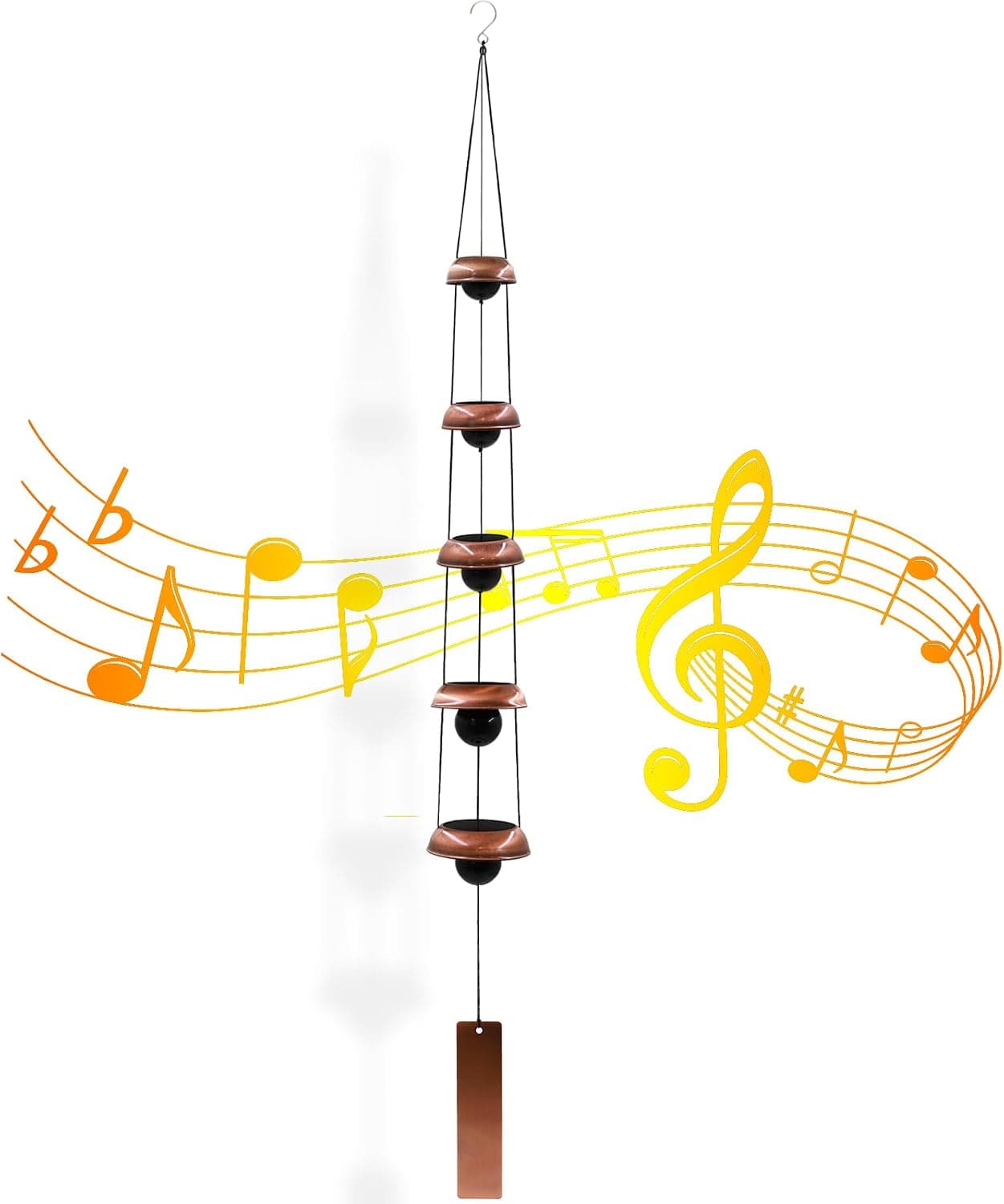
-19%Wind Chimes for Outside with 5 Bell Unique Copper Musical Chimes Feng Shui Wi...
 -5%
-5%YU FENG Evil Eye Money Tree, Blue Feng Shui Decor with Golden Buddha
 -29%
-29%Karma and Luck March Birthstone Crystal Tree of Life, Aquamarine Gemstone Fen...
 -29%
-29%Karma and Luck July Birthstone Crystal Tree of Life, Ruby Gemstone Feng Shui ...
As an Amazon Associate, we earn from qualifying purchases. We only recommend items our practitioners have personally tested.
Continue Your Journey
Explore these related guides to deepen your understanding:


Ready for Deeper Guidance?
Try our free I Ching reading for personalized wisdom, or explore our curated Feng Shui essentials.