Placed well, these old coins can support money focus, not superstition.
Coins work best when they change the way you handle money
I still remember stepping into a narrow San Diego condo entryway where three brass coins were looped with red cord and hung from a coat hook beside a raincoat and two pairs of running shoes. The homeowner, Elena, a nurse who had spent the previous year fighting credit card debt, told me she did not want a miracle. She wanted one clean reminder that her home was no longer a place where money slipped through her fingers without notice.
That is the real job of money symbols. They are not there to entertain you. They are there to interrupt autopilot. When I assess a home, I always look first at the points where habits begin, because that is where financial behavior is easiest to shift. The front door, the wallet station, the desk, the bill drawer, these spots tell the truth.
Most people do not realize that placement beats sentiment. A neat metal set near your monthly budget folder can feel quietly supportive. The same coins tossed beside coupons, batteries, and a bent takeout menu just look like forgotten clutter.
Coins should make a room feel more organized, not more mystical.
Start small if you want the least awkward setup
If you are new to this, begin with three simple coins tied together with red cord. That is enough. Renters, students, and anyone who wants something discreet usually do better with a small, visible cue than with a full decorative display. Put the set near the wallet tray, the checkbook, or the place where you sort incoming mail.
I have seen this work in over 200 homes, and the pattern is always the same: when the object sits where money decisions happen, people become more attentive. They stop scattering bills around the house. They notice subscriptions they forgot about. They open statements sooner.
Do not bury them under a stack of unopened envelopes and expect the symbol to do the remembering for you.
One client kept her set on a pale maple shelf in her bedroom, beside a small ceramic bowl and a folded index card where she wrote weekly expense totals. The coins were not hidden, but they were calm. Within a month, she told me she had stopped making late-night online purchases after seeing the little red tie every evening.
Shared homes need quieter placement, not bigger symbolism
In an apartment with roommates, a bold money cure can look like a strange decoration project. That usually backfires. A compact bundle inside a red envelope, or tied to a small object you already use, is far better when privacy matters. It keeps the intention personal without turning the living room into a discussion.
One graphic designer I worked with, Marcus, stored a brass coin set in the left drawer of a sideboard in his dining nook. The drawer also held stamps, a calculator, and spare checks. He said the setup made his finances feel “filed, not emotional,” which is exactly the tone I want in a home that handles money carefully. Two months later, he had started reviewing his spending every Sunday afternoon with a cup of coffee and the blinds half open.
That is a real result. Not flashy, but useful.
If your only good spot is the kitchen, keep the coins off the counter. Use the inside of a cabinet, a high shelf, or a drawer that stays orderly. Kitchens already carry enough motion and noise. A money marker should feel protected, not competing with the toaster and the mail pile.
Use the wealth corner only when it is already in good shape
Once you understand the home layout, a wealth sector can hold a coin arrangement beautifully, but only if the area is clean, bright enough, and free of broken objects. If you have already mapped the bagua, this is where a small, deliberate arrangement can support the money area without looking staged. The object should blend into a space that is already respected.
In my experience, the mistake people make here is obvious. They tuck the coins into the darkest corner of the room and hope secrecy will equal power. It does not. Neglected corners send a message of neglect. Wealth cues need visibility and care, not hiding.
A small bowl with a few tied coins, a neat trio on a shelf, or a restrained symbolic display can work in a living room or office. If you want to build around it, add one living element, such as a healthy plant, or one steady light source. If plants are part of your plan, look at this guide to supportive greenery.
Keep the arrangement modest. A money corner should feel intentional, not ceremonial.
Business owners should place coins where money actually moves
If you work from home or take payments through appointments and invoices, use the coins as a threshold marker for business activity. Put them near the place where you issue receipts, check payments, or open your ledger. Do not put them where you daydream about growth. Put them where you handle money with your hands.
A therapist I advised kept a three-coin set in a small wooden tray beside her receipt pad in a home office with cream walls and a walnut desk. The tray also held a pen, a stamp, and a stack of invoices clipped in order. She told me the coins did not make the room feel richer; they made it feel trustworthy. That mattered to her clients and to her own follow-through.
Most people think the object is supposed to attract wealth. I see it more as a cue for stewardship. It reminds you that income should be received cleanly and recorded cleanly.
If your desk is overloaded, fix the desk first. If you need a fuller reset for the room, pair this approach with office placement and workspace flow.
Material choice matters more than most beginners expect
Brass and bronze usually read better than shiny, lightweight metal. They feel older, heavier, and less gimmicky. A flimsy novelty set can look like costume jewelry, which weakens the whole effect. If it feels cheap in your hand, it will probably look cheap in the room too.
Red cord is popular because it creates definition, but it does not have to be neon bright. If the color clashes with your home, choose a deeper tone or a cleaner presentation. The goal is integration. You want the object to belong where it sits.
For people who like a slightly richer layer of symbolism, a coin set can be paired with a carefully chosen crystal nearby, but only if the area already feels balanced. If that interests you, compare options in the crystal guide for practical placement ideas.
Pretty does not equal effective. I have seen beautiful setups fail because the rest of the room was chaotic, and I have seen simple setups work because they were cared for daily.
One low-effort method is often the strongest
Keep it simple. Three coins. One location. A clean surface.
That is usually enough.
The best money symbols do not ask you to perform belief. They ask you to repeat better habits. If you see the coins every day, you are more likely to check your statements, avoid impulse purchases, and stop treating bills like background noise.
If you want to combine them with a money tree, let the tree carry the living energy and let the coins act as the stabilizer. The placement logic for that setup is explained in the money tree placement guide.
Comparison summary
| Item | Best for | Price range |
|---|---|---|
| Three tied brass coins | Beginners, renters, discreet use | $5-$15 |
| Coin bundle in red envelope | Shared homes, hidden placement | $8-$20 |
| Decorative coin tray | Home office or business payments | $15-$40 |
| Coins paired with a wealth corner setup | Homeowners, long-term intention work | $20-$60 |
Buy the plain version first, then pay attention to your habits
If you only buy one thing, make it a simple set you genuinely like looking at. Use it in one place and keep that area clean. That alone will tell you a lot.
In practice, the first shift is usually behavioral. People check accounts more often. They stop dropping receipts into random drawers. They feel less scattered when money comes up. That is a meaningful change, even before any external result shows up.
If a setup looks expensive but makes you feel awkward every time you walk past it, remove it. A good money cue should sharpen your attention, not demand that you pretend to admire it.
FAQ
Do feng shui coins need to be old coins?
Not necessarily. Older-looking sets often feel more grounded, but what I care about most is whether the object is clean, simple, and placed with purpose. A modest set that fits your home will usually outperform a dramatic one that feels out of place.
Can I keep them in my wallet?
Yes, especially if you want a daily reminder around spending. A wallet or cash envelope keeps the coins close to actual decisions, which is where they are most useful. Just do not cram them into a pocket full of receipts and loose change, because then they disappear into the mess.
Should I use coins in the bedroom?
You can, but keep the placement restrained. A small cash tray, a financial journal, or a tidy drawer can work well if the bedroom is already calm. If the room feels restless, I would fix the sleep environment first and add money symbolism later.
What if the coins feel too traditional for my home?
Then simplify the presentation instead of rejecting the idea. Use a smaller set, a plain dish, or a drawer where you keep financial papers. You are not trying to decorate like a temple. You are trying to build a clear cue that helps you handle money with more discipline.
Mei Chen
Traditionally informed guidance • Cross-referenced with classical Chinese source texts
Content draws from both Compass (Luopan) and Form (Xingshi) school traditions. Illustrative examples are composites based on consultation experiences.
Practitioner-Selected Tools for This Topic
Items our team has tested and found effective for the principles discussed above. Individual results may vary.
 -19%
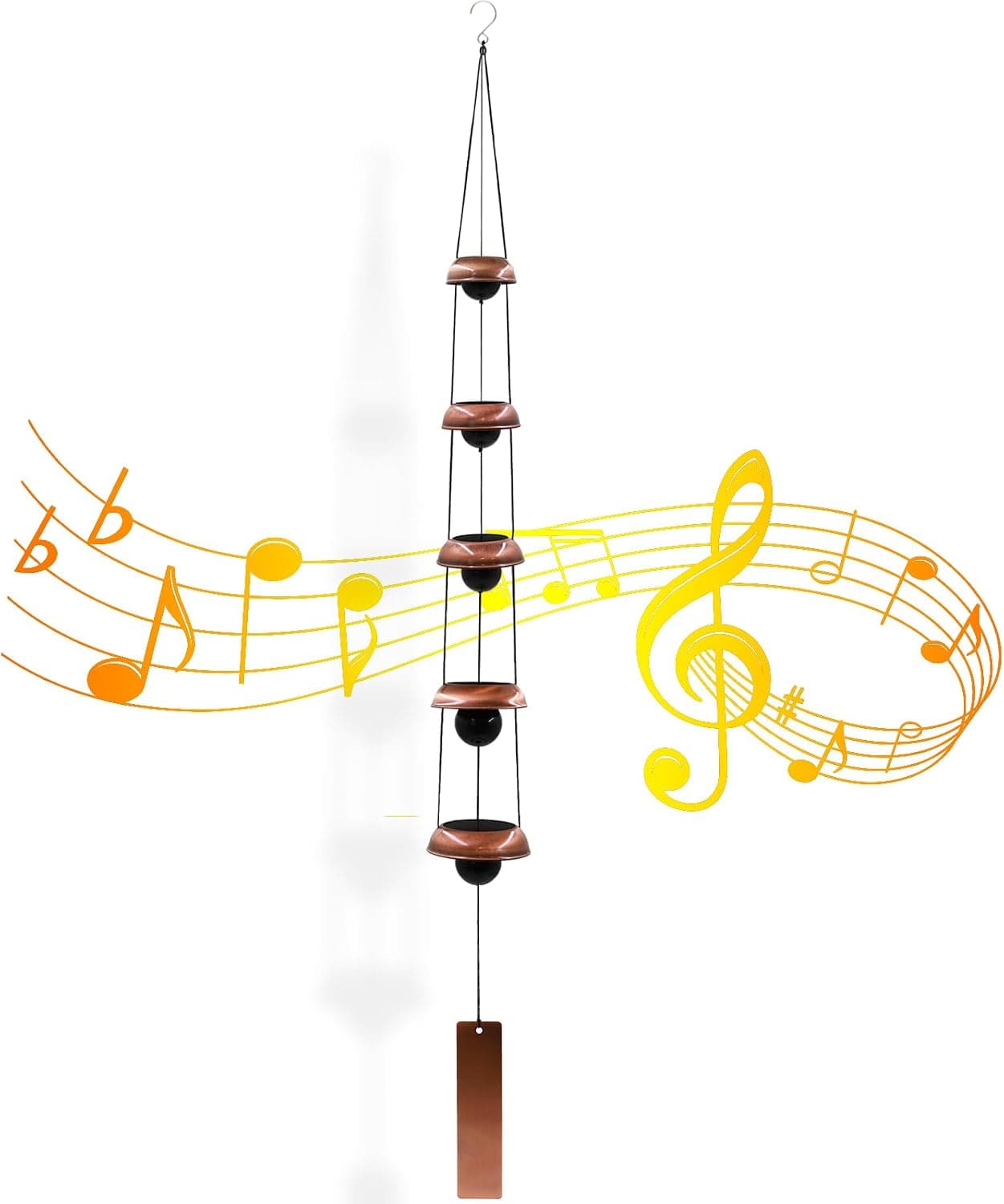
-19%Wind Chimes for Outside with 5 Bell Unique Copper Musical Chimes Feng Shui Wi...
 -5%
-5%YU FENG Evil Eye Money Tree, Blue Feng Shui Decor with Golden Buddha
 -29%
-29%Karma and Luck March Birthstone Crystal Tree of Life, Aquamarine Gemstone Fen...
 -29%
-29%Karma and Luck July Birthstone Crystal Tree of Life, Ruby Gemstone Feng Shui ...
As an Amazon Associate, we earn from qualifying purchases. We only recommend items our practitioners have personally tested.
Continue Your Journey
Explore these related guides to deepen your understanding:


Ready for Deeper Guidance?
Try our free I Ching reading for personalized wisdom, or explore our curated Feng Shui essentials.