The wrong wrist can make a bracelet feel dead, even when the crystal is fine.
Your bracelet isn’t “not working.” It may be on the wrong side.
I watched a retiree in a navy cardigan twist a dark bead bracelet over her right wrist for the third time, then sigh and say, “I bought this for confidence, but it just sits there.” The bracelet wasn’t the problem. The hand was.
This is where a proper bracelet practice starts to matter, because wrist placement changes the way many people interact with the object. If you treat both hands as identical, you miss the whole point of direction, receiving, and release. That’s why the question behind feng shui bracelet rules which hand keeps coming up: people want the bracelet to do something, not just look symbolic.
And no, this is not about superstition in the shallow sense. It’s about how you orient yourself to an intention. One wrist is more often used for taking in support, the other for giving energy out. Once you understand that difference, the bracelet stops feeling random.
The simple method: one wrist receives, the other projects
In most feng shui bracelet traditions, the left hand is used for receiving and the right hand for projecting or releasing. That’s the basic framework, and it is the one I see most consistently respected in practice. If your bracelet is meant to attract money, opportunity, protection, or helpful people, the left wrist is usually the starting point.
If your bracelet is being worn to clear, discharge, or send something outward, the right wrist may be the better choice. That distinction sounds small, but it changes the way you interact with the bracelet every time you move your hand, reach for a door handle, or rest your arm on a desk.
For people who ask about feng shui bracelet rules which hand, I usually say this: don’t begin with aesthetics, begin with intention. If the bracelet is for drawing in, wear it on the receptive side. If it’s for letting go, use the active side. The bracelet is not magic in a vacuum. It is a cue, and cues work when they match your purpose.
Five element balance can also shift which bracelet feels right, because wood, fire, earth, metal, and water each behave differently against the body. A bracelet that feels grounding on one wrist can feel strangely agitating on the other. That’s not imagination. The body notices asymmetry long before the mind does.
What to do before you put it on
Start with the intention, not the product. Hold the bracelet in both hands for a moment and decide what it is for: attracting wealth, improving focus, reducing chaotic spending, strengthening boundaries, or supporting calm. Then match the wrist to that intention instead of copying someone else’s ritual from a video.
If you’re using a wealth or prosperity bracelet, place it on the left wrist first and wear it during the part of the day when you need to receive opportunities. If you’re using a bracelet for protection or energetic clearing, test the right wrist and pay attention to whether you feel more settled or more tense after a day of wear. The body will tell you faster than a theory will.
One of the most useful habits is to put the bracelet on with a short, clear thought. Not a theatrical speech. Just a clean phrase like “I receive stable income,” or “I release what drains me.” Small. Precise. Repeated with consistency.
I once worked with an architect named Daniel who kept a black bead bracelet on his right wrist because a friend told him that was the “strong side.” He was wearing it for career growth, though, and his meetings kept turning into arguments. We switched the bracelet to his left wrist, and within two weeks he said the tone of his conversations had softened. No fireworks. Just fewer collisions.
How to choose the wrist without overthinking it
There’s a trap here, and I see it often: people turn one bracelet into a philosophy exam. They ask ten follow-up questions before they’ve even worn the thing for a day. Don’t do that. Make a clear choice, observe the result, and adjust if needed.
If you are trying to attract, build, or invite, begin on the left. If you are trying to release, protect, or push away what you don’t want, try the right. That is the simplest functional rule, and it is usually enough for most readers asking about feng shui bracelet rules which hand.
There are, of course, exceptions. A person with an injury, a dominant-hand habit, or an occupational need may not tolerate a bracelet well on one side. A nurse who washes her hands constantly may need the less active wrist for practical reasons. A chef may need to avoid the wrist that rubs against tools or gloves. Feng shui should support life, not make it more annoying.
If the bracelet feels heavy, irritating, or “dead” on one wrist, try the other for three full days. Not ten minutes. Not one dramatic morning. Give your body enough time to notice the difference, then look for signs: better sleep, fewer friction points, calmer decisions, more focus, or a subtle sense that the bracelet belongs there.
Placement matters more than performance
People love dramatic stories about bracelets working instantly. Real life is quieter. The effect is often cumulative. A bracelet placed thoughtfully becomes part of your daily pattern, and daily pattern is where feng shui actually shows up.
That’s why I pay attention to surroundings too. If your bedroom is already overloaded with restless energy, a bracelet won’t fix the whole house by itself. If your workspace is cluttered, your bracelet becomes one small signal inside a noisy system. You can strengthen the signal by cleaning the surfaces around you and paying attention to the room you spend the most time in, especially if it is your bedroom or office. If you need a broader lens, your sleep environment can affect how well any supportive object settles.
I saw this in a guest room with pale gray walls, a chipped white ceramic lamp, and a bracelet left on a bedside table instead of worn. The owner kept saying the bracelet “had no energy.” When she finally wore it on the left wrist during the day and stopped tossing it onto the nightstand beside her phone charger, she noticed a shift in less than a week. Not because the bracelet changed. Because her relationship to it did.
Two mistakes that quietly ruin results
The first mistake is buying a bracelet for a vague desire and then wondering why it feels flat. “More money” is not enough. “Stable income from my consulting work” gives the bracelet somewhere to point.
The second mistake is wearing a bracelet on whatever wrist feels convenient and then expecting tradition to compensate. Convenience is not the same thing as alignment. If you want the object to support an intention, show a little discipline and place it deliberately.
If the bracelet still feels off after you’ve chosen the correct wrist and worn it consistently, the issue may not be the wrist at all. It may be the material, the intention, or the broader environment. I explain those possibilities in the most common reasons a bracelet seems to do nothing.
What about both wrists?
Wearing bracelets on both wrists can look balanced, but balance is not always the same as clarity. If one bracelet is meant to receive and the other is meant to release, the message can get muddy. That doesn’t mean both wrists are forbidden. It means you should know what each one is doing.
If you wear multiple pieces, let one lead. Keep the main bracelet on the wrist that matches your primary goal, and treat the second piece as a secondary support, not an equal partner in the conversation. Too many people stack objects until they cancel each other out.
That said, if one wrist feels consistently uncomfortable, do not force it. Feng shui is not a contest of endurance. The cleanest placement is the one you can live with every day.
FAQ
Can I switch wrists after I’ve been wearing the bracelet for a while?
You can, and sometimes you should. If your intention changes from attracting to releasing, the wrist should usually change with it. I also recommend switching if one side feels tense, itchy, or oddly resistant after several days.
What if I’m left-handed?
Left-handed people often assume the rule reverses, but that’s not automatically true. In many feng shui traditions, the receiving and projecting logic stays the same regardless of handedness. Still, your body matters, so test both sides and observe what actually feels coherent.
Does the bracelet have to be on the wrist all day?
No. A bracelet worn with attention for part of the day can be more meaningful than one worn mindlessly from morning to night. If it gets in the way during sleep, bathing, or strenuous work, take it off and return it with intention.
Why does mine feel better on the “wrong” hand?
That surprise usually points to a personal pattern that overrides the generic rule. Materials, dominant habits, and your current life stage can all affect how a bracelet behaves on your body. When the lived result is clear, trust the result and investigate the cause.
One last point: if you’re using a specific stone or charm, the material can shift the experience enough that wrist placement alone won’t solve everything. A bracelet with protective black stones often feels different from one intended for attraction or clarity, so context matters. If you want to compare effects, black obsidian has its own very distinct behavior, and that can change how you read the wrist rule.
And if you want to understand the bracelet from the inside out rather than chasing small rules, the larger picture helps. Wealth-supporting items in feng shui only work when the intention, placement, and daily habit all point in the same direction.
Mei Chen
Traditionally informed guidance • Cross-referenced with classical Chinese source texts
Content draws from both Compass (Luopan) and Form (Xingshi) school traditions. Illustrative examples are composites based on consultation experiences.
Practitioner-Selected Tools for This Topic
Items our team has tested and found effective for the principles discussed above. Individual results may vary.
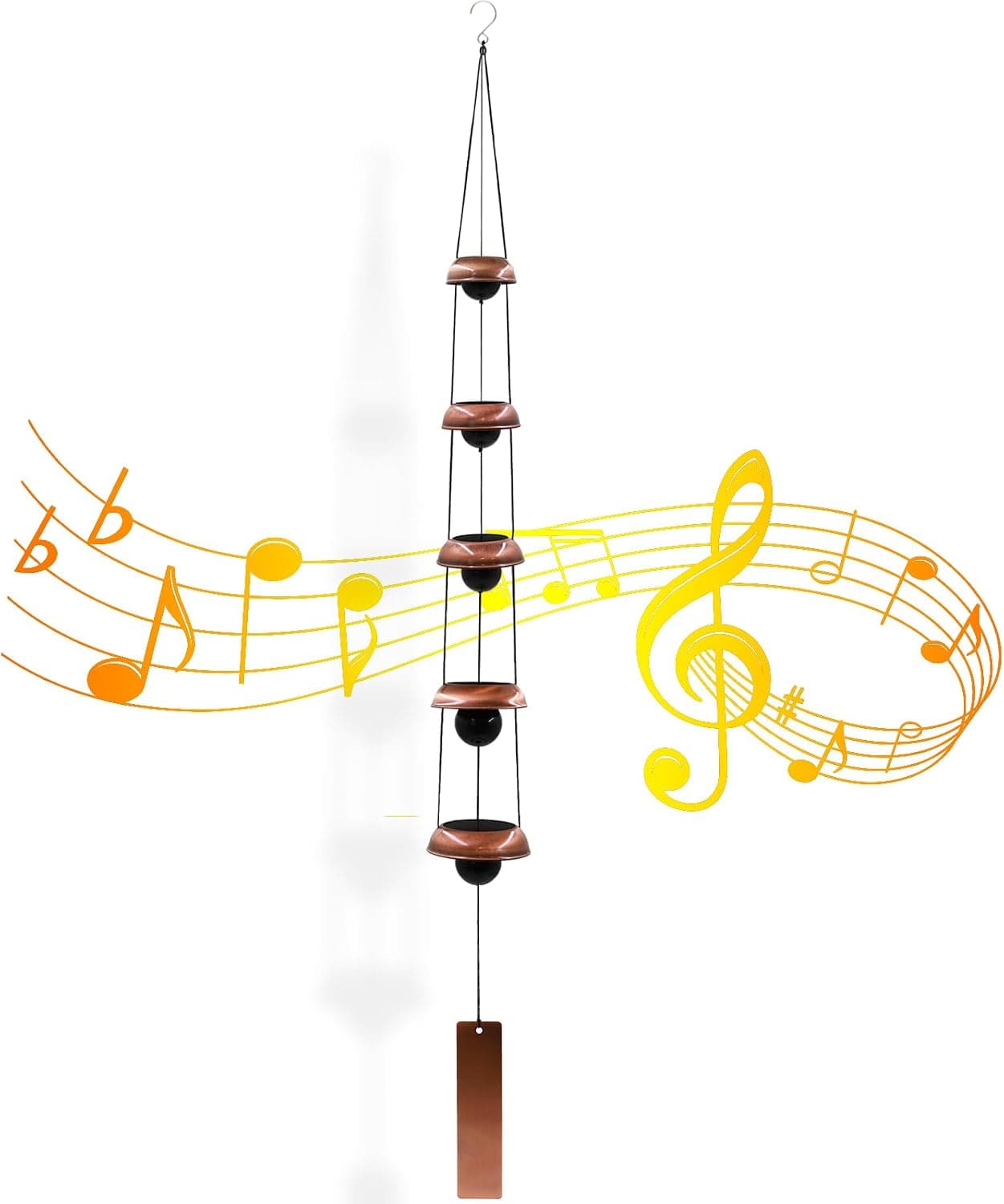 -19%
-19%Wind Chimes for Outside with 5 Bell Unique Copper Musical Chimes Feng Shui Wi...
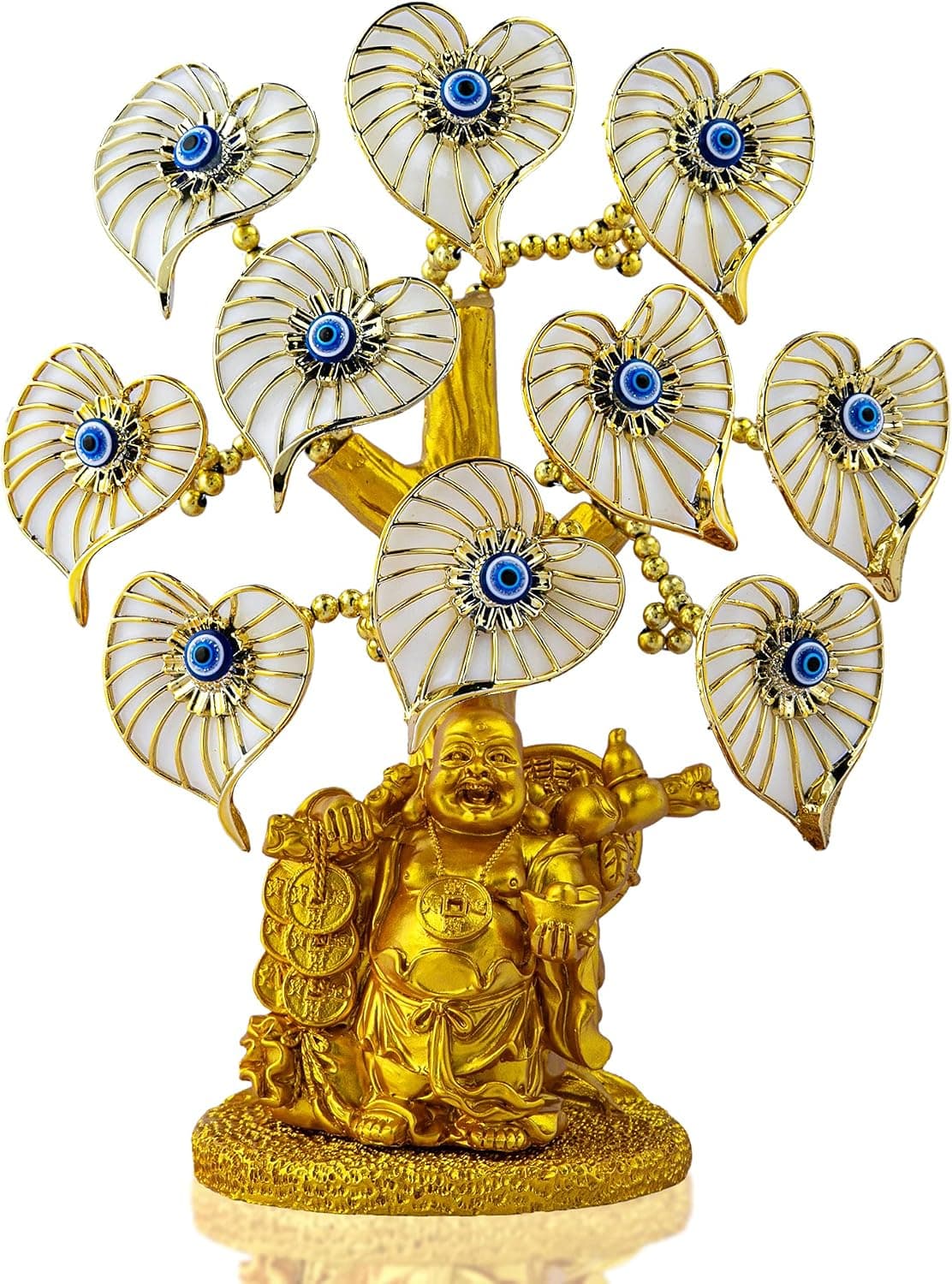 -5%
-5%YU FENG Evil Eye Money Tree, Blue Feng Shui Decor with Golden Buddha
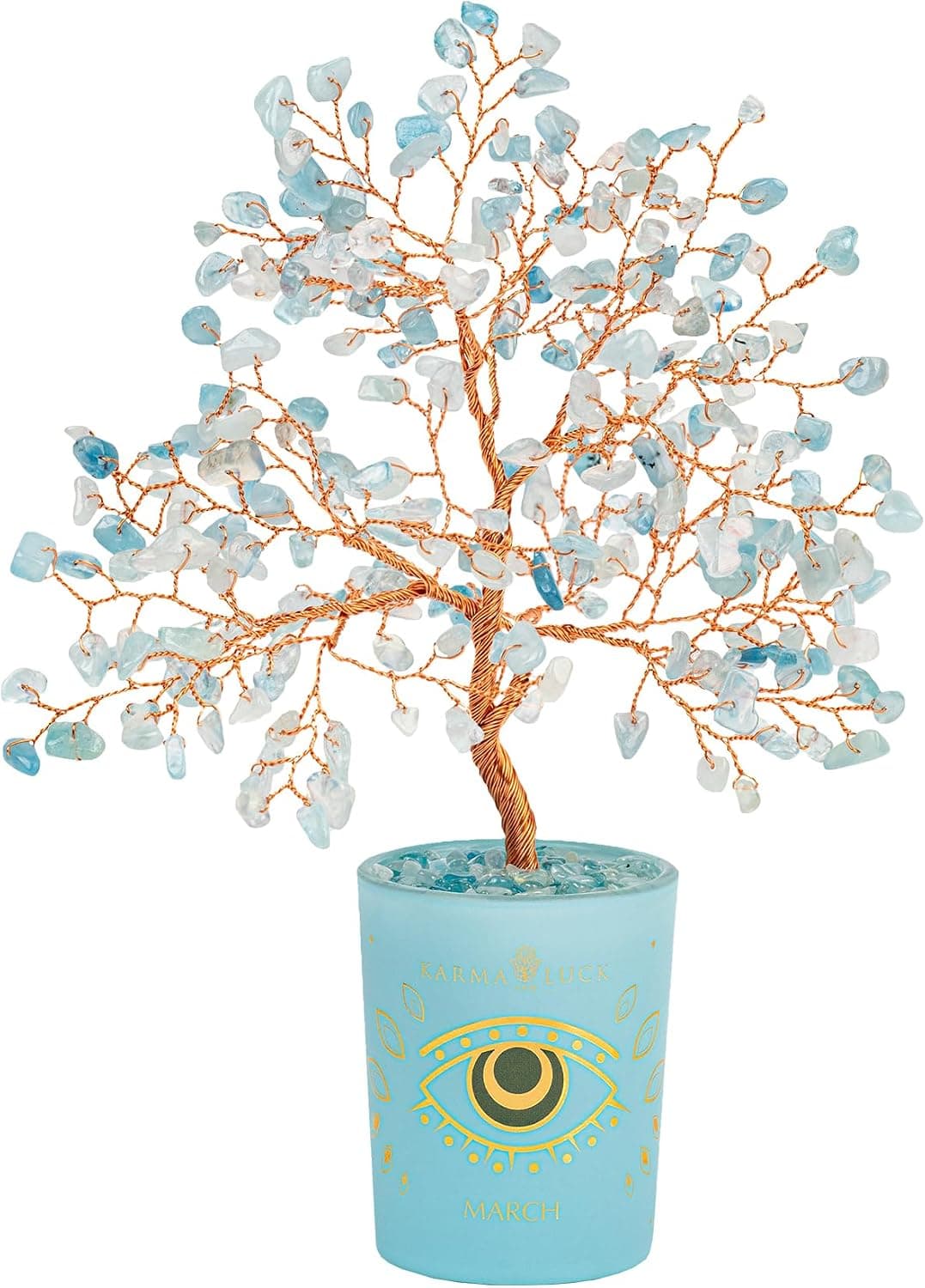 -29%
-29%Karma and Luck March Birthstone Crystal Tree of Life, Aquamarine Gemstone Fen...
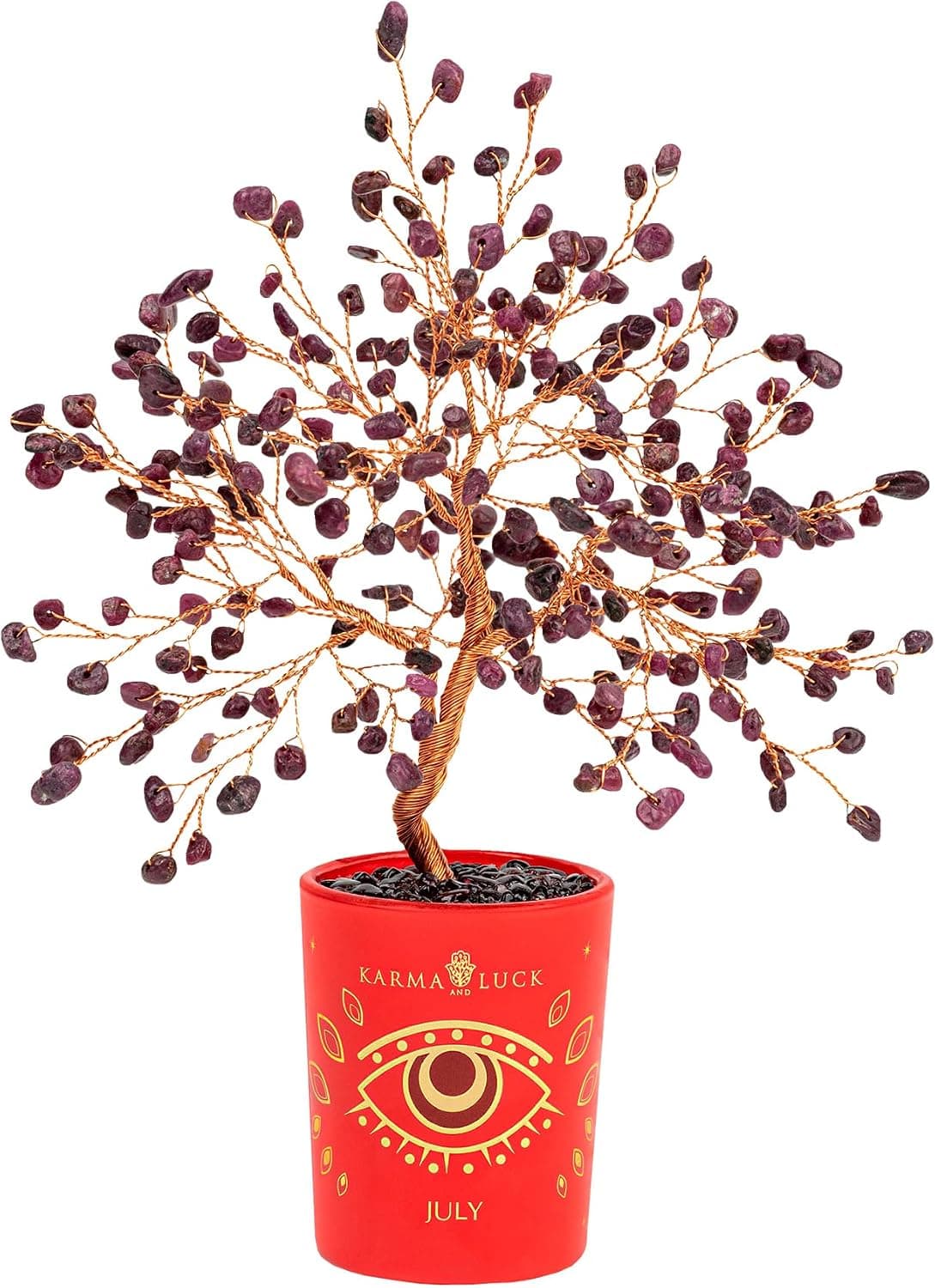 -29%
-29%Karma and Luck July Birthstone Crystal Tree of Life, Ruby Gemstone Feng Shui ...
As an Amazon Associate, we earn from qualifying purchases. We only recommend items our practitioners have personally tested.
Continue Your Journey
Explore these related guides to deepen your understanding:


Ready for Deeper Guidance?
Try our free I Ching reading for personalized wisdom, or explore our curated Feng Shui essentials.