Conventional wisdom on feng shui knives often misses the mark. After years of hands-on practice, a different pattern emerges.
{"title":"Something About Feng Shui Knives Doesn't Add Up","excerpt":"The same sharp objects can calm one room and agitate another. Depth changes everything.","content":"
The Real Story Behind Feng Shui Knives
When you study Feng Shui Knives in depth, patterns emerge that casual guides miss. I noticed it in a narrow apartment in Brooklyn, in a galley kitchen with white subway tile, a black butcher-block counter, and a row of stainless-steel knives stuck in a magnetic strip beside the stove. The owner had followed every bit of advice she could find. She cleared the blades from the counter, turned the handles inward, and even bought a wooden block because the internet said exposed edges were bad luck. Sleep got worse anyway. So did the arguments.
That was the first clue: the issue was not the knife itself. It was the room.
In shallow spaces, sharp lines hit the body faster. Your eyes land on the blade, bounce off the wall, and stop. There is nowhere for the visual movement to go, so the nervous system keeps catching tiny jabs all day long. In a deep kitchen or a long dining room, the same knife can feel almost quiet because the eye has distance, depth, and somewhere to rest. The object hasn't changed. The field around it has.
I walked into a townhouse kitchen in Philadelphia once where the cook had a set of chef's knives on open display near the east wall. The room was so deep you could stand at the sink and still see the back garden through a pair of glass doors. No tension there. Not even close. A week later, I saw a much smaller condo kitchen with the same style of blade rack, but the wall was only four feet away and painted a hot cream that bounced light everywhere. That space felt pinched. People kept losing keys, and one couple admitted they started eating in the living room just to avoid the room altogether. Same objects. Different depth. Different outcome.
That is why the common advice gets lazy. People talk about knives as if every room were built the same way, as if a six-inch blade near a corridor behaves exactly like a six-inch blade in a generous, airy kitchen. It doesn't. Shallow rooms compress the visual field, so metal reads louder, edges feel closer, and the body stays more alert. Deeper rooms dilute that effect. The fix is not always to hide the knives. Sometimes it is to change what sits around them: a warmer wall color, a broader surface, a less crowded line of sight, or a position that doesn't aim the blade straight into the room's center. You can feel the difference in your shoulders before you can explain it.
Scene, Pressure, and the Wrong Kind of Advice
Someone followed all the usual Feng Shui Knives rules and it backfired. She had a modest ranch house, and the kitchen sat between the dining nook and a narrow hallway, which made the room behave like a funnel. She put the knife block beside a teal canister set, tucked it near the backsplash, and kept the blades polished enough to shine. The internet would have applauded. Her body didn't. Within two weeks she was waking at 3:10 a.m., then lying there replaying a tense conversation at the table about money and groceries. The knives were not the cause in a cartoonish sense, but they were part of a louder, tighter visual pattern the room couldn't absorb.
Depth perception matters because the eye is not a camera; it is a cue collector. In a shallow room, every edge arrives with less warning. The brain reads that as urgency. In a deeper room, the same edge can sit inside a larger field, which gives the mind a chance to organize the space instead of bracing against it. That's why a blade on a long butcher block in a farmhouse kitchen may feel orderly, while a blade hovering over a tiny galley counter can feel like a dare.
Feng shui people sometimes pretend all metal objects act the same. Wrong. A spoon drawer and a display of knives do not create the same feeling, and a knife rack in a deep pantry alcove does not speak the same language as one mounted beside a cramped stove. The body notices the difference first. The theory catches up later.
For readers trying to map this at home, it helps to cross-check the room itself. A misplaced object in a compact layout can also distort the bagua map, so if the space feels off even after you move the blades, <a href="/blog/understanding-Bagua Map">most bagua maps get hung backwards is worth a careful look. I also tell people to study the whole room, not just the hardware; <a href="/blog/living room feng shui">the center rules the room, and a kitchen borrowed too much from a hallway can keep the same restless feeling no matter where the knives go.
How Depth Changes the Knife Problem
Shallow rooms amplify line of sight. Deep rooms soften it. That sounds simple until you live with it. A kitchen that is only eight feet deep, with the stove, sink, and knife storage all on one tight axis, creates a constant forward pull. Your eye keeps traveling from edge to edge, never landing long enough to settle. If the cabinets are glossy or the walls are pale and reflective, the effect gets sharper. You start seeing the room before you enter it, and that anticipation can feel like pressure in the chest.
Now add the knife itself. In a shallow room, the blade can appear to project toward you even when it sits still. The visual system exaggerates that forwardness because there is less depth behind it. In a deeper room, there is space behind the object, which lets the eye understand it as contained. Containment matters. A knife against a busy, crowded background reads like a threat. A knife anchored in a broad, organized field reads like a tool. Same steel. Different message.
I have seen this in bedrooms too, which is why I keep dragging people back to spatial basics. If a home has a cramped sleeping area and the kitchen opens straight into it, the sharpness from the cooking zone can bleed into the rest of the floor plan. That is one reason the bedroom guide at <a href="/blog/bedroom guide feng shui">turning a bedroom into a sanctuary requires less than you'd think stays so useful: it teaches you to reduce visual noise before it becomes emotional noise. And if the room itself is the issue, <a href="/blog/bedroom rules feng shui">bedroom rules that affect both sleep and relationships explain why one exposed object can keep two people edgy for weeks.
Here's the practical part. In a shallow kitchen, do not place knives where they sit directly in your first line of sight from the doorway. Keep them low, tucked, or visually broken up by a cabinet face, a towel, or a darker surface behind them. In a deeper kitchen, you have more room to leave them accessible without the same sting, but I would still avoid pointing them toward the dining chair or the primary walking path. A blade that faces a person feels different from a blade that faces a wall. You can test it in seconds. Stand where you usually enter the room. Notice your breath. Notice whether your shoulders rise. That reaction tells you more than a hundred blog posts.
And yes, some rooms need more than a relocation. If the space is flooded with aggressive reds, hard whites, or mirror-like finishes, the knife issue is only one piece of a larger fire-and-metal problem. <a href="/blog/colors feng shui">Color choices that drain a room without anyone noticing can make a tight kitchen feel even tighter, while <a href="/blog/theory why your still five elements feels off even when you did everyt feng shui">five elements theory explains why good feng shui still feels wrong when the surfaces are fighting each other.
Not every shiny object needs to disappear. That belief causes more trouble than it solves.
What People Miss When They Move the Blades
The biggest mistake is treating the knife as a lone offender. It rarely is. People hide the blades in a drawer, feel virtuous, and then wonder why the kitchen still feels tense. The drawer may have solved the sightline problem, but if the room is cramped, if the stove spits light into polished cabinets, if the refrigerator door blocks the only calm path through the space, the body still registers the squeeze. You have not fixed the room. You have only concealed one signal.
Another mistake shows up in open-plan homes. The kitchen sits in a shallow zone, but the knives are chosen and placed as if they were in a generous cook's studio. That can work on a magazine spread. In real life, the blades sit too high, too exposed, or too close to the edge of the counter, so every pass through the room becomes a tiny visual interruption. A retired teacher in Queens told me she started avoiding her own kitchen island after moving a carbon-steel set there. She said it felt like walking past a row of opinions. I knew exactly what she meant.
People also ignore direction. A knife facing outward toward the main entrance carries a very different feel from one angled toward a cupboard or an inner wall. The first can feel like an invitation to brace. The second usually recedes. In a shallow room, that difference is magnified because the sightline is short and direct. In a deep room, the angle gets diluted by distance. If you are dealing with a compact space, that extra inch or two of rotation matters more than the type of wood in the block.
There is a quieter error too: too many metal accents around the blades. A chrome kettle, a steel fruit bowl, polished cabinet pulls, and a knife strip all in one narrow kitchen can create a hard, slippery atmosphere. Your hands get busy, but your body doesn't settle. That is when people start bickering over dishes, over parking, over who bought the wrong groceries. The argument never mentions the room. The room still started it.
Once you understand that pattern, the fix becomes more precise. Soften the depth. Break the line. Change the angle. If you need a reference point for tools that support a steadier feeling instead of a harsher one, <a href="/blog/best-Feng Shui Crystals-guide">those feng shui crystals on Amazon are mostly decorative glass will save you from buying a pretty distraction, and <a href="/blog/clear-quartz-where to place feng shui">clear quartz placement that produces results shows how one object can support a room only when the room is already doing its part.
What Works in a Shallow Kitchen, and Why
Start by standing at the doorway and looking at where the eye lands first. If the knife storage sits in that first hit of vision, move it. Not later. Now. Put it where the door does not fling your attention straight into steel. A lower drawer, an enclosed block, or even the far end of a counter can be better, but the real question is whether the blade still dominates the first three seconds inside the room. Those three seconds matter more than people think.
Then look at what the knife is facing. A blade aimed at an open walkway creates more unease than one aimed into a wall, cabinet, or backsplash. In a shallow room, orientation can be more important than distance because there is no depth cushion. I once helped a chef in a tiny Chicago condo who insisted the knives had to stay within arm's reach of the stove. Fine. We rotated the block ninety degrees, shifted a red dish rack out of the sightline, and moved a mirror that was bouncing light straight off the blades. He texted me three days later to say dinner prep felt less frantic and he had stopped slamming cupboard doors.
Surface color matters too, but not in the cartoonish way people expect. A dark walnut block against a pale wall can calm the eye because it gives the knives a stable base. A bright white block in a white kitchen can make the blades look more exposed. Likewise, a teal or green accent nearby may soften the room if it reduces glare, while a loud red towel can keep the whole corner feeling heated. You are not decorating a catalog page. You are building a visual landing strip.
In deeper kitchens, the same logic changes slightly. There is room for more open storage, but only if the room already has breathing space. If the layout is long and narrow yet visually deep, the knives can sit farther back without agitation, especially when the rest of the room has softer transitions between work zones. That is why I tell people to study the architecture before buying storage. A deep room can absorb more. A shallow room demands discipline. Same object, different physics.
For readers trying to understand the room as a whole, the home layout matters just as much as the knife zone. <a href="/blog/map guide bagua">How to map energy in your home without overthinking it helps you locate the problem sector without getting lost in superstition, and <a href="/blog/calculator feng shui">what your feng shui calculator isn't telling you is useful if you have been trying to force formula where observation should lead.
One more thing. Do not keep the blades wet, sticky, or half hidden under clutter. A messy knife area creates a different kind of strain: not the clean edge of metal, but the unfinished feeling of a task that never closes. You wash the pan, dry the counter, and still feel behind. That unfinished loop wears people down.
Oddly enough, a room can feel better with knives visible than with them buried in chaos. Strange, but true.
The Pattern Beneath the Panic
Once you see the depth issue, the panic around Feng Shui Knives loses some of its drama. You stop asking, "Are knives bad?" and start asking better questions: How deep is the room? Where does the eye land first? What does the blade face? What else is competing for attention in that zone? Those questions produce better results because they fit real houses, not abstract rules.
The old manuals understood this more than modern advice does. Classical Chinese thought was never obsessed with objects in isolation. It watched relationships between near and far, open and closed, hard and soft. That is why the knife in a shallow kitchen behaves differently from the knife in a deep one. The context changes the force. The force changes the mood. If your home has a strong metal presence elsewhere, the issue can multiply, which is why <a href="/blog/metal-water-element-home decor feng shui">metal and water decor pairs that make a room feel finished can either support the room or make it colder depending on where they sit.
I keep thinking of that Brooklyn kitchen. The owner eventually moved the knives into a lower drawer, swapped the mirror-faced canisters for matte ceramic, and added a darker runner along the floor to break the hallway effect. Nothing mystical. Just better spatial sense. The arguments eased first. The sleep followed. A month later she said the kitchen no longer felt like a place she had to endure. That was the real change. Not luck. Relief.
And if the blades still seem to glow from across the room even after you move them, that usually means the room is shallow enough to need a broader fix, not a cosmetic one. At that point, I look at the bed, the hallway, the color, and the direction of traffic through the home, because a sharp object in one zone can expose weakness everywhere else. That is when the broader bedroom and living-room work starts to matter, the kind that teaches you where the room actually breathes and where it merely pretends to.
So the next time someone tells you all knives must disappear, ask a better question: disappear from where, exactly? A six-inch blade in a deep kitchen with soft edges and clear sightlines is one thing. The same blade in a cramped galley with a mirror, a red towel, and a face-to-face walkway is another. Different room. Different result. Different night of sleep. And once you have seen that contrast, you can't unsee it.
FAQ
Is conventional Feng Shui Knives advice reliable? Often not, because it ignores room depth. A rule that works in a spacious kitchen can fail in a shallow one, where the blade reads louder and the body feels it sooner. The object matters less than the geometry around it.
Should I hide every knife in a drawer? Not automatically. A clean drawer can reduce visual tension, but a cramped or cluttered drawer creates its own strain, and a poorly arranged kitchen can still feel sharp even when nothing is visible. I would rather see a well-placed knife than a messy cabinet full of hidden irritation.
Does the direction of the blade really matter? Yes, because people react to what points toward them. A knife aimed at a walkway or seating area can feel confrontational in a small room, while the same knife aimed into a wall usually recedes. The difference is often felt before it is understood.
What if my kitchen is very small? Then depth becomes your main issue, not the knife itself. Reduce visual clutter, avoid reflective surfaces near the blades, and keep them out of the first line of sight from the door. In a compact space, even an inch of repositioning can change how the room lands on your body.
","meta_title":"Feng Shui Knives in Shallow vs Deep Rooms | IChingWisdom","meta_description":"knives feng shui behave differently in shallow and deep spaces. See why common advice backfires and what to change instead.","keywords":["knives feng shui","knife placement feng shui","shallow kitchen feng shui","deep room energy"],"schema_json":{"faq":[{"question":"Is conventional Feng Shui Knives advice reliable?","answer":"Often not, because it ignores room depth. A rule that works in a spacious kitchen can fail in a shallow one, where the blade reads louder and the body feels it sooner. The object matters less than the geometry around it."},{"question":"Should I hide every knife in a drawer?","answer":"Not automatically. A clean drawer can reduce visual tension, but a cramped or cluttered drawer creates its own strain, and a poorly arranged kitchen can still feel sharp even when nothing is visible. I would rather see a well-placed knife than a messy cabinet full of hidden irritation."},{"question":"Does the direction of the blade really matter?","answer":"Yes, because people react to what points toward them. A knife aimed at a walkway or seating area can feel confrontational in a small room, while the same knife aimed into a wall usually recedes. The difference is often felt before it is understood."},{"question":"What if my kitchen is very small?","answer":"Then depth becomes your main issue, not the knife itself. Reduce visual clutter, avoid reflective surfaces near the blades, and keep them out of the first line of sight from the door. In a compact space, even an inch of repositioning can change how the room lands on your body."}]},"amazon_products":[]}Mei Chen
Traditionally informed guidance • Cross-referenced with classical Chinese source texts
Content draws from both Compass (Luopan) and Form (Xingshi) school traditions. Illustrative examples are composites based on consultation experiences.
Practitioner-Selected Tools for This Topic
Items our team has tested and found effective for the principles discussed above. Individual results may vary.
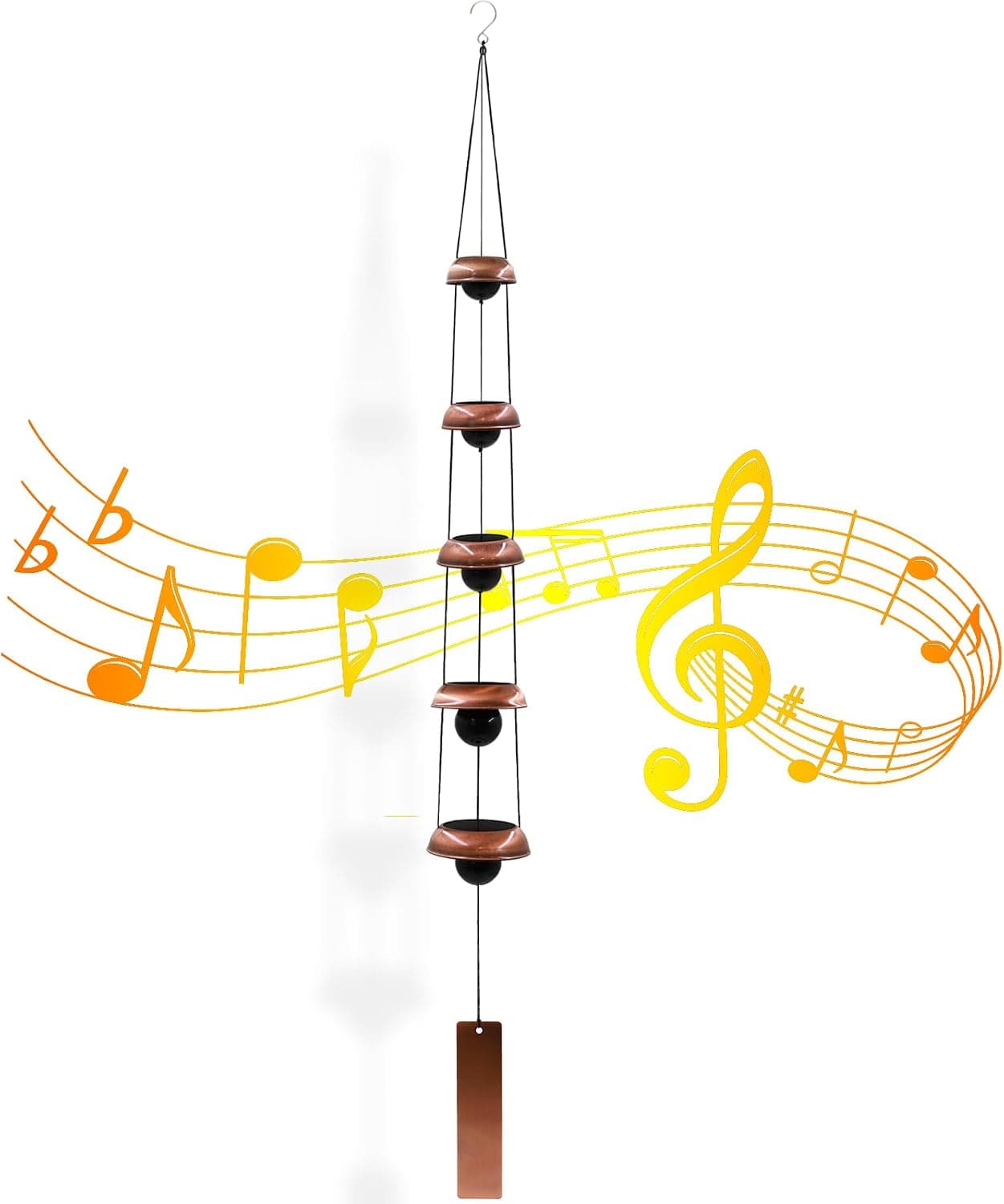 -19%
-19%Wind Chimes for Outside with 5 Bell Unique Copper Musical Chimes Feng Shui Wi...
 -5%
-5%YU FENG Evil Eye Money Tree, Blue Feng Shui Decor with Golden Buddha
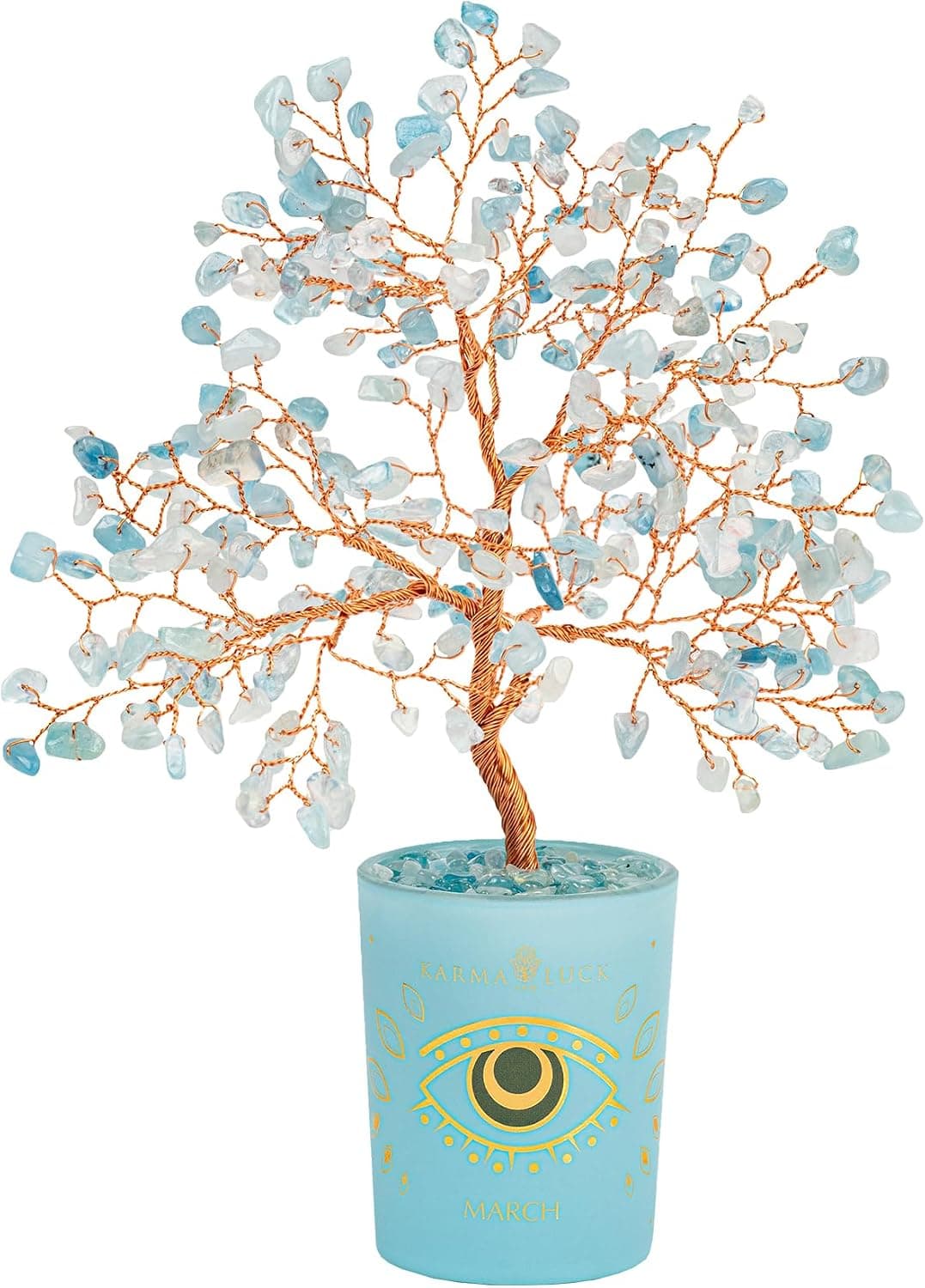 -29%
-29%Karma and Luck March Birthstone Crystal Tree of Life, Aquamarine Gemstone Fen...
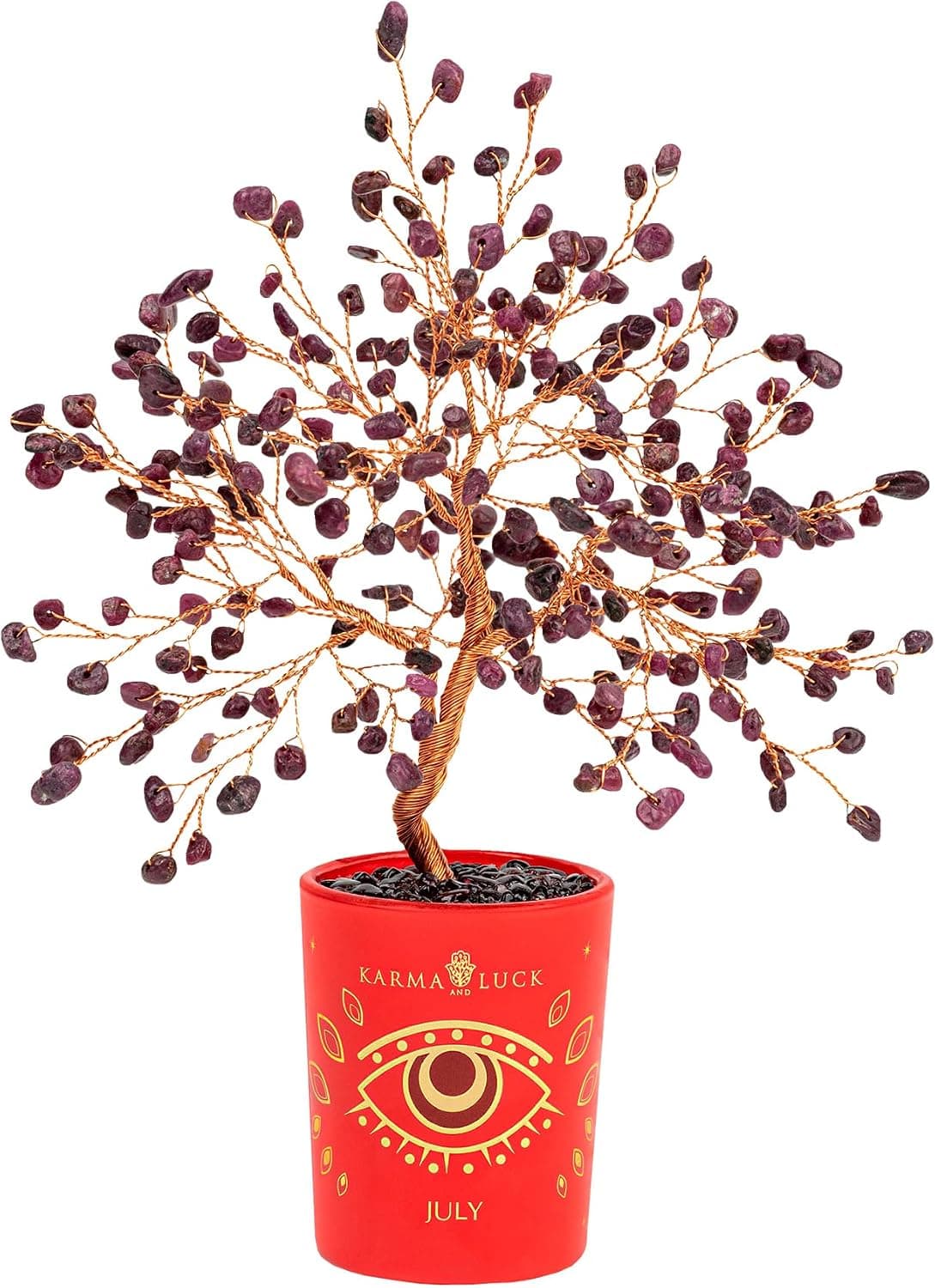 -29%
-29%Karma and Luck July Birthstone Crystal Tree of Life, Ruby Gemstone Feng Shui ...
As an Amazon Associate, we earn from qualifying purchases. We only recommend items our practitioners have personally tested.
Continue Your Journey
Explore these related guides to deepen your understanding:


Ready for Deeper Guidance?
Try our free I Ching reading for personalized wisdom, or explore our curated Feng Shui essentials.