A bad reading can send the whole house off course; the fix is simpler than most people think.
The mistake I see most: measuring from the wrong place
I once walked into a narrow hallway in a Queen Anne townhouse and found a brass compass laid across the kitchen island, pointed at a refrigerator door. The owner, a software architect named Daniel, had spent two weekends trying to “activate” his wealth sector, and all he had really done was confuse the floor plan. Within ten minutes, the problem was obvious: he was reading the room from inside the kitchen instead of from the center of the home. That sounds small. It isn’t.
The biggest errors with directional feng shui come from haste, not ignorance. People want a quick answer, so they grab a tool, point it somewhere, and trust the result. Then they wonder why the cures seem random. A reading only works when the measuring method is clean, the floor plan is understood, and the objective is clear. If you want the room to behave, first measure the space as it actually is.
That is where the bagua map and its directional logic matter more than a lucky object on a shelf. The compass tells you orientation; the map tells you what that orientation means. Separate those two jobs, and the rest becomes much easier.
A compass without context is just a needle.
What the reading is really telling you
In practice, a feng shui compass is not asking, “Where is north?” in the casual sense. It is asking how the building sits in relation to the land, the street, and the way people enter and move through the space. That distinction matters because a home can face one direction and still behave as though its energy is pulled elsewhere, especially in odd layouts, extensions, or apartments carved out of older structures.
Here is the part many Western readers find surprising: you do not use the tool to prove a belief. You use it to reduce guesswork. I have seen homes where the front door faced one way, the main windows another, and the bed or desk sat in a third orientation entirely. The compass reading exposed the real tension. Once the owner saw that, the fixes stopped being mystical and became practical.
Not every room needs equal attention. A hallway can be ignored if it is simply transit space, while a bedroom or office needs exactness because those rooms hold long hours of stillness. If you want a deeper look at one of the most sensitive rooms, study how bedroom placement shapes sleep and recovery. Sleep problems often begin with orientation, not with the mattress brand.
Direction affects habit before it affects mood.
Why so many readings go wrong
Most mistakes happen before the needle is even consulted. Metal railings, phone cases, speakers, hidden wiring, and even a careless stance can distort the result. I have watched people hold a tool over a steel stair landing, then act shocked when the reading changed by several degrees five minutes later. Of course it changed. The environment was interfering.
Another common error is taking a reading from the “center” of a room that is not actually the center of the usable space. In a long apartment, the true center may sit under a sofa, in a passage between rooms, or inside a clipped corner that looks irrelevant but changes the geometry. If the plan is irregular, you need to interpret the space like an architect, not like a tourist.
And then there is the belief that one direction is always good and another always bad. That idea is too crude to be useful. North is not magically wealthy. South is not automatically volatile. The meaning depends on the person, the room, the period, and the activity taking place there. The compass reveals orientation; judgment determines application.
One retired teacher I worked with in Portland had a study with teal walls, a walnut desk, and a bright red lamp on the left side. Her reading suggested an awkward alignment, but the real issue was that the desk faced a blank wall while her back was to the door. She felt uneasy every afternoon, even though the room looked elegant. When we turned the chair slightly and removed the red lamp, her headaches eased within a week. No magic. Better placement.
How to take a clean reading at home
Start with the building, not the décor. Stand at the approximate center of the home and identify the main structure first. If you live in an apartment, work from the footprint you actually occupy, not the whole building shell. If the shape is complicated, sketch it on paper before touching the tool.
Next, remove obvious interference. Step away from large metal objects, speakers, electric panels, and thick bundles of cable. Hold the compass level, keep your body still, and take several readings from the same point. A single number is not enough. I want to see consistency. If the needle wanders a little, that is normal. If it jumps wildly, the environment is interfering.
Then mark the facing direction of the home and compare it to how the front door, windows, and main circulation actually work. This is where many people get something half right and then misread the rest. The door is important, but it is not the only mouth of qi. A corner window, a rear deck, or an open stair can pull strongly too. For a fuller look at how the entry shapes the entire system, read what a front entry does to the flow of a house.
After that, match the most active rooms to their best support. A home office may need a different orientation from a bedroom. A kitchen may tolerate more movement than a study. A living room can handle public energy, but it still benefits from clear structure, especially if you use it for conversation and recovery. That is why desk orientation and work focus deserve separate attention from the rest of the home.
One sentence, then the practical truth: if your room changes function, the reading changes meaning.
Applying the reading without overcomplicating it
Use the reading to make one decision at a time. First, decide which room matters most. Then decide whether the bed, desk, stove, or main seat should face, receive, or avoid a certain direction. Then test the result for a few days before changing anything else. Too many people try to fix eight things at once and end up knowing nothing about cause and effect.
Here is a simple sequence I use with clients. Measure the space. Confirm the main direction. Identify the key object in the room. Ask whether that object supports the room’s purpose. Adjust one thing. Reassess. It is not glamorous, but it works.
In a bedroom, the bed often matters more than the wall color. In a study, the chair often matters more than the art. In a dining area, the table orientation can matter more than a decorative bowl. That hierarchy saves time and money. It also stops the endless shopping for cures that were never the real issue.
If you are trying to support prosperity, do not jump straight to accessories. First check whether the area is calm enough to hold anything meaningful. Sometimes a wealth adjustment is really a circulation problem. Sometimes it is a visibility problem. Sometimes it is just clutter. If you want to see how placement can support abundance in a concrete way, look at the placement rules that keep a wealth symbol from backfiring.
And yes, sometimes the answer is to do less. I know that bothers people who want a dramatic ritual. But a cleaner line of movement, a better-facing chair, or a bed shifted two feet can change the feeling of a room faster than a shelf of objects ever will.
Less drama, better results.
When the tool matters less than the house
A compass is useful, but it cannot override bad architecture. Long corridors, missing corners, low ceilings, and overlit rooms can all distort how energy behaves. The tool gives you orientation; the structure gives you limitations. Ignore the structure and you will blame the reading for a problem the room created all by itself.
I walked through a small apartment in Seattle where the dining area sat under a slanted ceiling painted white, with two black pendant lights hanging too low over a glass table. The owner, a nurse named Elena, kept asking why the room felt tense during family dinners. The compass showed a perfectly respectable direction. The real issue was visual pressure: too much shine, too much height loss, too little softening. We changed the lighting, added a linen runner, and moved the table a few inches. The room relaxed almost immediately.
That is the lesson many people resist. They want the answer to live in a device, but the house is the real teacher. The device only helps you listen.
Linking direction to the bigger picture
If you use directional work well, you will eventually find yourself thinking beyond one room. You will notice how the entry, the main gathering space, and the private rooms either cooperate or fight each other. That is the point where a compass-based reading becomes part of a broader system instead of a one-off fix. For that larger picture, the foundational principles of practical feng shui are worth studying alongside the measurements.
Do not treat direction as an isolated trick. It belongs to movement, visibility, rest, and the relationship between inside and outside. Once you see that, the tool stops feeling technical and starts feeling intuitive. You begin to read the home the way a good builder reads a frame.
The best readings make the whole house easier to live in.
FAQ
Do I need an expensive tool to get started?
No. A well-made basic compass is enough for most home applications. What matters far more is how still you hold it, where you stand, and whether you understand the layout you are measuring.
Can I use my phone instead?
Sometimes, but I do not recommend relying on it for serious work. Phones are full of magnets, cases, and interference sources, so they are convenient but not always stable. For a first pass, fine. For a real reading, use a proper compass.
Should every room be adjusted to match the same direction?
Surprising as it sounds, no. Different rooms serve different jobs, and each job may benefit from a different orientation. A bedroom wants rest, a work area wants clarity, and a social room wants openness, so one rule for the whole house usually creates new problems.
If you take one thing from this, make it this: the tool is not the master. It is the witness. Use it carefully, read the room honestly, and make fewer changes than you think you need.
Mei Chen
Traditionally informed guidance • Cross-referenced with classical Chinese source texts
Content draws from both Compass (Luopan) and Form (Xingshi) school traditions. Illustrative examples are composites based on consultation experiences.
Practitioner-Selected Tools for This Topic
Items our team has tested and found effective for the principles discussed above. Individual results may vary.
 -19%
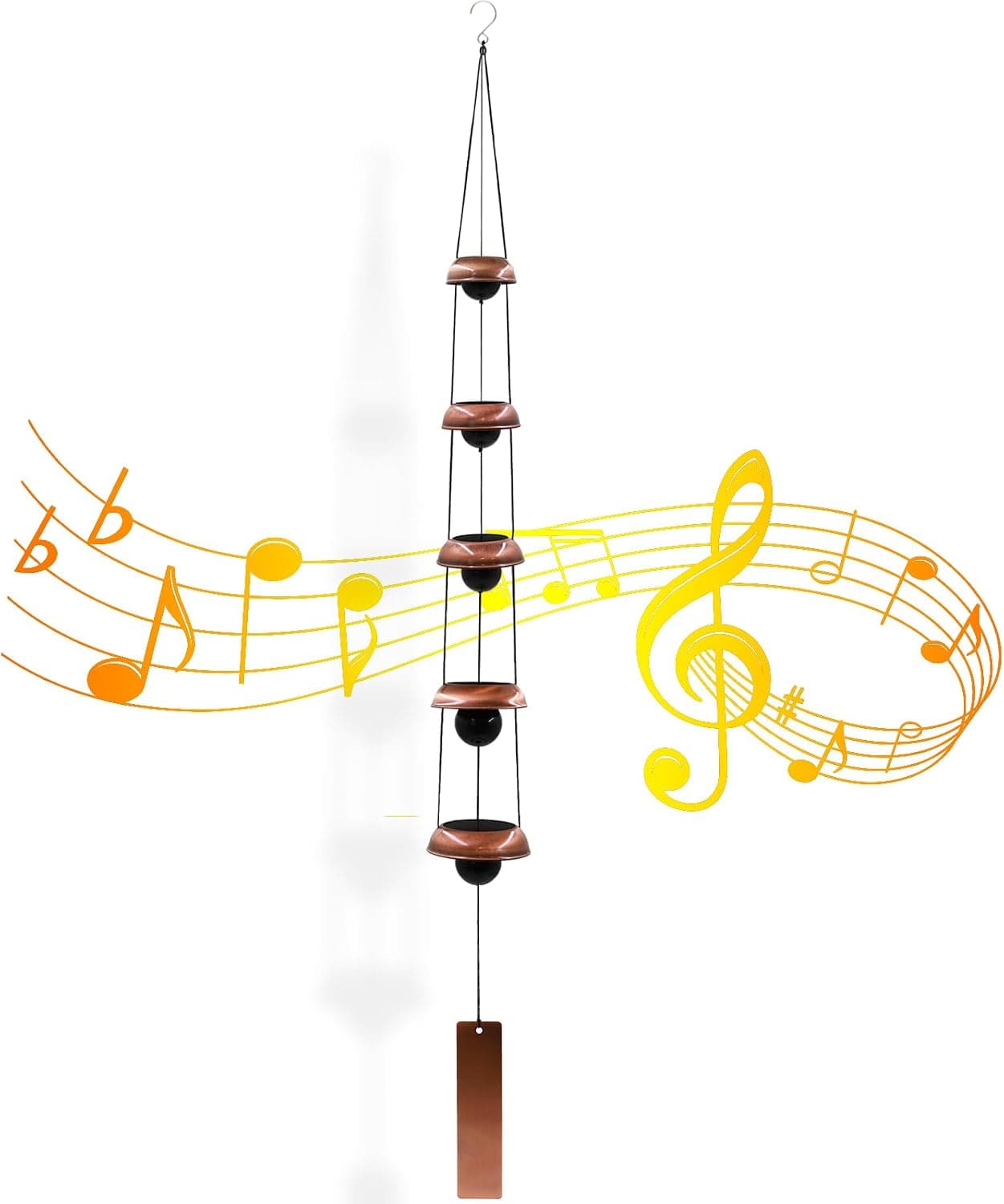
-19%Wind Chimes for Outside with 5 Bell Unique Copper Musical Chimes Feng Shui Wi...
 -5%
-5%YU FENG Evil Eye Money Tree, Blue Feng Shui Decor with Golden Buddha
 -29%
-29%Karma and Luck March Birthstone Crystal Tree of Life, Aquamarine Gemstone Fen...
 -29%
-29%Karma and Luck July Birthstone Crystal Tree of Life, Ruby Gemstone Feng Shui ...
As an Amazon Associate, we earn from qualifying purchases. We only recommend items our practitioners have personally tested.
Continue Your Journey
Explore these related guides to deepen your understanding:


Ready for Deeper Guidance?
Try our free I Ching reading for personalized wisdom, or explore our curated Feng Shui essentials.