A misplaced cure can stir the very problem it was meant to calm.
You did everything right. The house still felt off.
You put up the Bagua map. You bought the red cure. You even moved the blue vase into the northwest corner because someone on the internet said water there would “activate money.” Then the bedroom started feeling odd, the kitchen felt busy at night, and the bills did not improve.
I’ve seen this pattern more times than I can count. People follow the Bagua map logic with real effort, but they use it like a sticker chart instead of a living energy system. That is where the trouble starts.
The hard part is this: the 2021 feng shui flying star remedies that sound tidy on paper can backfire when they are copied without checking the room, the sector, and the actual problem you are trying to solve.
And yes, small mistakes can create very specific fallout: sleep disruption, stagnant wealth qi, and more friction between people who were already walking on eggshells.
Mistake 1: Placing the cure before checking the sector
People often see a yearly chart and rush to put metal cures everywhere. It feels sensible. Metal weakens certain troublesome energies, so more metal must be better, right?
Wrong. Too much metal in the wrong room can make a space feel sharp, cold, and overcontrolled. I walked into a condo in Seattle one spring where a teacher named Marisol had hung six brass wind chimes in her narrow hallway because she was trying to “break up stuck energy.” Within two weeks, her sleep got lighter, her shoulders felt tight every morning, and her teenage son stopped doing homework at the dining table because the space felt agitated.
What actually happened was simple: the cure amplified movement where she needed calm. The hallway fed noise into the bedroom wall, and the energy never settled. This is exactly why the annual chart has to be matched to the room use, not treated like a one-size-fits-all checklist.
The better move is to reduce, not intensify. One quiet metal object can be enough; sometimes the best correction is simply removing the excess and letting the room breathe.
Mistake 2: Using red everywhere because “fire fixes everything”
Red feels powerful. It looks like life, luck, and momentum. So people scatter red candles, red ribbons, and red paper cures across the house as if they were sprinkling confidence.
What they forget is that fire does not just energize. It also agitates. In a room already carrying stress, red can push arguments, insomnia, and impatience over the edge. I’m talking about the guest room with the cherry-red throw blanket, the office with the burgundy lamp, the kitchen towel with bright scarlet stripes. Those details matter more than people want to admit.
I’ve seen couples blame each other for “bad timing” when the real issue was a room that never shut off. One retired architect I worked with had a red accent wall in his southeast study and wondered why his wife kept avoiding the room. After we softened the color and moved the active display out, the house felt less combative within a week.
If you are using 2021 feng shui flying star remedies, fire should be chosen with restraint. Fire is a surgeon’s tool, not a bonfire.
Mistake 3: Activating wealth with water in the wrong place
People love water cures because they are linked with flow, opportunity, and income. So they place fountains, glass bowls, or black decor in the wealth area and wait for money to arrive.
But water is not a magic faucet. In the wrong sector, it can stir instability, drain focus, and make money come in only to leak right back out. A graphic designer named Theo once placed a tabletop fountain beside a bookshelf in his home library because he wanted “financial flow.” The room looked polished, almost elegant. Then the reality showed up: missed invoices, scattered receipts, and a slow but steady increase in late fees.
The issue was not the intention. It was the placement. His desk sat nearby, and the movement from the fountain made concentration worse, not better. If you want a wealth cure to work, start by checking the room’s existing energy instead of assuming water will improve everything.
That is also why I point people toward office adjustments that support steady growth before they start buying more objects. Money qi likes order. It hates chaos dressed up as hope.
Mistake 4: Treating the bedroom like a display shelf
This one causes more damage than people expect. They see a difficult annual star and try to “solve” the bedroom with extra cures: mirrors, crystals, too many framed photos, even a plant on the nightstand.
It feels productive. The room looks designed. The energy feels addressed. But bedrooms are not meant to be busy. They are meant to rest, recover, and hold intimacy without interruption. If you overload the room, sleep gets choppy and relationship tension grows quietly, then all at once.
I have a vivid memory of a small guest room in Portland with pale gray walls, a silver mirror facing the bed, and a lavender ceramic lamp on one side table. The homeowner told me her partner had started sleeping on the couch “just for a few nights.” Three months later, the couch had become a habit. We removed the mirror, simplified the surfaces, and shifted the lighting. The room changed before the furniture did. That is how fast bedroom energy can turn when people overdo the cure.
If you want a deeper reference point, bedroom placement rules will save you from half the mistakes that show up during annual adjustments.
Mistake 5: Assuming plants can fix a bad sector
Plants are lovely. They soften corners, lift mood, and make a home feel alive. So of course people use them everywhere, including sectors that are already too active or unstable.
The problem is not the plant itself. It is the assumption that “natural” means universally helpful. A large leafy plant in the wrong sector can increase growth where you need quiet, or add more movement where the room already feels restless. I once saw a dark green monstera in a north-facing sitting room that was meant to support study and recovery. The owner, a nurse working rotating shifts, kept saying she felt oddly alert at midnight and exhausted at noon. After we moved the plant to a better spot and removed a second cluttered shelf, her schedule stopped fighting the room so hard.
That surprise is hard for people to accept. They think nature always calms. Sometimes it does the opposite. Placement decides the effect.
If you want the right balance, use plant placement with a clear purpose, not as a decorative reflex.
Mistake 6: Copying remedies without checking the actual room use
This is the quiet error behind most bad results. People read the annual chart, identify a sector, and then forget what the room is for. A bathroom is not a living room. A storage closet is not a family hub. A hallway is not a meditation zone.
That sounds obvious, but it gets ignored constantly. If you place a serious remedy in a room that already has low activity, you may do nothing useful at all. If you place a stimulating remedy in a room that needs stillness, you create noise where there should be support. The result is not mystical. It is practical: blocked wealth qi, distracted work, or arguments that seem to come out of nowhere.
There is also a common Western mistake here. People think the cure must be visible to “work.” Not true. Some of the strongest adjustments are subtle, quiet, and almost boring.
For people trying to fix income-related issues, that usually means looking at the home as a system and making a few precise changes rather than chasing symbols. If you want the money page version of this advice, the real answer is usually not another object. It is structure, placement, and restraint.
What actually works instead
Start with the room’s job. Then check the annual sector. Then ask one plain question: does this object support the function of the space, or does it argue with it?
That order matters. It keeps you from turning a bedroom into a billboard, a hallway into a wind tunnel, or a wealth corner into a clutter trap. It also keeps the 2021 feng shui flying star remedies from becoming a pile of symbolic noise.
When people slow down, they usually need fewer cures, not more. One careful metal adjustment. One calmer color choice. One removed mirror. One simpler desk. Those small moves often do more than five “lucky” objects thrown into the wrong room.
If your goal is money, focus on what supports steady flow instead of dramatic activation. That is the path that actually works.
FAQ
Should I use every yearly remedy I read about?
No. More remedies do not automatically mean better results. Start with the sectors that match your most pressing issue, then keep the rest of the house calm and functional.
Can one bad cure really affect sleep?
Absolutely. A mirror facing the bed, too much metal near the headboard, or a bright active object in the wrong sector can make sleep lighter and more fragmented within days.
Do plants always improve feng shui?
Surprising fact: sometimes they make a room feel busier instead of calmer. If the space already has movement or stress, a large plant can add more stimulation than balance.
What should I do first if my home feels off?
Begin by removing clutter and checking room function. Then apply only one or two targeted adjustments so you can actually tell what changed.
Mei Chen
Traditionally informed guidance • Cross-referenced with classical Chinese source texts
Content draws from both Compass (Luopan) and Form (Xingshi) school traditions. Illustrative examples are composites based on consultation experiences.
Practitioner-Selected Tools for This Topic
Items our team has tested and found effective for the principles discussed above. Individual results may vary.
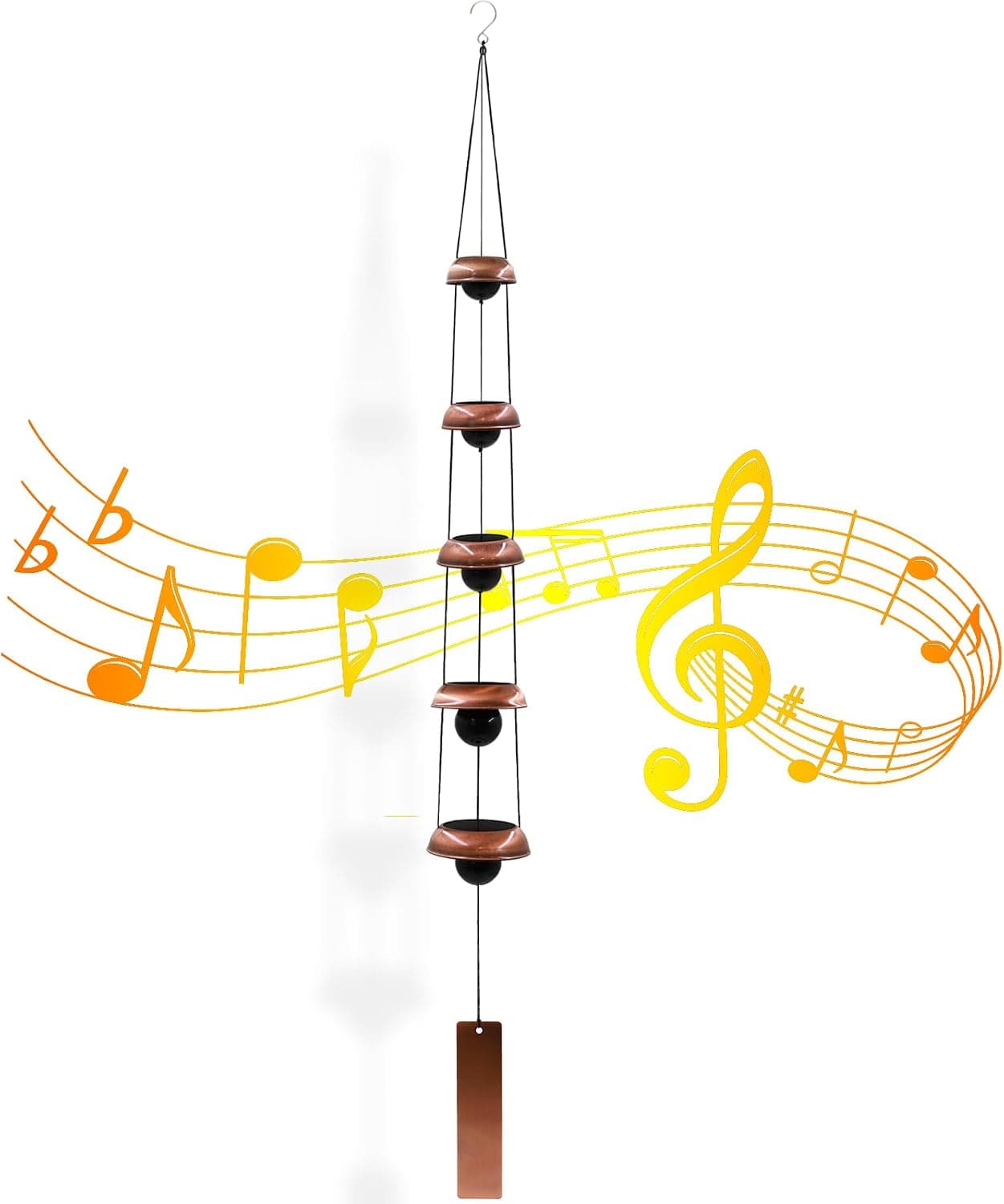 -19%
-19%Wind Chimes for Outside with 5 Bell Unique Copper Musical Chimes Feng Shui Wi...
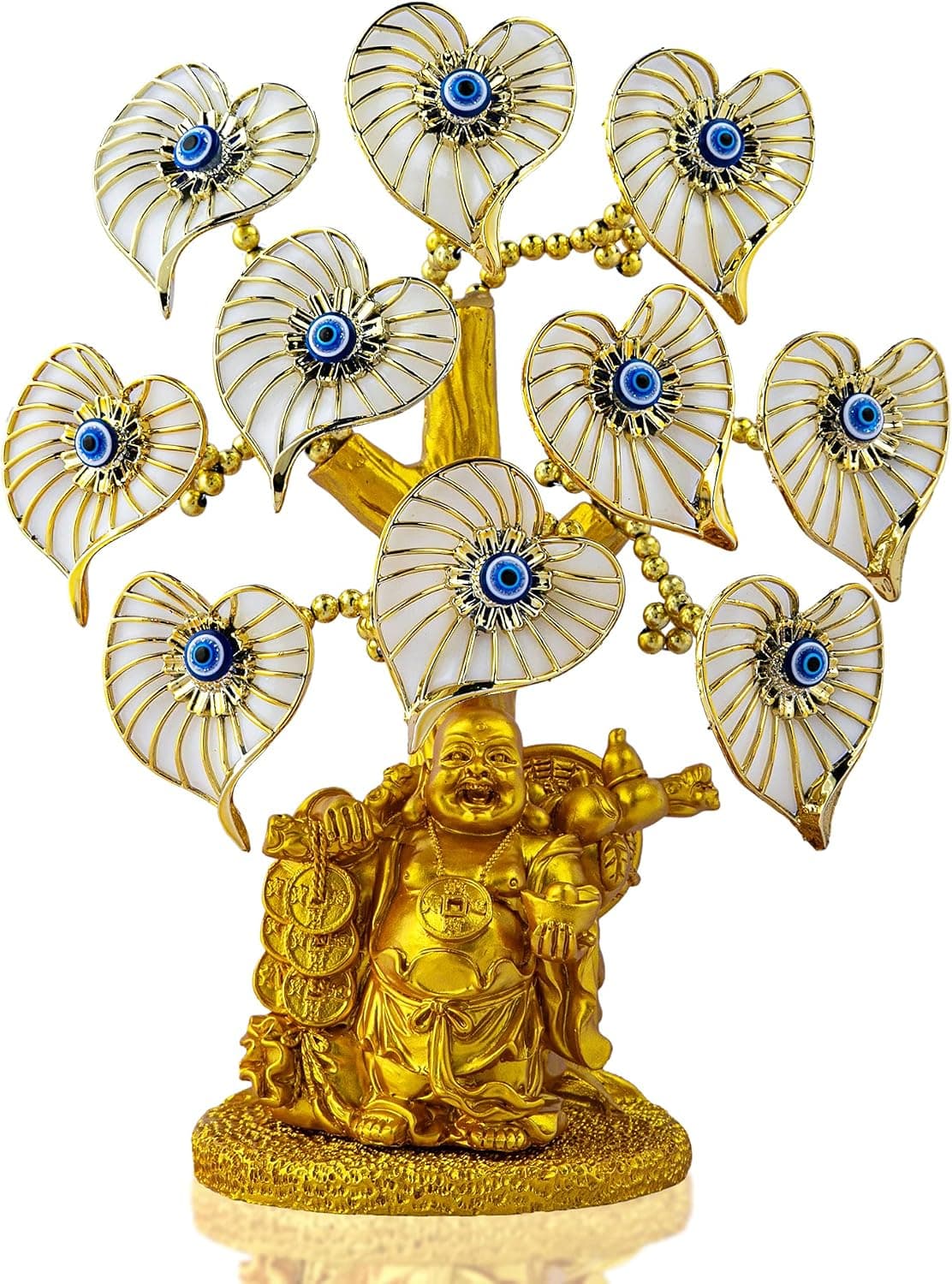 -5%
-5%YU FENG Evil Eye Money Tree, Blue Feng Shui Decor with Golden Buddha
 -29%
-29%Karma and Luck March Birthstone Crystal Tree of Life, Aquamarine Gemstone Fen...
 -29%
-29%Karma and Luck July Birthstone Crystal Tree of Life, Ruby Gemstone Feng Shui ...
As an Amazon Associate, we earn from qualifying purchases. We only recommend items our practitioners have personally tested.
Continue Your Journey
Explore these related guides to deepen your understanding:


Ready for Deeper Guidance?
Try our free I Ching reading for personalized wisdom, or explore our curated Feng Shui essentials.