You followed the list, bought the color, and nothing changed. The problem was never the hue — it was the dosage and the distance from your pillow.
A Red Lampshade, Six Inches From a Pillow
Color advice for the zodiac fails in one specific way: it tells you which color, and never how much, where, or for whom. So people buy the color, install it in the most visible spot in the room, and wait.
Here's the case that taught me to ask about furniture before I ask about hue. A north-facing studio, one window facing a stairwell, no paint allowed under the lease. The occupant was born in a Fire year, and every list she found said red. She bought a red duvet, two red cushion covers, and a red lampshade from a clearance bin.
Five months of bad sleep followed.
None of those purchases was wrong in isolation. The duvet was cotton. The cushions sat on a grey sofa she rarely used. The lampshade cost four dollars. What made the room worse was geometry: the shade sat on the nightstand, the nightstand sat six inches from the pillow, and the duvet was the first object her eyes found every morning at 6:40. She had taken an element associated with heat, stimulation, and high summer, and installed it at the two coordinates where a nervous system is most suggestible — the moment of falling asleep and the moment of waking. That is not a color problem. It's a dosage problem.
Color Came Before the Animals, Not After
In classical Chinese cosmology, color was a property of a phase, not of a person. The five phases carry signature hues: green-blue for Wood, red for Fire, yellow-ochre for Earth, white for Metal, black and deep blue for Water. These were diagnostic shorthand, not decoration. When a Han-era physician described a patient's complexion as blue-green, he was telling you something about the liver and about Wood — nothing about the man's taste in fabric.
Dynasties selected ceremonial colors the same way, by claiming a phase and dressing the court in it. The color announced which force the state was aligning with, and it changed when the mandate changed.
Notice what's absent from all of that. There is no animal in the color system. The twelve animals belong to the earthly branches, a calendar technology for marking years, months, days, and double-hours. The animals and the phases are two separate coordinate systems that happen to share a chart. The order of the zodiac animals is a sequence of branches, not a personality taxonomy, and it was never designed to assign you a palette.
How the Two Systems Got Glued Together
Somewhere in the twentieth century, popular almanacs did what popular almanacs do: they merged two systems into one table, because one table sells better than two. The year animal was the only part of the chart most people could identify without a calculator, so the animal became the entry point, and color lists got keyed to it. That merge is where today's chinese zodiac lucky colors tables come from.
It's a genuinely useful simplification if you know nothing else. It's also the shallowest possible reading. The year pillar is the branch farthest from you — it describes the environment you were born into, the ancestral weather, the mood of the decade. Your day master, the stem of your birth day, is the part that describes you. The day master is where color correction actually starts, because it's the only part of the chart that represents the self rather than the setting.
So when a list tells a Fire-year person to wear red, it may be telling someone whose day master is already strong Fire to add more Fire. That isn't a lucky color. That's pouring water into a full glass.
What You're Actually Adjusting
Every color recommendation is a claim about a ratio. Too cold, add warmth. Too dry, add Water. Too scattered, add Earth. The five phases are not five flavors of luck; they're five behaviors inside a system that prefers balance over maximums. Yin-yang thinking makes this obvious and pop lists hide it — the goal is never more of a good thing, it's the right proportion, and proportion is always situational.
A chart that runs hot needs Water: black, deep blue, the cool end of the spectrum. A chart that runs cold and damp needs Fire, but delivered as light rather than pigment. A chart overloaded with Metal needs Wood, and living wood does that job better than painted wood ever will.
This is why the same color helps one person and irritates another. Red isn't lucky. Red is Fire, and Fire is either what you're short of or what you're drowning in.
Once you accept that, the question changes from "what's my color" to "where in my actual home can I put a small amount of it, and how often will I see it." That's a far more tractable question — and it's the one a renter can answer.
The Constraint Is the Method
Here's the useful thing about not being able to paint: it forces you to think in layers. A room has permanent surfaces, semi-permanent surfaces, and movable ones. Permanent is the wall, the floor, the window orientation, the ceiling height. In a rental, permanent is off the table — and honestly, permanent is overrated even when you own the place. Nobody needs a red wall. A red wall is a Fire dose applied to a hundred square feet for twelve hours a day, which is roughly like taking a vitamin by the fistful.
Semi-permanent is where renters do their real work: curtains, rugs, bedding, slipcovers, lampshades, the removable adhesive strips that hold a lightweight textile against a wall. Changeable in a weekend, reversible at move-out.
Movable is everything else — a ceramic bowl, a vase, a stack of books, one cushion. This is the layer where small budgets actually win, because effect depends on placement far more than on price.
Placement is governed by a rule I trust more than any chart formula: proximity times frequency times duration. A color you see for eight hours while unconscious, from six feet away, outweighs a color you walk past twice a day. A color three feet from your face at waking outweighs anything in a hallway. That's the behavioral layer of all this. Environments don't change you by being symbolic; they change you by being repeated. The brain is a pattern-detection machine that treats whatever fills your visual field at the same hour every day as information about what's normal. Which is exactly why the lampshade mattered and the sofa cushions didn't.
When You Follow the Advice and It Still Fails
Two failure modes account for most of the disappointment I hear about.
The first is applying the color at the wrong scale. Someone learns their element is Water and buys a navy sofa for a room with one small window. Now the space reads as a cave, they feel sluggish in it, and they conclude the system is nonsense. What actually happened: a cooling element applied at furniture scale in a space that was already under-lit. The fix wasn't a different color. It was the same color at a smaller scale, plus more light. A single dark blue vessel near the door would have done the job.
The second is treating the bedroom as the default site for every correction. Bedrooms are for rest, and rest responds to low stimulation. If your chart wants Fire, beside the bed is the worst available placement. Put it where you need activation — the desk, the entry, the corner where you make decisions.
Both mistakes share a root cause: the color was chosen correctly and then installed without asking what the room was already doing.
The Real Fix, Priced Under Thirty Dollars
Start with the chart, not the catalog. You need your day master and the season of your birth — the month pillar — because a Fire day master born in summer is a different creature from a Fire day master born in deep winter. A five elements chart will show you the raw counts, though counts alone mislead; what matters is which element is doing the work and which one is absent or overloaded.
Then state the correction in a single sentence. Not "I need more Wood," but "I need Wood because everything in this chart is Metal and Water and nothing is growing." A correction you can say in a sentence is a correction you can place.
Now walk the room and find the sightlines. Where do you look when you wake up? Where do you look when you sit down to work? Those two spots are your installation sites. Everything else is decoration.
For a white-walled rental, the cheapest honest delivery systems I know are these. Undyed linen or flax curtains for Metal — they filter light instead of blocking it, and the change in how a room feels at four in the afternoon is not subtle. A wool or jute throw in ochre for Earth, kept on the chair you actually use rather than folded on a shelf. A single deep blue or black vessel for Water, placed where it catches window light. A living plant for Wood, because Wood as a phase is about growth and a cushion doesn't grow. For Fire, a warm bulb in the lamp you switch on in the evening beats any red fabric, since Fire is light before it is pigment.
Total: under thirty dollars if you buy the bulb and the vessel and use a plant you already own.
Two Weeks, One Variable
Change one thing. Not four. Move the lampshade off the nightstand, or swap the duvet for undyed cotton, and leave everything else alone for fourteen days.
What you're watching for isn't a lightning bolt. It's whether the room feels different at the two moments that matter — the last ten minutes before sleep and the first two minutes after waking. Those are the windows where environment gets to write on you.
If nothing shifts in two weeks, you've learned something real: that variable wasn't your constraint. Try the next one. The point of a small reversible change is that being wrong costs you a Saturday, not a lease.
Questions I Get Asked Constantly
Are the colors listed for my animal sign ever right?
Often, by accident. Those tables tend to assign colors that balance the year element, so if your chart happens to need that element, the advice lands and everyone feels confirmed. The trouble is that it's a coin flip dressed as certainty — a Fire-year person gets told red whether they're running hot or cold, and a good half of them are already running hot.
My landlord won't allow paint or nails. What's actually left?
More than you'd guess. Tension rods for curtains, removable adhesive strips for lightweight textiles, rugs, lampshades, bedding, and anything that rests on a surface. The layer that matters most is the one within arm's reach of where you sleep and where you work — everything beyond that is set dressing.
Does wearing the color count?
Less than people hope, more than skeptics admit. Clothing is a short-duration, close-proximity dose: high intensity, low frequency. It's useful for a specific meeting or a day when you need to occupy a particular mode. It will not rebalance a room, and it won't fix a bedroom that fights you every morning.
How do I know which element I actually need?
Read the day master and the season it was born into. A chart loud in one phase usually wants the element that drains or controls it, not more of what's already shouting. Reading the chart properly takes about an hour the first time and five minutes after that.
Mei Chen
Traditionally informed guidance • Cross-referenced with classical Chinese source texts
Rooted in classical Chinese metaphysics and cross-referenced with original texts. Product recommendations are based on traditional symbolism, not guaranteed outcomes.
Practitioner-Selected Tools for This Topic
Items our team has tested and found effective for the principles discussed above. Individual results may vary.
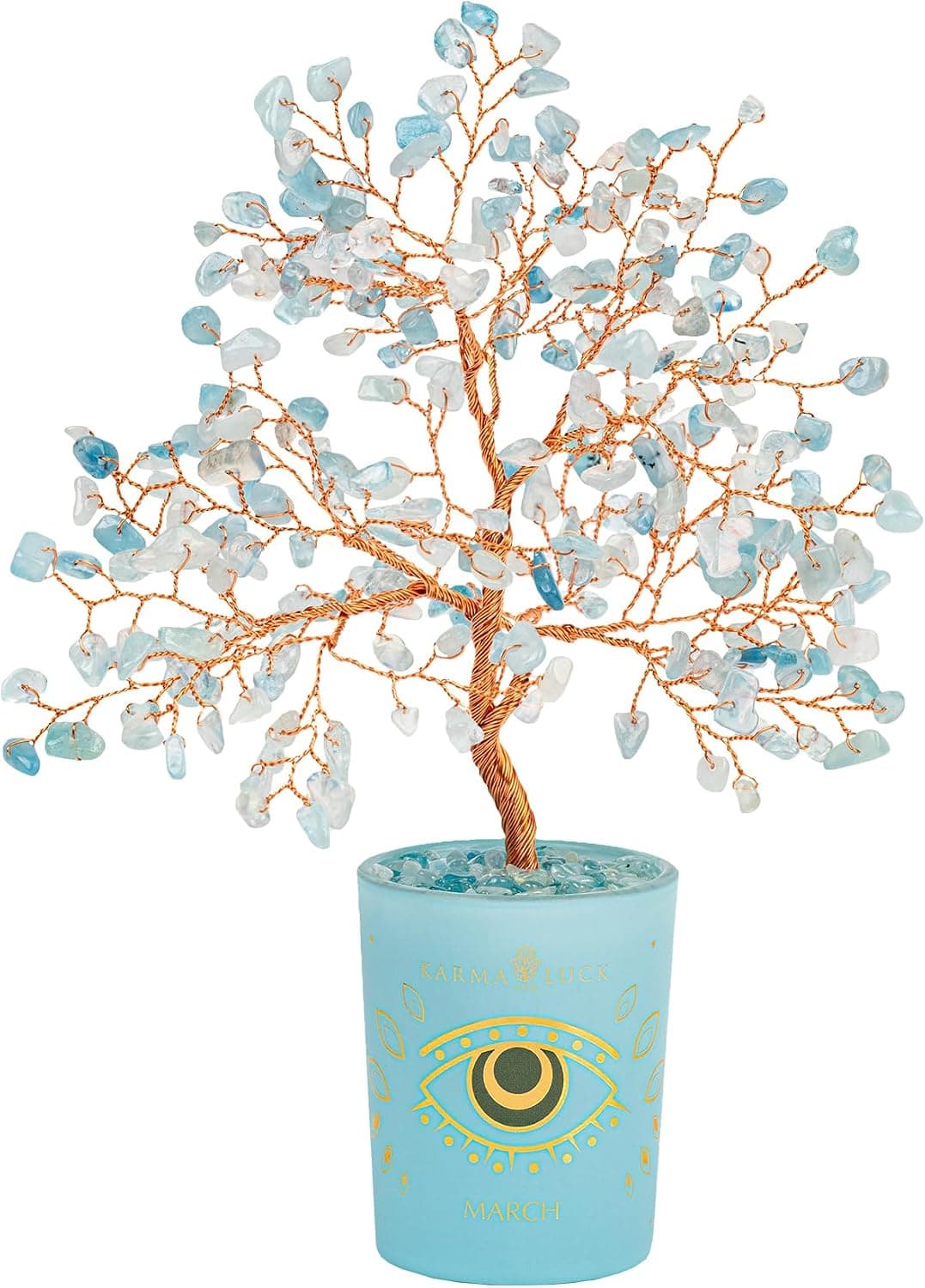 -29%
Karma and Luck March Birthstone Crystal Tree of Life, Aquamarine Gemstone Fen...
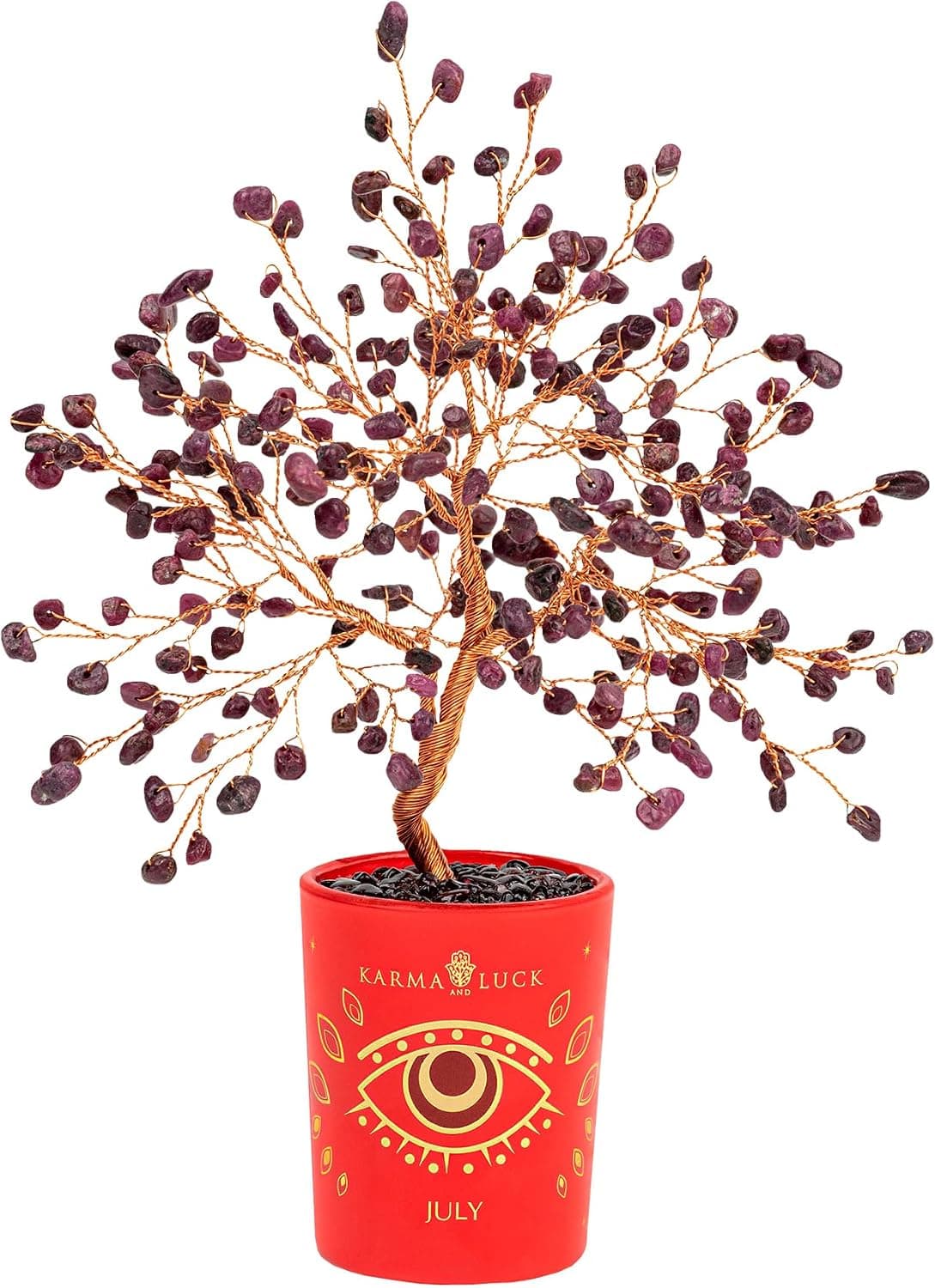 -29%
Karma and Luck July Birthstone Crystal Tree of Life, Ruby Gemstone Feng Shui ...
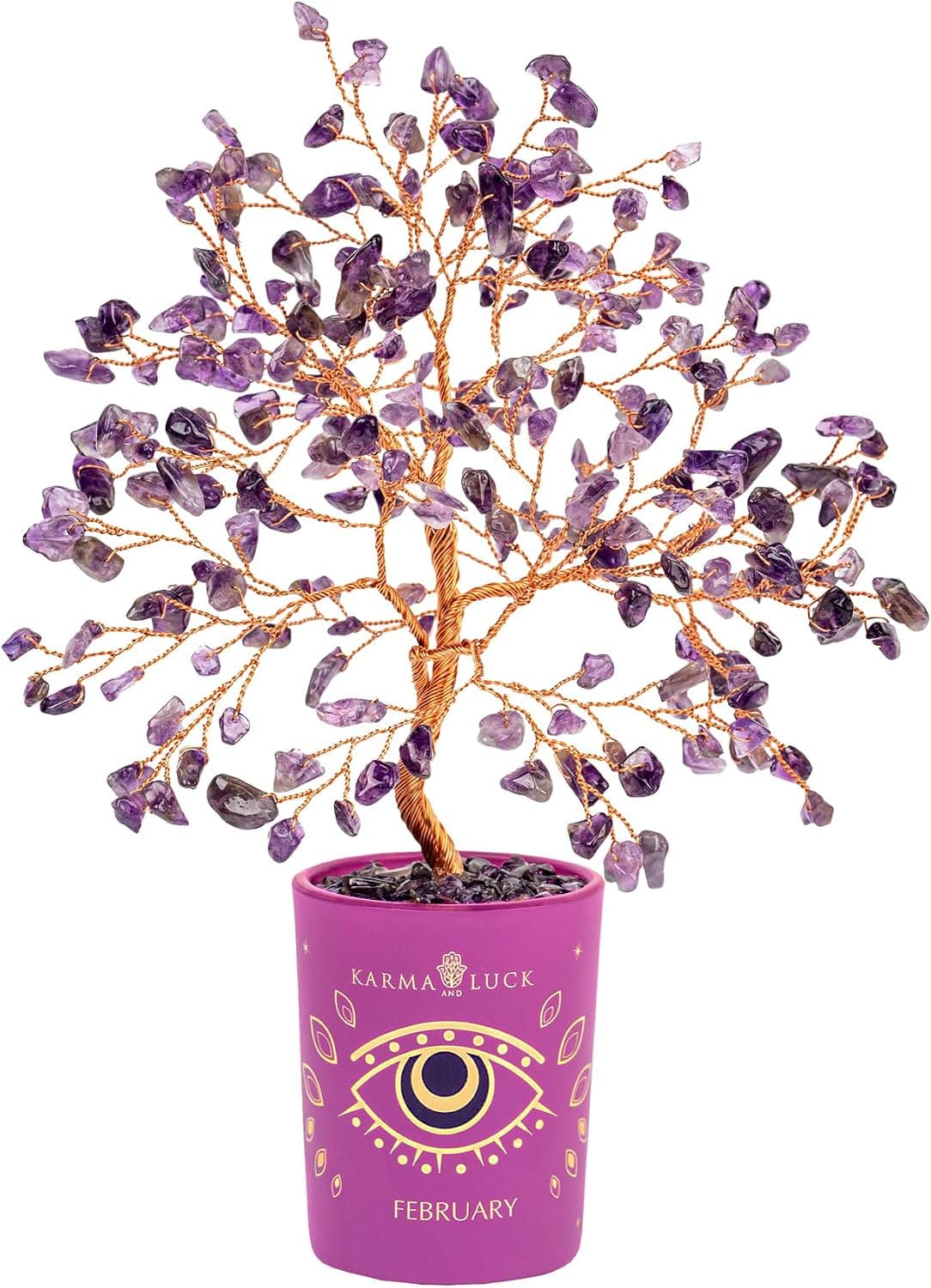 -29%
Karma and Luck February Birthstone Crystal Tree of Life, Amethyst Gemstone Fe...
 -50%
biuufish Feng Shui Black Obsidian Bracelet for Men Women, 24K Gold Plated Pix...
As an Amazon Associate, we earn from qualifying purchases. We only recommend items our practitioners have personally tested.
Continue Your Journey
Explore these related guides to deepen your understanding:
Ready for Deeper Guidance?
Try our free I Ching reading for personalized wisdom, or explore our curated Feng Shui essentials.