A festive home can still feel blocked if the entry, path, and table are carrying old clutter into the New Year.
When Lanterns Went Up, the Room Still Felt Heavy
The red couplets were on the wall, the paper banner was straight, and the apartment still felt stuck. Shoes were crowding the threshold, two unopened parcels sat by the door, and the first sightline into the home stopped dead at a stack of storage bins.
I’ve seen this exact problem in compact homes: plenty of New Year symbols, almost no mental room. The eye lands on a crowded entry and the body reads it as effort, not welcome. That is why a clear front door area matters more than a pile of festive objects.
One apartment I remember had a narrow hall painted soft gray, a brass lantern on the console, and a bright red mat that should have lifted the whole place. Instead, the mat was half covered by boots, a gym bag, and a recycling box waiting to be taken out. The family kept saying the home looked cheerful in photos, yet every person who stepped inside went quiet for a second, as if they had to make a decision before they could relax.
That pause is not imaginary. Clutter raises cognitive load because the brain keeps registering unfinished tasks, and the New Year ritual loses force when the room is asking for attention in ten directions at once.
Fresh air helps, too. Open windows for a little while before the holiday if the weather allows, and let stale cooking odor, fabric smell, and old dust leave the room before you invite anything new in.
The bagua map is useful, but only after the home can actually hold focus. If every corner is competing for attention, the map becomes wallpaper instead of a method.
Why Clutter Makes Every New Year Arrangement Lose Its Power
Chinese New Year arrangements depend on more than symbolism; they also depend on whether the room can let those symbols register. When a space is crowded, the eye has to keep skipping between objects, unfinished tasks, and visual obstacles. That constant micro-switching weakens the sense of intention, so even strong festive pieces begin to feel like background noise instead of a clear message.
This is the part people often miss. They blame the red envelope, the ornament, the lucky plant, or the placement of a cure when the real issue is that the room is already overcommitted. Clutter does not only look messy; it keeps the brain in scanning mode. Every pile, stray box, or half-finished corner quietly says, “Deal with me first.” The result is a home that cannot fully receive the holiday because it is still broadcasting incomplete work.
Architecture points to the same problem in simpler terms: circulation has to be legible. If movement paths are blocked or thresholds are hard to read, the home creates friction at the exact moments people should feel ease. In feng shui, that friction is described as stagnation. In everyday life, it feels like hesitation, slower movement, and a room that never quite settles.
Light makes the effect stronger. A dim hallway shrinks the entry experience and makes the whole home feel smaller than it is, while a brighter threshold expands the first impression and helps the eye travel forward. In a compact apartment, that shift can do more than a dozen decorations because it changes how the space is perceived before anyone analyzes it.
So the first job is not activation. It is subtraction.
That may sound unglamorous, but it is what allows the holiday objects to carry meaning instead of fighting for it.
The Order That Matters: Clear, Repair, Open, Then Activate
Start at the threshold and work inward. Clear shoes, bags, parcels, recycling, and any storage bins that interrupt the first view from the door to the main living area. If the eye can move smoothly through the space, the mind settles faster.
Then repair what is quietly leaking attention: a loose cabinet handle, a burned-out bulb, a chair that blocks the dining path, a wobbly hook that keeps dropping coats. Small defects look harmless, but they keep reminding the room that something is not finished.
After that, open the space. Wipe the dining table until it reflects a little lamp glow. Center it if you can, even by a few inches, and leave negative space around it so hospitality feels possible instead of squeezed. A table that breathes reads as abundance. A table buried in papers reads as delay.
Only then bring in seasonal objects, and bring fewer than you think you need. One strong banner, one clean bowl of citrus, one disciplined arrangement of red and gold can do more than six scattered accents. Proportion is part of the language of the room.
That is the practical heart of annual Feng Shui cures for 2027 when applied to the holiday itself: not “add everything,” but “make each object legible.”
If you want a simple rule, use this one: clear path first, bright entry second, meaningful symbol last. The sequence matters because the room has to be able to receive before it can announce anything.
Small-Space Adjustments That Change the Whole House
Not everyone has the luxury of a foyer, a formal dining room, or extra storage. Many Western homes and apartments fold all functions into one tight footprint, which means every object has to work harder. That is not a disadvantage if you understand proportion.
A single seasonal bowl on a clean side table can carry more weight than a crowded shelf. A narrow corridor can feel generous if it is lit well and left unobstructed. A tiny kitchen can still support the holiday if the counters are mostly clear and the visual field is not shouting from every angle.
One kitchen I visited had white cabinets, a black kettle, and a red paper decoration taped near the pantry. The room should have felt crisp, but receipts were stuck under a magnet, three cardboard boxes were lined beside the trash can, and a dining chair was parked halfway into the walkway. After the boxes were flattened, the chair moved, and the counter was stripped down to the kettle and a small plate of oranges, the same room looked larger without changing a single wall.
That is the trick. In small spaces, scale is a signal. One well-placed seasonal object can feel more powerful than many crowded symbols because the room can actually hold it.
Soft light helps, especially at the threshold and around the dining surface. A lamp, candle, or warmer bulb can make a cramped home feel intentional rather than compressed, and intentionality is a kind of qi management most people overlook.
If you are choosing color for the holiday, keep it restrained and distributed. One accent near the entry, one at the table, and the rest left quiet will do more for the room than turning every surface into a festival display.
That restraint is not austerity. It is clarity.
First-Day Moves That Keep the New Year Unobstructed
On New Year’s morning, the first thing your home should do is welcome you. Open the curtains, let in daylight, and make sure the path from the door to the main room is still free of clutter before the day becomes social.
Then pay attention to the dining area. If you are hosting, even informally, center the table, remove old mail, and leave enough air around the chairs that people can move without brushing obstacles. A table that feels easy to approach changes the mood before anyone sits down.
Do not rush to add more cures if the room is still noisy. I have watched people place new ornaments beside old packaging, and the result was not stronger; it was muddier. The eye needs one message at a time.
One more thing: keep the first day calm enough to hear the room. If the hallway feels dim, turn on the light. If the entry feels compressed, remove one object. If the kitchen smells stale, open a window. These are small actions, but they tell the house that the New Year is not arriving into disorder.
For a more detailed seasonal backdrop, compare what you are doing with the year’s lucky color guidance. Color can support the mood, but it cannot rescue a blocked threshold or a crowded sightline.
And if you want to understand why certain placements feel stronger than others, look at the 2027 flying stars overview only after the room is clear enough to use it. Timing, direction, and symbol all matter, but none of them outrank a home that cannot breathe.
Common Missteps That Make Holiday Feng Shui Flat
The first mistake is treating every wall like a bulletin board. Too many red accents, too many hanging charms, too many objects in one visual field, and the room starts to feel busy rather than auspicious.
The second is ignoring the exact places where people move and pause. If the shoe pile lives at the threshold or the dining chair blocks the main path, the whole arrangement feels like it is working around an obstacle instead of supporting a flow. That is why so many people buy seasonal cures but keep living with the same friction.
For a deeper look at the kinds of layout errors that sabotage results, see the living room arrangement mistakes that create hidden pressure. The same principle applies here: if the room is overloaded, your adjustments have to fight the room before they can help it.
FAQ
Should I clean everything before decorating for Chinese New Year?
Clean first, decorate second. If you hang symbols over dust, clutter, or blocked circulation, the decorations have to compete with unfinished business, and that weakens their effect.
What matters more: the entryway or the dining table?
Start at the entryway, because that is where the home announces itself. Once the threshold feels open and legible, the dining table can do its work without being overshadowed by chaos at the door.
Can a tiny apartment still benefit from holiday feng shui?
Absolutely, and in some ways it benefits faster because every object has more influence. A compact home rewards restraint, good light, and clear paths more than it rewards accumulation.
Do I need to follow every traditional custom for it to work?
Surprisingly, no. The symbolic customs matter, but the practical conditions matter first: clarity, movement, light, and a room that can actually hold attention without strain.
Mei Chen
Traditionally informed guidance • Cross-referenced with classical Chinese source texts
Content draws from both Compass (Luopan) and Form (Xingshi) school traditions. Illustrative examples are composites based on consultation experiences.
Practitioner-Selected Tools for This Topic
Items our team has tested and found effective for the principles discussed above. Individual results may vary.
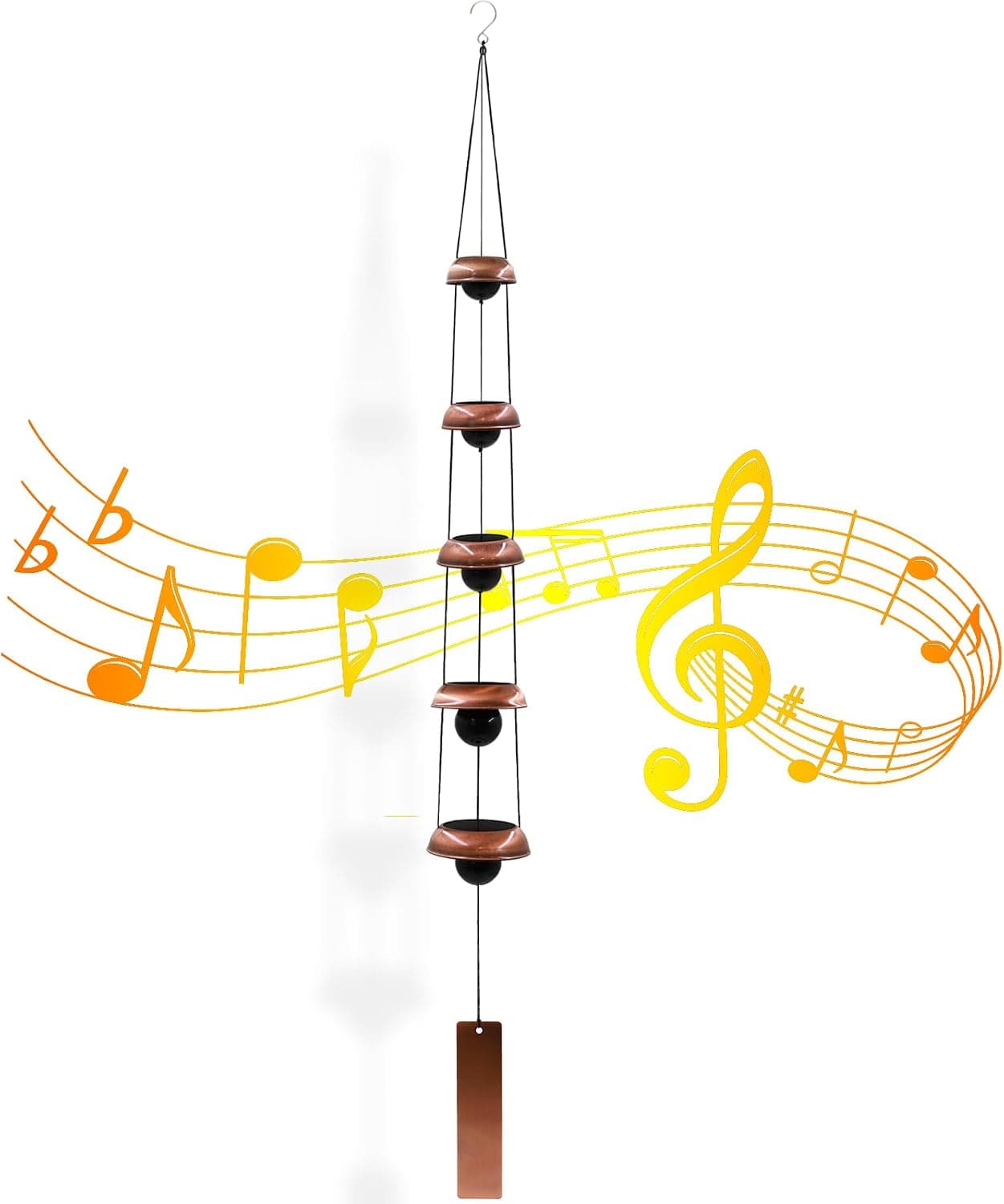 -19%
-19%Wind Chimes for Outside with 5 Bell Unique Copper Musical Chimes Feng Shui Wi...
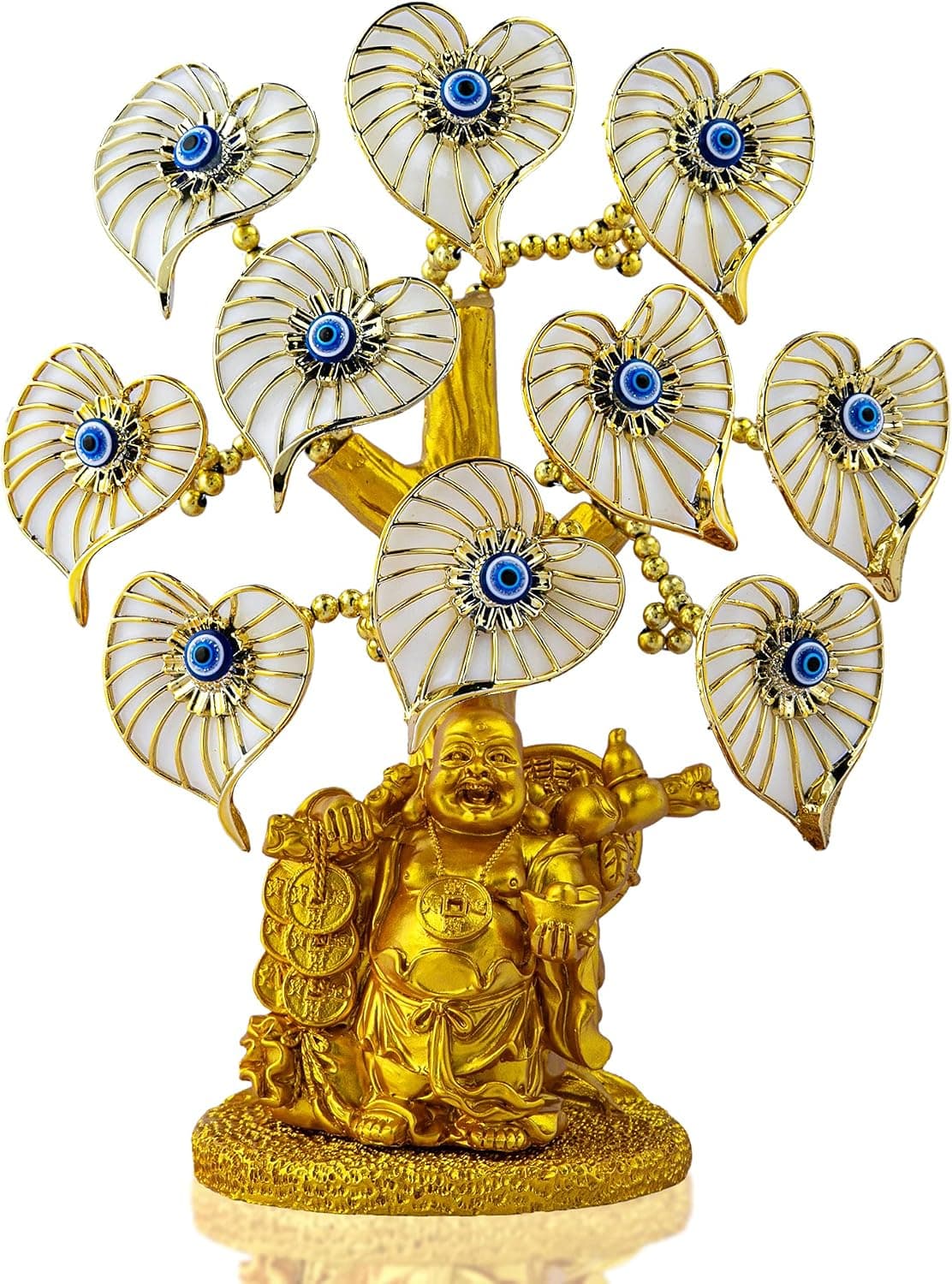 -5%
-5%YU FENG Evil Eye Money Tree, Blue Feng Shui Decor with Golden Buddha
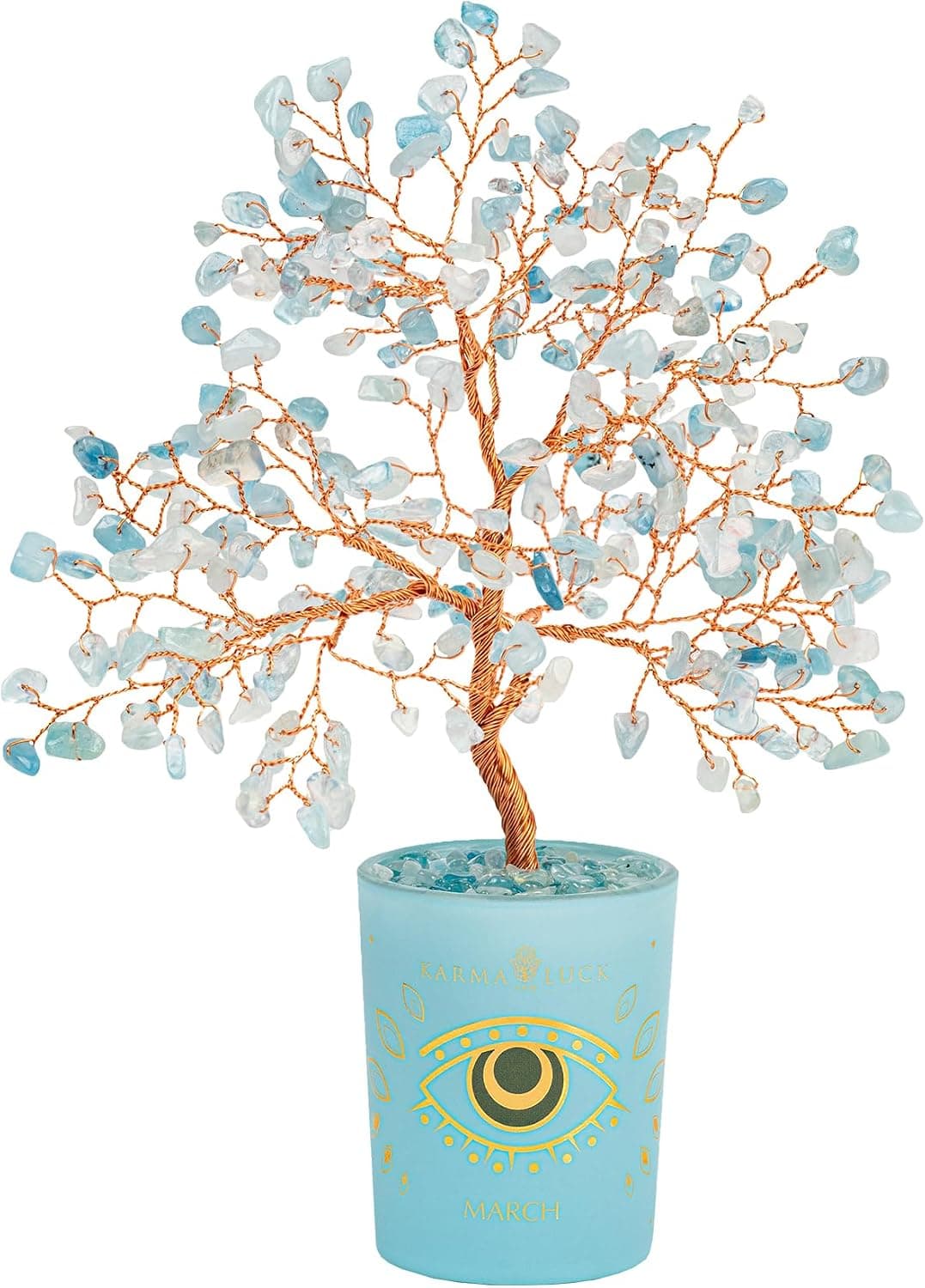 -29%
-29%Karma and Luck March Birthstone Crystal Tree of Life, Aquamarine Gemstone Fen...
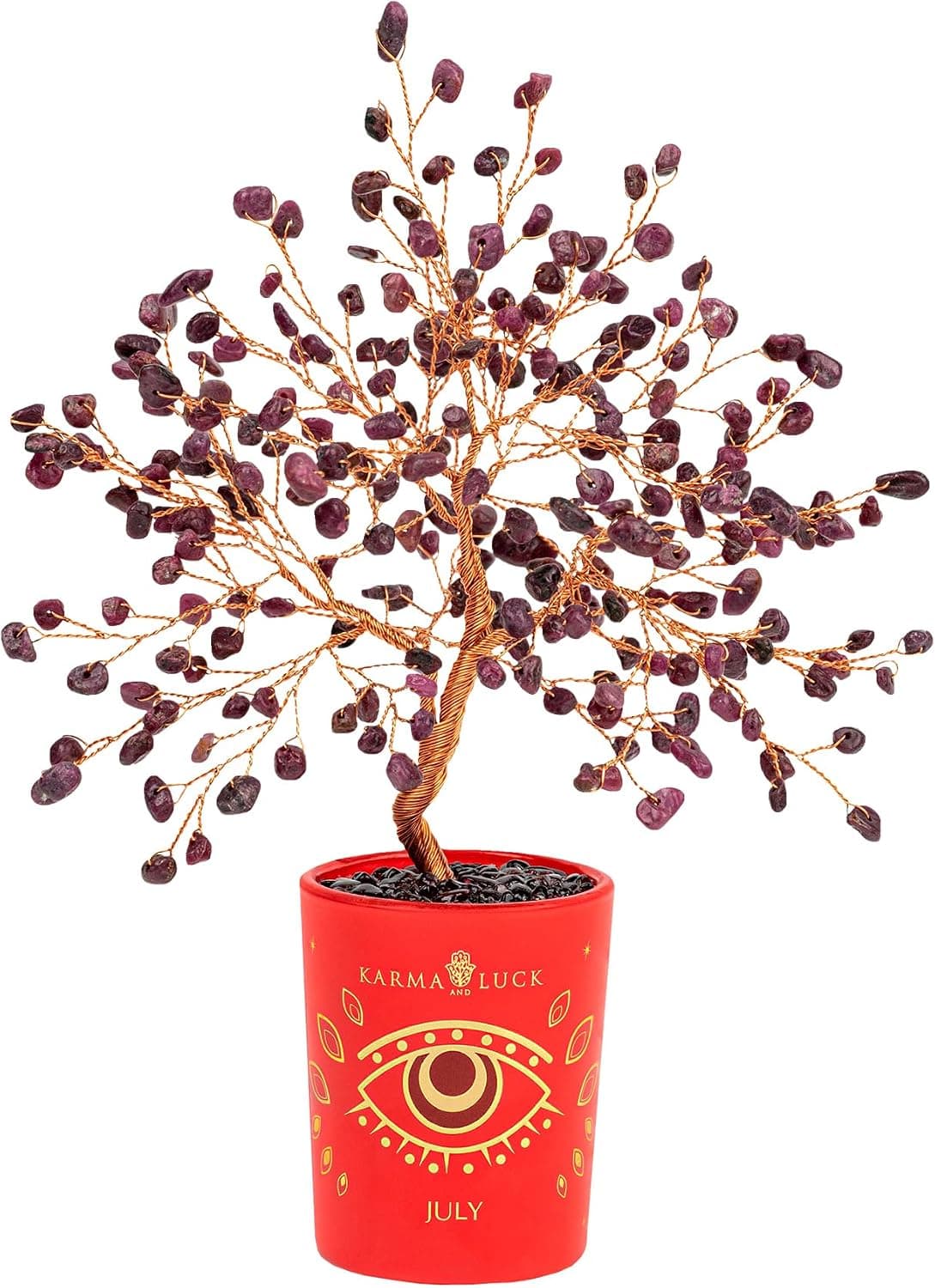 -29%
-29%Karma and Luck July Birthstone Crystal Tree of Life, Ruby Gemstone Feng Shui ...
As an Amazon Associate, we earn from qualifying purchases. We only recommend items our practitioners have personally tested.
Continue Your Journey
Explore these related guides to deepen your understanding:


Ready for Deeper Guidance?
Try our free I Ching reading for personalized wisdom, or explore our curated Feng Shui essentials.